


Our vision
A world where the livestock sector sustainably contributes to the welfare of people and conservation of natural resources.
Areas of activity
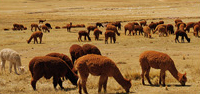
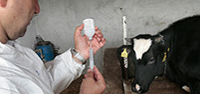

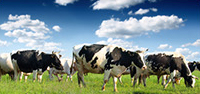

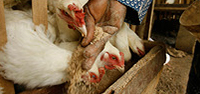
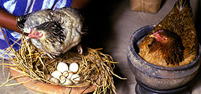
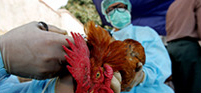
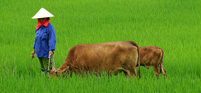
The Animal Production and Health Division’s work is carried out by the Office of the Director, four technical service teams, staff in regional and country offices, as well as with multi-stakeholders platforms and other groups, who guide the livestock sector towards more socially, economically and environmentally desirable outcomes.
Office of the Director
Contact: Mr Thanawat Tiensin, | Animal Health Service Focuses on strengthening veterinary systems and public health. The Service develops practical strategies and guidance to address endemic and emerging threats from animal sources, the assurance of safe trade, efficient production and food safety. Contact: Chief Veterinary Officer |
Livestock Information, Sector Analysis and Policy Branch Analyses sector trends from a social, economic and environmental perspective and develops tools and policy guidance for sustainable livestock development. Contact: Mr Dominik Wisser | Animal Production and Genetics Branch Works on animal genetics and animal production - including feed and feeding systems, pastoralism, genetic diversity management and system analysis - to improve livestock production systems in an economically, socially and environmentally sustainable manner. Contact: Mr Badi Besbes, Chief |
NSA mandate
- Support countries to sustainably grow the livestock sector.
- Ensure the availability of safe and quality animal products.
- Promote inclusive and efficient livestock markets.
- Enhance smallholders’ resilience and governments’ capacities to prevent and respond to livestock-related emergencies – whether caused by disease or natural disaster.
- Promote best practices that maintain animal health, welfare and livestock productivity.
Related links
- Africa Sustainable Livestock 2050
- COAG’s Sub-Committee on Livestock
- Domestic Animal Diversity Information System (DAD-IS)
- Emergency Centre for Transboundary Animal Diseases (ECTAD)
- Emergency Prevention System for Animal Health (EMPRES-AH)
- European Commission for the control of Foot-and-Mouth Disease (EuFMD)
- Global Agenda for Sustainable Livestock (GASL)
- Global Livestock Environmental Assessment Model (GLEAM)
- Livestock Environmental Assessment and Performance (LEAP)
- PPR Global Eradication Programme (PGEP)
- Programme Against African Trypanosomosis (PAAT)
- Reducing Enteric Methane to improve food security and livelihoods
Contact
