


Achieving an environmentally sustainable increase of production and access to affordable healthy diets is key. This should be done while protecting and enhancing the livelihoods of the world’s small-scale agricultural producers and other agrifood system actors. Yet agricultural production systems still lack integration, optimization, diversification, and innovation, while relying on the intensive use of chemical inputs and of natural resources. Global food supplies today rely on just a few crops and animal species, increasing the vulnerability to biotic stresses.
That’s why plant production and protection should focus on sustainable:
Plant production systems management
Plant production is the foundation of food and agriculture. Upon this foundation humanity has built livelihoods and its civilization in a more food secure world. Plant production is a catalyst for economic and social development but must keep pace with the demand for safe and nutritious food produced in an environmental-friendly manner. In a global economy, sustainable plant production faces multidimensional and complex challenges, such as population growth, urbanization, and climate change.
Seed system management
Farmers require quality seeds and planting materials of well- adapted improved crop varieties that are productive, nutritious, resistant to biotic and abiotic stresses and, in general, meet end-users’ preferences. This is because the cultivation of an improved crop variety can result in 50 to 90 percent increase in productivity.
Plant pest management
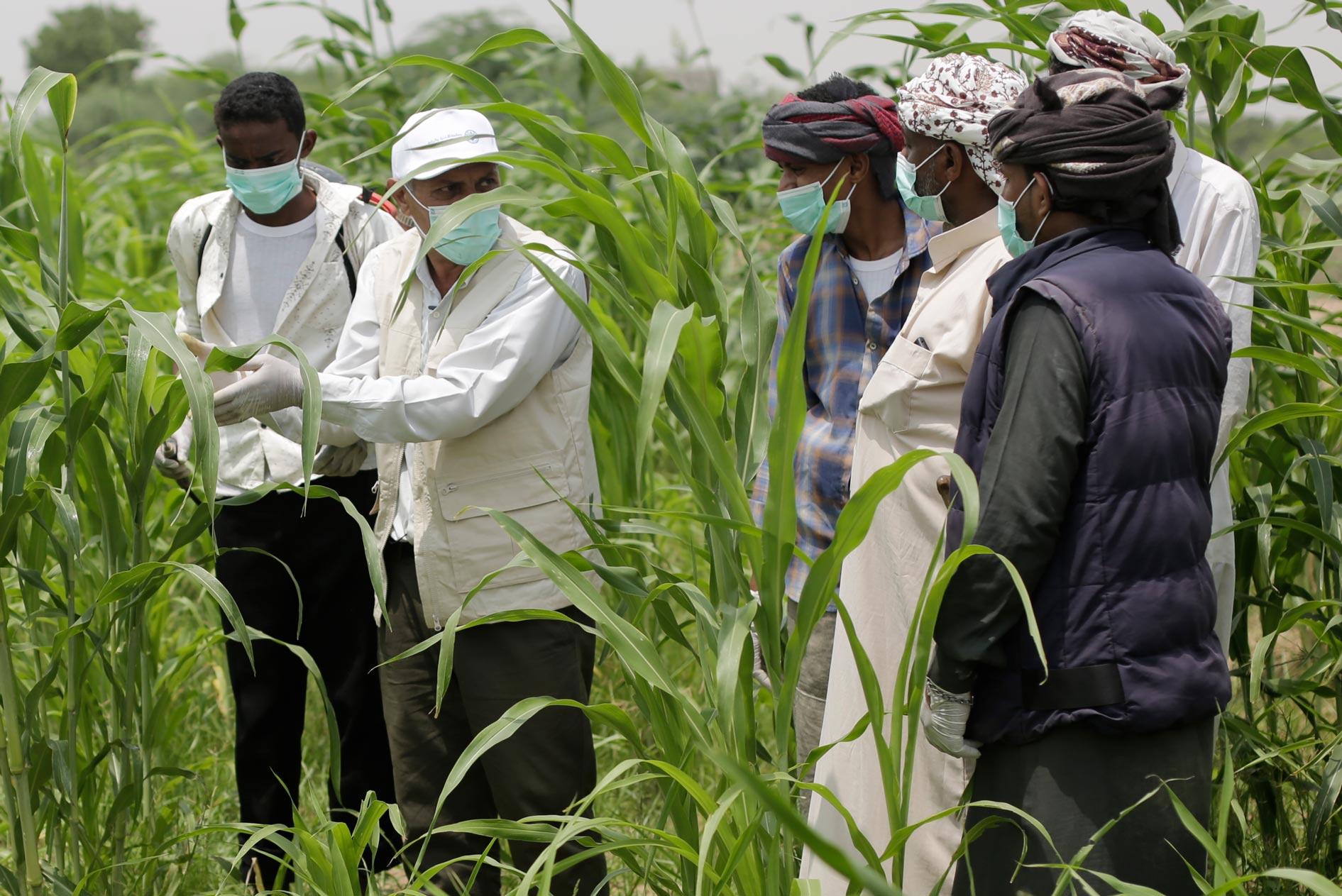
Pests and diseases are a severe threat to food security, trade and livelihoods globally. Every year, up to 40 percent of crops are lost due to plant pests and diseases. FAO promotes sustainable and ecological approaches including integrated pest management to prevent and control the potential impact of pests and diseases through continuous monitoring, early warning, prompt response, innovative and environmentally friendly preventive control strategies to sustainably manage pests and diseases.
Pesticide management
Sustainable pesticide management is imperative for better environment and health protection. The inappropriate use of pesticides may lead to increased risks to human health and the environment. An integrated approach would be applied to address all aspects of pesticide management throughout lifecycle of pesticides with multisector collaboration and engagement of all relevant stakeholders.

Technology innovation and transformation
With climate change advancing fast, technologies and practices need more than ever to be locally adapted to meet the needs of producers of different ages and gender, for this and future generations. Research and science need to work alongside farmers to test new tools and approaches and co-create innovations. To do this, farmers should integrate locally adapted sustainable technologies into their farming systems and communities, to improve livelihoods while regenerating local ecosystems.
These sustainable production and protection technologies can greatly contribute to ensuring food security and nutrition, promoting food quality and safety, supporting farmers’ livelihoods, protecting the environment and biodiversity, and facilitating safe trade and economic growth.
Plant Production and Protection news
Goals

Developing a sustainable crop production systems for a world free from hunger

Protecting the environment and biodiversity and facilitating safe trade and economic growth

Enabling a more efficient, inclusive, resilient and sustainable crop production and protection

Enhancing farmer’s timely access to affordable quality and safe seeds and planting materials

Ensuring food security and nutrition through sustainable plant production and protection

Minimizing agricultural chemical inputs and mitigating climate change impact
Key areas
Tools

Tools
Pesticide Registration Toolkit
The FAO Pesticide Registration Toolkit is a decision support system for pesticide registrars in low and middle income countries.
Tools
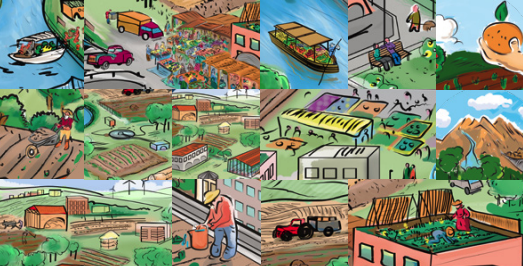
City Region Food Systems Assessment and Planning Online Toolkit
To complement the CRFS Assessment and Planning Handbook, the online Toolkit provides supplementary explanations, practical tools, training materials, technical examples, and workshop resources related to activities within each project module.
Tools
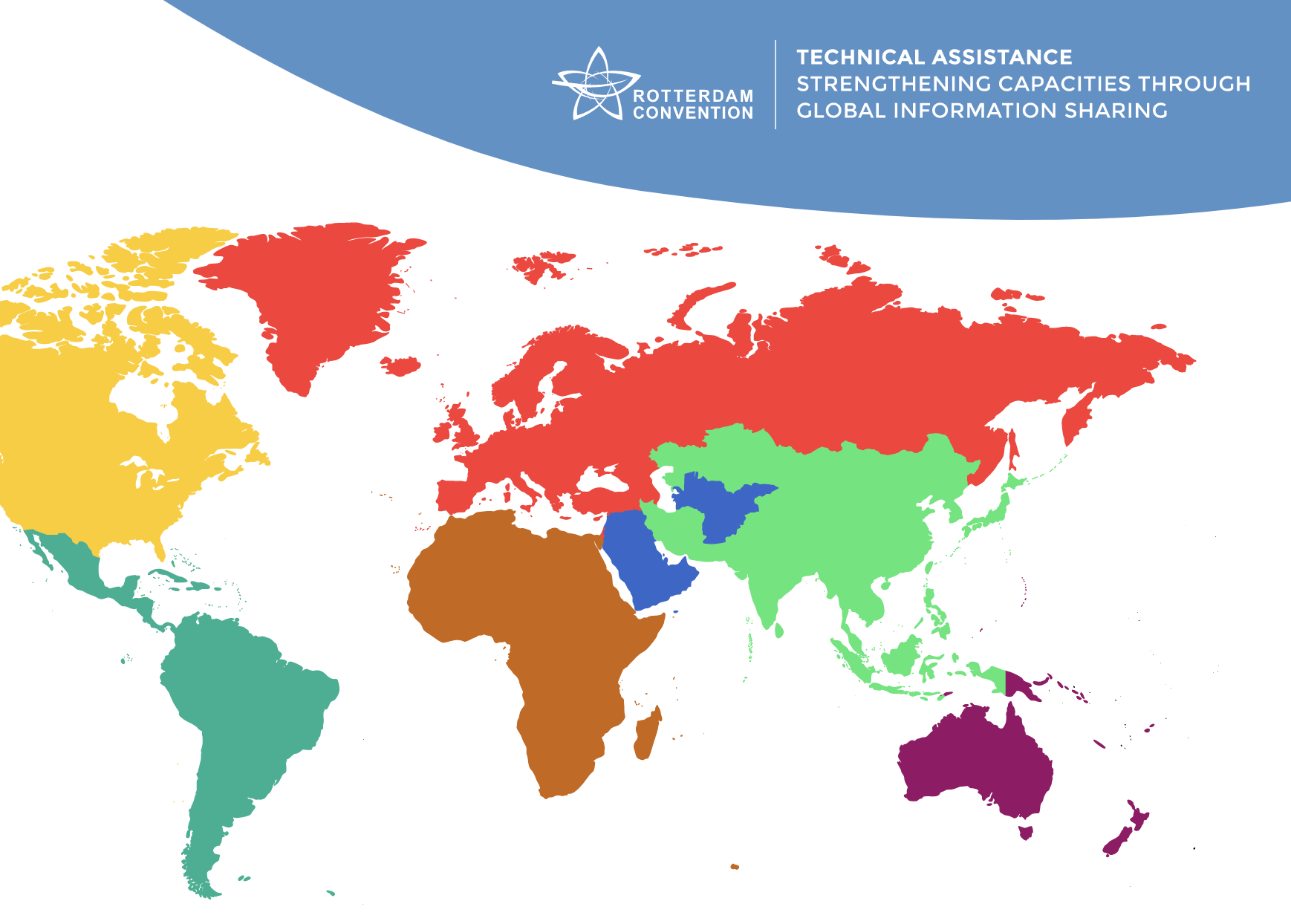
Rotterdam Convention Technical Assistance Interactive Map
The interactive map allows users to have a comprehensive overview of the work of the Rotterdam Convention.
Tools
Tool for Agroecology Performance Evaluation (TAPE)
How agroecology supports the transformation to more sustainable agricultural and food systems.
FAO's stories on Plant Production and Protection
Latest publications
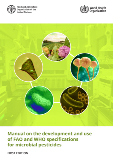
Publications
Manual on the development and use of FAO and WHO specifications for microbial pesticides
2024
This manual provides the standard process, unified requirements and procedures, harmonized definitions and nomenclature, technical guidelines and standards...
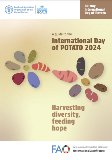
Publications
A guide to the International Day of Potato 2024
2024
This guide provides a brief history of the potato from its origins in the Andes mountains to a global food staple as well as its profound impact on...
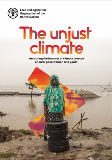
Publications
The unjust climate: Measuring the impacts of climate change on rural poor, women and youth
2024
Developing policies to foster inclusive rural transformation processes requires better evidence on how climate change is affecting the livelihoods and...
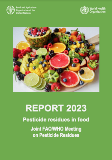
Publications
Report 2023 - Pesticide residues in food
2024
A Joint Meeting of the Food and Agriculture Organization of the United Nations (FAO) Panel of experts on Pesticide Residues in Food and the Environment...
Publications
Control of transboundary plantdiseases and pests
2021
This review focuses on building national and regional capacities for preventive control of transboundary plant pests and diseases, with cursory reference...
Infographic
Global Conference on Sustainable Agricultural Mechanization - visual recording
2024
This publication brings together the visual recording drawn live during some of the thematic sessions and the side event on “Voices of Youth for Sustainable...
Events
Virtual Event
Webinar
Webinar on farmers’ varieties and landraces: conservation through management on-farm
29/04/2024
The objective of the webinar is to raise awareness of the contribution of farmers’ varieties/landraces to food security and nutrition, highlight...
Stay tuned

Subscribe to the Plant Production and Protection Newsletter and stay tuned with the last projects, products and progress!

Multimedia

International Day of Potato
30 May