


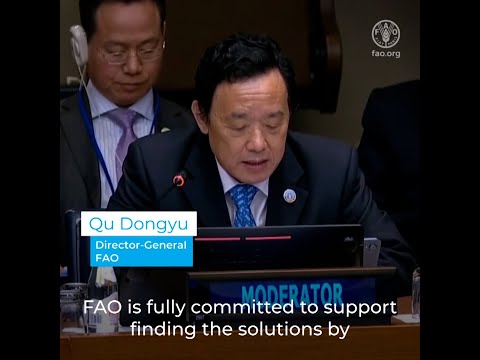
A look back at 2023 from FAO New York
05/01/2024
The FAO Liaison Office with the United Nations in New York takes a look back at 2023. With its unique challenges and a stronger bond with Rome, we delivered our mandate with success, with thanks to our partners and colleagues.
FAO in New York
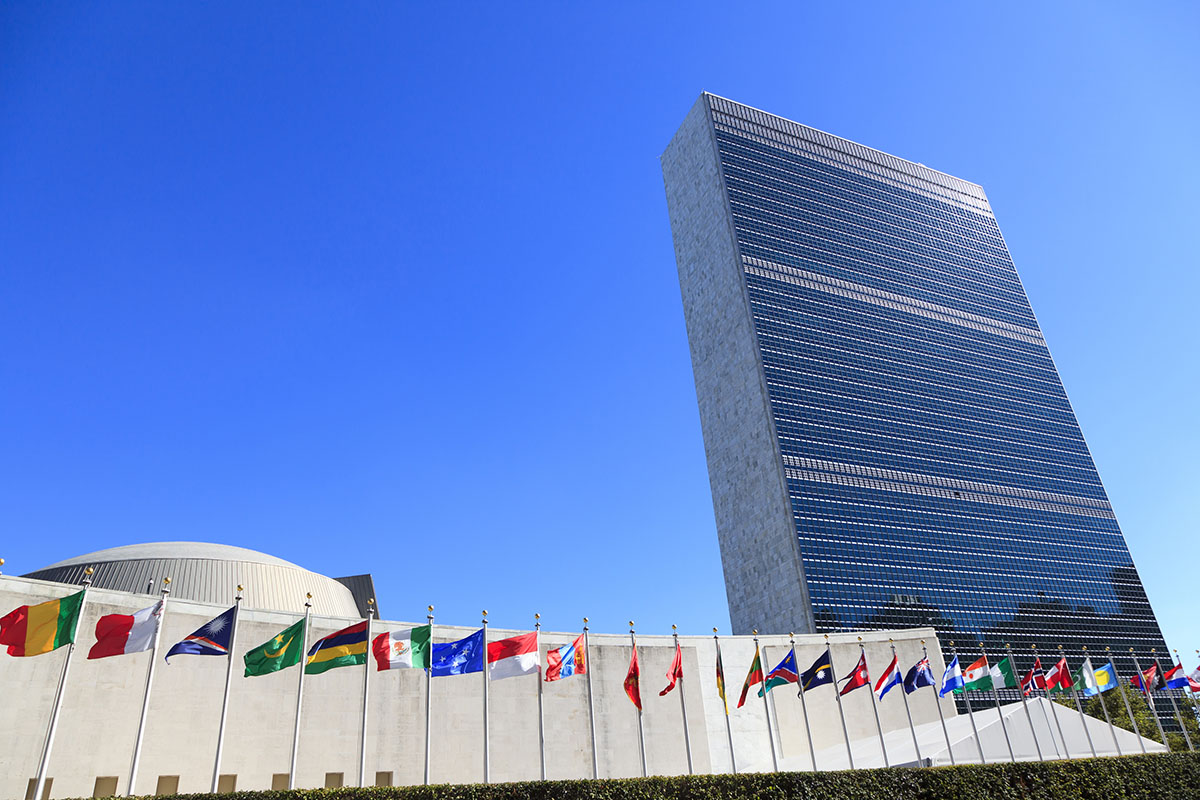
The FAO Liaison Office with the United Nations (UN) in New York has a lead responsibility in developing and implementing policies that enhance FAO's cooperation with the UN system, capitalizing on synergies between our work and that of other UN bodies, agencies, funds and programs, and of Member States.In doing so, we support decision-making processes carried out at FAO headquarters in relation to developments in the UN system, mainly by representing FAO at working and coordination meetings, liaising with permanent delegations to the UN in New York, and establishing partnerships with relevant institutions in the New York area. Find out more.
Highlights
Released Report
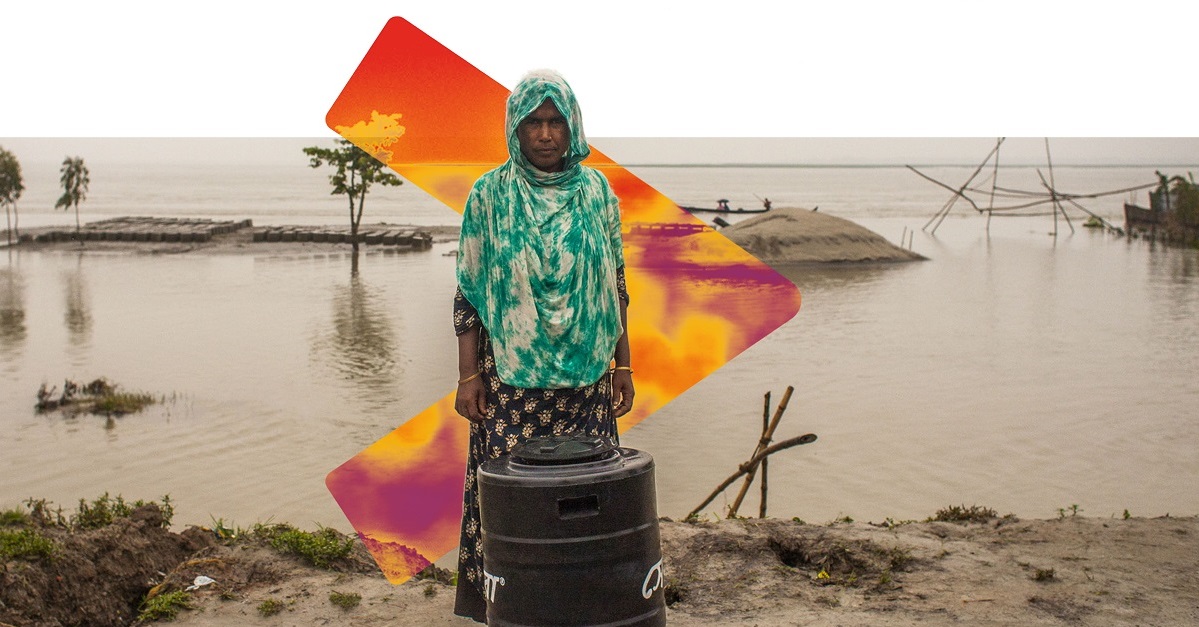
The Unjust Climate Report
The report shows how the effects of climate change on income and adaptation in rural areas vary with gender, wealth, and age, utilizing new empirical evidence based on socio-economic data collected from more than 100,000 rural households in 24 countries, combined with 70 years of geo-referenced daily rainfall and temperature data.
International Days
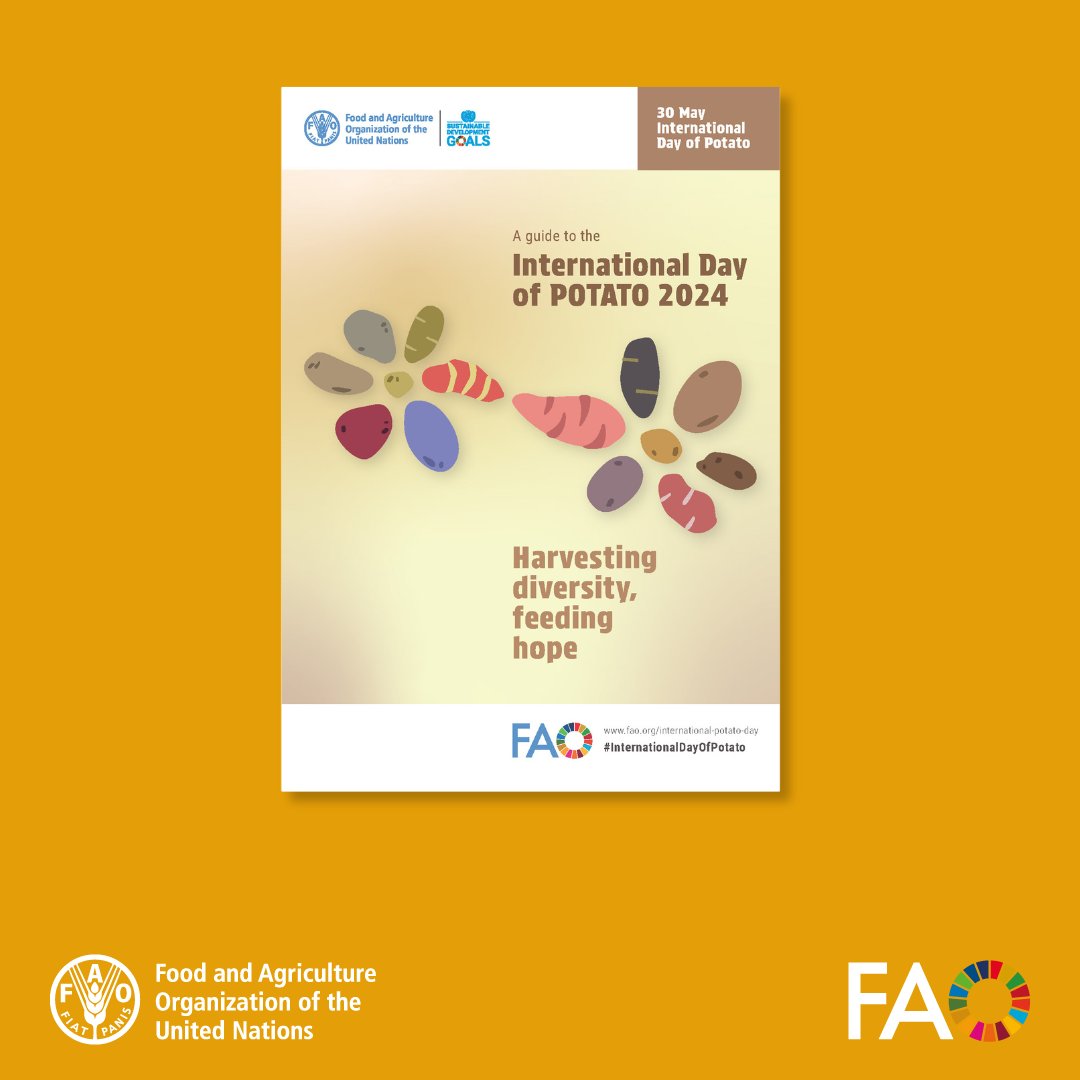
International Day of Potato is launched!
The Food and Agriculture Organization of the United Nations (FAO) will celebrate the potato with the first-ever International Day of Potato on 30 May 2024. The theme for 2024 is “Harvesting diversity, feeding hope”. Click to learn more and get involved!
#InternationalDayOfPotato
.png?sfvrsn=ecf2dbf8_2)
CAMPAIGN
International Year of Camelids 2024
The United Nations declared 2024 the International Year of Camelids (IYC 2024). The Year will highlight how camelids are key to the livelihoods of millions of households across over 90 countries.
-initiative.jpeg?sfvrsn=21e855d8_1)
FLAGSHIP INITIATIVE
The Hand-in-Hand (HiH) Initiative
An evidence-based, country-owned and led initiative to accelerate agrifood systems transformations.
What are agrifood systems?
17/01/2022
VIDEO Farming, harvesting, fishing, livestock-rearing, storing, processing, transporting, selling, buying, eating… and disposing of our food are all part of these complex systems.
Play video
FAO Globally Important Agricultural Heritage Systems (GIAHS)
27/10/2022
VIDEO How can we conserve the traditional systems for the sustainable use of biodiversity and natural resources?
Play videoIn Depth
Current Vacancies:
Contact
1 United Nations Plaza, DC1-1125 New York, NY 10017, USA
[email protected]
Tel: +1 (212) 963 6036