FAO Water Information Resources
pixel
pixel
Photo Gallery : Water in Afghanistan
pixel

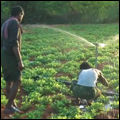
© FAO WaterThis photo gallery shows how FAO irrigation activities have rehabilitated more than 400 000 hectar of agriculture lands in Afghanistan. With the Emergency Irrigation Rehabilitation Project (EIRP) farmers and their families will benefit from improved, reliable and equitably distributed irrigation water which will lead to increased agricultural productivity, better income, improved food security and reduce the vulnerability of farmers to droughts.

frecciaLaunch Gallery - flash required
freccia View More FAO Water Multimedia
pixel
Comprehensive assessment : CA Executive Summary now in Spanish
pixel

© FAO WaterThe CA report aims at guiding investment and management decisions in the near future considering their impact over the next 50 years in order to enhance food and environmental security to support the achievement of the MDGs.

frecciaDownload the Executive Summary in Spanish
pixel
New Manual: Manuel des techniques d'irrigation sous pression
pixel

The "Handbook on pressurized irrigation techniques" is now available in French

frecciaDocument in PDF [French]
pixel
Launch of the FAO-IFAD Report : Water & the Rural Poor
pixel

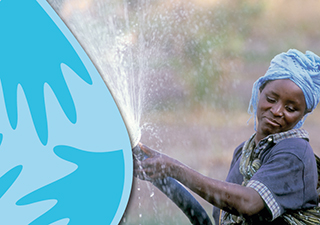
© Reuters|Akintunde AkinleyeFor millions of smallholder farmers, fishers and herders in sub-Saharan Africa (SSA), water is one of the most important production assets.

Water is key to enhancing rural people livelihoods, because insecure access to water for consumption and productive uses is a major constraint on poverty reduction in rural areas of sub-Saharan Africa. FAO and IFAD are working together to explore ways to better the livelihoods of many, through targeted interventions.

frecciaRead more about the study
frecciaAccess the report (PDF 4.8Mb)
pixel
Water Report: irrigation Management Transfer
© FAO/UN-Water

One of the most important reforms within the irrigation sub-sector has been irrigation management transfer (IMT). It is the process of devolvement of authority and responsibility from government agencies managing irrigation systems to farmers’ organizations and has been utilized as a tool for irrigation sector reform in more than 60 countries. FAO, IWMI and others partners have made an effort to document and understand the implications of this reform process.

frecciaIrrigation Sector Reform pages
frecciaDocument in html
frecciaDownload PDF

Report: Water Monitoring: Mapping Existing Global Systems & Initiatives
© FAO/UN-Water

International coordination in monitoring the state of the world's water resources is needed, in order to guide future investments and efforts in achieving these goals. Crucial in this process is mobilizing the required financial resources of donors and lenders, by showing them that the impact of water-related initiatives in poor countries can be reliably assessed and that their impact on human development and environment sustainability is notable.

View Report (PDF)
freccia publications page

pixel
 
 
Working Paper: Remediation of Arsenic for Agriculture
Sustainability, Food Security and Health in Bangladesh
© FAO Water

Arsenic contamination in groundwater has been reported in more than 20 countries around the world and, in many, shallow groundwater is used for both irrigation and drinking purposes. The current FAO Working Paper examines remediation options with respect to food safety and yield implications and reports FAO’s successful development of water-soil-crop management practices in mitigating arsenic problem in agriculture.

View Working Paper (PDF)
freccia publications page


spotlight item
Click here To View the Graph
   
  © FAO 2008
FAOWater Development and Management Unit