

The National Plan of Fishery Development 1977–82 of Mexico gives considerable importance to aquaculture as a means of increasing fishery production, generation of rural employment and improvement of nutrition of the people. The Plan envisages a production of 662 000 t of fishery products by culture by the year 1982 (Annex 1), a nine-fold increase in five years. During discussions on UNDP/FAO aid for implementation of the National Plan, it was found necessary to review the Plan in detail with the assistance of a multidisciplinary team of specialists for the purpose of evaluating the experience so far gained in the country, and the potential for future development with due regard to the sites available, state of technology, manpower and markets. Based on the findings of the review, specific projects could be formulated for implementation within the framework of the National Plan, and then the extent and nature of external aid requirements could be determined. The Government of Mexico, UNDP and FAO accepted the review as an essential preparatory activity and necessary provision for it was made in the UNDP/FAO Integrated Fisheries Research and Development Project (MEX/77/002). It was decided to field a mission through, and with the assistance of, the UNDP/FAO Aquaculture Development and Coordination Programme (ADCP) (INT/76/016) to undertake the review.
The mission consisted of Dr. Y. C. Shang (economist), who acted as the mission leader, Dr. A. Figueras (mollusc culture specialist), Mr. Y. Pruginin (freshwater aquaculturist) and Mr. P. Padlan (brackishwater aquaculturist). Mr. M. N. Mistakidis, Deputy Programme Leader of ADCP, participated in the planning of the mission's work, including the briefing of mission members and in the discussions of the mission's findings with the Government and the preparation of the mission's report. The following counterpart personnel were assigned to work with the mission members:
| Dr. Y. C. Shang | - | Lic. Salvador Lizárrage |
| Dr. A. Figueras | - | Biol. Miguel Medina |
| - | Biol. Gustavo Hernández | |
| - | Biol. Oscar Arizpe | |
| Mr. Y. Pruginin | - | Biol. Concepción Vázquez |
| Mr. P. Padlan | - | Biol. Miguel Medina |
| - | Biol. Myrna Wong | |
| - | Biol. Margarita Gallegos |
The mission's itinerary is given in Annexes 2–5.
The mission members wish to express their gratitude to the many official and industry personnel who contributed to its work in different ways. Special thanks are due to the following, who gave continuous support to the mission during its stay in the country:
Mr. J. Labbens, Resident Representative of UNDP
Mr. G. H. Behrendt, FAO Representative in Mexico
Lic. Fernando Rafful, Chief of the Department of Fisheries
Lic. Alfonso Yañez, General Secretary of Fisheries Promotion
Ing. Rubén Urbina, General Secretary of Fisheries Resources
Dr. Amin Zarur, General Director of Aquaculture
Dra. Margarita Lizárraga, Advisor to the Chief of the Department of Fisheries
Lic. Roberto Reyes, Advisor to the General Secretary of Fisheries Promotion
The average annual increase in fish production for human consumption in Mexico was about 4 percent between 1967 and 1976 (Annex 6). The total fish production for human consumption in 1976 was about 282 000 t, valued at about Mex.$ 2 899 million,1 which accounts for less than 0.1 percent of the gross domestic product. The important constituents are sardines, shrimps, oysters and tunas, in that order, which account for about 59 percent of the total production in volume and about 61 percent in value. The shrimp and oyster stocks are believed to be overfished, but production of these commercially important shellfish is expected to be increased through habitat improvement and culture. The catches of tuna are mainly exported.
1 U.S.$ 1.00 = approx. Mex $ 22.50 (pesos)
Fish production and marketing in Mexico are carried out by fishermen's cooperatives, concessionaires (permisionarios) and a government-owned company. There are about 455 cooperatives with about 42 360 members and about 1 448 concessionaires.
Fishermen's cooperatives can be classified into three categories: offshore (marine), inshore (coastal marine and brackishwater) and inland (freshwater). The main activity of some of the cooperatives is fishing, while others combine agriculture and fishing. The existing fisheries legislation gives exclusive rights of exploitation to offshore and inshore cooperatives for eight major species, or groups of species: lobster, abalone, oyster, shrimp, pismo clam, corbina, totoaba and marine turtles. The concessionaires are allowed to catch the rest of the species. The exclusive rights granted to the cooperatives have restricted private investment in these fisheries. The main function of the cooperatives is production; cooperatives pay their members for catches obtained, which are then sold to dealers. Among the cooperatives visited, only a few possess their own ice plants and/or cold storages. The quality of fish available in the market appeared to be generally poor. There is an impression that in many cases the producers are not adequately paid for their products, while the wholesalers and brokers receive more than their share of profits.
A government-owned company, “Productos Pesqueros Mexicanos”, is engaged in fishing, processing and marketing of fishery products. The company owns about 33 distribution centres, eight freezing plants with a total capacity of about 6 000 t and 55 restaurants all over the country. In 1975, the company employed over 6 000 workers and marketed fishery products valued at about Mex.$ 3 000 million.
The existing credit institutions providing agricultural and fishery loans are mainly the National Cooperative Banks and the National Rural Banks. National Cooperative Banks grant long-term loans only to cooperatives at an annual interest rate of 16 percent, while the National Rural Banks give loans to individual farmers and fishermen at an interest rate ranging from 7 6 to 9 percent, depending on the income level of the borrower; the lower the income level, the lower the interest. The repayment period is 15 years with a three-year 'grace' period. The National Rural Bank has branches in most cities and in many small towns. Loans are also available to fishermen and fish farmers from private banks and fish traders.
Mexico has one of the highest rates of population growth - for the past 15 years increasing annually at the rate of 3.4 percent. Should this rate of growth continue, the present population of 65 million would be doubled by the year 2000. The present domestic food production is not sufficient to meet the increasing demand, and there is need for the country to import even the staple foodstuff - corn.
The estimated per caput consumption of fish in Mexico is about 3.7 kg, which is very low when compared to that in other Latin American countries, e.g. 18 kg in Guayana, 17 kg in Chile, 12 kg in Cuba and Peru, and 8 kg in Ecuador. Fish accounted for only 6.9 percent of the total animal protein consumption in Mexico in 1974. Fishery products are not well accepted everywhere in the country. People living in coastal areas consume more fish than those in inland areas. Only a few species are well accepted by consumers in the major cities. A market study1 indicates that:
1 Market Analysis office, Department of Fisheries, Mexico
Fish consumption increases as personal income increases, accounting for about 5 percent of the total family expenditures on animal food products for families with monthly incomes up to Mex.$ 3 000 and about 8 percent for families with a monthly income of over Mex.$ 18 000.
The majority of fish and shellfish often reach consumers in a bad state of preservation, seriously hampering growth in demand.
In order to meet the increased demand due to growth in population and income, and to meet the nutritional deficiency, fish production has to be increased at a much faster rate. Aquaculture can play an important role, not only in increasing fish production, but also in creating employment and earning foreign exchange, thus improving the standard of nutrition and living conditions of the rural poor.
Aquaculture development has received increasing prominence in Mexico during the last two decades. It may be of interest to note that two fish culture stations were established as early as 1884; the first in Chimaleapan, Mexico and the second in La Condesa Federal District. From that year onwards and until 1974, 36 additional fish culture stations or units were created, but ten have been closed down since then.
Two distinct stages can be recognized in Mexico's aquaculture development: the 1884–1930 period, when the first initiatives were taken to urge the public institutions to Invest in aquaculture, and 1930 to the present, when aquaculture was accepted as a development activity in governmental circles.
During a span of more than 90 years, a great number of governmental organizations (i.e. Ministry of Development, Ministry of Agriculture and Development, Ministry of Navy, General Directorate of Fisheries and Allied Industries, Ministry of Hydraulic Resources (Coastal lagoons engineering), Ministry of Industry and Commerce (fisheries), Ministry of Public Education (training) and banks (Banco Nacional de Fomento Ejidal - investment in ponds, small dams and fish culture stations)) have been involved in some manner in the promotion of aquaculture, but each taking a different, and often un-coordinated, line of action. At the same time, the cooperative system was evolved, mainly for promoting and implementing oyster cultivation, and habitat improvement in coastal lagoons, particularly for shrimp, and secondarily for fin-fish. Quite recently, the private sector has also taken a great interest in participating in projects for fish culture development, e.g. catfish, trout and freshwater prawn farming.
In order to develop a national line of action, the present Government has integrated the different governmental departments dealing with aquaculture and created the Directorate General of Aquaculture in the Department of Fisheries. This governmental agency is responsible for all activities related to aquaculture research and development programmes in fresh, brackish and marine waters.
The major goals of the development plan formulated by the Directorate General of Aquaculture are:
Increase of fisheries production, through aquaculture, for the purpose of (i) producing food; (ii) generating employment and income; and (iii) improvement of the standard of living of rural populations.
To create and consolidate the required infrastructure for aquaculture development.
Aquaculture in Mexico can be generally classified into three categories: (a) marine and brackishwater culture of oysters, abalone, clams and mussels; (b) brackishwater culture of shrimps and fin-fish, such as mullet and milkfish in coastal lagoons; and (c) freshwater culture of tilapia, catfish, prawns, trout, etc. The status and development programmes for these three types of culture are reviewed in the following sections.
Oyster cultivation has been practised in Mexico for many years, particularly on the east coast of the country where extensive natural banks of oyster occur in several coastal lagoons. Mexico is the leading oyster producing country in Latin America, with an average annual production of about 27 500 t over the past ten years. The main oyster producing states are Campeche, Tabasco, Veracruz, Tamaulipas (Atlantic coast); Guerrero, Nayarit, Sinaloa and Baja California (Pacific coast).
The principal species cultivated are Crassostrea virginica on the Atlantic coast, and Ostrea corteziensis on the Pacific coast. In addition to the Pacific oyster (C. gigas), which has been recently introduced for experimental purposes in Baja California, there are other oyster species of minor importance, viz. C. irridescens, C. rhizophorae and O. megodon.
The culture systems adopted vary from state to state, but generally they can be classified into four categories: (a) establishment of banks or beds with stones or shells, over which seed on collars or rings are planted; (b) suspension of seed collectors, collars or rings from racks supported on concrete, wooden, or bamboo posts for growth; (c) suspension of seed collectors from rafts for larval settling and growth; and (d) attachment of baskets containing shell or oyster seed to longlines in shallow waters with strong currents. In some states the first two systems are combined.
The units of production vary from state to state and according to the culture system adopted. For example in Tabasco, where seed collectors are suspended from racks over natural banks, a unit covers an area of about l ha. Similar culture systems are practised in the states of Veracruz and Tamaulipas. In Nayarit, seed collectors are initially placed on racks measuring 30 × 3 m and, at a later stage, are suspended from rafts of 9.8 × 8.4 m (82.3 m2). In Sinaloa, seed collectors are suspended from racks, while in both south and north Baja California, collectors with seed of C. gigas are hung from wooden rafts with styrofoam floats.
All the projects are either on a commercial scale or in the planning stage. Provision has been made for the construction of three hatcheries; one in San Blas (Nayarit), one in San Quintin, and the third in San Buto (southern Baja California), to produce oyster seed required for the proposed projects. These are now in various stages of construction.
In view of the integrated system practised in some states, where seed collectors are fixed or suspended over natural oyster beds or grounds, it was found difficult to estimate the overall area under cultivation. It should be mentioned also that seed collectors are often placed in positions or sites where larval settlement is optimum, and later transferred to other areas for growing. There is no doubt, however, that most of the production in the country at present originates from the cultivation of natural beds.
The major oyster production, if not all, is derived from coastal lagoons distributed along the Gulf of Mexico, with four states being the leading producers: Veracruz (12 500 t), Tabasco (8 100 t), Campeche (7 000 t) and Tamaulipas (3 400 t), or 31 000 t out of a total production of 31 600 t in 1977. As the annual production per ha has been estimated to be, prior to the introduction of advanced culture methods, 20–30 t in Veracruz, 20 t in Tabasco, and 30–35 t in Tamaulipas, one can have a general idea of the area under cultivation.
Under the existing legislation, oyster extraction and cultivation can be practised only by cooperative societies, which can sell the product to state companies or licensed concessionaires.
The impression has been obtained that there are no major problems in obtaining necessary labour or adequately trained personnel to expand oyster culture activities. The mission was informed that there is close cooperation between the universities, special state technical schools, secondary fisheries technical schools and aquaculture centres in the promotion of oyster culture programmes. It became apparent, however, that some oyster production cooperatives direct their attention to other fishery activities, which fetch higher income (e.g. shrimp fishing). In addition, their financial situation does not allow investment in new technological improvements, or to cover costs for maintaining the channels for communication of the lagoons with the sea.
The price for oyster with shell, on the beach, paid to producers on the Atlantic coast varies generally between Mex.$ 3.5 and 5.0/kg and occasionally reaches Mex. $ 8.0/kg according to seasonal demand. On the Pacific coast (Nayarit) prices are almost double; Mex. $ 15.0/kg for oyster with shell and Mex.$ 80.0/kg for oyster meat only. Expansion of oyster production has been adversely affected by the fact that most of the present production is derived from the eastern coastal states where the prices are rather low.
Other factors which may have limited higher production (oyster production has been static, on the whole, over the last ten years) are the lack of depuration stations and chilled storage facilities near production centres. Although some smoked oysters are sold locally, the majority are sold raw (with or without shell) either locally or to major markets in the interior of the country.
Due to the lack of strict sanitary regulations the quality of oysters sold at some distance from production localities, does not appear to be very good.
The oyster farming programme, proposed by the Directorate General of Aquaculture, envisages a production of 210 000 t by 1982 (Annex 7), approximately a seven-fold increase from the 1977 production (31 600 t). The Department of Fisheries considers this feasible on the basis of results achieved in some states (Tabasco and Veracruz), or in specific lagoons (Laguna de Tamiahua, Veracruz and Ensenada de Pabellon, Sinaloa), through the application of improved culture systems.
Market studies carried out in Mexico by the Department of Fisheries indicate that the national demand for oysters by 1982 will be about 120 000 t. This estimate is based on the projected population by 1982 and the per caput consumption of oyster in 1970 - the peak year of production. The remaining production of 100 000 t is expected to be for export. While such targets might appear technically feasible, their attainment will require effective and sustained support through appropriate infrastructure, training of personnel, and management, which will take considerable time to organize. There are also many restrictions, particularly relating to quality, affecting export markets.
The national oyster farming plan contains eight specific projects for implementation in particular zones of states, either on the Pacific coast (Baja California, Sonora, Sinaloa, Nayarit) or in the Gulf of Mexico (Campeche, Tabasco, Veracruz, Tamaulipas). They describe in some detail the bio-technical characteristics of the sites, methodology and culture systems to be applied, socio-economic aspects, demand and supply, production costs, economic evaluation, financing, organization and investment. The required financing to support the contemplated projects in 1978 is about Mex.$ 51 million.
According to the plan, the highest expected increases will be derived principally from culture systems, and secondly from semi-culture techniques; oyster production through extraction from natural banks will remain static (Annex 7). It will be noted that the highest expected overall annual increase will be in 1979, gradually decreasing in the following years. During the first years of the development programme, the major production will be from traditional sites in the states bordering the Gulf of Mexico, but gradually other states along the Pacific coast are expected to increase their share in the national production, as set out below:
| Year | Expected national production (tons) | Expected production from Gulf of Mexico states1 (tons) | % | Expected production from Pacific Coast states2 (tons) | % |
| 1978 | 45 810 | 42 000 | 91.7 | 3 810 | 8.3 |
| 1979 | 74 046 | 61 700 | 83.3 | 12 346 | 16.7 |
| 1980 | 107 353 | 84 460 | 78.7 | 22 753 | 21.2 |
| 1981 | 150 336 | 109 600 | 72.9 | 40 736 | 27.1 |
| 1982 | 209 780 | 141 200 | 67.3 | 68 580 | 32.7 |
1 Tamaulipas, Veracruz, Tabasco, Campeche
2 Nayarit, Sinaloa, Sonora, Baja California, and other states
Observations in the most important oyster producing areas indicate considerable potential for expansion. The states which possess more suitable areas and suitable conditions to allow a major expansion in oyster culture are Tabasco and Veracruz. The coastal lagoons in Tabasco (17 375 ha) and in Veracruz (87 000 ha) offer the best possibilities for development. Although the Laguna Madre in Tamaulipas, covers an area of 200 000 ha, the climatological conditions do not appear very favourable (long periods of low precipitation). Nayarit also offers good possibilities for expansion, if the problems concerning availability of labour and marketing of the product could be solved.
Preliminary results obtained from certain areas during the early part of 1978, where improved culture methods have been tried, indicate that production can, in fact, be increased markedly. In view, however, of the considerable resources required - as indicated earlier on p.5 - the mission felt that the target of 210 000 t set by the Directorate General of Aquaculture is too optimistic and such a production could not be attained during a span of five years.
A more realistic approach would be to assume a 5 percent annual increase derived from natural oyster banks, a 20 percent annual increase resulting from semi-cultivation methods, and a 35 or 40 percent increase from purely culture methods. In that case, the following levels of production would appear feasible, and by 1982 the increase would be approximately two-fold instead of seven-fold.
Expected production in 1978 (in tons):
| a. | Natural oyster beds | 17 850 |
| b. | Semi-cultivation methods | 18 100 |
| c. | Culture | 1 900 |
| Total | 37 850 |
Projected production from 1979–82:
| 1979 | 1980 | 1981 | 1982 | ||
| a. | at 5% increase from natural oyster beds | 18 740 | 19 680 | 20 660 | 21 690 |
| b. | at 20% increase from semi-cultivation method | 21 720 | 26 060 | 31 270 | 37 520 |
| c. | at 40% increase from purely culture method | 2 660 | 3 720 | 5 210 | 7 290 |
| Total | 43 120 | 49 460 | 57 140 | 66 500 |
Costs and returns of oyster culture vary with the culture system employed. Three major culture systems are proposed by the Department of Fisheries for development:
seed settling on racks and growing on rafts;
seed settling on racks and growing on the bottom; and
seed settling on racks and growing both on racks and on the bottom.
The estimated fixed and operating costs per unit of operation in three states (Nayarit, Veracruz and Tabasco) are given in Annexes 8A–8C. The unit cost of production of oyster (with shell) is estimated to be about Mex.$ 3.90/kg with an annual rate of return on investment of about 46 percent for the first type of culture, compared with about Mex.$ 1.96/kg and 326 percent for the second type, and about Mex.$ 1.32/kg and 199 percent for the third.
Demand and price are very important factors to be considered for commercial aquaculture development. There should be a potential market for the increased production, and the market price should be high enough to cover the cost of production and also provide a reasonable profit. No detailed market survey for oyster has been conducted in Mexico and the mission could not organize one for want of time.
The annual production of oyster reached its peak in 1970, declined since then, but recovered in 1976 and 1977 (see Annex 6, and p.5, 4.1.2). However, there was no significant decrease in price in 1970, the year of peak production, and prices have increased since then (Annex 9). This indicates that the domestic market might be able to absorb a higher level of production.
On the basis of annual data covering the period 1968–77 (Annex 9), the following preliminary demand function of oyster has been estimated by the mission:
Q = -7.5 - 1.72 P + 0.78 I
| Where | Q = per caput apparent consumption in kg |
| P = deflated average price/kg | |
| I = deflated per caput income in Mex.$ 1 000 |
The estimated price elasticity of demand is -3.15, which means a one percent change in real price will result in a 3.15 percent change in quantity demand in the opposite direction. In other words, demand is quite responsive to price changes and the increase in supply can be absorbed by the market at a relatively small decline in price. The estimated income elasticity of demand is about 12.33, which means that when real per caput income increases one percent, the demand for oyster increases about 12.33 percent. Both the price and income elasticities indicate that there is a potential market for oyster.
Mussel culture, a new system of aquaculture in Mexico, has been proposed as a means of increasing shellfish production. Attempts have been made recently to obtain basic information on growth rates, mortalities, etc. through floating rafts of small dimensions (most of them not larger than 10 m2, while three are of 48 m2), on which collected seed is placed on hanging polyester ropes. As the rafts are small and light, they move constantly due to wave action. The mussels are agitated and the feeding rate is reduced.
The natural resources of mussel are located on the Pacific coast of Baja California, from the extreme north of the state to the Bahía de Almejas. It has been reported to the mission that the California Cooperative Oceanic Fisheries Investigations (CalCOFI), has estimated the natural stocks to be about 250 000 tons, consisting of 70 percent Mytilus californianus and 30 percent M. edulis. It has also been estimated that the annual production of seed from these wild stocks is in the region of 25 000 to 37 500 t. Such a quantity of seed would be sufficient to partially meet the requirements for cultivation if collectors would be placed in accessible sites.
Wild populations of other allied genera, viz. Brachiodontes, Modiolus and Mytella are found in the Gulf of California, but no estimates have been made of the magnitude of existing stocks.
The number of experimental rafts used at present is 11; the majority (eight) distributed in various localities along the Pacific and the southeast coasts of Baja California, and three at Topolobampo, Sinaloa.
It is felt that prior to planning mussel culture on a large scale, it is necessary to evaluate the data obtained, not only from pilot-scale raft operations, but also from other systems, so that a comparison between them can be made.
The following systems are proposed:
tubular nets of various dimensions according to seed size, instead of smooth ropes, hung from rafts;
tubular nets, in horizontal or vertical position, placed on protected shores of bays, attached to racks;
longlines supported by well-marked floats or posts; and
well prepared beds on the sea bottom.
The mission recommends that trials be made with semi-submerged rafts, sufficiently ballasted (the ballast can be diminished as the weight of the mussels increases) to avoid the constant movement of rafts in semi-exposed areas.
The main factors that have contributed to the development of mussel cultivation in other countries are (i) application of the most appropriate culture systems according to the prevailing conditions in the areas available; (ii) financial support, and (iii) appropriate legislation enabling the establishment of small or medium-sized companies.
While apparently there is a sufficient number of well-trained technicians to assist in the development of mussel cultivation in Baja California, it is understood that there is a scarcity of entrepreneurs and of manual labour. This may be a major constraint to development of mussel farming in the area.
Another important limiting factor is the difficulty in obtaining seed growing on rocks, which cannot be reached easily either from land due to lack of roads, or from the sea, due to their exposed position seawards. It may, therefore, become necessary to restrict seed collection to the few suitable sites or resort to hatchery production.
The mission found it difficult to make any projections of production pending the completion of experimental and pilot-scale operations. The necessary experiments should be undertaken as soon as possible and based on the results obtained, further activities should be planned.
The quantity of mussels extracted from natural grounds, mainly from the bays of Baja California, reached about 430 t in 1977. Most of the production is sold on the domestic market in pickled form, while a small proportion is smoked. Restaurants and bars are believed to be the main potential buyers of mussels. Promotional programmes are necessary to increase domestic consumption. The possibility of export to European countries is limited due to the long distances and high freight, besides competition with Spanish products.
Another marine bivalve mollusc which has attracted the attention of Mexican biologists for its possible culture is the scallop Aequipecten (Plagioctenium) circularis, which, for some unknown reasons, has been referred to in the official statistics as a clam (“almeja catarina”). As there are several species of clams commercially exploited along the Pacific coast of Mexico (apparently more than 15 species, including two pectinids, are grouped under the general term of “almeja de mar”) and the break-down of landings according to species is not available, it is difficult to assess the importance of A. circularis. Unpublished reports, however, indicate that the majority of clams landed on the west coast of Mexico are from Baja California, with more than 60 percent of the landings from the northern part of the peninsula.
A. circularis is widely distributed on both coasts of Baja California (its general geographic distribution ranges from California to Peru), and due to its migratory habits forms temporary beds in shallow and deep waters. Five years ago, more than 3 000 t were extracted from various localities in southern Baja California. Due to its high demand for local and export markets, heavy fishing occurred resulting in appreciable reduction of stocks and consequently of landings.
The 1977 scallop production in the Bay of La Paz, derived from an area of 250 ha, solely by extraction, amounted to about 490 t (total weight). The average price obtained was Mex.$ 45/kg on the beach and Mex.$ 75/kg to consumer.
To offset the marked decrease in landings, studies and trials were initiated three years ago for the culture of this species in the Bay of La Paz. The culture system applied is not unlike that developed in Japan. Plastic mesh trays or baskets of 60 x 60 x 6 cm (2.16 m3) are stacked in groups of five and suspended either from rafts or longlines, the spacing between them being 1.5 m in rafts and 3 m on longlines and 8 m are used between each longline. The trays are both for spat collection and growing, although the principal method for spat collection is with plastic net bags of 80 x 80 cm, filled with branches of a shrub locally named “chivato”. If trays are used as collectors, they are filled with a layer of shells. Other types of seed collectors are also used, and trials are continuing aimed at selecting the most appropriate type of collector.
For growing and fattening, scallop spat or seed is placed in plastic trays at a density of about 2 000 per tray. Every two months the density is reduced until approximately 200 are left. After a period of 8–10 months, scallops attain lengths of 5–6 cm, which is the accepted commercial size. It has been found that each tray yields about 2 kg of scallop meat (abductor mussel plus flesh). The total number of trays installed by the Aquaculture Centre of La Paz by June 1978 was 300, each containing about 300 A. circularis.
It has been calculated by technical personnel of the General Directorate of Aquaculture that a production of 20 t of scallop meat can be obtained, after an average period of 8 months from 23 scallop parcs, each parc, 60 m long and 25 m wide (1 500 m2), accommodating 430 trays in suspension, and yielding an average harvest of about 860 kg of meat. These 23 parcs will cover an area of 3.5 ha.
According to information provided, the total area which could be utilized for scallop culture in the Bay of La Paz is about 2 000 ha. Other suitable areas have also been identified in Baja California.
If the yield of 20 t of meat from an area of 3.5 ha projected in the Government plans is feasible, the expected production from the 2 000-ha area would be in the order of 11 428 t of scallop meat. Even if only half of this area were to be utilized, the number of trays required would be 282 570 (i.e. 3.5 ha require 9 890 trays), excluding other necessary material for the construction of rafts, longlines, spat collectors, servicing boats etc.
According to the Directorate of Aquaculture, the investment required for the pilot project, i.e. establishment of 23 scallop parcs in the Bay of La Paz, would amount to Mex.$ 2 882 000 (U.S.$ 128 000), including operating costs for the year 1978. If this figure is considered realistic and can be taken as a basis for extrapolation, the investment for a ten-fold expansion of scallop culture would be in the order of Mex.$ 28.9 million (U.S.$ 1.3 million).
There is every likelihood that the increased production of scallops would be absorbed by the home market because of the existing high demand. However, the mission found it impossible to estimate the projected production by 1982 before the results of the proposed pilot projects are known. It is hoped that the funding necessary for the pilot projects will become available.
The brackish waters of Mexico are estimated to cover about 1 600 000 ha. These include lagoons, estuaries, tidal flats and swamps connected directly or indirectly to the Gulf of Mexico on the east coast, and the Gulf of California and the Pacific Ocean on the west coast.
The principal groups supporting the fishery from such coastal waters are fish, shrimps and oysters. Important fish species include lisa (Mugilidae), mojarra (Gerreidae), pargo (Lutjanidae), jurel (Carangidae), bagre (Ariidae), corvina (Sciaenidae), robalo (Centropomidae), etc. Shrimps include Penaeus aztecus and P. setiferus on the Gulf of Mexico coast and P. vannanei, P. stylirostris and P. californiensis on the Pacific Coast. The main oyster species on the east coast is Crassostrea virginica and on the west coast, Ostrea corteziensis. Of the 282 360 t of fish and shellfish caught and used for human consumption in 1976, about 45 000 t or 15.9 percent, came from the brackishwater areas.
To increase production in coastal lagoons, the Ministry of Hydraulic Resources has been implementing a programme of engineering works to maintain and increase communications with the sea. Artificial canals have been constructed and sand bars opened (using dredges and bulldozers) to create direct access to the sea and to improve existing channels.
Catch increases of over 40 percent are reported to have occurred as a result of such habitat improvement. The projects completed in Laguna del Caimanero and Marisma Huizache, Sinaloa; Laguna Agua Brava, Nayarit; Laguna La Joya, Chiapas; and Laguna Tampamachoco, Veracruz were visited by the mission. Studies on feasibility of engineering works in many other lagoons are now being undertaken.
The Department of Fisheries of Mexico is of the view that production could be increased further by better management of the lagoons, including regulated fishing and introduction of more efficient fishing gear. In order to formulate and implement a system of fishing and lagoon management for optimum exploitation, the office of the Sistemas de Referencia has been created. It will study the environmental and biological parameters in the lagoons, as well as the socio-economic conditions of the fishermen and other people living along the lagoons.
With a view to accelerating production in the lagoons through aquaculture, the Department of Fisheries plans to undertake studies in the farming of mullet (Mugil cephalus, M. curema); crabs (Callinectes sapidus, Menippe mercenaria); shrimp (P. vannamei, P. stylirostris, P. setiferus); mojarra (Cichlasoma urophtahalmus, Diapterus spp.); milkfish (Chanos chanos); robalo (Centropomus spp.) and pompano (Trachinotus falcatus, T. carolinus), using pens, floating cages, earthen ponds and natural coves. There are reports of successful shrimp production through the stocking of a blocked portion of an estuary in Baja California Experiments are also being undertaken in Sonora on intensive shrimp culture in raceways by the University of Sonora, in collaboration with the University of Arizona (U.S.A.) and the Department of Fisheries.
According to information available, postlarvae of P. stylirostris have been observed in Sinaloa between March and September, while those of P. vannamei occur between May and September, with peaks during June and July. In Chiapas, P. vannamei postlarvae arrive in three waves - March to April, August to September, and November to December. M. cephalus juveniles begin to appear in April. Milkfish are occasionally caught in Marisma Sabalo, Sinaloa and commercially in Mar Muerto Lagoon, Oaxaca and Chiapas. They are reportedly also found in Laguna San Ignacio, Bahia Magdalena and Bahia Concepcion on the west coast of Baja California, but there has been no assessment of the abundance and distribution of milkfish fry in the vicinity of the areas where they occur. Juvenile milkfish, however, are caught in mar Muerto Lagoon and in small trapped bodies of water in the adjoining marshes.
Due to the high market demand for pompano (Mex. $ 90–100/kg), there is a great interest in its farming but the essential basic biological information necessary for its culture in Mexico is lacking.
Generally, fish farming in brackish water is still in its experimental phase in the country. Although the Department of Fisheries has identified culture systems for trials, based mainly on the knowledge of the biology of the species or farming systems in other countries, some time will elapse before the stage of pilot-scale operations is reached. In spite of the various apparent constraints, Mexico has good prospects for brackishwater aquaculture development because of the availability of feeds and fertilizers (Annexes 10–11).
Many feedstuffs, such as rice, corn, sorghum, wheat, soybean, safflower, sunflower and coconuts, are produced in the country. The bean of mezquite (Prosopis spp), which grows wild all over the country, is rich in starch and glucose, with appreciable amounts of protein, fats, and mineral salts. Mexico also produces fishmeal from anchovies.
ALBAMEX, a partly government owned feed manufacturing company makes animal feeds and has large factories in Mexico City, Texcoco, Yucatán, Sonora and Querétaro and small plants in many other areas to serve the needs of the small-scale husbandryman. As a special service it prepares specific formulas required for fish culture experiments. Currently, it is manufacturing feeds for catfish, carp, tilapia, trout and turtles for testing in the various hatcheries and experimental farms of the Fisheries Department.
Organic fertilizers appear to be abundant in Mexico. In the extensive cattle ranches and poultry farms, manure is just discarded as Mexican farmers prefer inorganic fertilizers for their crops.
PERTIMEX, a government owned fertilizer manufacturing company produces, and sells urea at Mex.$ 2 626 (U.S.$ 116) per t, ammonium sulphate at Mex.$ 1 362 (U.S.$ 60), triple superphosphate with 45% P2O5 at Mex.$ 3 066 (U.S.$ 135) and chlorate of potassium (60% K2O) at Mex.$ 1 733 (U.S.$ 76) as well as other mixed fertilizers.
The main constraint in pond farming, for example, is the high cost of pond construction. According to estimates by the engineers of the Department of Fisheries, the mechanical removal of 1 m3 of soil would cost Mex.$ 67.50, which appears excessive. Possibly a fully-equipped governmental engineering service, capable of undertaking surveys and required construction at cost, would be one solution to the problem faced. There are also private companies which might be contracted or which can hire out equipment to interested parties.
Another important problem which will arise with shrimp farming development is the conflict between cooperatives and the private sector, as the former have exclusive rights of exploitation and marketing of the species captured in coastal lagoons. It would, therefore, be necessary to find feasible alternatives prior to the private sector becoming seriously interested in investment in shrimp farming activities.
Another constraint to brackishwater aquaculture development is the narrow tidal range along the entire coastline of the country. The mean tidal range on the east coast, from Matamoros (south of the border with the U.S.A.) to Quintana Roo, Caribbean Sea, is between 0.18 and 0.51 m. On the west coast, except for Baja California, the mean tidal range between Sinaloa and Oaxaca is from 0.38 to 1.09 m. Except for a few areas, tidal energy will not be sufficient to fill or completely drain deep ponds. The problem is much more serious in lagoons, where water level fluctuations are greatly affected by several factors: area of the lagoon, width and depth of the opening, winds and distance from the mouth. For example, in the area identified by the mission in Oaxaca for experimental shrimp and milkfish ponds, the water level fluctuation is only 15 cm. As the site is at the far side of Laguna Superior, about 30 km from the lagoon, pumping will be necessary to fill these ponds.
The Department of Fisheries of Mexico has attached considerable importance to habitat improvement, encouraged by the positive results so far obtained. Laguna Caimanera, Marisma Huizache, and Marisma Las Cabras (total area - 23 000 ha) in Sinaloa, for example, produced a record catch of 1 837 t of shrimps in 1977, or an average of 80 kg/ha. On the other hand, the nearby Marisma Ancha, Marisma Cañales and Marisma Sabalo (total area - 7 200 ha), where no improvements were made, produced only 334 t, or an average of 46.4 kg/ha. Similarly, Laguna Madre, in Tamaulipas, averaged only 20.9 kg of shrimp/ha. Habitat improvement has, therefore, become a major activity of the Department at present and about 60 development projects of this nature are under execution or study.
Natural productivity of the lagoons, however, is not unlimited and, as any plans for increasing their yield through culture technology still to be developed will take some time, further increases resulting from current and planned experiments cannot be expected immediately.
The mission found some sites suitable for brackishwater aquaculture which could contribute substantially to increased production in the future.
The flat portions along the northern bank of Rio Soto la Marina, near La Pesca, Tamaulipas, and the dry southern end of Laguna Madre, beginning from La Pesca, may be converted into shrimp ponds. Pumping will have to be resorted to for filling and draining the ponds and so electricity and fuel will have to be subsidized for farming purposes, at least in the initial stages of the venture. The low-lying areas along the margins of Bahía Altata, Culiacán, Sinaloa, also appear to be suitable for similar development.
In Oaxaca, mullet culture in deep freshwater ponds may yield more than culture in pens, which is currently being undertaken experimentally at the far end of Laguna Superior, at the mouth of Arroyo Estancado. Earthen ponds could be built along the sides of the same estuary upstream, just below the railroad tracks and the low dam, and filled by pumping with either fresh water from the dam site or brackish water from below. As Arroyo Estancado serves as the main drainage of irrigation waters from the agricultural areas located above, the waters should be tested for pesticide residues and herbicides before any freshwater fish culture is attempted.
The vast estuarine' areas (marismas) of Oaxaca, along the road to Aguachil, have also good potential for shrimp and milkfish pond culture, if the ponds could be supplied with good clear sea water through artificial channels. Here, too, pumping will have to be employed. Due to the shortage of time, the mission was not able to visit other sites, especially those in the vicinity of Laguna Oriental and Laguna Occidental. It would appear that the marshes there may also be suitable for pond fish culture.
Perhaps the area with the greatest potential is the swamp of Nayarit (Lat. 21°35'–22°15' N), located between the towns of San Blas and Teacapán. The lagoon system covers about 92 400 ha. The mangrove areas which lie between Laguna de Agua Brava and Laguna Grande de Mexcaltitan on the one hand and the Pacific Ocean on the other, estimated to cover about 20 000 ha, seem to have great possibilities for aquaculture development. The alternate series of long and narrow strips of mangroves and water bodies occurring in this area offer ideal conditions for conversion into deep ponds. Soil could be taken from the elevated areas covered by mangroves and used for dikes and for filling low portions. The resulting deep ponds could be filled or drained by tidal energy alone. The ponds, however, should have direct connexion to the sea and for this purpose, artificial channels should be constructed. A thorough survey of the swamps should be conducted to determine the extent to which deep- and shallow-water fish culture is possible.
To accelerate aquaculture development in the area, the mission recommends that a pilot-project be established to undertake shrimp pond farming and, if economically feasible, to also grow mullet and milkfish. A site about 1.5 km north of San Blas, on the east bank of the Río El Pozo, appears to be suitable (Fig. 1). It is suggested that a 25-ha area be developed initially with sufficient land set aside for expansion to 100 ha at a later date. This project will serve as a nucleus for development of other areas and a training ground for technicians and farmers.
The area has sandy clay loam soil and secondary growths of Rhizophora sp., Avicenna sp. and Laguncularia sp. It lies about 0.9 to 1.1 m above the zero tide level and is in open communication with the sea throughout the whole year. The tidal range in the area is much wider than those in the lower latitudes (2.375 m between maximum high water and minimum low water of spring tides). Spring tides are generally lower from February to June, while higher from July to November. Spring high tides occur during the morning from November to March and in the evening from May to October. Tides are semidiurnal.
The weather in San Blas is dry from November to May, and wet from June to September, with an annual rainfall of 1 000 to 1 500 mm. Air temperature is 15°–20°C during winter, 25°–30°C in spring, up to 35°C in summer and 25°–30° in autumn. Winds are northeasterly from September to May and southeasterly from June to August.
San Blas is about 71 km from Tepic, capital of Nayarit, 298 km from Guadalajara and 797 km from Mexico City. A 38-km asphalt road connects it with the Mexico-Nogales highway. It has a small runway for light planes and a dock for small fishing boats.
The proposed layout (Fig. 2) includes 20 rectangular ponds of 1.0 ha each and a series of canals for supply and drainage. To be operational by 1980, the following timetable for construction is suggested:
| January 1979 | - | Clearing. Enclosure of the whole area with a small perimeter dike (by manual labour) |
| February to June | - | Construction and setting sluice gates in water canals |
| - | Completion of perimeter dikes | |
| - | Construction and completion of the water supply and drainage channels and secondary dikes | |
| - | Construction and installation of secondary wooden sluice gates | |
| - | Levelling of pond bottoms | |
| July to December | - | Conditioning of pond soils |
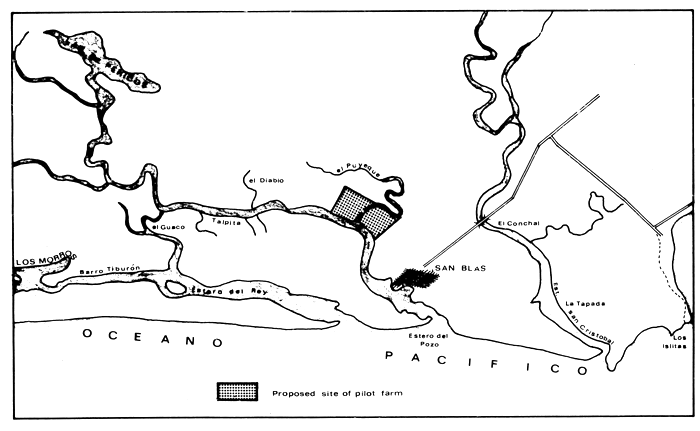
Fig. 1 Map of San Blas and vicinity showing proposed site of pilot shrimp farm
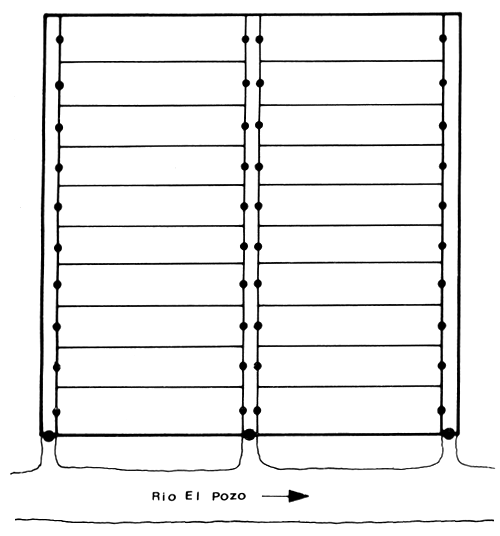 | SPECIFICATIONS OF DIKES: | |
| Main dikes: | ||
| Crown - 4 m | ||
| Height - 1.7 m | ||
| Slope on both sides 1:1.5 | ||
| Main canal dikes: | ||
| Crown - 3 m | ||
| Height - 1.7 m | ||
| Slope on both sides 1:1.5 | ||
| Drain canal dikes and partition dikes: | ||
| Crown - 2 m | ||
| Height - 1.5 m | ||
| Slope on both sides 1:1.5 | ||
Note: Heights reckoned from original level of ground (0.9 m above O tide level). | ||
Fig. 2 Layout of proposed pilot shrimp farm in San Blas, Nayarit
Scale: Approximately 1:4000
The work involves movement of about 66 000 m3 of soft soil. As it will be the first time that such a project is attempted in the country, it is essential that the work be supervised by qualified engineers and the staff members who will be assigned to the station when it is operational. It is suggested in this connexion that two hydraulic engineers be sent abroad for two months to study brackishwater pond construction in other countries. Simultaneously, two biologists with some experience in fin-fish culture should be sent abroad to study shrimp, mullet and milkfish culture. A study of shrimp farming activities in Ecuador would also be useful.
Expert services will be needed for at least two years to assist in the construction and operation of the pilot farm, assess the suitability of the swamps within the Nayarit area for fish culture and conduct seed surveys for stocking purposes.
Cost estimates for constructing and operating a 25-ha shrimp farm in San Blas, Nayarit show bright prospects for the industry (Annex 12). Fixed costs, including construction equipment and building for a normally operated farm (excluding office/laboratory dormitory, workshed, etc. for the experimental station), is estimated at Mex.$ 2 727 000. Annual operation cost is estimated at around Mex.$ 1 440 500 with a profit of about Mex.$ 1 319 500 or about Mex.$ 52 780/ha.
Freshwater fish culture in Mexico can be classified broadly into two categories: stocking of open waters, such as lakes, reservoirs and dams, and commercial farming in ponds or other impoundments.
Mexico, like many other countries in Central and South America, has paid considerable attention to improving or increasing the fish stocks in rivers, lakes and other inland waters through seeding or stocking operations. Although the first two freshwater fishculture stations were established in the 1880s (p.3), it was after the year 1930 that the number of such stations increased.
The total area of inland waters of Mexico, consisting of lakes, reservoirs and dams, is estimated at about 1 200 000 ha, of which 70.8 percent (850 000 ha) have been identified and evaluated as being of primary importance. Detailed production data from inland waters are lacking. According to one course FIDEFA (Fideicomiso para el Desarrollo da la Fauna Acuática - a governmental agency created in 1972), the annual average yield from inland waters ranges from 50 to 75 kg/ha, possibly due to the restocking programmes supported by the various governmental agencies. The highest production reported so far by the Mexican Department of Fisheries is from the Temascal Reservoir in Oaxaca, where the annual sustained yield has been estimated at 9 500 t, or 204.3 kg/ha.
As mentioned earlier, one of the main activities of the Department of Fisheries in freshwater fish production is the construction and operation of hatcheries. There are 20 government-owned hatcheries which produce about 46.5 million fingerlings per annum (Annex 13), mainly of carp, tilapia, mojarras and black bass. All the fingerlings produced are stocked in lakes, dams and reservoirs. Most of these inland waters are already stocked and in most of them breeding fish populations are well established. The cost efficiency of this activity and its impact do not appear to have been critically analyzed.
Continued stocking of the lakes and dams as carried out now has to be re-examined as it would appear that natural recruitment is adequate to maintain the stocks. Further stocking of new species would only be justified for unoccupied niches in these bodies of water, while continued stocking may only be required for species which would not reproduce naturally in lakes and reservoirs.
Commercial farming of freshwater species in Mexico is in its early stage of development. The major species proposed for commercial farming are catfish, freshwater prawn (Macrobrachium rosenbergii), trout, and white fish (Chirostoma estor).
The only commercial channel catfish farm in the country is located near Rosario, South Sinaloa. The farm owns 42 ha of production ponds and produces about 600 t annually in a pond-cum-raceway system.
Several commercial and pilot projects for catfish farming are included in the Department of Fisheries' programme. The programme for commercial operation includes four projects, one each in the following states: Yucatán, Nuevo Leon, Mexico and Hidalgo. Two pilot projects will be implemented, one in Oaxaca and the other in Pabellon, Aguascalientes. With an initial investment of Mex.$ 32.4 million for construction costs, the expected production from the Yucatán catfish project is 500 t annually.
While the present production from the Rosario fish farm has been absorbed without difficulty, it is felt that a more detailed market study should be conducted before large-scale expansion in production takes place, either for other national markets or for export possibilities.
Although more than ten species of Macrobrachium are well distributed in the country, and four - M. acanthurus, M. americanum, M. carcinus and M. tenellum - have been exploited over a long period of time (production from 12 states increased from 200 t in 1970 to 1 400 t in 1976, but dropped to 840 t in 1977 - see Annex 14), there have been no serious attempts to culture them. However, in view of the recent developments in the culture of M. rosenbergii, a great interest has been shown for its farming in Mexico.
According to information provided to the Mission, plans have been elaborated for the construction of three hatcheries; one in Catemaco, Veracruz, one in Aguas Blancas, Guerrero, and one in Chametla, Sinaloa (combined with penaeid hatchery). Each hatchery is planned to operate 10 ha of rearing ponds and serve private farms with a total surface of 43 ha located in the vicinity, by providing juveniles, as well as technical assistance and extension services. The proposed project will eventually have 160 ha of ponds, each of 1 ha. The proposed stocking rate would be in the range of 140 000 to 150 000 juveniles/ha/year, allowing 50 percent mortality. The expected production of market size prawns is estimated at approximately 3 t/ha.
Pond construction cost usually varies with topography, type of soil and amount of clearing and levelling required. The average investment cost per ha, as estimated by the Mission, is about Mex.$ 440 000, excluding land value, which is considerably less than the Government's estimate. The average rate of return on investment is estimated to be 44 percent (Annex 15).
Freshwater prawn, commonly known as langostino, is a highly sought-after species in Mexico. Based on annual data, covering the period 1968–77 (Annex 14), the Mission estimated the following preliminary demand function for freshwater prawn.
Q = -2 968 -41 p + 358 I
| Where | Q = total apparent consumption of prawn in 1 000 kg (total instead of per caput consumption is used due to the small quantity of the latter) |
| P = Deflated average price of prawn | |
| I = Deflated per caput income in Mex.$ 1 000 |
The estimated price elasticity of demand is about -1.06 which means a one percent change in price will cause a 1.06 percent change in demand in the opposite direction. The estimated income elasticity of demand is about 4.98 which means a one percent change in per caput income will result in a 4.98 percent change in demand in the same direction. Both the price and income elasticities indicate that there is a potential market for prawn in Mexico.
Another species of freshwater prawn which has potential for development is Macrobrachium acanthurus. Observations at the small station at Tlacotalpán, Veracruz, showed that this species may reproduce naturally in freshwater ponds as one 300 m2 pond has yielded 40 000 juveniles. This may enable its farming without investment in a sophisticated hatchery as required for M. rosenbergii. Due to lack of facilities at the station, the resident biologist was not able to undertake any detailed studies. It is suggested that essential investigations on reproduction, behaviour (cannibalism), rate of growth, rate of stocking, survival, water quality, pH and salinity, be carried out and experimental farming undertaken on the basis of data thus derived.
Although rainbow trout (Salmo gairdneri) and brook trout (Salvelinus fontinalis) were introduced as early as 1884, most probably at the time of the establishment of the first two fish culture stations at Chimaleapán and La Condesa (p.3) and the trout culture centre at El Zarco, near Mexico City has been operational since 1942/43, trout culture has not flourished. Prior to 1973 the annual rainbow trout fingerling production at El Zarco did not exceed 800 000. After 1973 the production increased twofold, and after the installation of new hatchery facilities in 1977, it is expected that it will reach the 4 million mark. Another station where rainbow trout fingerlings are produced is at Mata de Pinos, in the State of Michoacán.
At present there are no commercial trout culture operations in Mexico. Government hatcheries produce fingerlings for stocking streams for sport fishing purposes. Two commercial farms have been proposed by the Department of Fisheries, one in Tilapán Veracruz, and the other in the State of Mexico. Three private enterprises have recently commenced the construction of at least one farm each in the states of Morelos, Mexico and Puebla.
The biological and environmental requirements of this species are known and so are the culture methods. Although the market price of trout is high (up to Mex. $ 100/kg and occasionally higher) and no major marketing problems are expected, it is suggested that more detailed market studies be undertaken to confirm this.
The white fish (Chirostoma estor) is a valuable and highly esteemed fish, especially in the fish markets of Mexico City. It occurs naturally only in the lake of Pátzcuaro, located at an altitude of 2 050 m in the State of Michoacán, and has been fished locally over several centuries. During the last few years the commercial catches of C. estor have dropped significantly and its price has increased markedly (in 1977 prices paid to fishermen at the lakeshore were Mex. $ 70–80/kg, but they were sold filleted at Mex. $ 160/kg).
As a result of studies conducted at the Limnological Station of Pátzcuaro early in the last decade, considerable experience was gained in artificial propagation (carried out for the first time in 1964) and fingerling rearing (the growth rate is slow - lengths of 5–6 cm are attained in six months and 8–10 cm in 10 months). The Station's fingerling production is destined for stocking various reservoirs and dams in suitable localities. According to FIDEFA the number of fingerlings produced for stocking in 1974 amounted to 1 million.
A Government-owned farm covering an area of 15 ha for white-fish culture is under construction in Zacapu, State of Michoacán. This project should be operated on a pilot-scale basis, to obtain adequate knowledge and experience in undertaking commercial culture of this species.
The national plan envisages a production of 106 000 t from inland waters by 1982: 60 000 t derived from medium- and large-sized reservoirs; 35 000 t from lakes and dams (in both instances through stocking of various species), and 11 000 t from the intensive fish farming of catfish, freshwater prawns, trout and white fish (Annex 1). Although the targets are admittedly ambitious, they may be capable of being achieved if production management, manpower training and marketing are closely coordinated. If the required inputs become available and the infrastructure is established, it is expected that the average annual production from the 850 000 ha of inland waters will reach 182 kg/ha, with the major part of the production being from reservoirs with a surface area of over 1 000 ha and where fish production has not yet been well developed. Higher annual yields are expected, from small-sized dams and reservoirs, of a permanent nature, which are usually more productive and can be developed through the application of aquaculture techniques.
In the absence of recent figures of production from inland waters - the last production quoted was 11 000 t for 1970 (Plan Nacional de Desarrollo Pesquero 1977–78, Mexico, August 1977) - it is difficult to comment on the projected production from the open waters - a seven to eight-fold increase. As mentioned earlier, most of these waters are already stocked and the breeding populations of fish well established. Continued stocking is unlikely to result in a significant increase in production. A further increase in production is more likely to come from fish culture through small and/or large-scale fish farming. The mission is of the view that intensive culture of tilapia, Macrobrachium, and other species could be a more dependable means of achieving the target and should, therefore, be given high priority in the national development programme.
In view of the fact that intensive culture of tilapia and carp can contribute more in achieving speedy results in food production, and conform to the national development objective, it should be given high priority in the development programme. Other reasons for the suggestion of tilapia and carp as the major species for development are:
These species could be produced cheaply as a major source of animal proteins for low-income groups.
The know-how for culture is available.
Tilapia is a popular species and has established markets.
Farming of these species could be integrated with other agricultural activities, reducing production costs.
Of the several species of tilapia which have been introduced into Mexico, i.e. Tilapia aurea, T. mossambica, T. melanopleura, etc., the first is considered to be the most suitable for intensive culture systems. Large and small-scale farms can be developed as needed. From available information it appears that there are suitable sites for establishment of commercial farms of over 100 ha in many areas. Smaller farms would be more appropriate when fish culture has to be integrated in rural development projects
The proposed phasing of development and locations in the various states are as follows:
| States | Year | Total (ha) | Production (t) |
| Jalisco, Oaxaca, Chiapas, Yucatán, Veracruz, Coahuila | 1979 | 150 | 450 |
| Inadit in Michoacán, Tamaulipas, Chihuahua, Hidalgo, Colima, Mexico | 1980 | 4 000 | 12 000 |
| Tlaxcala, Queretaro, Puebla, Tabasco | 1981 | 7 000 | 28 000 |
| Others | 1982 | 4 000 | 16 000 |
| 15 150 | 56 450 |
The area proposed for 1979 will include 100 ha of large-scale farms and 50 ha of small-scale farms. These are considered as pilot projects to test the feasibility of intensive farming techniques under local conditions.
The estimated numbers of technicians, extension agents and farm workers required each year are listed below:
| Year | Technicians1 | Extension Workers | Farm Workers |
| 1979 | 2 | 2 | 242 |
| 1980 | 20 | 80 | 640 |
| 1981 | 50 | 140 | 1 120 |
| 1982 | 50 | 80 | 640 |
| Total | 122 | 302 | 2 424 |
1 Farm managers
2 One man looks after 6.25 ha (excluding construction work)
Infrastructures such as access roads, electricity, ice plants, cold storage, marketing facilities, etc., are essential for the development of large-scale farms. Suitable marketing arrangements have to be made for the collection, preservation and sale of production from small-scale farms.
The production and distribution of adequate quantities of fry and fingerlings need high priority attention. Government-owned hatcheries would be needed to meet the requirements of small-scale farmers, but large-scale farms may be able to produce their requirements on the farms. Adoption of methods of mono-sex culture of tilapia, especially in small-scale farming would largely depend on efficient extension services.
Average production of 3 to 4 t per ha that is expected in carp and tilapia culture, would require a dependable supply of complete or supplemental feeds. Arrangements for their production and distribution should, therefore, receive special attention.
The expected costs and returns of large-scale farming are given in Annex 16. The fixed costs to embark on a 100-ha tilapia farm are estimated to be over Mex.$ 10 million. Feed and interest are the major items of annual operating costs. As will be noted, the average rate of return (5.3 percent), when no Government subsidy is provided, is relatively low. But this is compensated by other benefits derived by the population, such as provision of cheap protein food and creation of employment in the rural areas. This would justify financial assistance from Government and other public bodies, at least during the initial stages of the industry.
It has been estimated that when all the development is completed and the total area of 15 150 ha is in full production in 1982, the expected harvest could be more than 56 000 t. By that time about 2 500 jobs (15 150 ha ÷ 6.25 man/ha) will have been created.
To improve the financial situation of the industry, it is suggested that the Government consider providing positive support by:
forming a construction unit or company to carry out farm design and construction at a reasonable cost;
providing low-interest loans;
subsidising feed and fingerling production; and
providing cold storage, distribution and marketing facilities, which will increase the producer's share of profit.
With regard to small-scale farm operation, the average rate of return on investment is similar (Annex 17) to that of the large-scale farm, if the Government subsidises feeds and fingerlings and provides low-interest loans. The rate of return would be much higher if the construction cost could be lowered.
7.1 The implementation of the rather ambitious Aquaculture Development Plan for Mexico, even on a somewhat reduced scale as proposed by the Mission, would entail very substantial investments of money and effort, strong governmental organization and above all a continuity of policy and coordination of activities. The UNDP/FAO Integrated Fisheries Research and Development Project (MEX/77/002) has provision for the post of an Advisor in Aquaculture. Such a post appears justified and necessary in view of the requirements of plan implementation and the organizational pattern of the Directorate General of Aquaculture. Besides providing general assistance and guidance in the implementation of the Plan, he should participate closely in the evaluation of the results of the various pilot-scale and experimental projects proposed and advise on future development activities based on them.
7.2 As evident from the findings of the mission discussed on pp. 4–7 oyster farming and the culture of the freshwater prawn are the two sectors that have reached the stage of commercial operation and large-scale investment. Technical and economic feasibility of these systems of culture have been proved and the mission feels that national and international financial institutions may find them suitable for investment assistance. During discussions with FAO/World Bank Cooperative Programme officials, these sectors in aquaculture were suggested for investment studies and possible loan agreements.
7.3 Mexico and particularly the Directorate of Aquaculture has a good number of scientists with specialized education and experience in biological aspects of fisheries and aquaculture. However, for the implementation of large-scale production and pilot projects, the services of aquaculturists with multidisciplinary training in different aspects concerned with the establishment and operation of aquaculture enterprises would be needed. The Latin American Regional Centre for Aquaculture being established by UNDP/FAO in cooperation with the Government of Brazil, should be able to provide training for a certain number of Senior Aquaculturists from the country. The personnel trained in the Centre could eventually serve as focal points for training of technicians and extension workers within the country. Pending the completion of their training and availability of an adequate number of persons trained at the Centre, it may be advisable to obtain external assistance for national training programmes of technicians and extension workers.
7.4 The national training programmes have to be designed to meet the needs of implementing the development plan, with special reference to, and emphasis on, the systems of aquaculture selected for development - either on a commercial or pilot and experimental scale. As some of them are rather new to the country, external assistance would obviously be needed to organize appropriate training in their application. It is suggested that two training centres be established in selected areas; one for training in coastal aquaculture and the other in inland aquaculture including fish culture in open waters. Two selected existing fishery stations could be used as training centres when the necessary physical facilities are developed. Technical assistance may be sought from external sources for the design and execution of the training programmes till an adequate number of trained local personnel become available for their operation.
7.5 One of the areas of aquaculture in which Mexico needs specialized external assistance on a high priority basis is aquaculture engineering. The selection of appropriate sites and design of installations are of crucial importance to the success of development projects. Till such time that necessary expertise is built up, the services of an aquaculture engineer should be obtained from external sources.
