

Table A1: Soil parameters in the selected upazila
| Soil Unit | Land type | Surface drainage | Soil series | Drainage class | Area | Texture | ||
| Top | Sub | Sub stratum | ||||||
| NACHOLE | ||||||||
| 1 | High | Very early | Nizhuri | Imperfectly drained | 307 | Loam | Loam | Clay |
| 1 | High | Very early | Amnura | Imperfectly drained | 1737 | Loam | Clay loam | Clay |
| 2 | High | Very early | Atahar | Imperfectly drained | 976 | Loam | Clay loam | Clay |
| 2 | High | Very early | Dudnai | Imperfectly drained | 488 | Clay loam | Clay | Clay |
| 2 | High | Very early | Amnura | Imperfectly drained | 6832 | Loam | Clay loam | Clay |
| 2 | High | Very early | Nachol | Imperfectly drained | 976 | Loam | Clay loam | Clay |
| 3 | High | Very early | Atahar | Imperfectly drained | 628 | Loam | Clay loam | Clay |
| 3 | High | Very early | Amnura | Imperfectly drained | 4080 | Loam | Clay loam | Clay |
| 3 | High | Very early | Nachol | Imperfectly drained | 1255 | Loam | Clay loam | Clay |
| 3 | Medium high | Early | Pauli | Imperfectly drained | 314 | Clay loam | Clay | Clay |
| 4 | High | Very early | Amnura | Imperfectly drained | 650 | Loam | Clay loam | Clay |
| 4 | High | Very early | Nachol | Imperfectly drained | 162 | Loam | Clay loam | Clay |
| 5 | High | Very early | Nachol | Imperfectly drained | 3332 | Loam | Clay loam | Clay |
| 5 | High | Very early | Pauli | Imperfectly drained | 1111 | Clay loam | Clay | Clay |
| 6 | Medium high | Early | Nachol | Imperfectly drained | 414 | Loam | Clay loam | Clay |
| 6 | Medium high | Early | Pauli | Imperfectly drained | 620 | Clay loam | Clay | Clay |
| 7 | High | Very early | Sara | Medium well drained | 205 | Loam | Loam | Loam |
| 8 | High | Very early | Sara | Medium well drained | 221 | Loam | Loam | Loam |
| 8 | High | Very early | Gopalpur | Imperfectly drained | 147 | Loam | Clay loam | Loam |
| 9 | Medium high | Normal | Ghior | Poorly drained | 422 | Clay | Clay | Clay |
| 10 | Medium low | Late | Ghior | Poorly drained | 870 | Clay | Clay | Clay |
| 11 | Low | Late | Ghior | Poorly drained | 384 | Clay | Clay | Clay |
| GOMASTAPUR | ||||||||
| 1 | High | Very early | Atahar | Imperfectly drained | 89 | Loam | Clay loam | Clay |
| 1 | High | Very early | Amnura | Imperfectly drained | 503 | Loam | Clay loam | Clay |
| 2 | High | Very early | Atahar | Imperfectly drained | 1236 | Loam | Clay loam | Clay |
| 2 | High | Very early | Amnura | Imperfectly drained | 4009 | Loam | Clay loam | Clay |
| 2 | High | Very early | Lauta | Imperfectly drained | 618 | Loam | Clay loam | Clay |
| 2 | High | Very early | Nachol | Imperfectly drained | 309 | Loam | Clay loam | Clay |
| 3 | High | Very early | Atahar | Imperfectly drained | 991 | Loam | Clay loam | Clay |
| 3 | High | Very early | Dudnai | Imperfectly drained | 991 | Clay loam | Clay | Clay |
| 3 | High | Very early | Amnura | Imperfectly drained | 2230 | Loam | Clay loam | Clay |
| 3 | High | Very early | Nachol | Imperfectly drained | 496 | Loam | Clay loam | Clay |
| 4 | High | Very early | Amnura | Imperfectly drained | 455 | Loam | Clay loam | Clay |
| 4 | Medium high | Early | Amnura | Imperfectly drained | 51 | Loam | Clay loam | Clay |
| 5 | High | Very early | Amnura | Imperfectly drained | 48 | Loam | Clay loam | Clay |
| 5 | High | Very early | Adatala | Imperfectly drained | 34 | Loam | Loam | Clay loam |
| 5 | High | Very early | Guldaha | Imperfectly drained | 55 | Loam | Clay loam | Clay loam |
| 6 | High | Very early | Ayda | Imperfectly drained | 122 | Loam | Loam | Loam |
| 6 | High | Very early | Nachol | Imperfectly drained | 1340 | Loam | Clay loam | Clay |
| 6 | High | Very early | Pauli | Imperfectly drained | 730 | Clay loam | Clay | Clay |
| 6 | Medium high | Early | Pauli | Imperfectly drained | 244 | Clay loam | Clay | Clay |
| 7 | Medium high | Early | Pauli | Imperfectly drained | 191 | Clay loam | Clay | Clay |
| 7 | Medium low | Normal | Pauli | Imperfectly drained | 21 | Clay loam | Clay | Clay |
| 8 | High | Very early | Sara,Shallow | Imperfectly drained | 252 | Loam | Loam | Loam |
| 8 | High | Very early | Sara,Deep | Imperfectly drained | 469 | Loam | Loam | Loam |
| 8 | Medium high | Early | Sara | Imperfectly drained | 45 | Loam | Loam | Loam |
| 8 | Medium high | Early | Gopalpur | Imperfectly drained | 135 | Loam | Clay loam | Loam |
| 9 | High | Very early | Sara | Imperfectly drained | 1008 | Loam | Loam | Loam |
| 9 | High | Very early | Gopalpur | Imperfectly drained | 641 | Loam | Clay loam | Loam |
| 10 | High | Very early | Sara | Imperfectly drained | 482 | Loam | Loam | Loam |
| 10 | High | Very early | Gopalpur | Imperfectly drained | 401 | Loam | Clay loam | Loam |
| 10 | High | Very early | Gomostapur | Imperfectly drained | 482 | Clay loam | Clay | Clay loam |
| 10 | Medium high | Early | Gopalpur | Imperfectly drained | 83 | Loam | Clay loam | Loam |
| 10 | Medium high | Early | Gomostapur | Imperfectly drained | 158 | Clay loam | Clay | Clay loam |
| 11 | Medium high | Early | Gopalpur | Imperfectly drained | 352 | Loam | Clay loam | Loam |
| 11 | Medium high | Early | Gomostapur | Imperfectly drained | 520 | Clay loam | Clay | Clay loam |
| 12 | Medium high | Early | Ghior | Poorly drained | 1336 | Clay | Clay | Clay |
| 12 | Medium high | Early | Batra | Poorly drained | 448 | Clay | Clay | Clay |
| 12 | Medium low | Normal | Ghior | Poorly drained | 224 | Clay | Clay | Clay |
| 12 | Medium low | Normal | Batra | Poorly drained | 223 | Clay | Clay | Clay |
| 13 | Medium low | Late | Ghior | Poorly drained | 401 | Clay | Clay | Clay |
| 13 | Medium low | Late | Batra | Poorly drained | 497 | Clay | Clay | Clay |
| 13 | Low | Late | Ghior | Poorly drained | 112 | Clay | Clay | Clay |
| 13 | Low | Late | Batra | Poorly drained | 112 | Clay | Clay | Clay |
| 14 | Low | Late | Ghior | Poorly drained | 230 | Clay | Clay | Clay |
| 14 | Low | Late | Batra | Poorly drained | 397 | Clay | Clay | Clay |
| 15 | Medium low | Late | Jaonia | Poorly drained | 328 | Clay | Clay | Clay |
| 15 | Low | Late | Jaonia | Poorly drained | 1861 | Clay | Clay | Clay |
| 16 | Low | Late | Jaonia | Poorly drained | 416 | Clay | Clay | Clay |
| 16 | Very low | Very late | Jaonia | Poorly drained | 1455 | Clay | Clay | Clay |
| PORSHA | ||||||||
| 1 | High | Very early | Nizhuri | Imperfectly drained | 1020 | Loam | Loam | Clay |
| 1 | High | Very early | Amnura | Imperfectly drained | 4088 | Loam | Clay loam | Clay |
| 2 | High | Very early | Atahar | Imperfectly drained | 825 | Loam | Clay loam | Clay |
| 2 | High | Very early | Dudnai | Imperfectly drained | 275 | Clay loam | Clay | Clay |
| 2 | High | Very early | Amnura | Imperfectly drained | 3575 | Loam | Clay loam | Clay |
| 2 | High | Very early | Nachol | Imperfectly drained | 553 | Loam | Clay loam | Clay |
| 3 | High | Very early | Atahar | Imperfectly drained | 1030 | Loam | Clay loam | Clay |
| 3 | High | Very early | Dudnai | Imperfectly drained | 516 | Clay loam | Clay | Clay |
| 3 | High | Very early | Amnura | Imperfectly drained | 3090 | Loam | Clay loam | Clay |
| 3 | High | Very early | Nachol | Imperfectly drained | 515 | Loam | Clay loam | Clay |
| 4 | High | Very early | Amnura | Imperfectly drained | 187 | Loam | Clay loam | Clay |
| 5 | High | Very early | Nachol | Imperfectly drained | 1474 | Loam | Clay loam | Clay |
| 5 | High | Very early | Pauli | Imperfectly drained | 1206 | Clay loam | Clay | Clay |
| 6 | Medium high | Early | Amnura | Imperfectly drained | 43 | Loam | Clay loam | Clay |
| 7 | Medium high | Early | Nachol | Imperfectly drained | 307 | Loam | Clay loam | Clay |
| 7 | Medium high | Normal | Pauli | Imperfectly drained | 94 | Clay loam | Clay | Clay |
| 7 | Medium low | Early | Pauli | Imperfectly drained | 71 | Clay loam | Clay | Clay |
| 8 | Medium high | Late | Jaonia | Poorly drained | 78 | Clay | Clay | Clay |
| 9 | Medium low | Late | Jaonia | Poorly drained | 618 | Clay | Clay | Clay |
| 9 | Low | Very late | Jaonia | Poorly drained | 3089 | Clay | Clay | Clay |
| SAPAHAR | ||||||||
| 1 | High | Very early | Nizhuri | Imperfectly drained | 1746 | Loam | Loam | Clay |
| 1 | High | Very early | Amnura | Imperfectly drained | 6986 | Loam | Clay loam | Clay |
| 2 | High | Very early | Atahar | Imperfectly drained | 823 | Clay loam | Clay loam | Clay loam |
| 2 | High | Very early | Dudnai | Imperfectly drained | 549 | Clay loam | Clay | Clay |
| 2 | High | Very early | Amnura | Imperfectly drained | 3316 | Loam | Clay loam | Clay |
| 2 | High | Very early | Nachol | Imperfectly drained | 549 | Clay loam | Clay loam | Clay |
| 3 | High | Very early | Atahar | Imperfectly drained | 336 | Clay loam | Clay loam | Clay loam |
| 3 | High | Very early | Dudnai | Imperfectly drained | 168 | Clay loam | Clay | Clay |
| 3 | High | Very early | Amnura | Imperfectly drained | 925 | Loam | Clay loam | Clay |
| 3 | High | Very early | Nachol | Imperfectly drained | 252 | Clay loam | Clay loam | Clay |
| 4 | High | Very early | Nachol | Imperfectly drained | 1364 | Clay loam | Clay loam | Clay |
| 4 | High | Very early | Pauli | Imperfectly drained | 795 | Clay loam | Clay | Clay |
| 4 | Medium high | Early | Pauli | Imperfectly drained | 114 | Clay loam | Clay | Clay |
| 5 | Medium high | Early | Amnura | Imperfectly drained | 74 | Loam | Clay loam | Clay |
| 6 | Medium low | Normal | Gangachara | Poorly drained | 283 | Loam | Loam | Sandy loam |
| 6 | Medium low | Normal | Malanchi | Poorly drained | 212 | Loam | Clay loam | Loam |
| 6 | Medium low | Normal | Jaonia | Poorly drained | 212 | Clay | Clay | Clay |
| 7 | Medium low | Late | Jaonia | Poorly drained | 610 | Clay | Clay | Clay |
| 7 | Low | Late | Jaonia | Poorly drained | 2286 | Clay | Clay | Clay |
Figure A.2: Lithology of Boreholes in selected upazila.
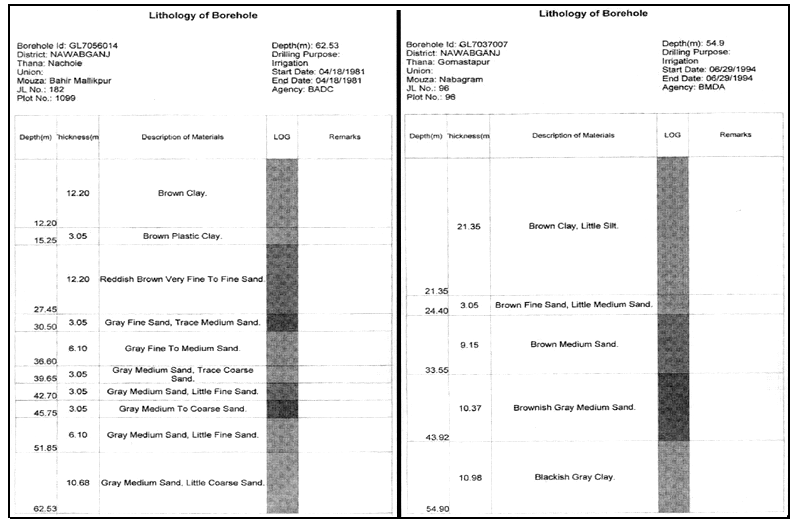
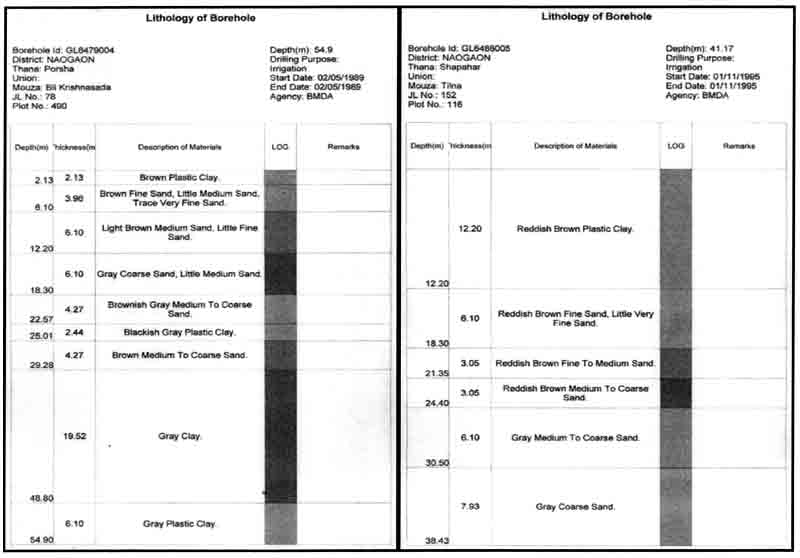
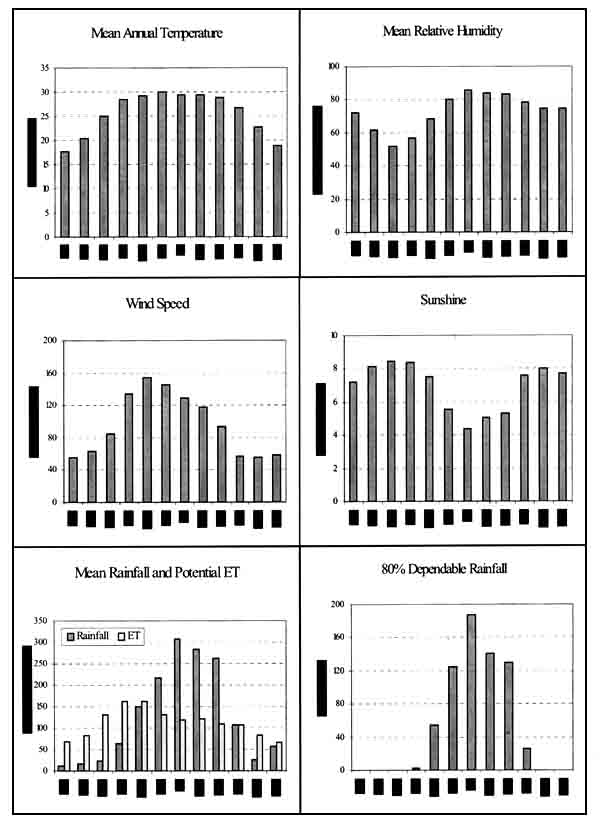
Figure A1: Climiatic Parameter at Nachole Thana
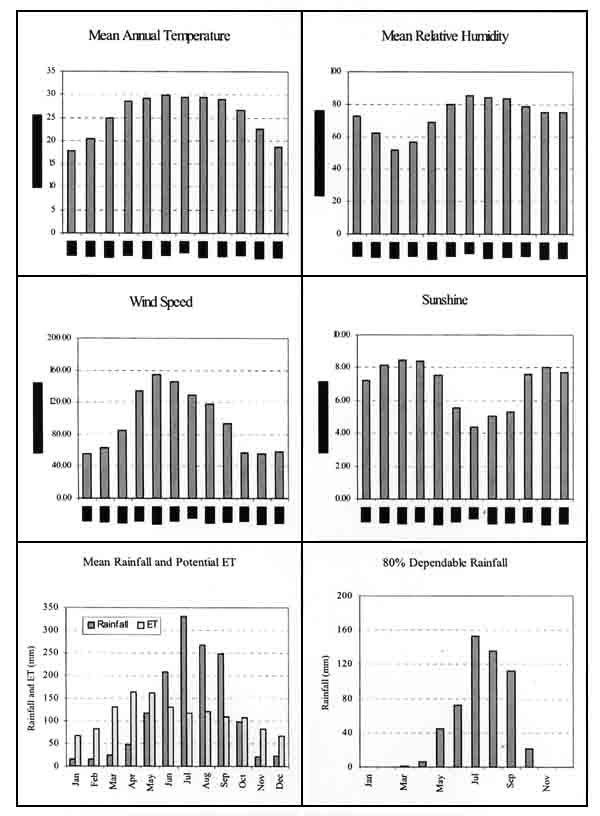
Figure A2: Climiatic Parameter at Gomastapur Thana
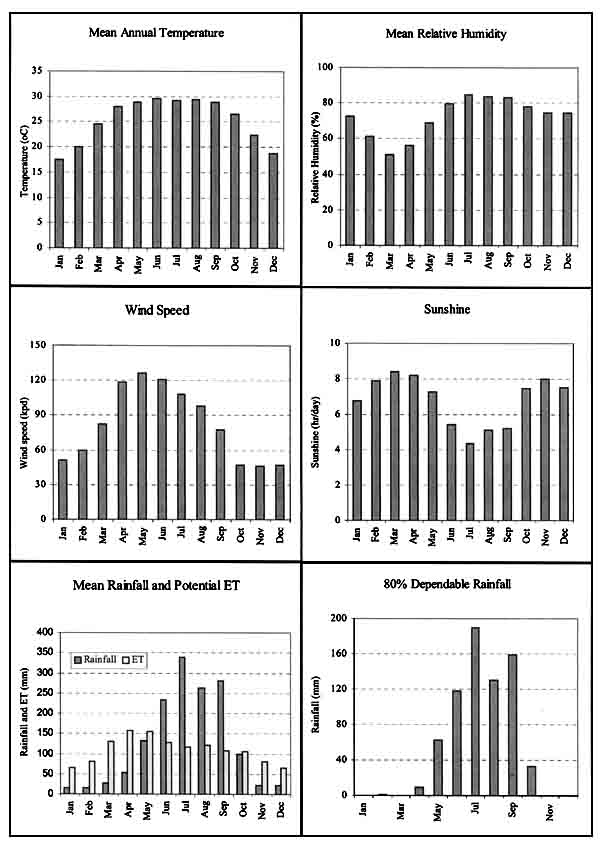
Figure A3: Climiatic Parameter at Porsha Thana
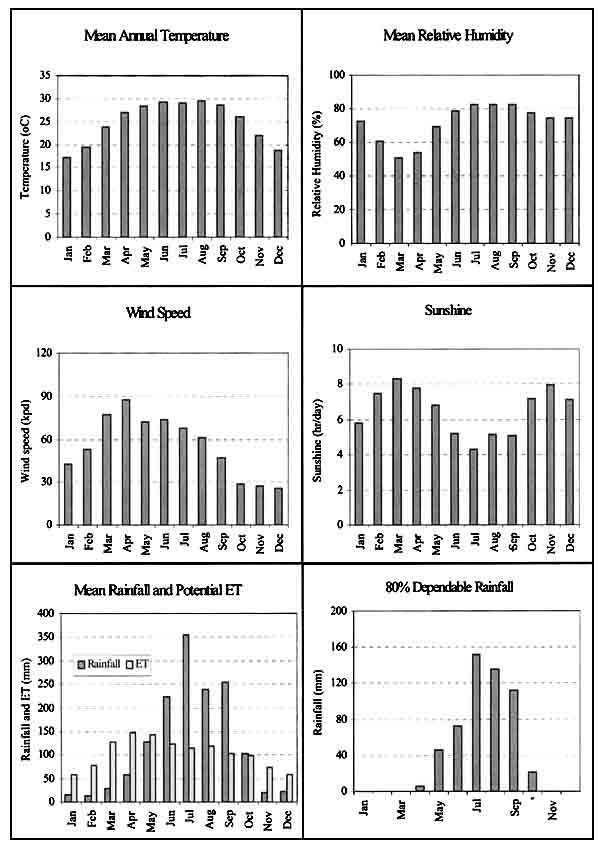
Figure A4: Climiatic Parameter at Sapahar Thana
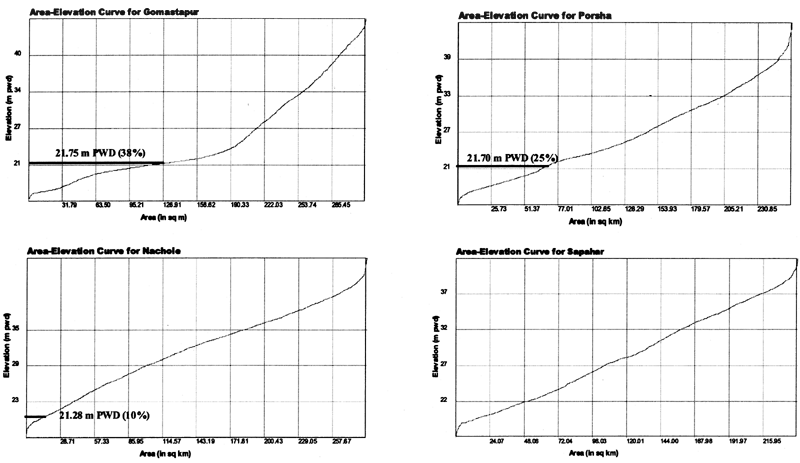
Figure A5: Climiatic topography and normal inudation of the study areas
A. Identification of major climatic hazards in the pilot study area.
First
| Sl. No | Present hazard | Ranking |
Second
| Sl. No | Past (30 years) hazards | Ranking | Most severe year(s) | Impacts |
B. Identification of the major livelihood activities and their compositions.
Third
| Vulnerable livelihood group | Major activities | ||
| Present | Propor tion | Past | |
| Small/Marginal farmer | |||
| Wage labours | |||
| Petty business | |||
| Ethnic minority | |||
| Large businessman | |||
Note: The major livelihood groups are already identified during the reconnaissance field visit to the study area. Further updating will be done during the workshop discussions.
C. Identification of the major adaptive practices/responses against drought.
Fourth
| Major livelihood activities | Major affecting climatic hazard | How the climatic hazards are affecting? | Adaptive responses | |
| Present adaptive responses | Past adaptive responses | |||
| e.g. T-Aman cultivation | ||||
Fifth
| Present Adaptive responses | Why practiced? | Sources | Capacity needed |
D. Identification of the temporal dimensions of climatic hazards and their impacts.
Sixth: General
| General timing of the drought in the area | Critical month | |||||||||||
| Jan | Feb | Mar | Apr | May | Jun | Jul | Aug | Sep | Oct | Nov | Dec | |
Seventh: By livelihood groups
| Effect of various types of drought | Critical month | |||||||||||
| Jan | Feb | Mar | Apr | May | Jun | Jul | Aug | Sep | Oct | Nov | Dec | |
| Livelihood groups 1 | ||||||||||||
| Livelihood groups 2 | ||||||||||||
| Livelihood groups 3 | ||||||||||||
| Livelihood groups 4 | ||||||||||||
Eighth: By various types of drought
| Effect of various types of drought | Critical month | |||||||||||||
| Jan | Feb | Mar | Apr | May | Jun | Jul | Aug | Sep | Oct | Nov | Dec | |||
| Agricultura l and Metrologic al | T Aman | When? | ||||||||||||
| Impact on what? | ||||||||||||||
| B Aus | When? | |||||||||||||
| Impact on what? | ||||||||||||||
| Boro | When? | |||||||||||||
| Impact on what? | ||||||||||||||
| Hydrologic al | When? | |||||||||||||
| Impact on what? | ||||||||||||||
| Other type of drought (locally identified types) | When? | |||||||||||||
| Impact on what? | ||||||||||||||
Note: Identification of the critical/vulnerable months will be done through local Bengali months (e.g. Baishak, Jaista etc.).
E. Open discussion
Ninth
| Issues to be discussed | Discussion points |
| Institutional settings | |
| Existing capacities of institutions/communities | |
| Non-institutional support | |
| Needs for adaptation | |
| Opportunities | |
| Renewable energy/ bio-energy | |
| Suggestions | |
| Any other relevant issues |
On climatic risks/hazards:
Perception(s) towards major non-climatic hazards
On Drought:
Shortest length/duration of the drought spell(s) (no. of days)
Past (30 years)/ retrospective issues:
Past cropping pattern
Present adaptive practices/responses:
Institutional capacities
On Change and Variability:
Changes in cropping pattern
Other livelihoods issues:
Impact on wage labour
| Name of key informant: ; Sex ; Age: | |||
| Livelihood group/Occupation: ; | |||
| Village: ; Union: . | |||
| Upazila: . District: . | |||
| CEGIS | professional | . | Date: |
On climatic risks/hazards in general:
Impact on livestock/fisheries/wage labour
Present adaptive practices/responses:
Cropping pattern (present/past)
Institutional support and capacity
Opportunities and possibilities and suggestions to develop adaptive responses
| Name of key informant: ; Sex ; Age: | |||
| Livelihood group/Occupation: ; | |||
| Village: ; Union: . | |||
| Upazila: . District: . | |||
| CEGIS | professional | . | Date: |
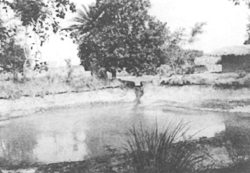
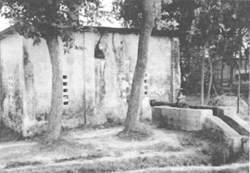
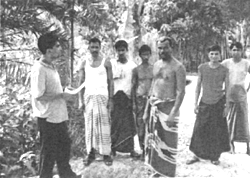
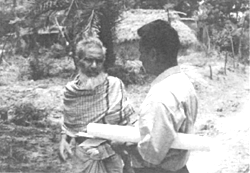
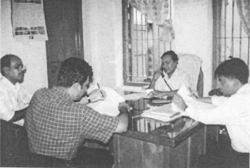
1. Reconnaissance field visit:
 |  |  |
 |  |  |
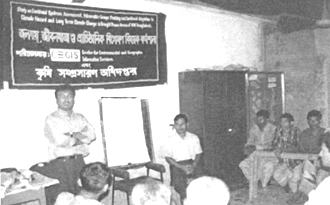
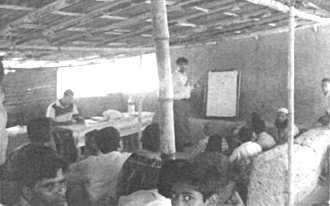
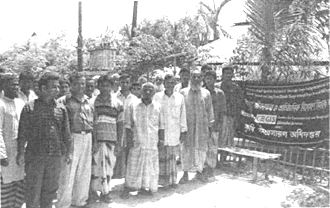
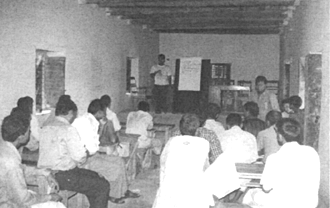
2. Community level sessions and interviews
 |  |
 |  |
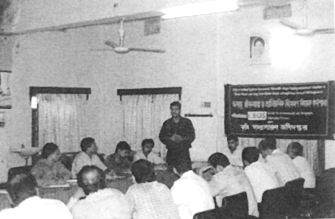
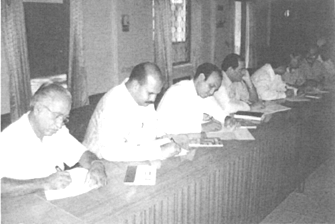
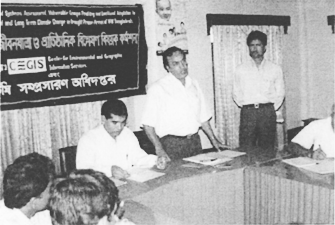
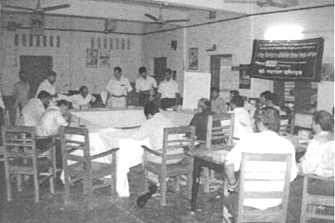
3. Upazila level workshops
 |  |  |
 | 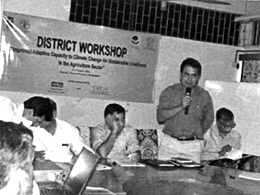 | 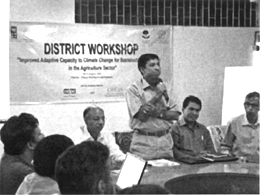 |
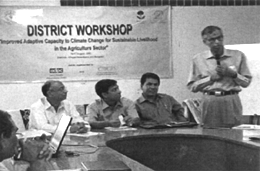
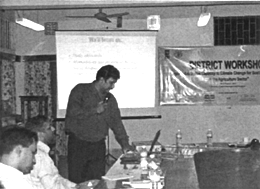
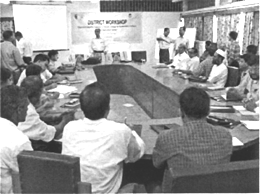
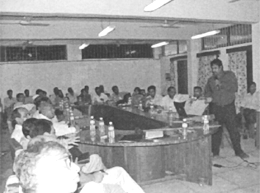
4. District level workshops
 |  |
 |  |
| Strengths | Weaknesses | Opportunities | Risks | Threats | |
| Geo-physical | |||||
|
|
|
|
| |
| Livelihoods | |||||
| Farmers |
|
|
|
| No agri-Production Crop Loss of T-Aman, Boro Increase price of Agriequipment /Lake of Agriequipment |
| Wage labour |
|
|
|
|
|
| Petty businessmen |
|
|
|
|
|
| Large businessmen |
|
|
|
|
|
| Institutional | |||||
| GO | DAE BMDA and other GoB departments |
|
| ||
| NGO | CARITAS, TMSS, PROSHIKA, ASRAY, GRAMEEN BANK, BRAC, RIC, TRINOMUL |
|
| ||
Source: CEGIS Fieldwork 2005.
| Strengths | Weaknesses | Opportunities | Risks | Threats | |
| Geo-physical | |||||
|
|
|
|
| |
| Livelihoods | |||||
| Farmers |
|
|
|
|
|
| Wage labour |
|
|
|
|
|
| Petty businessmen |
|
|
|
|
|
| Large businessmen |
|
|
|
|
|
| Institutional | |||||
| GO |
|
|
| ||
| NGO | CARITAS, TMSS, PROSHIKA, ASRAY, GRAMEEN BANK, BRAC, RIC, ASOD, TRINOMUL |
|
| ||
Source: CEGIS Fieldwork 2005.
| Adaptation | Adjustment in natural or human systems to a new or changing environment. Adaptation to climate change refers to adjustment in natural or human systems in response to actual or expected climatic stimuli or their effects, which moderates harm or exploits beneficial opportunities. Various types of adaptation can be distinguished, including anticipatory and reactive adaptation, private and public adaptation, and autonomous and planned adaptation (IPCC: 2001). |
| Adaptive capacity | The ability of a system to adjust to climate change (including climate variability and extremes) to moderate potential damages, to take advantage of opportunities, or to cope with the consequences (IPCC: 2001). |
| Anthropogenic | Resulting from or produced by human beings (IPCC: 2001). |
| Aman | Rice grown in Kharif-2 season. |
| Artisanal fishers | Small scale fishers. |
| Aus | Rice grown in Kharif-1 season. |
| beel | A natural depressed body of water, the bottom of which remains wet throughout the year. |
| Boro | Rice grown during the winder season. |
| Coping capacity | The manner in which people and organizations use existing resources to achieve various beneficial ends during unusual, abnormal, and adverse conditions of a disaster phenomenon or process (UN-ISDR 2002). |
| Climate change | Climate change refers to a statistically significant variation in either the mean state of the climate or in its variability, persisting for an extended period (typically decades or longer). Climate change may be due to natural internal processes or external forcings, or to persistent anthropogenic changes in the composition of the atmosphere or in land use. Note that the United Nations Framework Convention on Climate Change (UNFCCC), in its Article 1, defines "climate change" as: "a change of climate which is attributed directly or indirectly to human activity that alters the composition of the global atmosphere and which is in addition to natural climate variability observed over comparable time periods." The UNFCCC thus makes a distinction between "climate change" attributable to human activities altering the atmospheric composition, and "climate variability" attributable to natural causes (IPCC: 2001). |
| Disaster | A serious disruption of the functions of a society, causing widespread human, material, or environmental losses which exceed the ability of the affected society to cope using only its own resources (UNDP: 1994). Agricultural disasters are those that are related to agriculture and agricultural practices. Such as drought, flood, pest infestation and so forth. |
| Drought | The phenomenon that exists when precipitation has been significantly below normal recorded levels, causing serious hydrological imbalances that adversely affect land resource production systems. |
| Evaporation | The process by which a liquid becomes a gas. |
| Evapotranspiration | The combined process of evaporation from the Earth's surface and transpiration from vegetation. |
| Hazard | A rare or extreme event in the natural or human-made environment that adversely affects human life, property or activity to the extent of causing a disaster. |
| Highland (F0 type land) | Land above flood level. |
| khal | Canal. |
| Kharif season | Cropping season between March to October, Often divided into Khariff-1 (March 7ndash; June) and Kharif-2 (July – October). |
| khora | Drought. |
| Livelihoods | A livelihood comprises the capabilities, assets (stores, resources, claims and access) and activities required for a means of living: a livelihood is sustainable which can cope with and recover from stress and shocks, maintain or enhance its capabilities and assets, and provide sustainable livelihood opportunities for the next generation: and which contributes net benefits to other livelihoods at the local and global levels and in the short and long term (Chambers and Conway, 1992). |
| Livelihood Assets | A key component in the SL framework, they are the assets on which livelihoods are built, and can be divided into five core categories (or types of capital). These are: human capital, natural capital, financial capital, social capital, and physical capital (SL guidance sheets DFID: 2001). |
| Lowland (F3 type) | Flooded between 180 cm to 300 cm depth. |
| Maladaptation | Any changes in natural or human systems that inadvertently increase vulnerability to climatic stimuli; an adaptation that does not succeed in reducing vulnerability but increases it instead (IPCC: 2001). |
| Medium highland (F1 type) | Flooded upto 90cm depth. |
| Medium Lowland (F2 type) | Flooded between 90 cm to 180 cm depth. |
| Opportunity | An opportunity is a situation or circumstance to decrease the gap between the market potential of any technology or practice and the economic potential, socio-economic potential, or technological potential (IPCC: 2001). |
| Preparedness | Activities and measures taken in advance to ensure effective response to the impact of disaster, including the issuance of timely and effective early warnings and the temporary removal of people and property from a threatened location (UN-ISDR 2002). |
| Rabi season | Cropping season between November and February. Rabi crops are pulses, oil seeds, spices, etc. |
| Risk | The probability of harmful consequences, or expected loss (of lives, people injured, property, livelihoods, economic activity disrupted or environment damaged) resulting from interactions between natural or human induced hazards and vulnerable/capable conditions. Conventionally risk is expressed by the equation Risk = Hazards × Vulnerability/Capacity (UN-ISDR 2002). |
| Sustainable Livelihoods | A livelihood is sustainable when it is capable of continuously maintaining or enhancing the current standard of living without undermining the natural resource base. For this to happen it should be able to overcome and recover from stresses and shocks (e.g. natural disasters or economic upsets) (SL guidance sheets DFID: 2001). |
| Sustainable Livelihoods Framework | Sustainable livelihoods (SL) framework is its version of a visualisation tool that has been developed to help understand livelihoods. It is intended to help users think through the different aspects of livelihoods, and particularly those factors that cause problems or create opportunities (SL guidance sheets DFID: 2001). |
| Small farmer | Farmers either owning/ operating less than 0.5–2.49 acres of cultivating land or identified locally as small-scale farmer by the community members (BBS: 1996). |
| T-Aman | Transplanted variety rice crop grown in Kharif-2 season. |
| Union | Lowest administrative unit comprising a few villages. |
| Upazila | Administrative unit comprising a number of unions (earlier called thana). Upazila is equivalent to sub-district. |
| Very Lowland (F4 type) | Flooded more than 300 cm depth. |
| Vulnerability | A set of conditions and processes resulting from physical, social, economical, and environmental factors, which increase the susceptibility of a community to the impact of hazards (UN-ISDR 2002). |
| Vulnerability Context | A key component in the SL framework, the Vulnerability Context refers to the shocks, trends and seasonality that affect people's livelihoods - often, but not always, negatively. The key feature of all the factors within the Vulnerability Context is that they are not controllable by local people in the immediate or medium-term. Vulnerability or livelihood insecurity resulting from these factors is a constant reality for many poor people (SL guidance sheets DFID: 2001). |
| Wage labourers | Individual or household that sell labour on a daily basis for money or kind (e.g. crop) as their means of livelihoods. |
