The acoustic data obtained from the echo sounders and integrators are processed and classified according to a procedure based on experience in evaluating of the different types of echo recordings produced by various forms of organisms and on the information gained from the fishing experiments. Three categories are usually distinguished:
|
1. Pelagic fish type I: |
Clupeids e.g. sardinellas, sardines, anchovies. |
|
2. Pelagic fish type II: |
Other schooling pelagic fish such as horse mackerel, other
carangids, mackerels, hairtails, barracudas etc. |
|
3. Demersal fish |
Other than pelagic schooling fish such as seabreams, croakers,
snappers groupers, grunts etc. |
Assessment of the abundance of fish resources based on acoustic observations combined with experimental fishing is a method which especially lends itself to fish found in schools or other aggregations in mid water. There are some strictly bottom dwelling fishes e.g. rays and flounders which will escape acoustic detection. Also fish in the very surface layer can not be recorded by the echo sounder, but schools may be detected by the horisontal ranging sonar. For navigational reasons the work with the R/V "Dr. Fridtjof Nansen" is limited to waters deeper than about 15m. The effects, if any, of these factors will be towards an underestimate.
The abundance of the demersal fish stock are also assessed on basis of semi-random bottom trawl stations along the cruise track.
A common feature during the survey was the presence of dense registrations of plankton which screened the rather faint traces of fish resources. This will somewhat effect the precision of the acoustic estimates, and makes the trawl survey assessment useful for comparison.
During the present survey the abundance of the small pelagic fish resources was very low and it has not been considered meaningful to separate the faint pelagic recordings into Pelagic I and pelagic II as introduced above. The division will be applied when higher abundances will be recorded, probably in the course of later coverages, during other seasons.
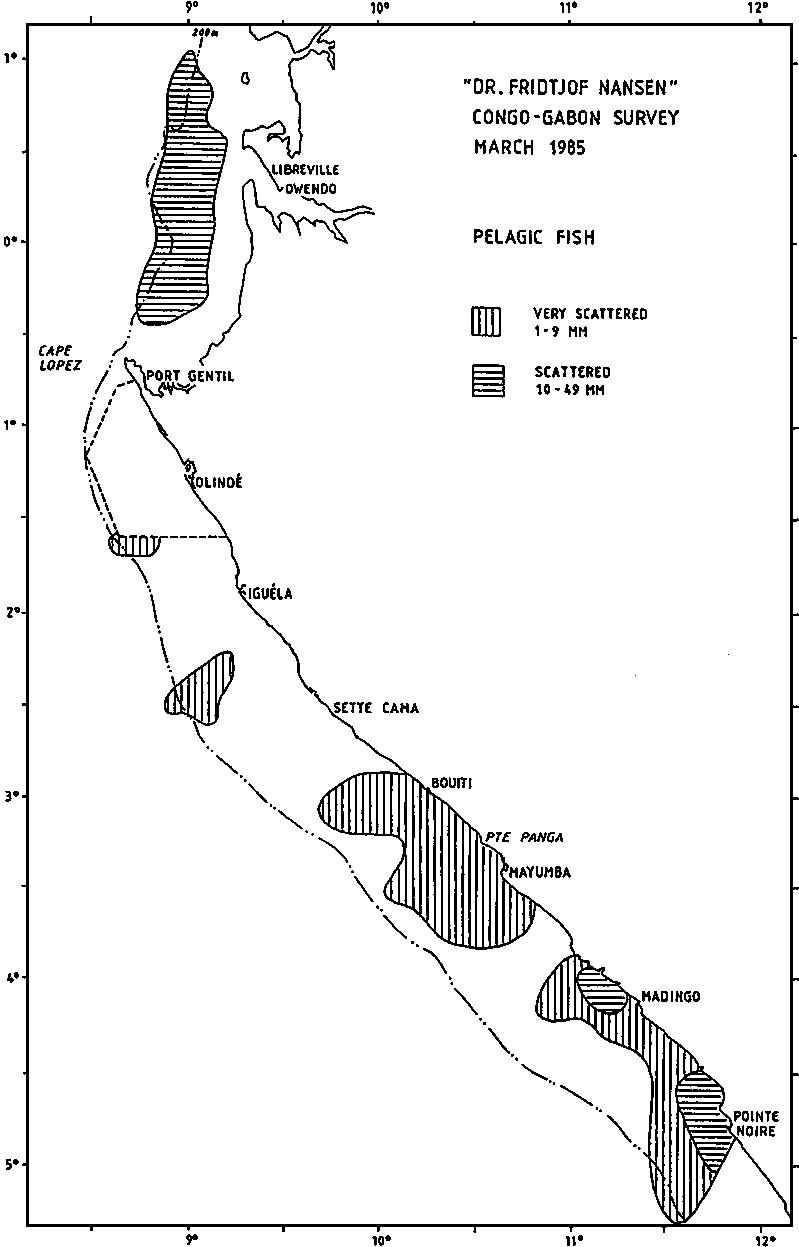
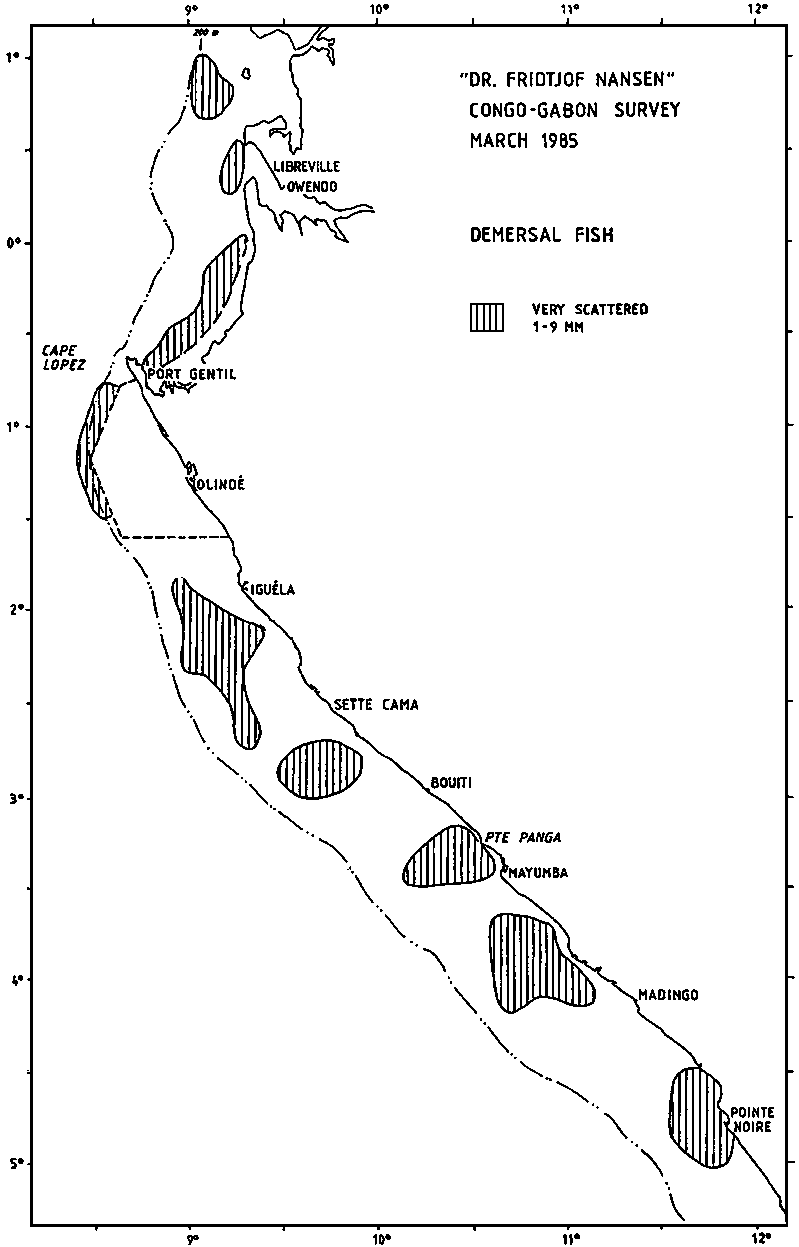
Figure 4 shows the distribution of small pelagic fish while Figure 5 shows the demersal resources recorded by the acoustic system. Where pelagic registrations were found, they were generally of low level and no true schools were located which could form basis for industrialized fisheries. No exploitable resources of sardinellas, anchovies or horsemackerel were found. It is assumed that they were south of the area investigated, in accordance with the general seasonal migration cycle. The remaining small pelagic resources consisted of scattered occurrences of Trachurus trecae (10-20 cm), Decapterus punctatus (6-21 cm), Chloroscombrus chrysurus (20-26 cm) and Balistes capriscus (7-8 cm). The triggerfish, Balistes capriscus was found from Cape Lopez and northwards and was assessed to 52 000 tonnes. The remaining small pelagic resources were assessed to 48 000 tonnes.
Also the demersal resources were assessed as quite poor. The estimate from the acoustic system was 30 000 tonnes, while the trawl survey gave 125 000 tonnes. The last is considered to be the most reliable figure as the screening effect from plankton and a generally low level of the registrations severely affected the accuracy of the acoustic estimate. The demersal species consisted mainly of seabreams (Dentex spp., Sparus spp. and Pagellus bellottii), groupers (Epinephelus aeneus) and emperors (Pseudotolithus senegalensis). In deeper waters the bigeye (Priacanthus arenatus) was common.
Records of fishing stations and catch of dominant species are shown in Appendix II.
Pooled and statistically unweighted distributions from all samples of the most common species are shown in appendix III.
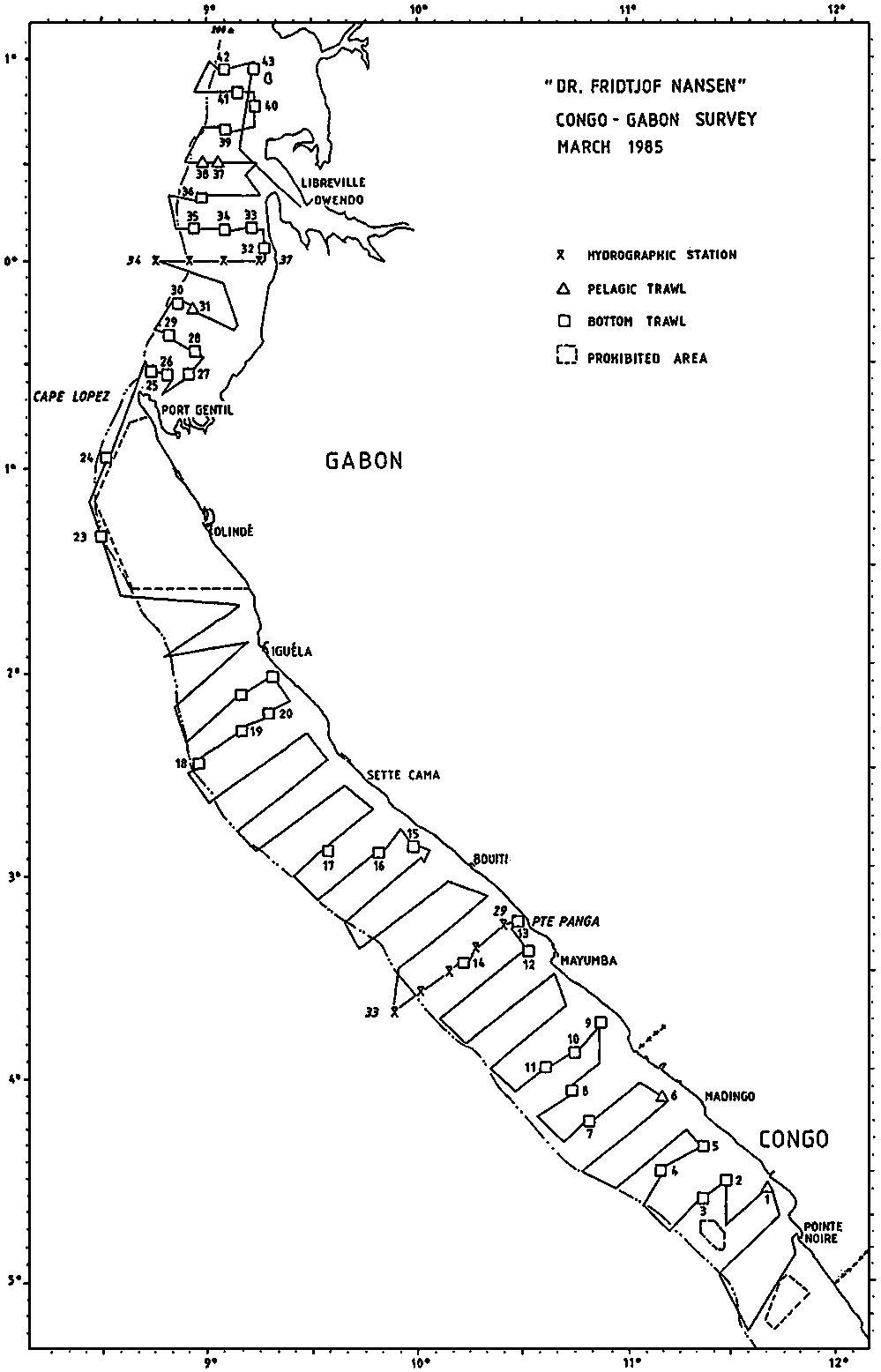
Figure 1. Cruise track and stations worked.
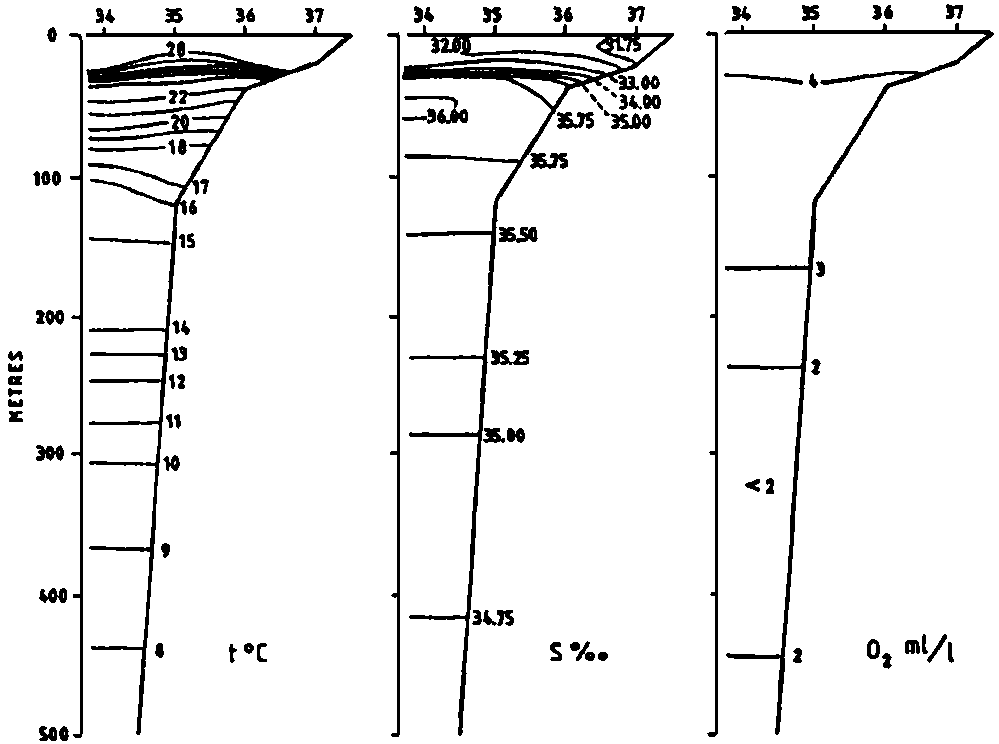
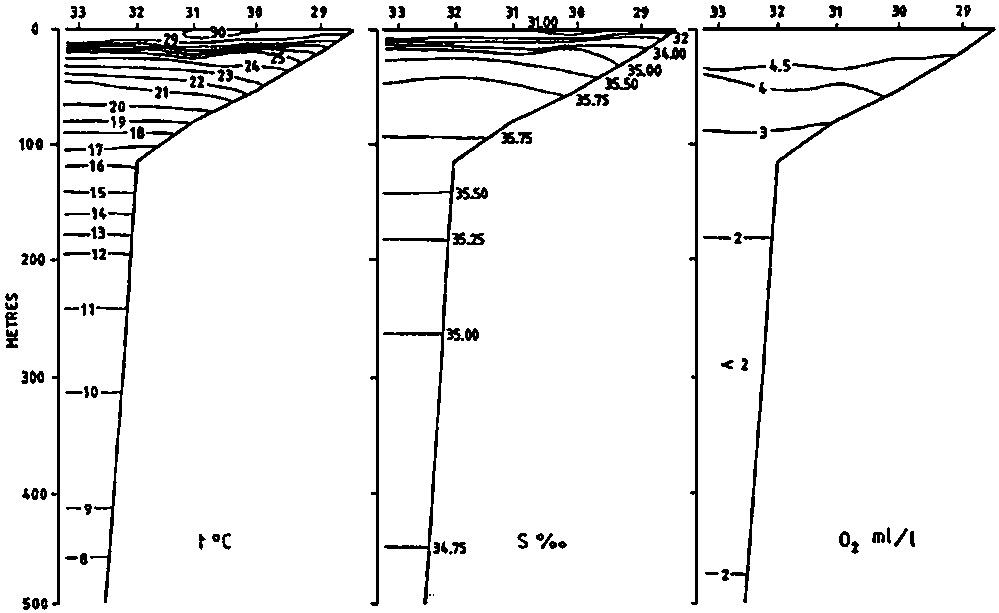
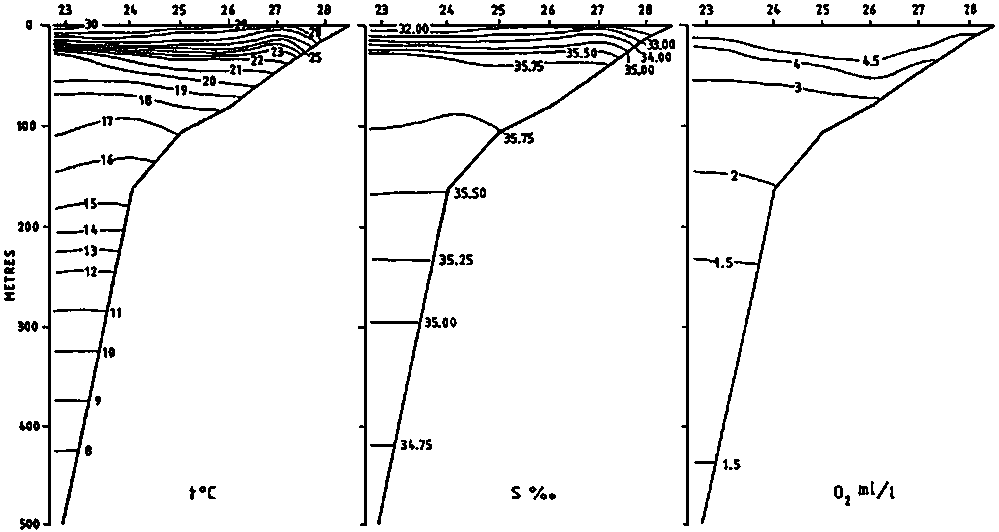
Figure 2. The hydrographical sections
Figure 4. The distribution of small pelagic fish.
Figure 5. The distribution of demersal fish from acoustic registrations.