
FAO AGRIS as a Catalyst: How Kyambogo University Is Expanding Access to Agricultural Knowledge in Uganda
14/11/2025

Dr. Mary Acanit with colleagues attending the pedagogical skills training for librarians.
In the vibrant academic landscape of Kampala, Uganda, a quiet transformation in agricultural knowledge sharing is taking place. At Kyambogo University, a dedicated librarian is working to ensure that Ugandan agricultural research doesn't just stay within institutional walls, but it reaches farmers, policymakers, and researchers across the globe.
As Head of Library ICT Services at Kyambogo University since 2012, Dr. Mary Acanit, a professional librarian, has championed the integration of technology with information access, transforming how the university shares its agricultural research with the world. With a Bachelor of Library and Information Science from Makerere University, a Master of Information Technology from the University of Pretoria, and a PhD in Information Science from the University of South Africa, her journey reflects a deep commitment to bridging the gap between cutting-edge research and those who need it most.
"I take pride in contributing to the university's mission of fostering academic excellence by ensuring that students and researchers have access to up-to-date information and the relevant support in their pursuit for knowledge", she explains. "My goal has always been to bridge the gap between technology and information access, ensuring that our academic community benefits fully from the evolving landscape of digital scholarship".
A Decade of Digital Transformation

The connection with FAO AGRIS began more than a decade ago, born from practical necessity. Kyambogo University offers programmes in agriculture and related fields, making FAO AGRIS a natural fit for providing free bibliographic information on food and agriculture scientific research to their researchers.
Today, that early interest has blossomed into full institutional participation. Kyambogo University is now listed as an official FAO AGRIS data provider, with direct links to the university's institutional repository, KyuSpace, which houses the institution's agriculture-related research output. This visibility represents more than just a digital milestone, it's a commitment to ensuring that Ugandan research contributes to global knowledge-sharing frameworks.
"Kyambogo University's involvement shows that it is not only committed to conducting research, but also ensuring that the research is discoverable, interoperable and accessible", Acanit notes.
Collaborative Support and Capacity Building
The journey to becoming an FAO AGRIS data provider wasn't without its technical hurdles. The FAO AGRIS team, working in conjunction with ITOCA, provided crucial technical guidance on setting the OAI-PMH (Open Archives Initiative Protocol for Metadata Harvesting). Once properly configured, Kyambogo University's institutional profile was swiftly added to the FAO AGRIS data base, and metadata harvesting began the following month.
Beyond technical support, Kyambogo University benefited from the FAO AGRIS onboarding webinar conducted in June 2025 for the Consortium of Uganda University Libraries. ”This was a valuable learning experience about new developments in open data, digital preservation, and agricultural information management," she recalls.
Addressing Challenges and Building Solutions
Through her experience, the librarian has gained valuable insights into the challenges institutions face when joining FAO AGRIS. Many institutions lack robust digital repositories or metadata management systems required to share data in FAO AGRIS-compatible formats. Some versions of DSpace, for instance, are not compatible with OAI-PMH harvesting, requiring manual data extraction, a laborious process that demands considerable staff diligence.
"On a positive side, the team at FAO AGRIS and ITOCA were willing to provide training and support on how to harvest data manually”, she notes, highlighting the collaborative spirit that makes participation possible even with technical limitations.
Another significant barrier is insufficient knowledge of metadata standards. ”There is a need for more training and increased awareness on metadata standards to ensure that librarians, curators and researchers have the right skills", she emphasizes. In some cases, institutions lack policies on open access and data sharing, fundamentally limiting their ability to participate in global knowledge networks.
The Value of Global Participation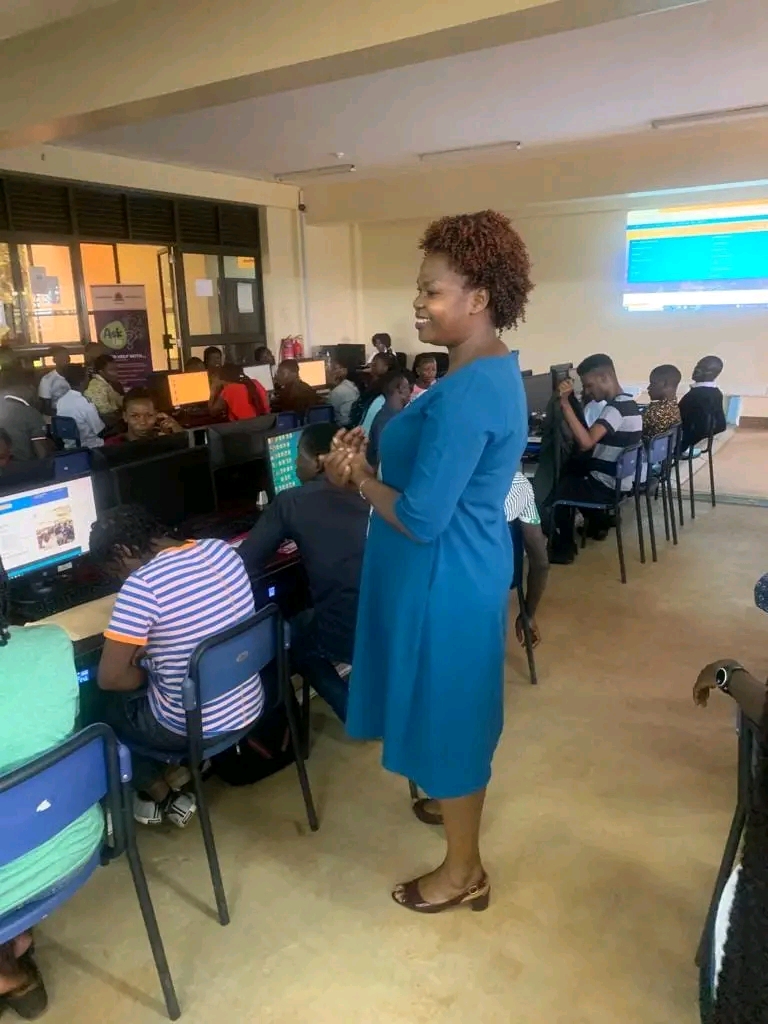
For Kyambogo University, being an FAO AGRIS data provider has proven invaluable. The participation promotes reproducibility, enhances research discoverability, and increases institutional visibility. "This exposure not only enhances Kyambogo University's reputation but also promotes collaboration and citation of our work", Dr. Acanit explains.
Perhaps most importantly, participation requires adherence to international standards on data management and metadata creation, pushing the institution to align its repository with global practices in digital scholarship. This ensures that Kyambogo's research information is interoperable with other global databases, a critical factor in today's interconnected research ecosystem.
The broader impact extends beyond institutional benefits. "As a data provider, Kyambogo University contributes to the reduction of the information gap. Providing data promotes access to knowledge that can improve productivity, food security and enhance the livelihood among farmers in the global south”, she adds.
A Call to African Institutions
With firsthand experience of the benefits, Dr. Acanit has a clear message for other African universities and researchers considering joining the FAO AGRIS network: join now.
"I strongly encourage other African universities and researchers to join the FAO AGRIS Network. They will be part of a global community committed to open access, knowledge sharing and advancing agricultural research for sustainable development," she urges. The participation offers increased visibility for research outputs that are often underrepresented in global databases, opening doors for collaboration, capacity building, and networking with peers from Africa and beyond.
"Ultimately, joining FAO AGRIS is a step toward strengthening Africa's voice in global agricultural research and ensuring that locally generated knowledge contributes to global solutions".
Looking to the Future
As for how FAO AGRIS can better serve institutions like Kyambogo and researchers across Uganda, the vision is clear: transition from being solely a bibliographic database to an integrated platform for proactive capacity-building and resource dissemination.
The librarian suggests establishing a dedicated space to showcase Ugandan research, making it more accessible to policymakers, NGOs, and the private sector. She also advocates for multilingual support, encouraging researchers to submit titles and abstracts in local languages to serve farmers and extension workers who prefer to communicate in their native tongues.
"There is a need to facilitate partnerships between Ugandan institutions and others in the region. This can be in the form of collaborative research projects, joint publications and shared data initiatives".
Through dedication to open science and strategic use of platforms like FAO AGRIS, Kyambogo University is ensuring that Ugandan agricultural research takes its rightful place on the global stage. The work of library professionals like Dr. Acanit demonstrates that access to knowledge is not just about technology, it's about commitment, collaboration, and an unwavering belief that information can transform lives.
This story is part of an FAO AGRIS story series, highlighting the experiences of professionals from around the world who are part of the FAO AGRIS Network. Through their dedication to open knowledge and access to agricultural science, they are helping to shape a more informed and sustainable future for food and agriculture.
注册
接收FAO AGRIS简讯以及粮农组织其他知识管理活动的信息
FAO AGRIS 数据积极提供者认可印章
如果您在 2025 年 7 月至 2026 年 6 月期间提交了数据,您就有资格获得 2026 年的认可印章,并将其展示在您的网站上。在 2026 年继续提交数据的数据提供者也有资格获得该印章。

