


Highlights
Director-General

News
FAO calls for stronger prevention and global action as transboundary animal diseases spread across regions
Animal diseases, including avian influenza, African swine fever, foot-and-mouth disease and New World screwworm, pose growing risks to food security, trade and livelihoods

News
SOFIA 2026: Global fisheries and aquaculture production reaches new highs
Report highlights sustainability and equity challenges as sector feeds growing global population

QU Dongyu inaugurates second phase of FAO-Circo Massimo metro station installation in Rome
He was accompanied by Stefano Gatti, Director-General for Development Cooperation at Italy’s Ministry of Foreign Affairs, and Rome’s Mobility Councillor Eugenio Patanè

Interactive story
A hands-on look at food and agriculture
Using digital storytelling and data visualization our Interactives offer fascinating insights into the world of food and agriculture.

In Focus
FAO in emergencies
Saving lives, safeguarding livelihoods and laying the foundations for resilience.

In Focus
FAO response to global food security challenges
Data analyses, policy recommendations, and actions on the ground.

Data
Tracking water consumption around the world
Using satellite data, our WaPOR tool monitors agricultural water productivity at different scales. Access the database now.

Interactive story
Discover. Learn. Excel.
The FAO elearning Academy is your gateway to over 600 free, multilingual certified courses. Check out the interactive story to find out more!

Publication
The State of World Fisheries and Aquaculture 2026
Discover the latest data and insights on fisheries and aquaculture, and explore progress towards more sustainable, inclusive and resilient aquatic food systems.
Director-General
QU Dongyu inaugurates second phase of FAO-Circo Massimo metro station installation in Rome
He was accompanied by Stefano Gatti, Director-General for Development Cooperation at Italy’s Ministry of Foreign Affairs, and Rome’s Mobility Councillor Eugenio Patanè
Join the conversation


Voices of Impact
Financing fisheries in Sao Tome and Principe
10/06/2025
Fisheries are a cornerstone of Sao Tome and Principe ’s economy, nutrition, and coastal livelihoods, with artisanal fishing operators providing vital income for thousands of households. Watch this video to discover how the FISH4ACP initiative is promoting access to finance to support the growth of fishers and fish processors and boost food security on the island nation.
Video
On the frontline in the fight against IUU fishing
05/06/2026
Ten years after its entry into force, FAO’s Port State Measures Agreement is supporting countries to close the net on illegal fishing worldwide.
Podcast
Science & Innovation in Agriculture and the Digital Divide
15/06/2026
In this episode, Charles Spillane, Chief Scientist at FAO, traces how his upbringing on a farm in Ireland shaped his techno-optimistic worldview and his belief in the power of science and innovation to improve society. He discusses why scientific advances often fail to reach smallholder farmers and what it takes to close the gap between knowledge and adoption.
Data
Percentages of biologically sustainable and unsustainable fishery stocks by FAO major fishing area 2023
2020 World
31.2%
2010 World
31.5%
In depth

In Focus
Discover the enhanced FAO Transparency Portal
Explore new dashboards on programme, budget and HR, alongside updated project data, for deeper insights into how we work.

Publication
Medium Term Plan and Programme of Work
The Director-General’s Medium Term Plan 2026-29 and Programme of Work and Budget 2026-27.

In Focus
FAO Data Lab
The FAO Data Lab for Statistical Innovation modernizes the statistical business process, with a specific focus on emergency contexts, when having access to timely information is very important.
Discover the Globally Important Agricultural Heritage Systems (GIAHS)

FAO and the SDGs
Hover the mouse over an SDG icon for more information
A world free from hunger and malnutrition where food and agriculture contributes to improving the living standards of all
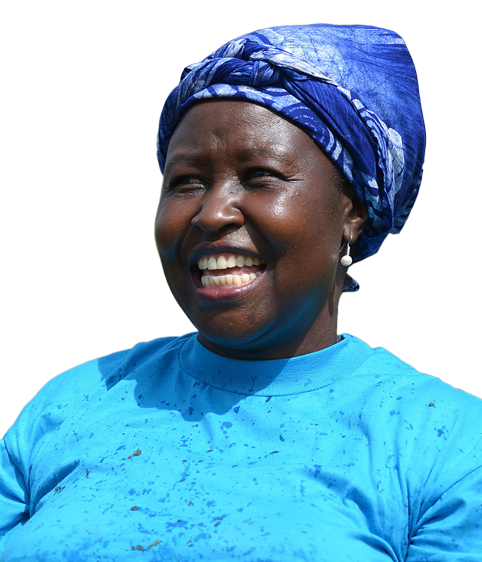
FAO works with governments and partners to empower some of the world’s most marginalized people to end rural poverty.
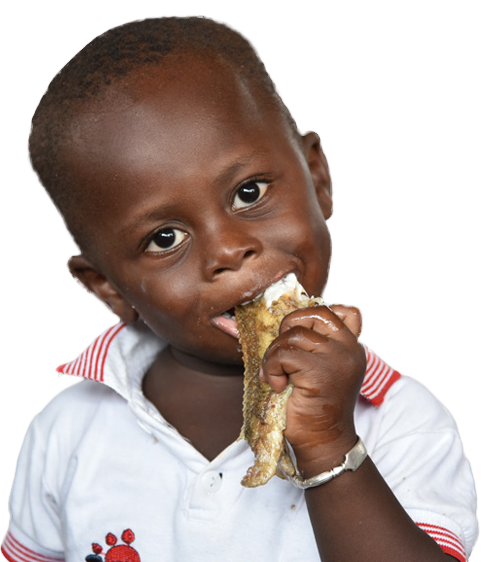
FAO helps ensure food security by developing ways of growing food that will work in the future so that millions of people don’t go hungry.
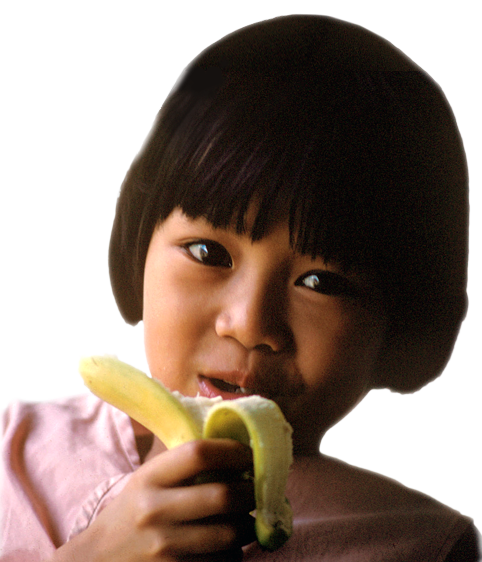
Good health starts with nutrition. FAO sets global standards and works with governments and the private sector to ensure food quality and safety throughout the food chain.
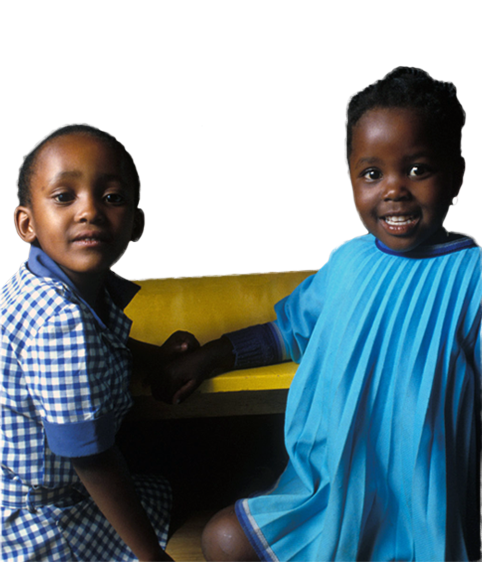
FAO invests in educational systems for rural communities and supports improved access to primary education and school meals in order to create equal opportunities for all and chances of lifelong learning.
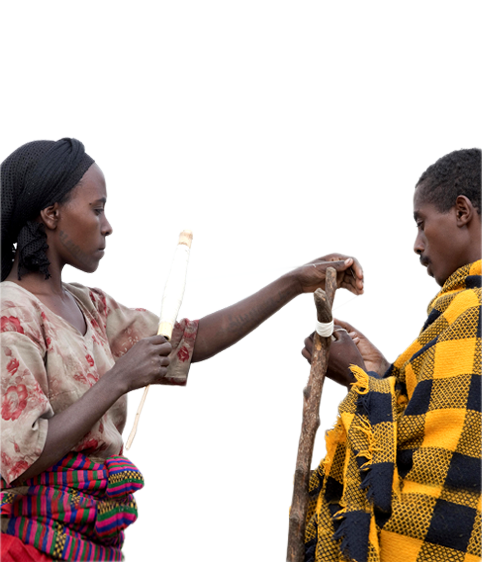
FAO supports gender equality in the agricultural sector in an effort to raise levels of nutrition in local communities and improve agricultural productivity.
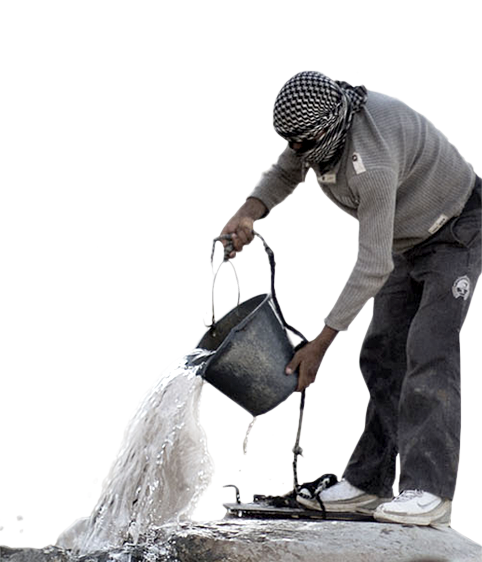
FAO works with governments to ensure water use in agriculture is made more efficient, equitable and environmentally friendly.
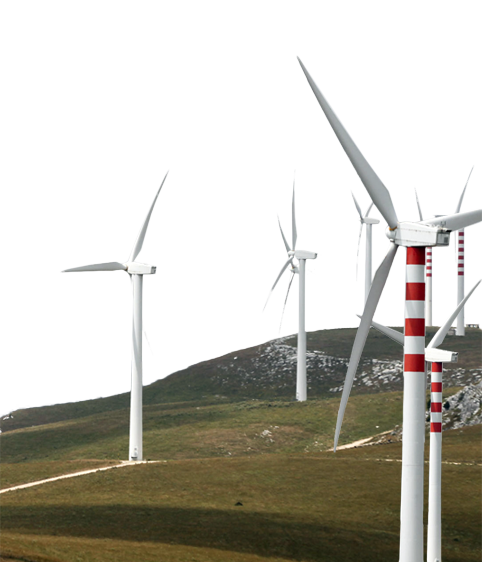
FAO promotes the use of renewable energies and works to ensure access to modern energy services across the food chain.
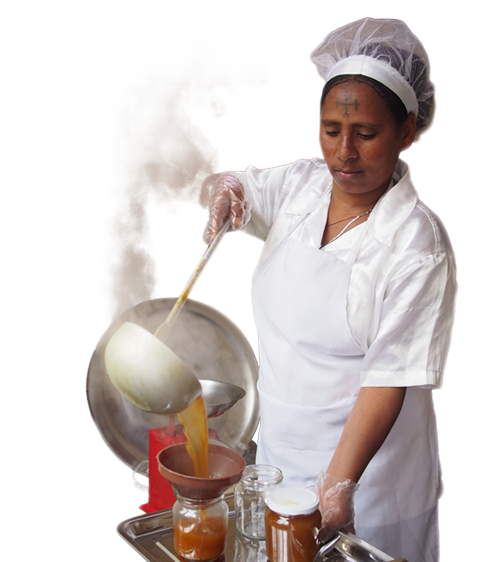
FAO seeks better economic opportunities for all by investing in sustainable agricultural practices and food systems that reduce inequalities and create decent jobs.
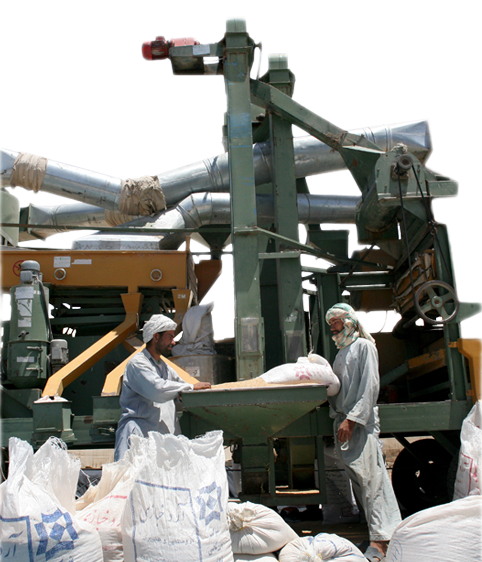
FAO seeks to secure a future for rural communities via investments in transportation, irrigation, food storage facilities and communication technologies.
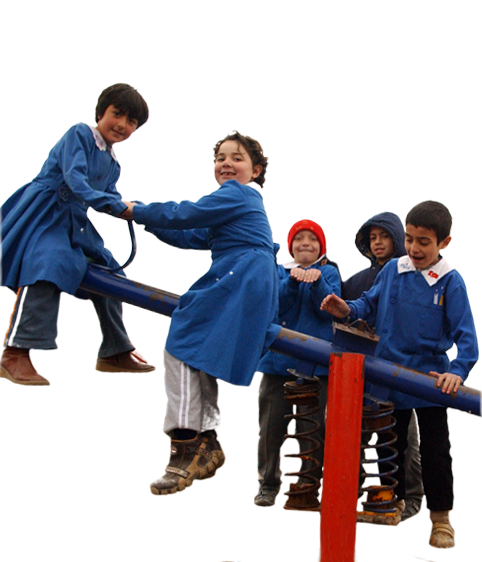
FAO works with countries and partners to generate employment in rural areas, ensure access to natural resources for the most vulnerable and connect farmers to markets.
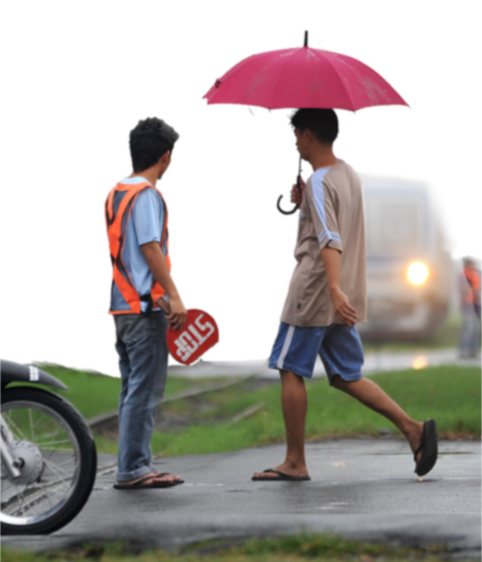
FAO works to improve urban healthcare, water quality and rethink city region food systems to help deter the negative effects of sprawling urbanisation.
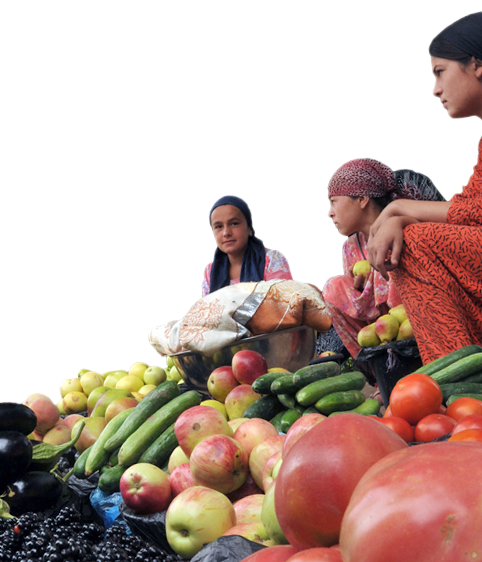
FAO coordinates major global initiatives and projects to tackle food waste and loss, partnering with international organisations, the private sector and civil society.
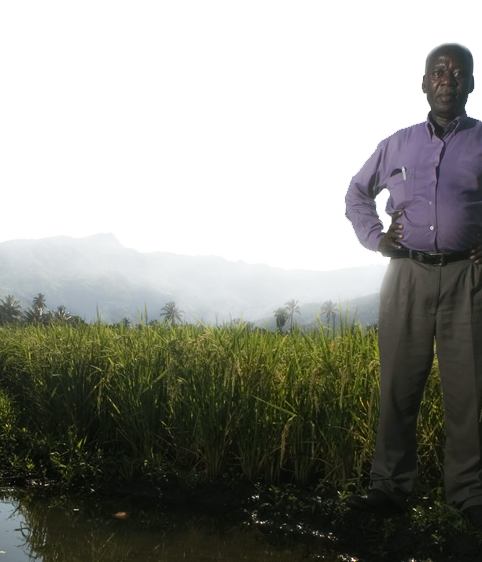
FAO supports countries in responding to the threats of climate change by providing advice, data and tools for better agricultural policies and practices.
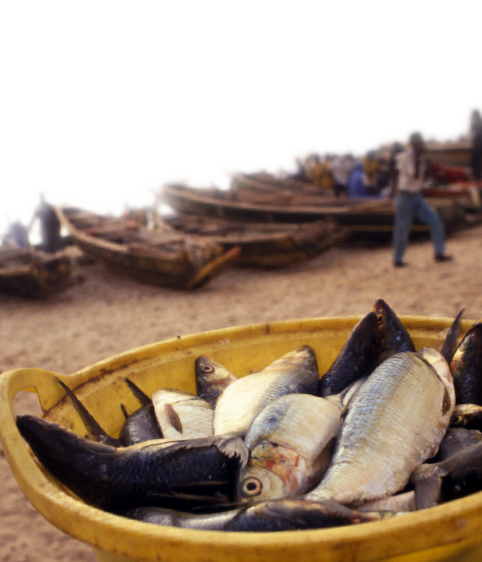
FAO, in partnership with governments and fishing communities, implements best practices in fisheries to ensure our oceans are protected as a means of livelihoods.
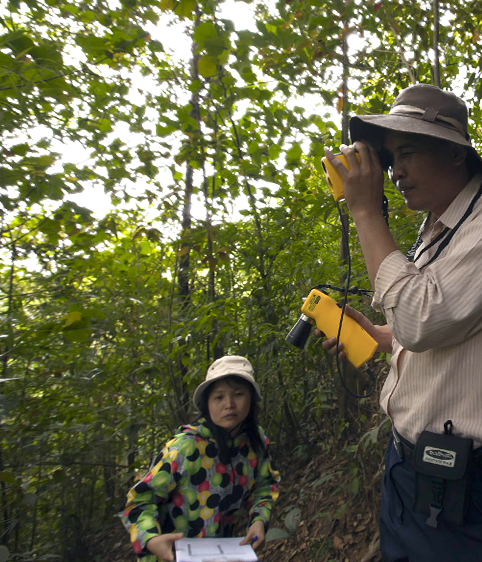
FAO promotes sustainable approaches to natural resource management and supports endeavours that promote a balance between conservation and development initiatives.
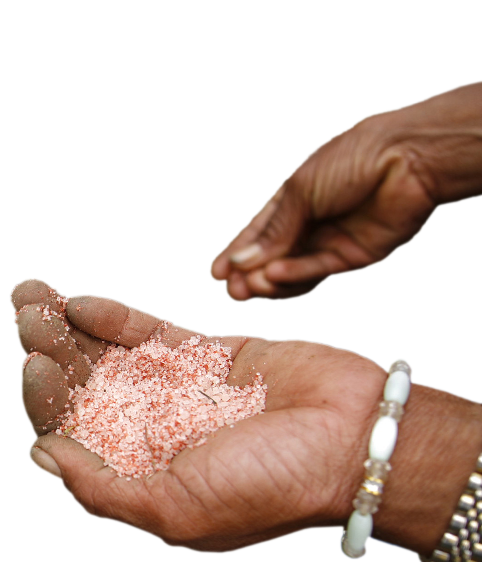
FAO plays a critical role in peacebuilding, restoring rural livelihoods, building resilience and participatory approaches to policymaking.
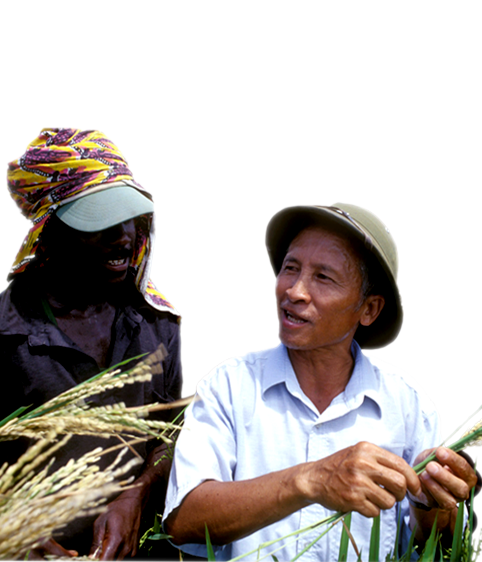
FAO acts as a neutral policymaking forum and develops partnerships with all concerned with food and agriculture to ensure a world free from hunger.


FAO works with governments and partners to empower some of the world’s most marginalized people to end rural poverty.
FAO helps ensure food security by developing ways of growing food that will work in the future so that millions of people don’t go hungry.
Good health starts with nutrition. FAO sets global standards and works with governments and the private sector to ensure food quality and safety throughout the food chain.
FAO invests in educational systems for rural communities and supports improved access to primary education and school meals in order to create equal opportunities for all and chances of lifelong learning.
FAO supports gender equality in the agricultural sector in an effort to raise levels of nutrition in local communities and improve agricultural productivity.
FAO works with governments to ensure water use in agriculture is made more efficient, equitable and environmentally friendly.
FAO promotes the use of renewable energies and works to ensure access to modern energy services across the food chain.
FAO seeks better economic opportunities for all by investing in sustainable agricultural practices and food systems that reduce inequalities and create decent jobs.
FAO seeks to secure a future for rural communities via investments in transportation, irrigation, food storage facilities and communication technologies.
FAO works with countries and partners to generate employment in rural areas, ensure access to natural resources for the most vulnerable and connect farmers to markets.
FAO works to improve urban healthcare, water quality and rethink city region food systems to help deter the negative effects of sprawling urbanisation.
FAO coordinates major global initiatives and projects to tackle food waste and loss, partnering with international organisations, the private sector and civil society.
FAO supports countries in responding to the threats of climate change by providing advice, data and tools for better agricultural policies and practices.
FAO, in partnership with governments and fishing communities, implements best practices in fisheries to ensure our oceans are protected as a means of livelihoods.
FAO promotes sustainable approaches to natural resource management and supports endeavours that promote a balance between conservation and development initiatives.
FAO plays a critical role in peacebuilding, restoring rural livelihoods, building resilience and participatory approaches to policymaking.
FAO acts as a neutral policymaking forum and develops partnerships with all concerned with food and agriculture to ensure a world free from hunger.