| April 1997 | FO: ACPWP 97/2 |

|
|
|
|
|
|
|
|
|
|
General Economic Situation
The weakening of the economic activity, that started
during the second half of 1995, continued in 1996. Stocks were
reduced in the industry and in the distribution chain, and stock
reduction seems to have contributed negatively to GDP with one percentage
point. Industry production slowed down considerably, from an increase
of 10 percent in 1995 to 1 percent in 1996. Investments
showed a strong increase for the whole year, 7 percent, but
slowed down during the course of the year, as a three-year investment
cycle is nearing its end.
The inflation rate continued to decrease to a record
low and is one of the lowest in Europe. Both long- and short-term
interest rates continued to decrease. The unemployment continues
to be a major problem, and the unemployment rate is considered
to be only marginally reduced during the next few years. The budget
deficit in the public sector has been considerably reduced.
Key Indicators, Percentage Change
Performance of the Pulp and Paper Industry
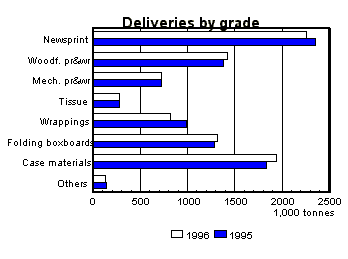
The Swedish production of paper and board decreased
in 1996 for the second consecutive year and amounted to 9 million
tonnes, a decrease by 125 000 tonnes or 1 percent. The capacity
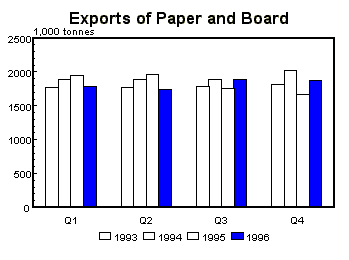
utilisation fell to 90 percent. Exports decreased marginally,
by 0.5 percent and amounted to 7.3 million tonnes. Deliveries
to the EU countries fell by 2 percent and reached 5.7 million
tonnes. Deliveries to Eastern European countries increased strongly
but are still at low levels, and also exports to Asia increased.
Deliveries to the home market decreased by 3 percent. For
further details see the statistics attached.
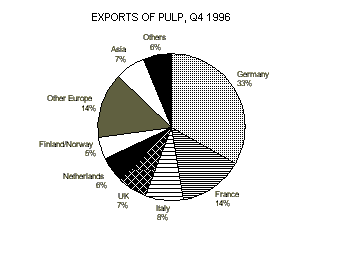
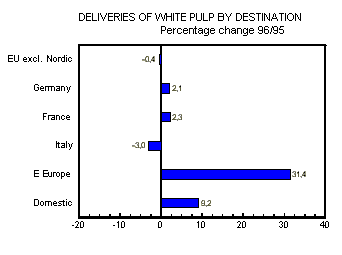
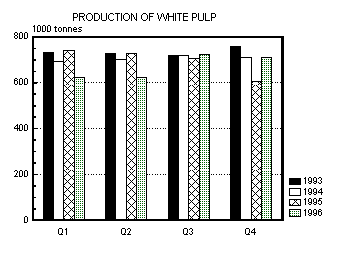
The Swedish exports of pulp increased by 2 percent.
Producers' inventories were reduced in the first half year, but
showed again an increase towards the end of the year. See also
the statistics attached.
Recovered Paper
The consumption of recovered paper at paper and
board mills increased by 5 percent to 1.5 million tonnes
in 1996. This resulted in an increase of the utilization rate
to 16.7 percent compared to 15.6 percent the year before.
The collection of recovered paper has been calculated to 1.1 million
tonnes corresponding to a recovery rate of about 55 percent.
The availability of recovered paper was good during the year.
A new de-inking line with a yearly capacity of 140
000 tonnes of newpapers and magazines started up in May 1996.
Raw Material Availability 1996-1997
Both the sawmill industry and the pulp and paper
industry experienced high raw material availability during most
of 1996. The situation for the sawmills, however, changed during
the third quarter, when sawmills in some regions started to experience
timber shortage. Price raises during the fourth quarter for saw
timber have improved the situation, and at present there is a
good availability for raw material for both sawmills and pulpmills.
Investment and Capacity in the Pulp and Paper
Industry
Investments in the pulp and paper industry in Sweden
reached 12 billion SEK in 1996 and are predicted to reach 9 billion
SEK in 1997.
According to preliminary figures in the most recent
capacity survey, paper and board capacity will increase by 500
000 tonnes to 10.5 million tonnes in 1997. A new machine for
the production of liquid board has recently started up, and the
capacity figures also reflects the new machines for LWC and newsprint
that started up in 1996. Investments also concern improved quality
standard of pulp and paper, rebuilds of wood-handling and of the
bleaching process in the pulp mills and other environmental measures.
Market pulp capacity will increase by 100 000 tonnes to 3.9 million
tonnes in 1997.
Issues of Particular Interest
Progress in Sustainable Forest Management (SFM)
also in Relation to Certification
Swedish forestry has gone through some major changes
during the last decade. All forest companies have introduced ambitious
environmental programmes to be able to practise forestry without
jeopardising the biological diversity. Sustainable forest management
is today not only a question of sustainable yield, but also of
ecological sustainability. Some steps towards sustainability that
have been taken are: site-adaptation, day-to-day conservation
and ecological landscape planning. The Swedish forest industry looks upon certification as a way to verify, and get credit for, the environmentally friendly methods that already have been, and will be, introduced.
The Swedish forest industry is involved in the certification
issue at three different levels:
International
The industry participates in the ISO Working Group
(ISO/TC207/WG2 on Forestry). The groups mission is to create a
linkage between national certification standards and ISO 14000.
The Swedish forest industry believes that a nationally-developed
certification standard within the Forest Stewardship Council (FSC)
framework could be very well linked to the ISO environmental management
system. Therefore, FSC and ISO are complementary, and do not exclude
each other.
Nordic
The Nordic Certification Project is a cooperation
between the forest industry and the forest owners in Sweden, Finland
and Norway. The aim of the project is to share information and
experiences from the national certification initiatives which
now take place in the Nordic countries, and to harmonise the national
work as much as possible.
National
A Swedish FSC Working Group was formed in February
1996. Economic, environmental and social interests participate
in the work. All relevant stakeholders have decided to take part
in the work. The Swedish forest industry is also an active part
in the discussion. The Working Group plans to propose a national
standard during the spring of 1997. The proposals should be developed
in consensus.
The Socio-Economic Dimension of SFM and Wood Processing
Sweden has a long tradition of a good relations
between employers, employees and indigenous people. Most potential
conflicts have been settled a long time ago. In some cases, the
parties have opposing interests, such as wages, etc. These questions
are, however, settled in regular negotiations each year.
The remaining questions regarding the socio-economic
dimension of SFM will be discussed and handled within the Swedish
FSC Working Group.
Sustainability of Fibre Supply
The annual timber harvest has, throughout the whole
century, been far below the annual increment. At present, only
70 percent of the yield will be harvested. The Swedish fibre
supply is therefore sustainable indeed.
General Economic Situation
The weakening of the economic activity, that started
during the second half of 1995, continued in 1996. Stocks were
reduced in the industry and in the distribution chain, and stock
reduction seems to have contributed negatively to GDP with one percentage
point. Industry production slowed down considerably, from an increase
of 10 percent in 1995 to 1 percent in 1996. Investments
showed a strong increase for the whole year, 7 percent, but
slowed down during the course of the year, as a three-year investment
cycle is nearing its end.
The inflation rate continued to decrease to a record
low and is one of the lowest in Europe. Both long- and short-term
interest rates continued to decrease. The unemployment continues
to be a major problem, and the unemployment rate is considered
to be only marginally reduced during the next few years. The budget
deficit in the public sector has been considerably reduced.
Key Indicators, Percentage Change
Performance of the Pulp and Paper Industry
The Swedish production of paper and board decreased
in 1996 for the second consecutive year and amounted to 9 million
tonnes, a decrease by 125 000 tonnes or 1 percent. The capacity
utilisation fell to 90 percent. Exports decreased marginally,
by 0.5 percent and amounted to 7.3 million tonnes. Deliveries
to the EU countries fell by 2 percent and reached 5.7 million
tonnes. Deliveries to Eastern European countries increased strongly
but are still at low levels, and also exports to Asia increased.
Deliveries to the home market decreased by 3 percent. For
further details see the statistics attached.
The Swedish exports of pulp increased by 2 percent.
Producers' inventories were reduced in the first half year, but
showed again an increase towards the end of the year. See also
the statistics attached.
Recovered Paper
The consumption of recovered paper at paper and
board mills increased by 5 percent to 1.5 million tonnes
in 1996. This resulted in an increase of the utilization rate
to 16.7 percent compared to 15.6 percent the year before.
The collection of recovered paper has been calculated to 1.1 million
tonnes corresponding to a recovery rate of about 55 percent.
The availability of recovered paper was good during the year.
A new de-inking line with a yearly capacity of 140
000 tonnes of newpapers and magazines started up in May 1996.
Raw Material Availability 1996-1997
Both the sawmill industry and the pulp and paper
industry experienced high raw material availability during most
of 1996. The situation for the sawmills, however, changed during
the third quarter, when sawmills in some regions started to experience
timber shortage. Price raises during the fourth quarter for saw
timber have improved the situation, and at present there is a
good availability for raw material for both sawmills and pulpmills.
Investment and Capacity in the Pulp and Paper
Industry
Investments in the pulp and paper industry in Sweden
reached 12 billion SEK in 1996 and are predicted to reach 9 billion
SEK in 1997.
According to preliminary figures in the most recent
capacity survey, paper and board capacity will increase by 500
000 tonnes to 10.5 million tonnes in 1997. A new machine for
the production of liquid board has recently started up, and the
capacity figures also reflects the new machines for LWC and newsprint
that started up in 1996. Investments also concern improved quality
standard of pulp and paper, rebuilds of wood-handling and of the
bleaching process in the pulp mills and other environmental measures.
Market pulp capacity will increase by 100 000 tonnes to 3.9 million
tonnes in 1997.
Issues of Particular Interest
Progress in Sustainable Forest Management (SFM)
also in Relation to Certification
Swedish forestry has gone through some major changes
during the last decade. All forest companies have introduced ambitious
environmental programmes to be able to practise forestry without
jeopardising the biological diversity. Sustainable forest management
is today not only a question of sustainable yield, but also of
ecological sustainability. Some steps towards sustainability that
have been taken are: site-adaptation, day-to-day conservation
and ecological landscape planning. The Swedish forest industry looks upon certification as a way to verify, and get credit for, the environmentally friendly methods that already have been, and will be, introduced.
The Swedish forest industry is involved in the certification
issue at three different levels:
International
The industry participates in the ISO Working Group
(ISO/TC207/WG2 on Forestry). The groups mission is to create a
linkage between national certification standards and ISO 14000.
The Swedish forest industry believes that a nationally-developed
certification standard within the Forest Stewardship Council (FSC)
framework could be very well linked to the ISO environmental management
system. Therefore, FSC and ISO are complementary, and do not exclude
each other.
Nordic
The Nordic Certification Project is a cooperation
between the forest industry and the forest owners in Sweden, Finland
and Norway. The aim of the project is to share information and
experiences from the national certification initiatives which
now take place in the Nordic countries, and to harmonise the national
work as much as possible.
National
A Swedish FSC Working Group was formed in February
1996. Economic, environmental and social interests participate
in the work. All relevant stakeholders have decided to take part
in the work. The Swedish forest industry is also an active part
in the discussion. The Working Group plans to propose a national
standard during the spring of 1997. The proposals should be developed
in consensus.
The Socio-Economic Dimension of SFM and Wood Processing
Sweden has a long tradition of a good relations
between employers, employees and indigenous people. Most potential
conflicts have been settled a long time ago. In some cases, the
parties have opposing interests, such as wages, etc. These questions
are, however, settled in regular negotiations each year.
The remaining questions regarding the socio-economic
dimension of SFM will be discussed and handled within the Swedish
FSC Working Group.
Sustainability of Fibre Supply
The annual timber harvest has, throughout the whole
century, been far below the annual increment. At present, only
70 percent of the yield will be harvested. The Swedish fibre
supply is therefore sustainable indeed.

| |||||||||||||||||||||||||||||||||||||||||||||||||||||||||||||||||||||||||||||||||||||||||||||||||||||||||||||||||||||||||||||||||||||||||||||||||||||||||||||||||||||||||||||||||||||||||||||||||||||||||||||||||||||||||||||||||||||||||||||||||||||||||||||||||||||||||||||||||||||||||||||||||||||||||||||||||||||||||||||||||||||||||||||||||||||||||||||||||||||||||||||||||||||||||||||||||||||||||||||||||||||||||||||||||||||||||||||||||||||||||||||||||||||||||||||||||||||||||||||||||||||||||||||||||||||||||||||||||||||||||||||||||||||||||||||||||||||||||||||||||||||||||||||||||||||||||||||||||||||||||||||||||||||||||||||||||||||||||||||||||||||||||||||||||||||||||||||||||||||||||||||||||||||||||||||||||||||||||||||||||||||||||||||||||||||||||||||||||||||||||||||||||||||||||||||||||||||||||||||||||||||||||||||||||||||||||||||||||||||||||||||||||||||||||||||||||||||||||||||||||||||||||||||||||||||||||||||||||||||||||||||||||||||||||||||||||||||||||||||||||||||||||||||||||||||||||||||||||||||||