13. Lesotho is now populated by 522,125 cattle, 1,412, 188 sheep, 1,028,625 goats, 110, 438 horses and 11,726 donkeys. Feed for these animals is primarily derived from grazing on communal rangeland in the summer and autumn and harvested arable land in the winter and spring. Livestock are often placed under great nutritional stress due to inadequate grazing and low levels of supplemental feeding. This nutritional stress results in low production of animal products, low reproduction and high mortality. Reproduction and mortality/slaughter data are shown in Table 1. While there are obvious inconsistencies, especially in the goat data, it is apparent that low reproduction rates have resulted in a decline in the total cattle population since 1980/81. Reproduction rates for sheep and goats, while low, have been high enough to generate net herd increases over the five-year period.
14. Range management experts change that the current range control institution using grazing permits allocated and regulated by the chiefs has resulted in essentially unrestricted access to the range resources, and warn that this has led to extreme overstocking. The current estimate of the carrying capacity of Lesotho's range varies between 147,182 and 255,166 animal units depending on the percentage dry weight and percentage utilization assumptions used (Range Management Division, unpublished data, 1986). When compared to the estimated livestock population of 1,210,106 animal units, this indicates overstocking of at least 400 percent. Continuing encroachment of unpalatable forage species and a further degradation of the soil base are suspected to be the results of this overstocking.
15. Basotho stockowners are linked into a cattle marketing system which also includes butchers, the Livestock Products Marketing Service, the National Feedlot, the National Abattoir, South African farmers, South African feedlots, and consumers.
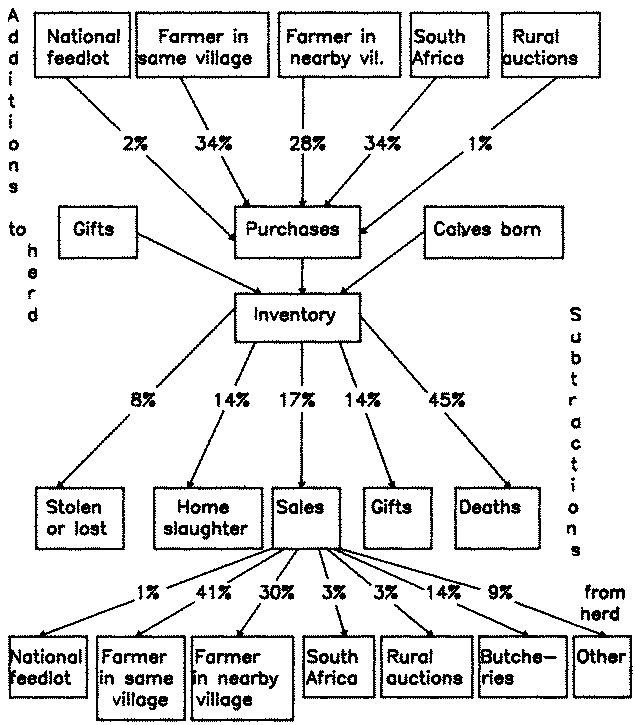
16. Apart from own-herd offspring, Basotho cattle owners acquire animals through purchases and gifts. Of all animals purchased approximately one-third represent additions to the Lesotho national herd, the remainder are transfers between herds. Gifts also redistribute the national herd.
Table 1. Reproduction and mortality/slaughter statistics for Lesotho's cattle, sheep and goat populations - 1980/81 - 1984/85.
|
|
1980/1 |
1981/2 |
1982/3 |
1983/4 |
1984/5 | |
|
Cattle | ||||||
|
|
Total herd size |
589,975 |
562,372 |
537,517 |
529,125 |
522,125 |
|
|
Number of females (2 years & above) |
291,752 |
280,074 |
263,547 |
250,500 |
247,406 |
|
|
Number of calves |
38,155 |
42,010 |
54,361 |
58,000 |
40,438 |
|
|
Calves/female (%) |
13 |
15 |
21 |
23 |
16 |
|
|
Total death or slaughter |
58,053 |
74,601 |
80,625 |
85,282 |
89,412 |
|
Sheep | ||||||
|
|
Total herd size |
1168,404 |
1337,448 |
1279,499 |
1280,975 |
1412,188 |
|
|
Number of females (1 year ' above) |
691,316 |
719,721 |
707,089 |
727,575 |
777,031 |
|
|
Number of lambs |
231,987 |
253,550 |
312,979 |
309,625 |
327,438 |
|
|
Lambs/female (%) |
34 |
35 |
44 |
43 |
42 |
|
|
Total death or slaughter |
147,019 |
119,949 |
217,600 |
234,594 |
245,051 |
|
Goats | ||||||
|
|
Total herd size |
766,535 |
930,413 |
872,145 |
856,900 |
1028,625 |
|
|
Number of females (2 years & above) |
444,964 |
528,350 |
479,550 |
504,925 |
582,562 |
|
|
Number of kids |
161,610 |
222,088 |
227,363 |
184,000 |
242,250 |
|
|
Kids/female (%) |
36 |
42 |
47 |
36 |
42 |
|
|
Total death or slaughter |
179,652 |
58,505 |
103,850 |
136,531 |
162,026 |
Source: Lesotho Bureau of Statistics. Several years.
17. Basotho dispose of their animals in a number of ways: cattle die and are subsequently slaughtered for home consumption; cattle are given away, often as part of bridewealth payments; cattle are butchered for ceremonies or home consumption; cattle are lost or stolen; and cattle are sold or traded. Of the cattle sold (only about 17% of total disposal), most are sold to neighbouring farmers as herd replacements or for slaughter, others are sold to botchers, a small number are exported to South Africa, and a few are sold at rural auction sales or directly to the new National Abattoir/Feedlot Complex (Figure 3).
Figure 3. Marketing channels utilized by Basotho cattle owners
Source: Swallow, Mokitimi and Brokken (1986)
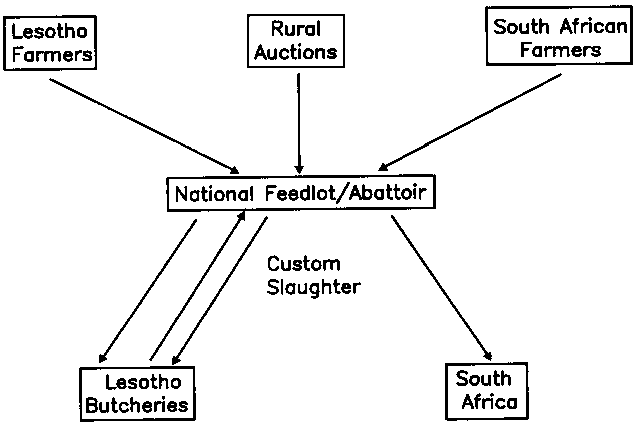
18. The National Feedlot/Abattoir complex (NFAC) is the largest single purchaser of cattle in Lesotho. The NFAC purchases animals at its premises and is the dominant, and often only purchaser of cattle at LPMS rural auction sales. Shortages of Lesotho cattle require the NFAC to rely on South African suppliers for many of the cattle to be fattened and slaughtered. The NFAC markets most of its beef carcasses to lowland butcheries. The National Abattoir also does a large business in custom slaughter (Figure 4).
Figure 4: Marketing channels utilized by the National Feedlot/Abattoir Complex
Source: Swallow, Mokitimi and Brokken (1986)
19. The LPMS facilitates cattle marketing through the organisation of rural auction sales. Over the past five years sales have been held in 25 locations scattered across Lesotho. Most of the cattle marketed through the auctions originate from mountain locations. Cattle are then trekked and/or trucked to Maseru.
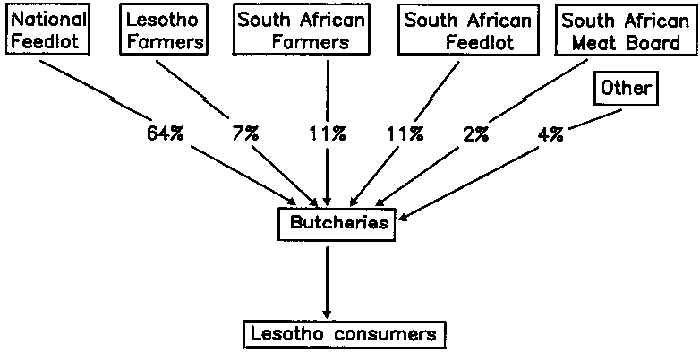
20. Licensed butcheries are very important actors in the marketing system. Butcheries purchase cattle from the National Feedlot (many of which are imported by the Feedlot), Lesotho farmers, South African farmers, South African feedlots, and the South African Meat Board (Figure 5).
Figure 5: Marketing channels utilized by Basotho butcheries
Source: Swallow, Mokitimi and Brokken (1986)
21. In quantity terms, the most important marketing channels are the informal channels which link producers. Most of the cattle traded in these informal markets are males, primarily mature males destined for service as draught animals and ultimately for slaughter. The average price received for a sample of 90 male cattle sold between July 1984 and June 1985 was M443 3. This compares to the average price of M340 received by farmers at rural auction sales in 1985. This price difference is likely due to a number of factors including: thinly-traded local markets, restrictions on imports, and the fact that live cattle produce many products, including draught, dung and milk, while dead or slaughtered animals produce beef and offal.
22. After farmers (which account for a combined 71% of the number sold by cattle owners), the second most important marketing channel which cattle owners we for sale are the butcheries (14%). Butcheries dominate the formal marketing channels, purchasing live animals from Lesotho producers, the National Feedlot, and South African suppliers. They are the dominant purchasers of carcasses from the National Abattoir and have large numbers of cattle custom slaughtered at the Abattoir. Butcheries dominate commercial sale of beef and offal to Lesotho consumers in both urban and rural areas.
23. The National Abattoir/Feedlot Complex now plays important intermediary functions in the cattle and beef markets. It is the dominant purchaser of cattle at the LPMS rural auctions sales and the largest importer of live cattle into Lesotho. It sells both fattened animals and carcasses in Lesotho and South Africa, and performs a relatively large amount of custom slaughter.
24. In comparison to the other marketing channels, the LPMS rural auctions are relatively unimportant to cattle producers, butcheries and beef consumers. In 1985 only 1,155 heads of cattle were marketed through the auctions (Swallow, Mokitimi and Brokken, 1986).