Pelagic fish.
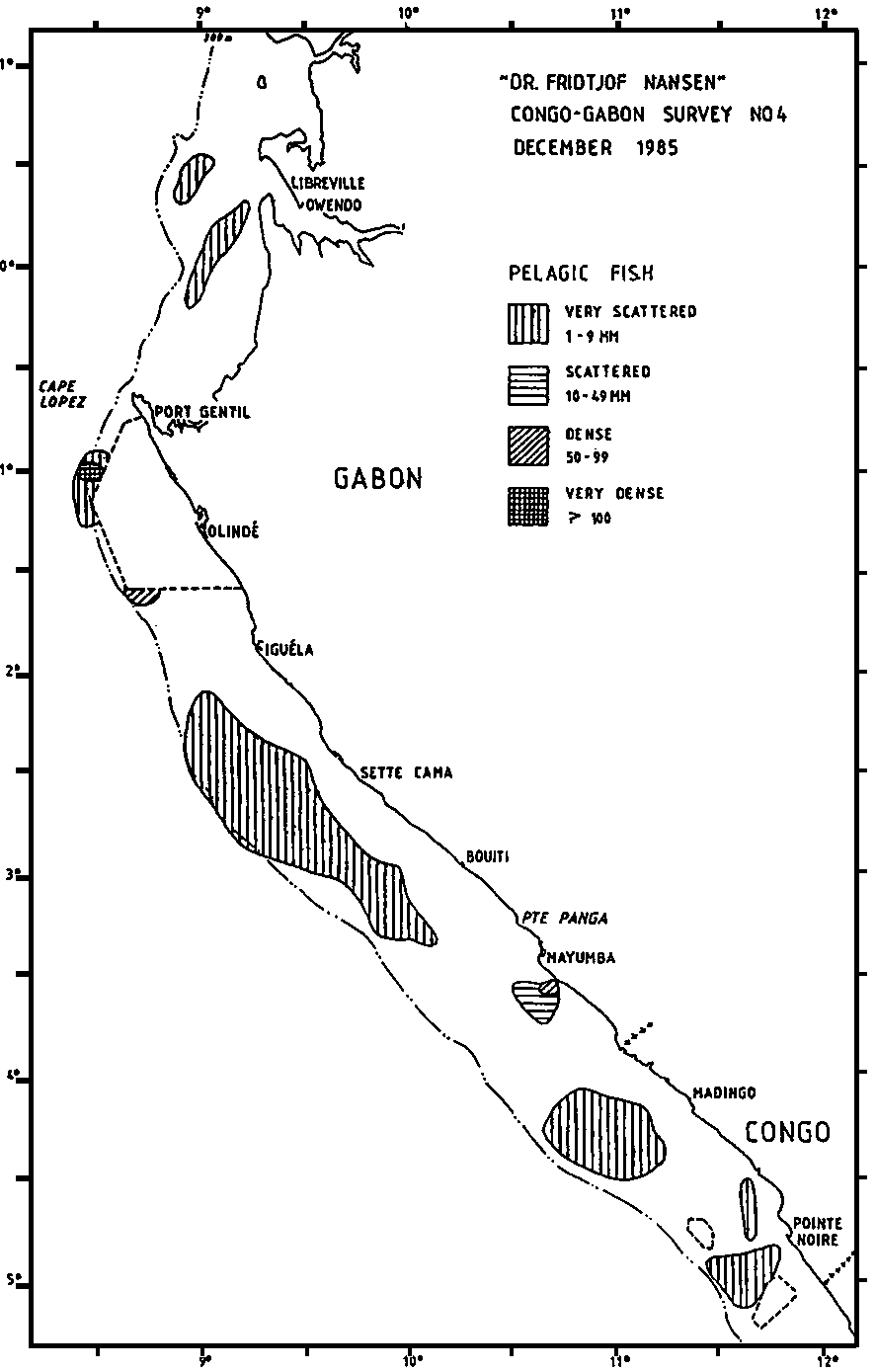
The distribution of the small pelagic resources is shown in Figure 4. The level of pelagic fish has dropped considerably since the previous survey (September). These resources seem to be back to the state of the first coverage in March. As earlier the pelagic fish consists of young stages of Trachurus trecae (10 & 17 cm mod.1.), Sardinella aurita (13 & 19 cm mod.1.). Decapterus punctatus (9 & 18 cm mod.1.) and some Engraulis encrasicholus (11 cm mod.1.). The triggerfish, Balistes capriscus, did not form noticeable parts of the pelagic resources during the last survey. The biomass is estimated to 55 thousand tonnes. The estimate from the first survey was 100 thousand tonnes, of which 52 thousand tonnes were triggerfish. The two estimates on other pelagics are thus in close agreement. A regettably weak element in the investigations is the non-covered oil-drilling area south of Cape Lopes, which might hold significant resources. Part of the variations in the resources can be due to seasonal migrations in and out of this area. As permission to operate in this area was not received, it had to be omitted from the investigations.
Demersal fish.
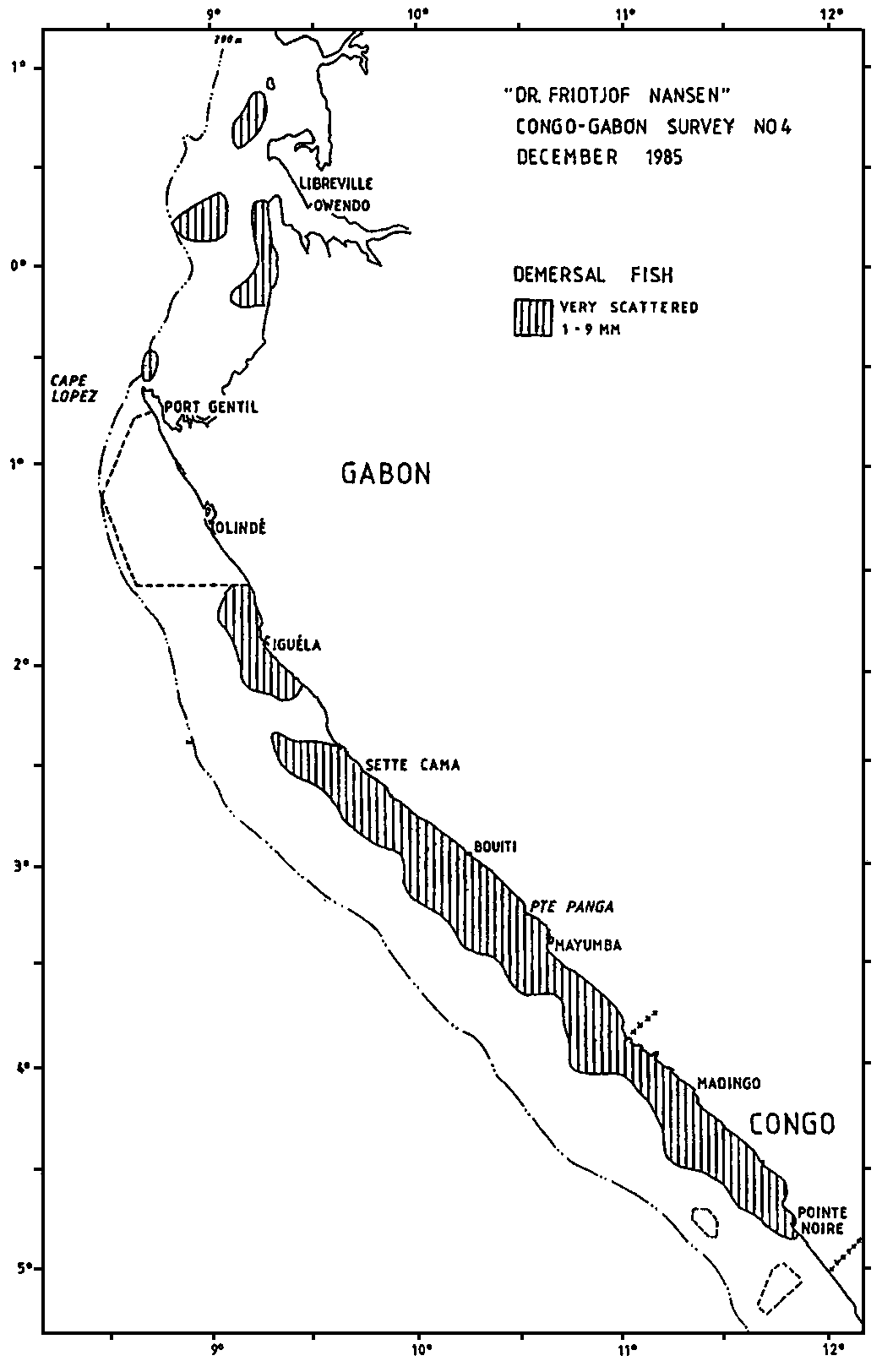
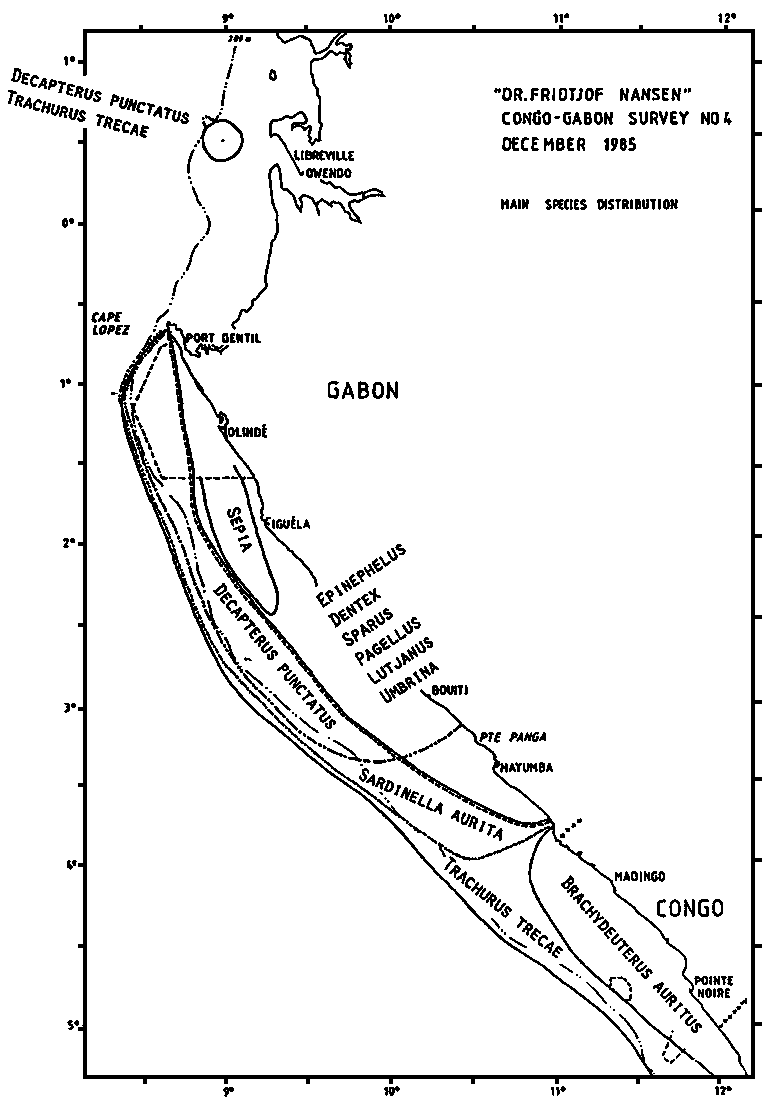
The demersal resources come out with exactly the same estimate as from the previous survey: 40 thousand tonnes from the acoustic survey, and 120 thousand tonnes from the trawl survey. In Congo the demersal fish consists mainly of Brachydeuterus auritus. From Point Panga and north to Cape Lopez the demersal fauna contains notable elements of marketable fish such as groupers (Epinephelus), seabreams (Dentex, Sparus, Pagellus), snappers (Lutjanus) and drums (Umbrina). An interesting finding was a field rich of cuttlefish (Sepia), located off Iguela.
North of Cape Lopez the demersal resources were very scarce. Mean density was here 5 tonnes/km sq. while south of the Cape it was 45 tonnes/km sq., based on the trawl survey.
The main locations of the most dominating species is shown in Figure 6.
Biomass estimates (thousand tonnes):
Acoustic surveys
|
|
Congo |
Gabon |
Both |
||||||
|
|
Pel |
Dem |
Tot |
Pel |
Dem |
Tot |
Pel |
Dem |
Tot |
|
Survey I |
30 |
5 |
35 |
70 |
25 |
95 |
100 |
30 |
130 |
|
Survey II |
50 |
10 |
60 |
40 |
25 |
65 |
90 |
35 |
125 |
|
Survey III |
55 |
22 |
77 |
145 |
18 |
165 |
200 |
40 |
240 |
|
Survey IV |
7 |
10 |
17 |
48 |
30 |
76 |
55 |
40 |
95 |
|
|
Survey I |
125 |
|
|
Survey II |
160 |
|
|
Survey III |
120 |
|
|
Survey IV |
120 |
|
|
Mean four surveys |
130 |
Pooled and statistically unweighted distributions of the most-common species are shown in appendix III.
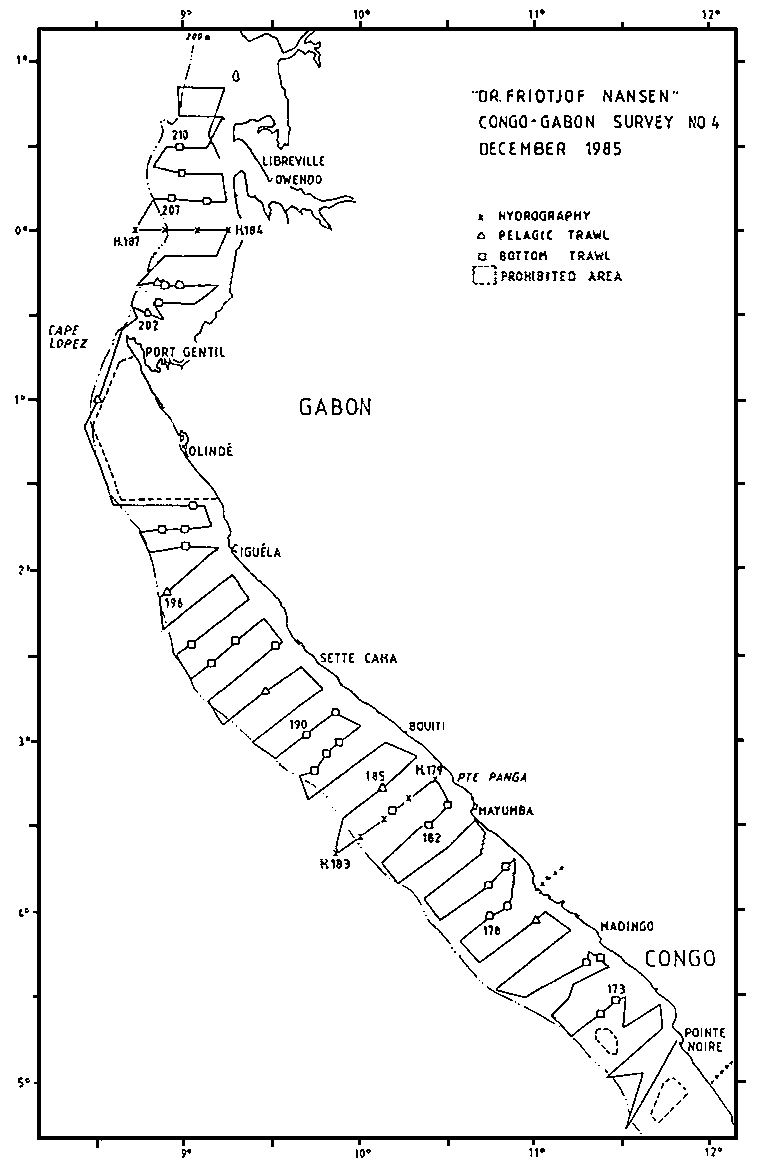
Figure 1. Cruise track and stations worked.
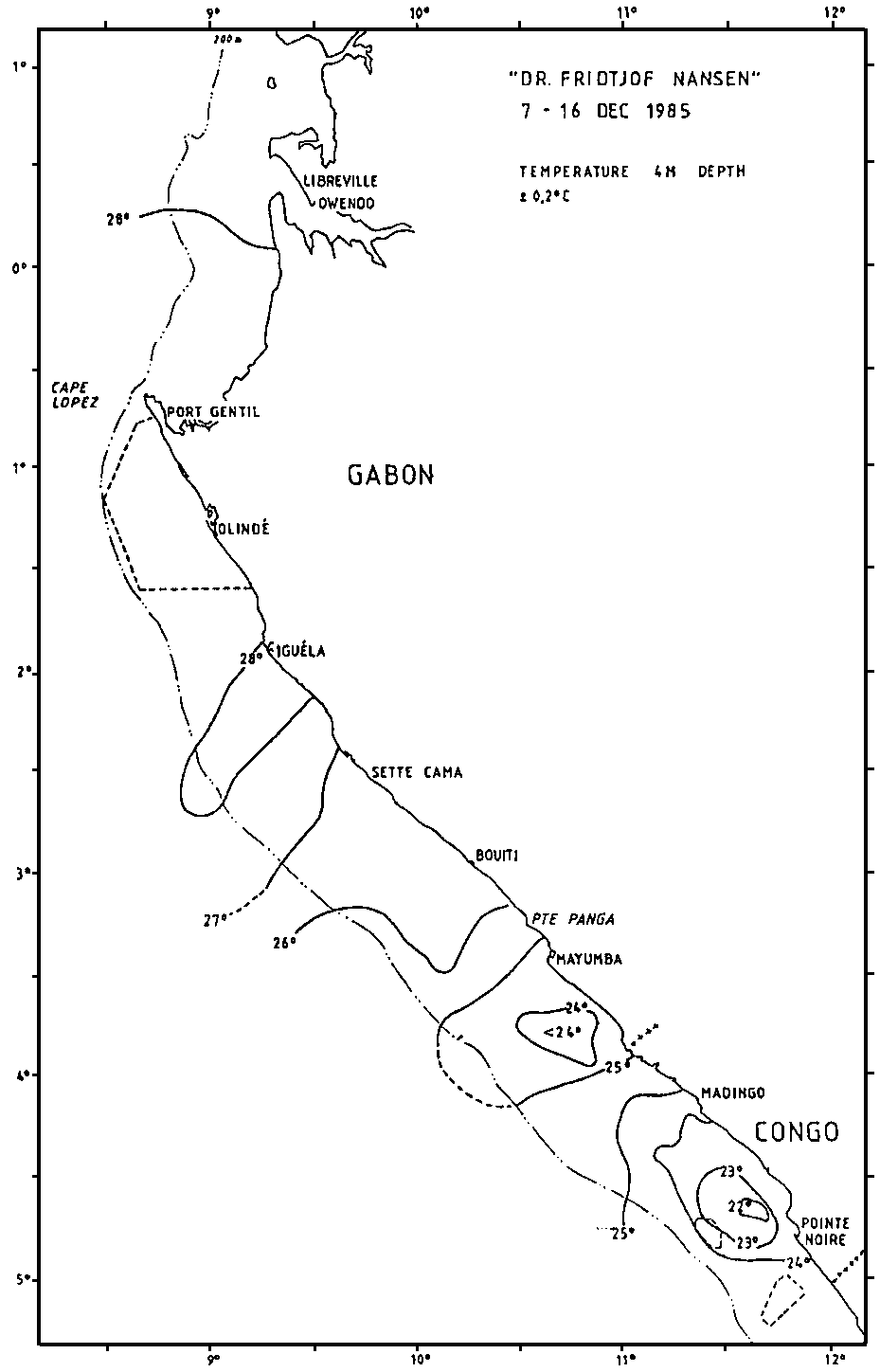
Figure 2. Temperature at 4m depth.
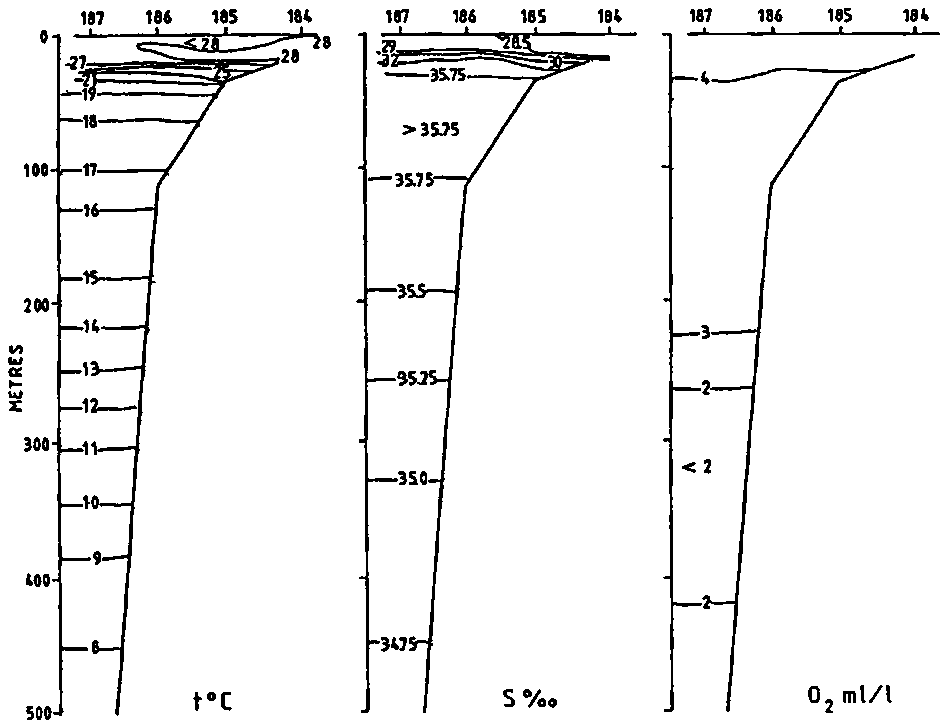
Figure 3. The hydrographical sections. EQUADOR 15 DEC 1985
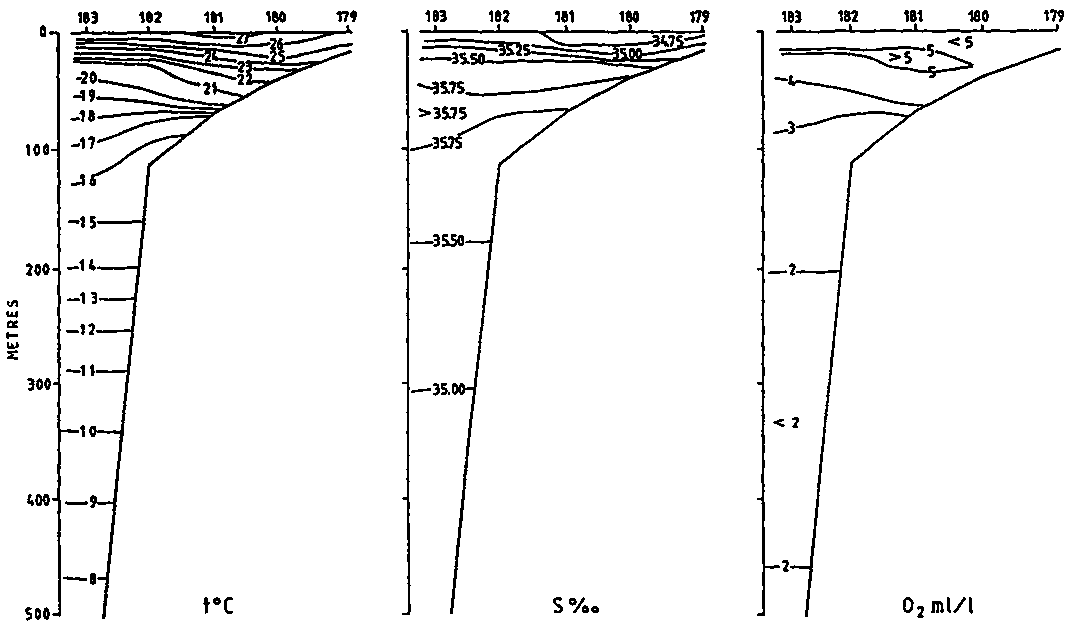
Figure 3. The hydrographical sections. PTE. PANGA 10 DEC 1985
Figure 4. The distribution of small pelagic fish.
Figure 5. The distribution of demersal fish from acoustic registrations.
Figure 6. Main distribution of dominating species.