


National Reporting step 2: Report by Thematic Areas
South Africa’s pilot study
Sebueng Kelatwang
Outline
• Background
• Relevant variables
• Trends over time
• Temporal changes in variables
• Summary Conclusion
Background
• A consultative process was undertaken to develop Criteria and Indicators;
• There are 8 principles, 7 of which are similar to FRA 2005 thematic areas;
• Only one principle is unique to South Africa, i.e. advancement of previously disadvantage communities;
• There are 72 variables with 139 measures.
• 54 of the variables are similar to FRA;
• It was possible to package all the different variables under the respective 6 thematic area
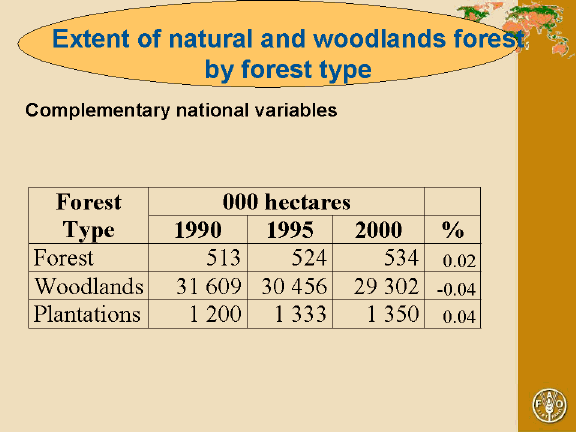
Extent of natural and woodlands forest by forest type
Complementary national variables
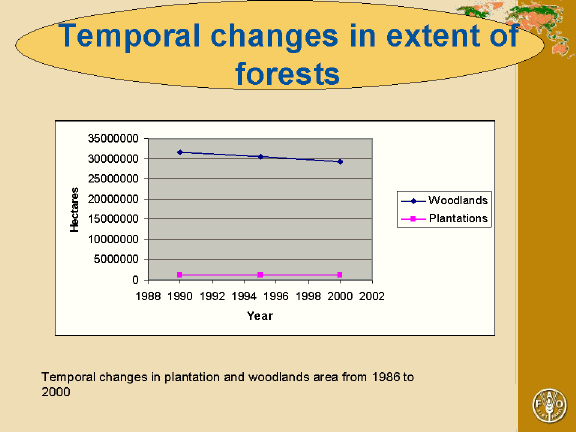
Temporal changes in extent of forests
Temporal changes in plantation and woodlands area from 1986 to 2000
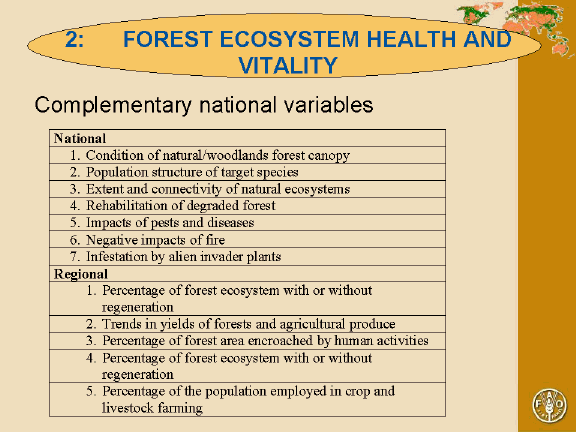
2: FOREST ECOSYSTEM HEALTH AND VITALITY
Complementary national variables
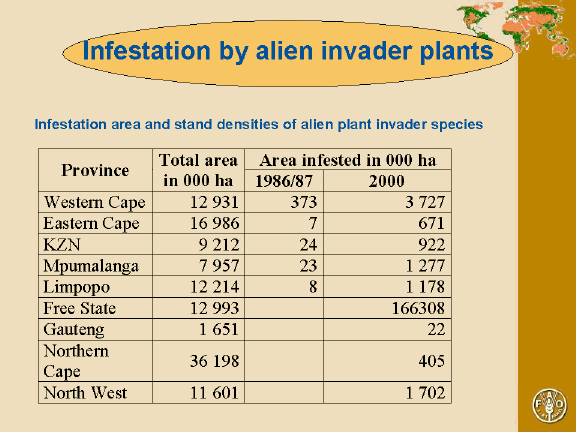
Infestation by alien invader plants
Infestation area and stand densities of alien plant invader species
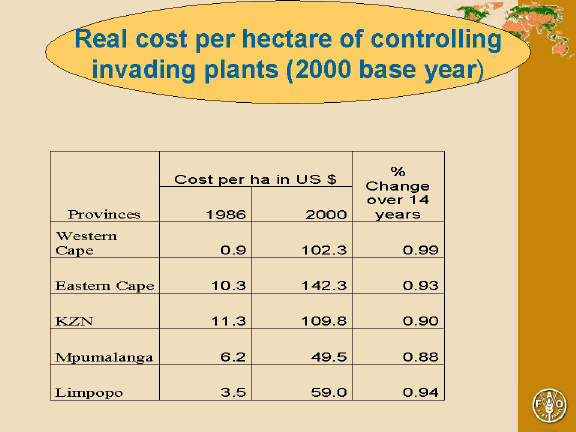
Real cost per hectare of controlling invading plants (2000 base year)
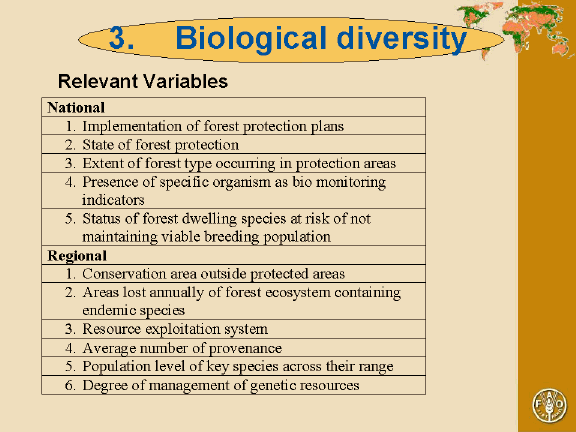
3. Biological diversity
Relevant Variables
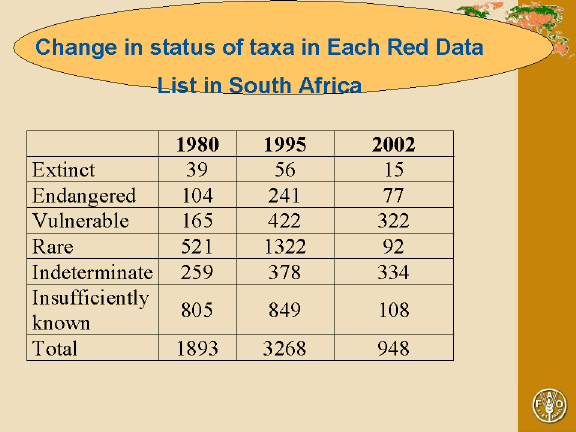
Change in status of taxa in Each Red Data List in South Africa
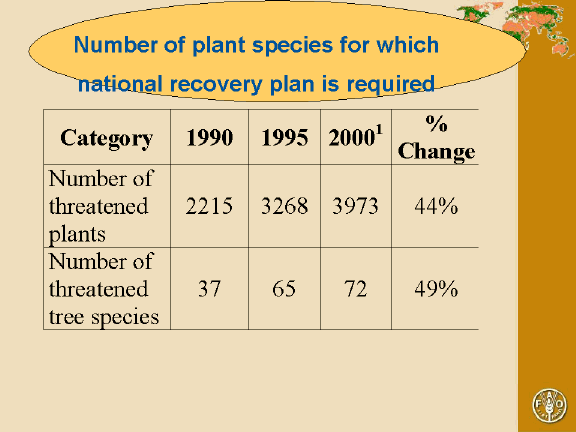
Number of plant species for which national recovery plan is required
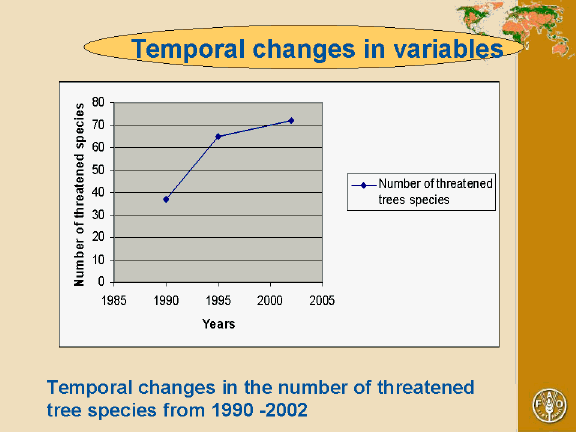
Temporal changes in variables
Temporal changes in the number of threatened tree species from 1990 -2002
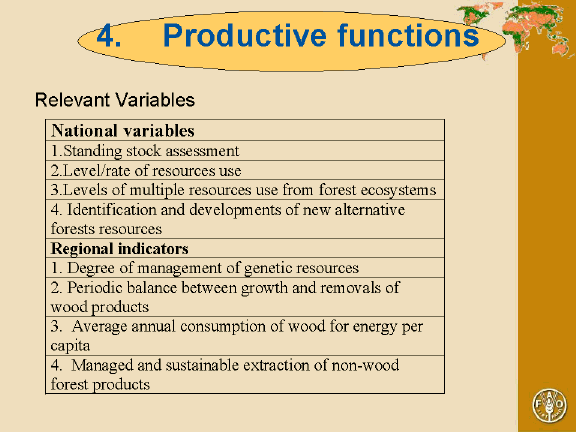
4. Productive functions
Relevant Variables
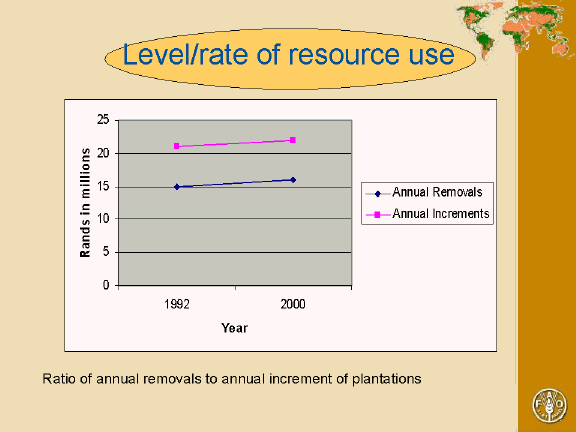
Level/rate of resource use
Ratio of annual removals to annual increment of plantations
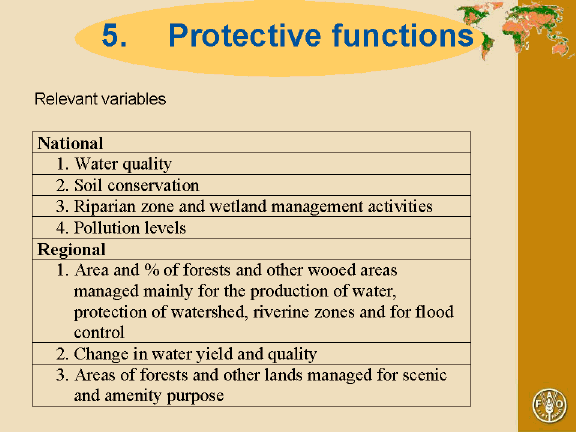
5. Protective functions
Relevant variables
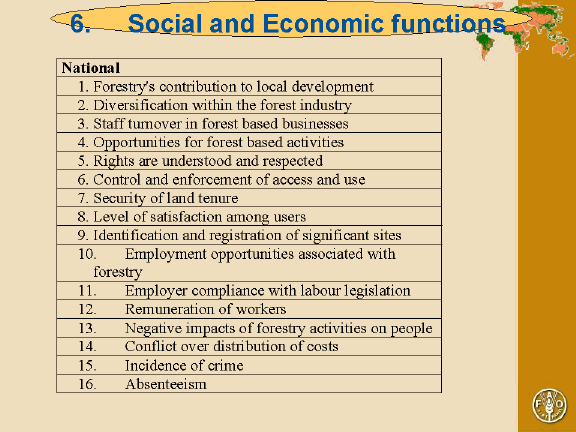
6. Social and Economic functions
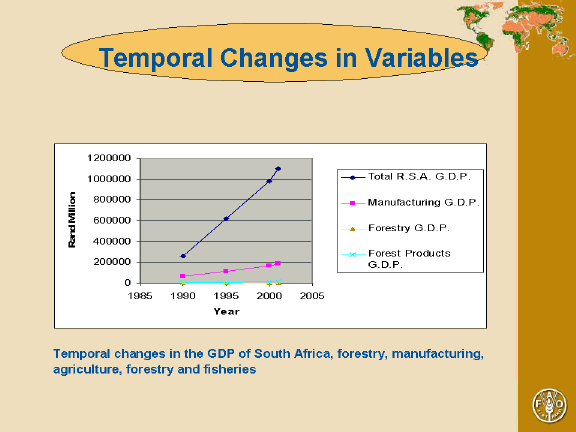
Temporal Changes in Variables
Temporal changes in the GDP of South Africa, forestry, manufacturing,
agriculture, forestry and fisheries
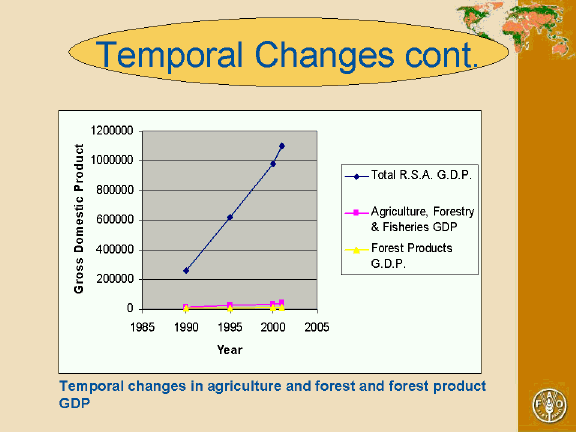
Temporal Changes cont.
Temporal changes in agriculture and forest and forest product GDP
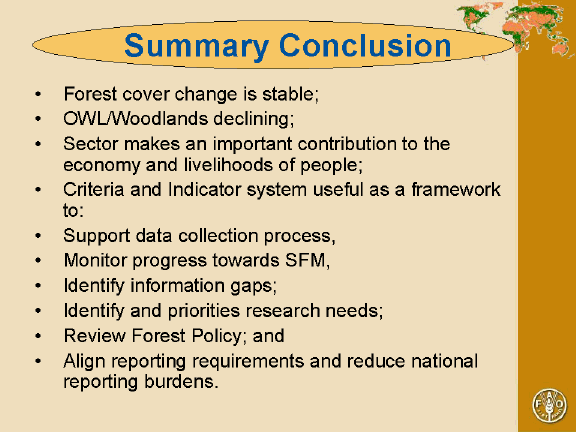
Summary Conclusion
• Forest cover change is stable;
• OWL/Woodlands declining;
• Sector makes an important contribution to the economy and livelihoods of people;
• Criteria and Indicator system useful as a framework to:
• Support data collection process,
• Monitor progress towards SFM,
• Identify information gaps;
• Identify and priorities research needs;
• Review Forest Policy; and
• Align reporting requirements and reduce national reporting burdens.
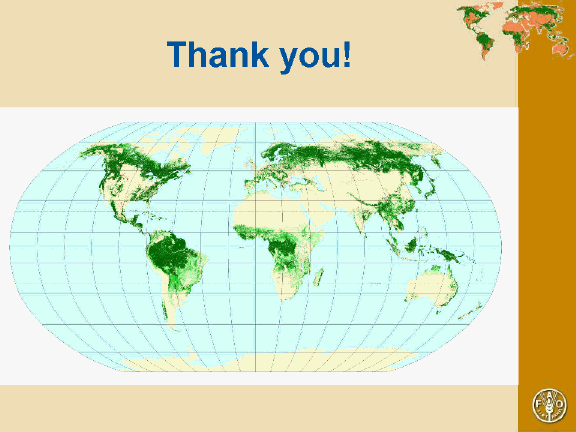
Thank you!
