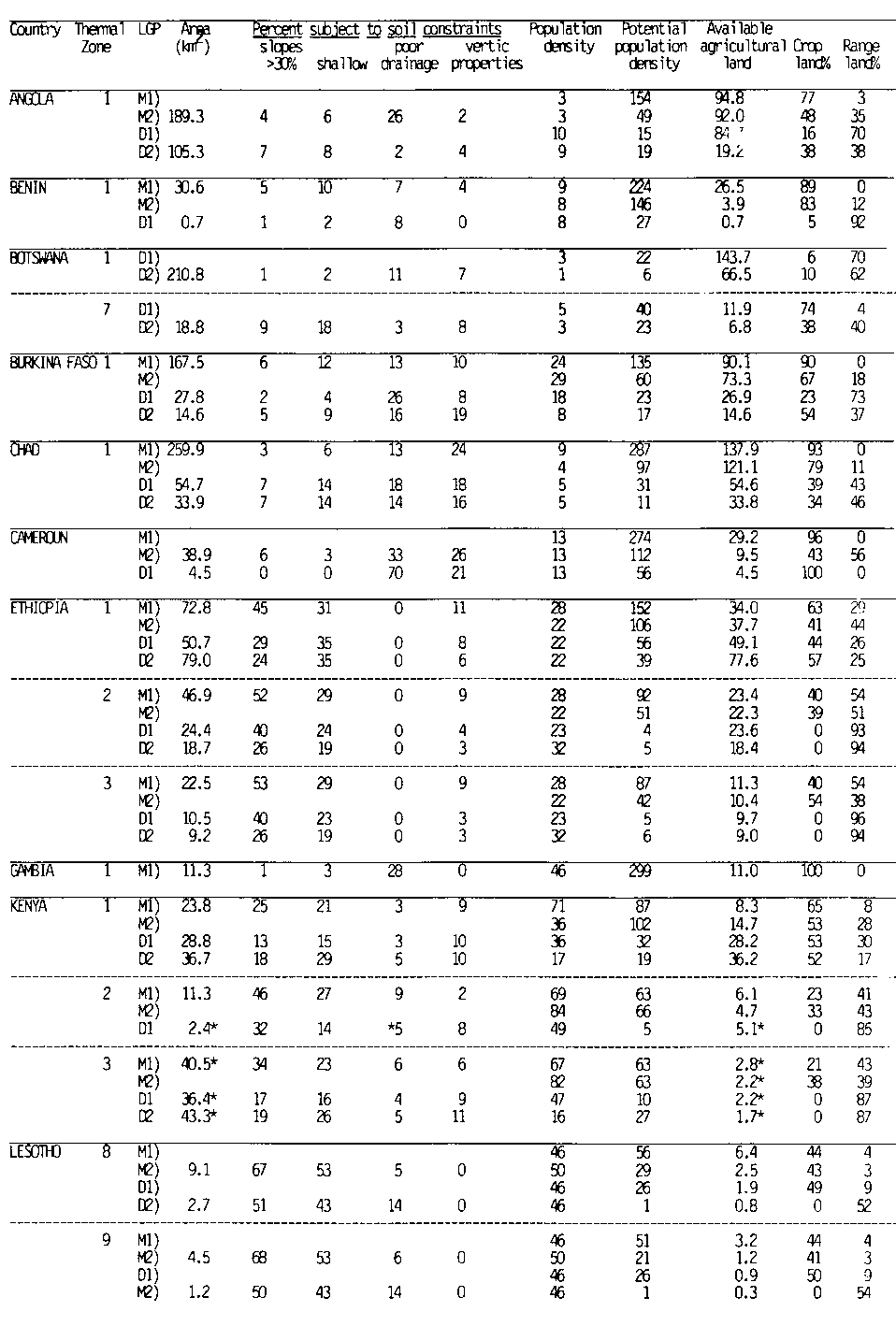
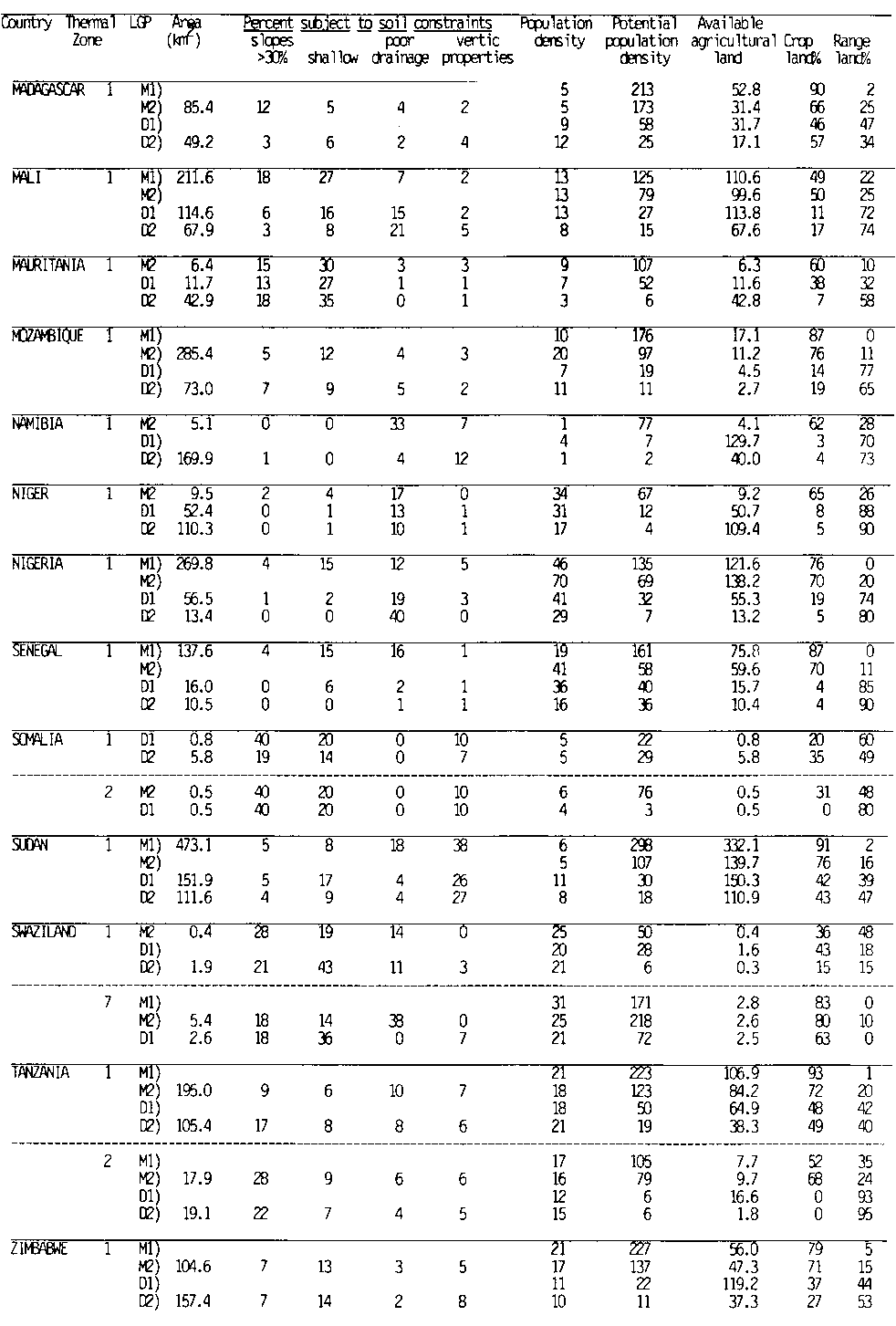
Explanation of column headings
Thermal zones;
|
|
MC 1 |
Warm tropics |
|
|
MC 2 |
Moderately cool tropics |
|
|
MC 3 |
Cool tropics |
|
|
MC 7 |
Warm sub-tropics (summer rainfall) |
|
|
MC 8 |
Moderately cool sub-tropics (summer rainfall) |
|
|
MC 9 |
Cool sub-tropics (summer rainfall) |
Soil constraints (as defined by the FAO):
|
|
Slopes |
>30% Steeply dissected to mountainous terrain with dominant slopes of more than 30%. |
|
|
Shallow soils |
Mostly Lithosols and other soils with a restriction for deep root penetration or mechanised tillage. Subject to erosion when on steep slopes. |
|
|
Poor drainage |
Mostly gleysols and other soils with water during part of the year or prone to waterlogging. Require drainage for most crops, except rice. |
|
|
Vertic properties |
High content of clay with shrinking and swelling properties. Tillage difficult when topsoils too dry or too moist. |
Population density: based on estimated populations for about 1975.
Potential population density: FAO (1982) computed population supporting capacities at three levels of inputs - low (present), or unimproved land use), intermediate, and high (full use of improved productivity and conservation practices). The intermediate estimate is given here, as a guide to the scope for increased density.
Available agricultural land: the total area, minus an allowance for nonagricultural use, usually a function of the size of the population.
Cropland: rainfed plus irrigated cropland.
Rangeland: grazing areas (not including unused land).
na: not available.
* Area figures differ in the FAO sources.
LGP sub-zones
|
|
M 1 |
150-179 growing days |
|
|
M 2 |
120-149 growing days |
|
|
D 1 |
90-119 growing days |
|
|
D 2 |
75-89 growing days. |