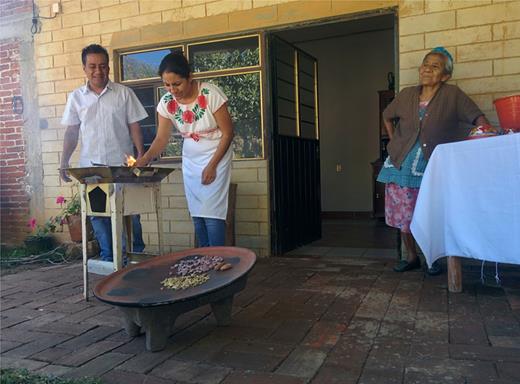
Not yet at the table: The absence of food culture and tradition in agroecology literature
This review of agroecology’s current work on culture and food traditions—a principle of the field and one of the FAO’s 10 Elements of Agroecology—reveals two things. First, although culture and tradition are frequently mentioned in passing, there is little published literature detailing how they intersect with agroecology. Second, mentions of tradition and culture in this corpus reveal scholarly assumptions that practicing agroecology or food sovereignty will naturally result in unspecified healthy, diversified, community-driven food choices. But consumption practices shape production practices at least as much as the reverse. Food cultures are complex, shifting, and geographically and historically informed, and must be considered within their rich contexts. Agroecology needs to critically engage with the kitchen and the table in order to achieve the holistic and multi-faceted agricultural transformations imagined by the FAO and others.