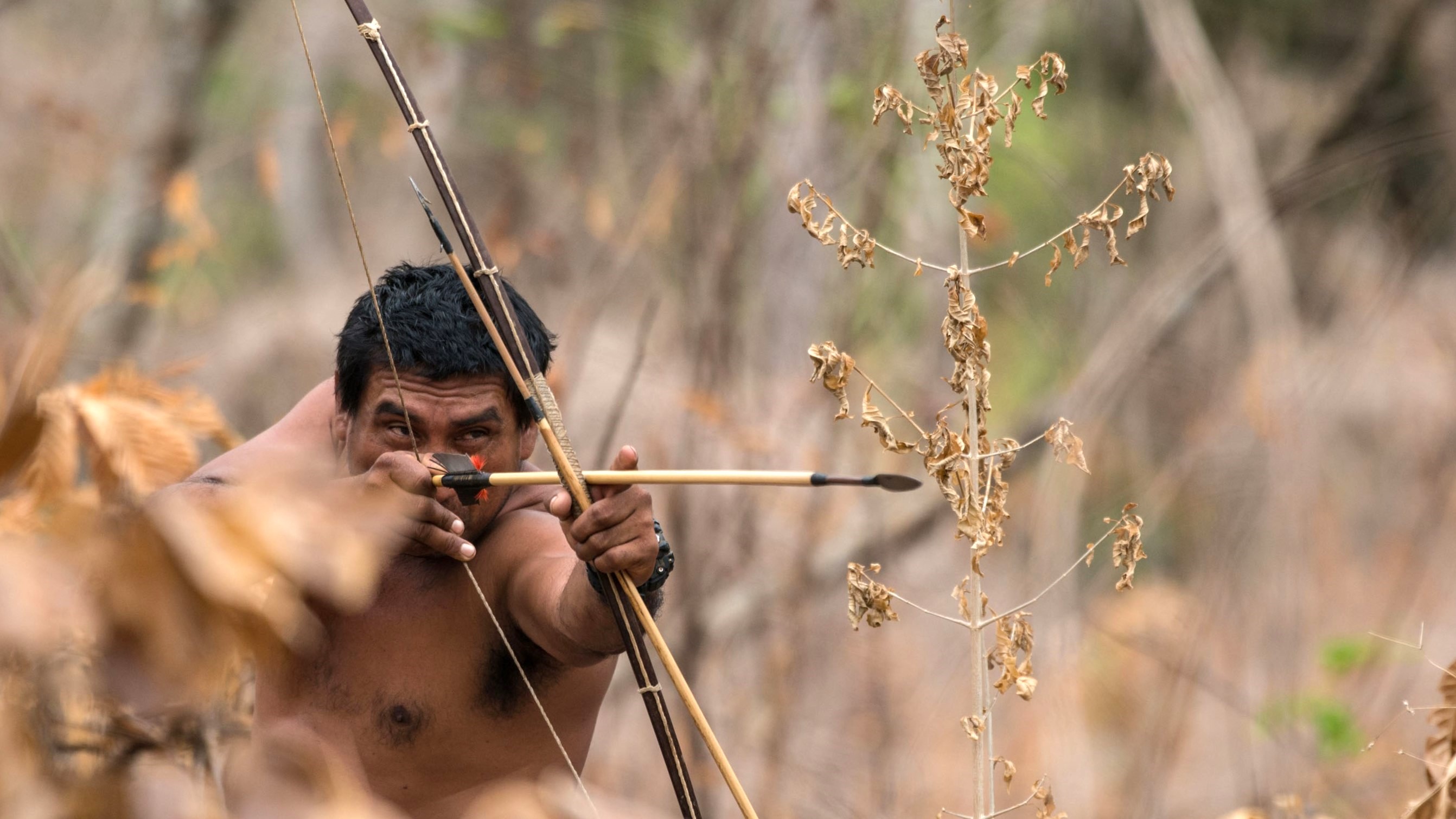
The High Level Panel of Experts on Food Security and Nutrition (HLPE-FSN) of the Committee on World Food Security (CFS) is delighted to announce its new drafting team, selected to work on the upcoming HLPE-FSN report on “Preserving, strengthening and promoting Indigenous Peoples’ food and knowledge systems and traditional practices for sustainable food systems”.
This report, requested by the Committee on World Food Security as part of its four-year Programme of Work (MYPOW 2024-2027), will be presented at the 54th Plenary Session of the CFS predictably in October 2026. It aims to provide a synthesis of available grounding action-oriented policy recommendations to preserve and strengthen Indigenous Peoples’ food and knowledge systems, promoting sustainable food systems while contributing to achieving food security and nutrition and advancing the SDGs, including SDGs 1, 2, 10, 12, 13, and 15.
The drafting team was selected through a rigorous process that prioritizes scientific and technical relevance, as well as regional and thematic expertise. The HLPE-FSN Steering Committee has nominated an interdisciplinary team equipped to address the multidimensional, intersectional aspects of Indigenous food systems, traditional knowledge and sustainable practices.
The drafting team members
- Kamaljit K Sangha (Team Leader): Associate Professor of Ecological Economics at Charles Darwin University, Australia, comes from a local, small-scale farming background and with more than 20 years of experience working with Indigenous Peoples in Australia, India, and Tanzania. Specialized in linking ecosystem services with Indigenous wellbeing and in evaluating non-monetary ecosystem services, her work informs the Science-Policy interface. She has participated in several UN-led initiatives, such as IPBES Nexus Assessment, and UNEP-GEO7 Report and is a member of its Indigenous Knowledge Taskforce, and a Co-Chair of IUCN-CEESP led Local Economies Communities Nature Specialist Group.
- Ana Felicien: Venezuelan agroecology researcher based in the Brazilian Amazon. Holds a PhD in Family Farming and Sustainable Development from the Federal University of Pará (UFPA), Brazil, and an MSc in Tropical Ecology from the University of Los Andes (ULA), Venezuela. Works on food practices and food systems in traditional and Indigenous communities. Experienced in national seed policy, family farming, and international initiatives, including the Sixth Assessment Report of the IPCC, the Political Agroecology Working Group of the Latin American Council of Social Sciences (CLACSO), and UNESCO’s International Food Atlas project.
- Viliamu Iese (Vili): Senior Research Fellow, University of Melbourne; Samoan Matai and citizen of Tuvalu. Research on climate change resilience, drought impacts, and Pacific Islands Indigenous Peoples’ food systems. Holds multiple advisory roles in UNDRR, WMO, a Lead Author in the IPCC AR7 Working Group 2 and a Co-Chair of the IUCN Pacific Technical Working Group on Nature-Based Solutions.
- Clement Lenachuru: member of the Ilchamus Indigenous community, Kenya. PhD in Rangeland Ecosystem Science; Professor at Egerton University. Works on food security and sustainable land use through traditional systems and community empowerment projects.
- Sherry Pictou: Mi’kmaw Associate Professor at Dalhousie University, Canada, with a Tier 2 Canada Research Chair in Indigenous Governance. Former Chief of her community; research on Indigenous governance, food systems, and gender justice; served on IPBES Indigenous Knowledge Task Force.
- Ravdna Eira Sara: Sámi PhD candidate and Assistant Professor at Sámi University of Applied Sciences, Norway. Expertise in Indigenous reindeer pastoralism, sustainable Arctic food systems, and Indigenous land stewardship. Her ongoing PhD research focus on Sámi herders’ Indigenous knowledge and food systems . Represents Arctic and Scandinavian Indigenous perspectives in food system adaptation and climate resilience.
- Francisco Rosado May: Full Professor and Founding President of the Intercultural Maya University, Mexico. Expertise in Indigenous food systems, agroecology, and intercultural knowledge co-creation, with emphasis on Yucatec Maya traditions. Author of more than 100 publications and contributor to IPBES and FAO initiatives.
- Thingnganing Longvah: Fellow at the Centre for Indigenous Peoples’ Food Systems. Retired Director-grade Scientist, National Institute of Nutrition, India. Expert in food composition, nutrition, and Indigenous food systems. Pioneer of the Indian Food Composition Database (IFCT 2017); Global Vice Coordinator of INFOODS.
The team have started working on the outline of the report, taking into account the outcomes of the consultation on the scope of the report.
Consultations open to Indigenous Peoples, rights-holders, policymakers, UN agencies, and the scientific community will contribute to ensuring the report reflects both traditional knowledge and scientific evidence to inform global food system policies.
HLPE-FSN experts serve in their personal capacities and are not remunerated.
The contribution of current donors of the HLPE-FSN – the European Union, the Swiss Confederation, the French Republic, and the Principality of Monaco – that support the work of this drafting team, is gratefully acknowledged.