
Target countries: Global
Lead members: FAO, UNEP, UNDP and UNFCCC
Timeframe: 2021–2028
Contributions to forest-related goals: GFGs1, 2, 3, 5 and 6, all KMGBF Targets, SDGs 3, 6, 11, 12, 13, 14, 15
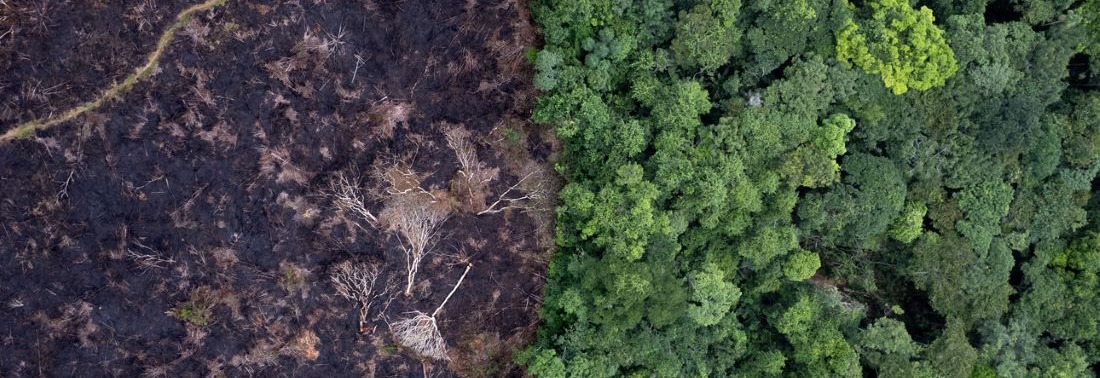
The joint initiative, under the auspices of the UN Secretary-General, contributes to several global forest goals, particularly Global Forest Goal 1, through advocacy and targeted activities to promote scaled up global ambitions to halt deforestation.
There is a global trend of declining deforestation rates, attributable mainly to domestic policies and enforcement efforts. However, deforestation trends remain high where there are challenges such as poverty, governance, and limited political will. This initiative focuses on providing data, analysis and policy options to support countries in their land-use choices and in managing competing land-use demands and supporting solutions for accelerating action. This includes advocacy and targeted activities to enhance cross-sectoral integration, especially between agriculture and forestry, to jointly advance climate, biodiversity, and sustainable development objectives. The initiative also aims to keep forests high on the global climate agenda and enhance the integration of forests into countries’ Nationally Determined Contributions. Through the Joint Call to Action for Forests towards 2030, at the high-level event on the value of forests during the 2023 UN General Assembly, the CPF communicated the urgency of closing the financing gap to tackle the full scale of deforestation and advocated for stronger integration of land-use change and forestry in enhanced nationally determined contributions. Continuing and intensifying these efforts are a key component of the CPF’s work.
Forests act as essential climate regulators, serving as carbon sinks and helping mitigate extreme weather events. They cover 31% of Earth’s land area, totaling just over 4 billion hectares, and support nearly 6 billion people worldwide by providing non-timber forest products essential for daily needs. Additionally, around 3.3 billion people live within one kilometer of a forest, relying on them for crucial resources and livelihoods.
Halting deforestation is not only vital for addressing climate change but also essential for achieving global sustainability targets, as called for in the SDGs, the UN Strategic Plan for Forests 2030, and the UN Decade on Ecosystem Restoration.


