
Strengthening women’s leadership and investment readiness in Mediterranean and Black Sea aquaculture
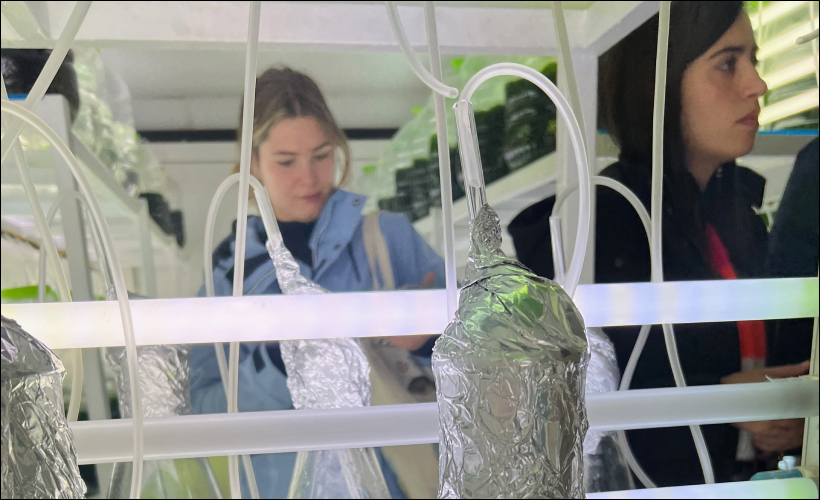
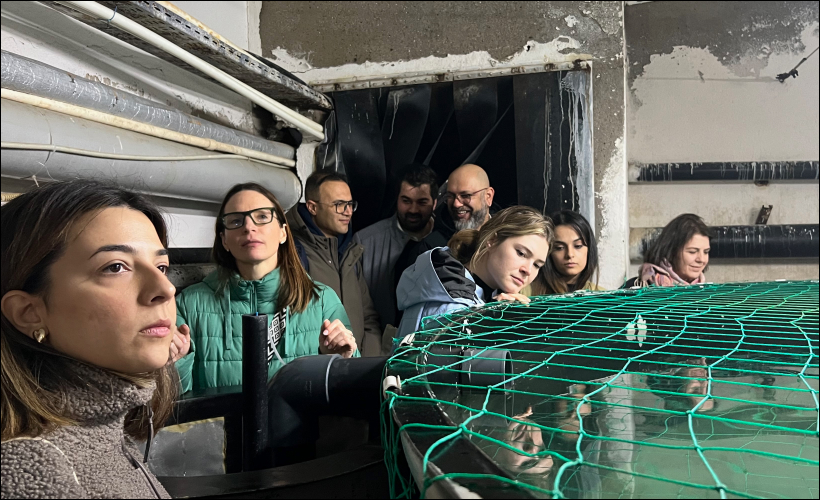
Women aquaculture professionals from eight Mediterranean and Black Sea countries completed an advanced training programme aimed at strengthening their leadership and investment readiness within a rapidly evolving aquatic food sector.

This workshop, organized by the General Fisheries Commission for the Mediterranean of the Food and Agriculture Organization of the United Nations, in partnership with the Federation of European Aquaculture Producers (FEAP), with the involvement of FEAP member Aegean Exporters’ Associations and with the support of the European Union, is part of an ongoing series of training series, with previous editions held in Greece, Spain and Tunisia.
Turning regional collaboration into practical training outcomes
“This training goes beyond technical skills. It reflects the commitment of GFCM Members and partners -particularly FEAP- not only to recognize the role of women in aquaculture, but also to turn this commitment into concrete actions that strengthen their contribution to the blue economy,” said Houssam Hamza, GFCM Aquaculture Officer.
The series aims to strengthen technical skills, facilitate the exchange of knowledge and experience, and build a professional network among women active in Mediterranean and Black Sea aquatic food systems. This network-building dynamic contributed to the creation of the Network of Women in Aquaculture, an initiative dedicated to promoting gender equality and inclusivity across the global aquaculture sector.
Why this matters for the region
Aquatic food systems in the Mediterranean and the Black Sea produce more than 2 million tonnes of food annually, generating USD 21.5 billion and supporting 1.17 million jobs along the value chain. Aquaculture relies on over 35 000 enterprises, most of them small- and medium-sized, and accounts for more than 45 percent of total aquatic food production in the region.
Women represent 29 percent of jobs across fisheries and aquaculture value chains. At the same time, aquaculture is expected to play an increasingly central role in meeting future food demand, with regional production needing to grow by 14–29 percent by 2050 to keep pace with population growth.
In this context, strengthening women’s leadership and investment readiness is increasingly recognized as critical for improving sector resilience, supporting sustainable growth, and ensuring that small- and medium-sized enterprises can adapt to challenges linked to climate change, disease, evolving technologies and regulatory complexity.
All images were provided by FEAP.