
Programmes
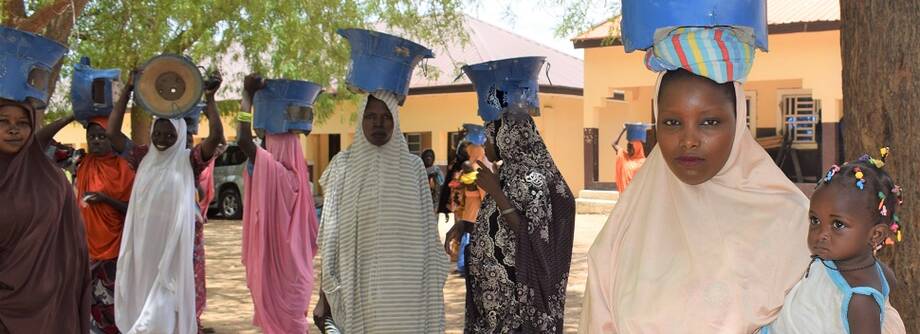
The CPF for Nigeria describes FAO’s medium term assistance priorities and results, derived from nationally defined priorities and objectives, to be achieved over the five-year period of the country’s programming cycle (2018-2022). In order to ensure its national ownership, the CPF has been prepared in close collaboration with key Ministries, Departments and Agencies (MDAs) of government at National and state levels, Non-Governmental Organizations (NGOs), Civil Society Organizations (CSOs) and major development partners. The CPF describes the five broad priority areas and outcomes for FAO assistance in the country.
Priority Area 1: Sustainable and inclusive agrifood systems for improved productivity
This priority area will pursue the following strategic themes:
• Improved productivity along the agriculture value chain benefitting women and men.
• Innovative, resilient, gender-responsive and climate smart agriculture production processes.
• Improved capacity for digitalization skill development for women and men.
• Improved strategies, policy implementation for decent agribusiness jobs, with a specific focus on women and the youth.
• Identification and monitoring of pest and disease prevention, early-warning and management of local and national health risks.
• One health.
The strategic theme is structured to ensure that this pillar is linked to FAO’s Better Production through the Programme Priority Areas - Innovation for sustainable agriculture production; Blue transformation; One Health; Equitable access to resources for small-scale producers and; Digital agriculture.
Agriculture in Nigeria is seen as the lever for the necessary diversification that can lead the country to sustainable development. The four broad groups of crops, livestock, forestry and fishery are important for job creation along the value chain and for rural transformation and development. Agriculture productivity shift to resilient agriculture and relevant measures are in place for sustained food security. There are two CPF outcomes and 10 output areas for Pillar A. The first outcome is directly aligned with UNSDCF outcomes 1.1 and 1.2, while the second CPF outcome is specific to the activities of FAO in Nigeria.
Priority Area 2: Increasing resilience of food and agriculture–based livelihood systems
Taking UNSDCF Outcome and related SDGs into consideration, this Priority area will pursue the following strategic theme:
• Early warning and early action systems;
• Capacity to monitor threats and assess current and future risks, shocks and vulnerabilities, including gender-related ones; and
• Humanitarian activities including rehabilitating, resettlement and reintegrating individuals into their respective communities, with a specific focus to women and the youths
This pillar is also associated with FAO’s strategic framework of Better Life -: Agriculture and food emergencies and Resilient agrifood systems
Priority Area 3: Healthy and nutritious diets
Nigeria has one of the highest incidences of malnutrition and food insecurity in the world, with women and the youths particularly affected. This Priority area will pursue the following strategic themes:
• Food safety and quality systems for all;
• Food and nutrition security for all;
• Reduction of waste and post-harvest losses, with specific attention to women processor; and
• Hand-in-Hand Initiative (HIH)
This third pillar of the CPF relates to UNSDCF 2.1 and SDGs 1, 2, 3, 13 and 16
Priority Area 4: Sustainable Natural Resources and Climate Management
Taking the UN priorities and Government of Nigeria policies into consideration, this pillar pursues the following strategic themes:
• Climate Action and Climate finance
• Natural resource and ecosystem management
• Increased and inclusive access to clean affordable and sustainable energy
The pillar also relates to SDGs 2, 12, 13, 14 and 15 as well as UNSDCF 2.2