


News
Global Report on Food Crises is a wake-up call
24/04/2024
FAO Director-General emphasizes importance of tackling root causes by increasing agricultural support in emergencies

News
Global Report on Food Crises: Acute hunger remains persistently high in 59 countries with 1 in 5 people assessed in need of critical urgent action
24/04/2024
Global Network Against Food Crises’ partners call for a transformative approach to break the cycle of acute hunger
Highlights
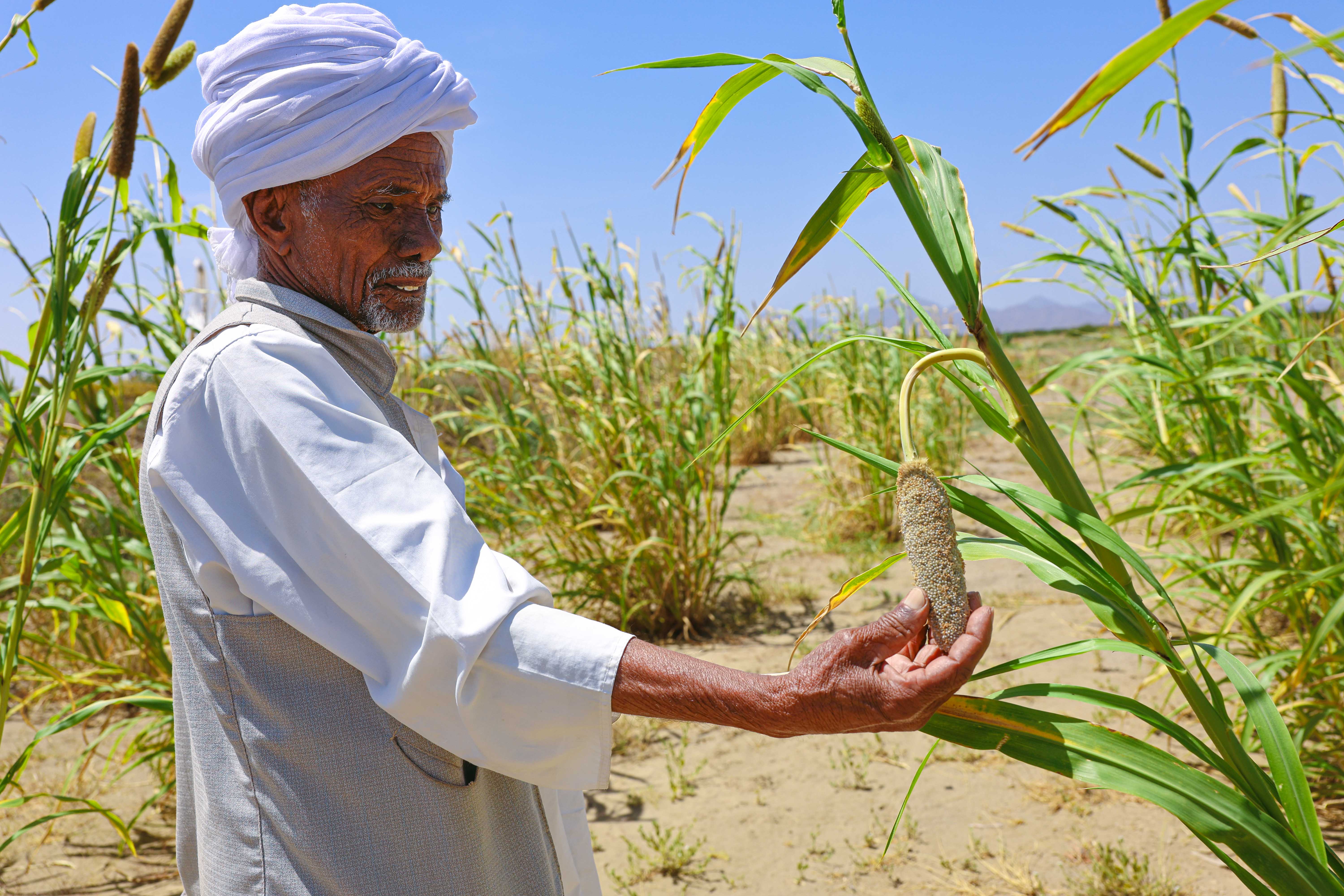
5 things you should know about how conflict in Sudan is devastating agriculture and people's food security
One year on from the start of the most recent hostilities in Sudan...

Anticipatory Actions to mitigate the impact of floods in the Sahel
16/04/2024
In 2022, West Africa experienced some of the worst flooding on record. Millions lost their homes. Thousands lost their lives. The heavy rainfall destroyed crops on close to three million hectares of farmland and killed more than one million head of livestock in six countries alone.

Famine is imminent in Gaza Strip - Interview with Rein Paulsen
19/03/2024
The food security situation in Gaza is catastrophic; famine is imminent in the Northern Governorates and there is a risk of famine across the rest of the Gaza Strip, according to a new report published March 18 by the Integrated Food Security Phase Classification (IPC) global initiative.

In focus
Anticipatory action
FAO is forging a way for a faster, more effective humanitarian system by shifting from disaster response to anticipation.
In focus
Social protection
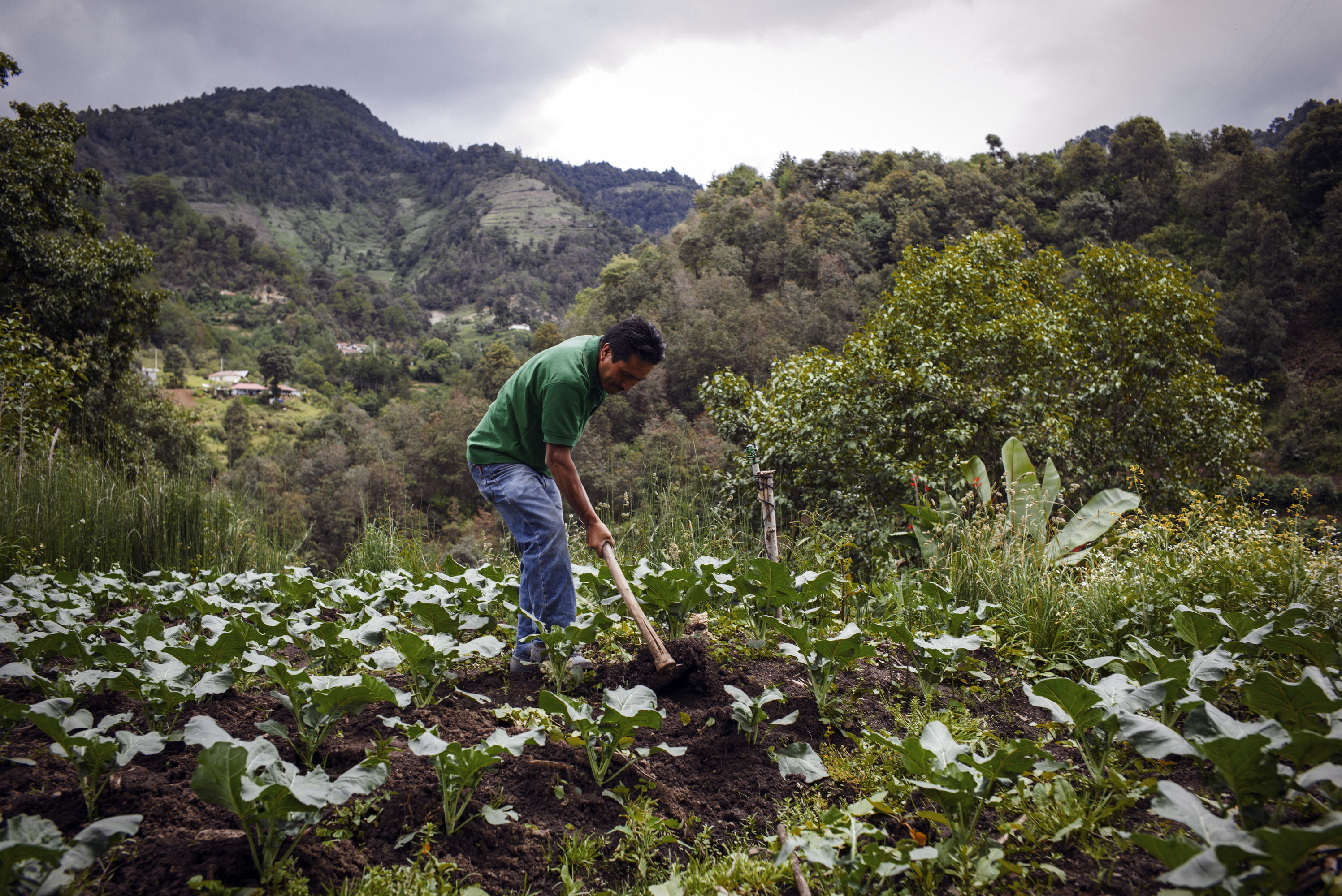
Worldwide, 80 percent of the extreme poor live in rural areas. Of these, 76 percent work in agriculture, and a great share of them relies on subsistence farming.