


Grow the Solution key facts

Wood can be sustainably grown
Since 2000, the area of certified sustainably managed forests has increased by almost eight times to an area roughly the size of the European Union. When responsibly sourced, wood is nature’s renewable material that can contribute to a resilient planet, reduce deforestation, and fight ecosystem degradation.

Wood, when sustainably produced, is one of the world’s most climate-friendly materials
The Intergovernmental Panel on Climate Change estimates that substituting sustainably produced wood for other materials could reduce emissions by 1 Gt of carbon dioxide per year from 2020 to 2050, the equivalent of taking 217 million cars off the road.

Wood can support innovation
From windows made of transparent wood to biobatteries incorporating wood-based graphite, research and innovation are pushing the boundaries of what can be done with wood and wood products. Biodegradable wood can even replace metal in satellites, which have led to more than 140 million pieces of space debris lasting for thousands of years in Earth’s orbit.

Wood can be worn
Every year, the textile sector emits 2–8 percent of the world’s greenhouse gases and is responsible for 9 percent of microplastic pollution in our oceans. This is largely due to the production of synthetic fibres made from fossil fuels, which make up at least 55 percent of textile materials. Choosing more clothing made from wood-based textiles like viscose and lyocell can help make the clothing industry more sustainable.

Wood can fight climate change by storing carbon
Wood products, when sourced sustainably, have the potential to store 1 billion tons of CO₂ per year by 2050. Storing 1 billion tons of CO2 is the equivalent of taking over 200 million cars off the road. Choosing wood in long-life products such as furniture and houses stores carbon away from the atmosphere.

Wood is an important part of the global economy
The formal forest sector employs at least 42 million people, contributing an estimated USD 1.54 trillion annually, of which a third – 486 billion in 2024 – comes from global exports of wood and paper products. By using more sustainably sourced wood-based alternatives to replace fossil-fuel based products, we not only tackle climate change but can also generate more jobs.
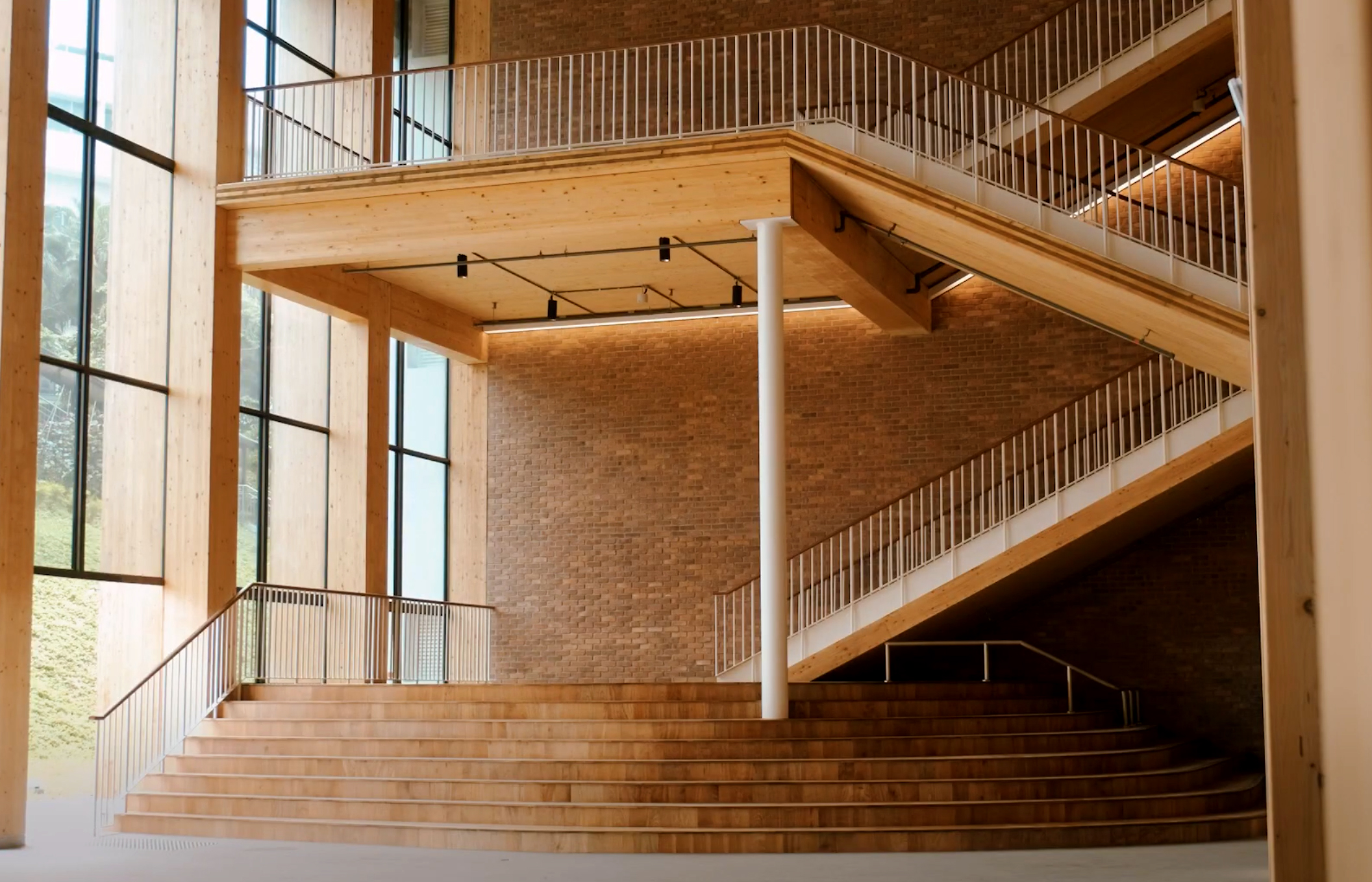
Wood can replace carbon-intensive materials in the construction industry
The construction sector contributes 21 percent of global greenhouse gas emissions each year. The use of mass timber in construction is gaining momentum globally due to its low carbon impact, with traditional concrete and steel construction each contributing 8 percent or more of global carbon-dioxide emissions.

Wood can be as strong as steel
Wood is strong enough to build skyscrapers. Advanced engineered wood products – such as densified wood can withstand forces up to 11 times greater than natural wood – opening up new possibilities for construction, from high-rise buildings and bridges to automative components and modern interiors. Even natural wood offers an excellent strength-to-weight ratio, making it highly effective in many structural applications – often outperforming heavier materials when weight efficiency matters.
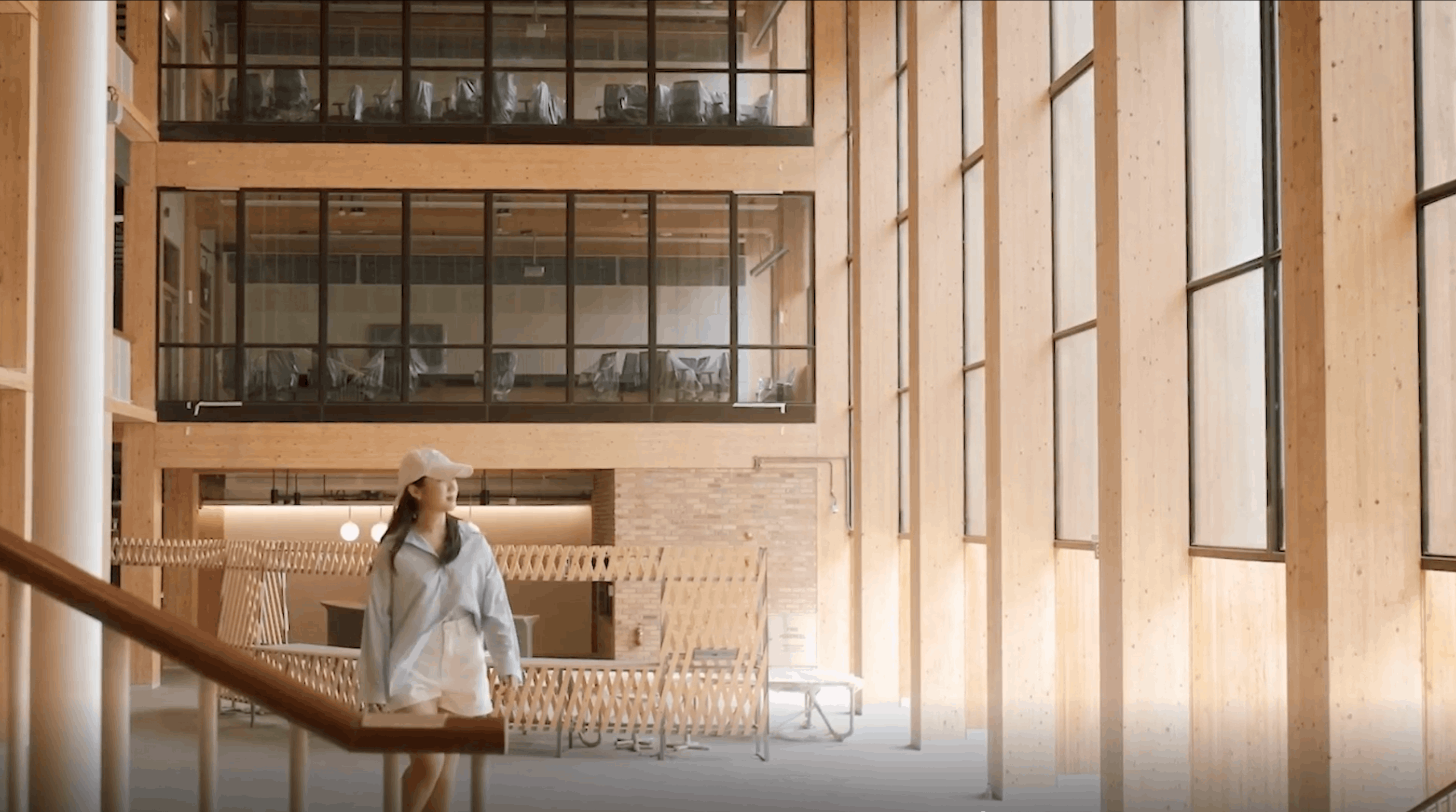
Sustainably produced wood doesn’t just build structures – it builds comfort and well-being
In many parts of the world, people now spend most of their time inside, and multiple studies have shown that incorporating natural materials like wood into indoor environments helps restore the connection between people and nature. It can also slow breathing, lower blood pressure, and reduce stress.

When time is of the essence, sustainably produced wood is the go-to material
Using prefabricated engineered timber panels allows the quick construction of buildings, saving time and money and reducing urban disruption. Speed matters, especially during emergencies – such as after an earthquake – where temporary housing is urgently needed.

Sustainable wood buildings of today hold their own against fire and earthquakes.
In tests, a new high-strength wood building product was able to resist fire for three hours or more. And when a 34-metre 10-storey engineered timber building was subjected to 88 earthquake tests, including equivalents of 6.7 and 7.7 on the Richter scale, the timber tower withstood multiple once-in-a-generation-scale earthquakes with no damage.
References
Sustainability and Circularity in the Textile Value Chain - A Global Roadmap, UNEP, 2023
Fashion’s tiny hidden secret, UNEP, 2024
Global Status Report for Buildings and Construction, UNEP, 2022
State of the World’s Forests 2024, FAO, p. 76
Forest products in the global bioeconomy: enabling substitution by wood-based products and contributing to the Sustainable Development Goals, FAO, 2022, p. 29
Shono, Kenichi. (2021). Global Progress Towards Sustainable Forest Management – Bright Spots and Challenges
Contribution of the forest sector to total employment in national economies, FAO, 2022
About Grow the Solution
Grow the Solution is a global awareness campaign implemented by the Communicators’ Network Joint Initiative of the Collaborative Partnership on Forests, in partnership with the Regional Forest Communicators’ Networks and the Sustainable Wood for a Sustainable World Joint Initiative. Climate change is already reshaping our world. Replacing fossil-based materials with wood from sustainably managed forests can help cut emissions and store carbon for generations. The Grow the Solution campaign envisions a future where renewable wood products power everyday life and support a lower-carbon world. Choose renewable wood products over fossil-based alternatives – and help spread the word about a more sustainable future.