
Rebuilding aquaculture in Libya: a Mediterranean story of cooperation in action
From Egypt to Libya, a regional effort turns training into tangible progress for sustainable aquaculture.
.jpg)
Since 2018, the General Fisheries Commission for the Mediterranean (GFCM) of the Food and Agriculture Organization of the United Nations (FAO) has been developing a network of Aquaculture Demonstration Centres (ADCs) across the Mediterranean and Black Sea region. Their objective is straightforward but ambitious: to bring know-how closer to those who need it, make technology accessible and ensure that innovation is shared. Each centre builds on its strengths to become a regional reference point where expertise can be tested, refined and transferred.
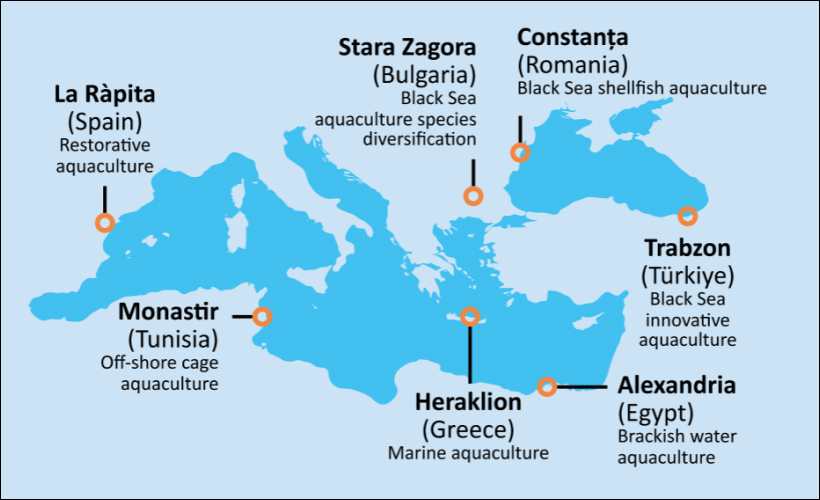
Map of Aquaculture Demonstration Centres ©FAO-GFCM
Training, trust and technology come together to revive aquaculture in Libya
Aquaculture in Libya holds significant promise but has faced years of disruption. Rebuilding the sector requires more than facilities or funding – it calls for skilled professionals, strengthened institutions and renewed confidence.
In Alexandria, Egypt, the ADC hosted by the Marine Aquaculture Development in Egypt (MADE II) project, strengthened through infrastructure financed by the Italian government, has become a key hub for technical exchange. This marked an important step forward for Libya.
Libyan professionals were trained at the ADC not merely as participants, but as future leaders of the sector. Through hands-on experience and close collaboration with specialists, they acquired the skills needed to support a national recovery. At the same time, attention turned to existing infrastructure. In Tripoli, the Tajoura Marine Biology Research Centre hosts a hatchery of significant historical value but with reduced operational capacity. With support from the Alexandria ADC, Libyan technicians worked to reactivate its potential.
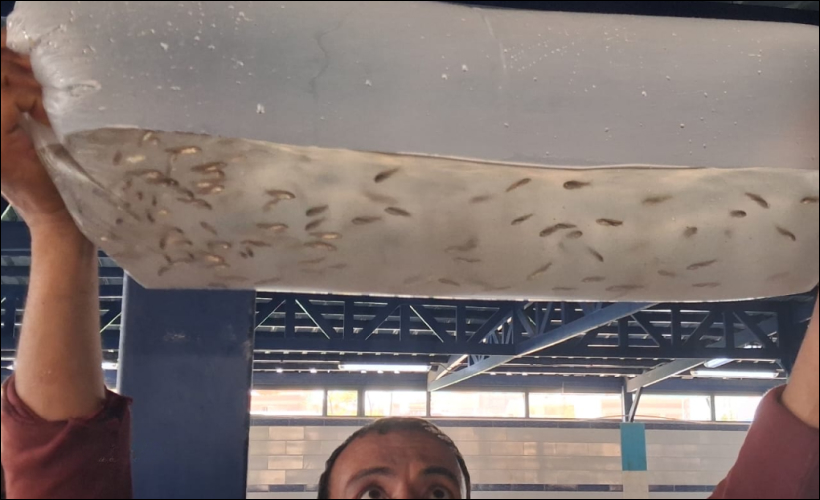
©FAO-GFCM/Ali Shafran
From knowledge transfer to hatchery revival: a new chapter for Libyan aquaculture
Working with available resources and guided by regional expertise, the initiative supported the production and transfer of 10 000 high-quality European seabass (Dicentrarchus labrax) fry by Egyptian specialists. Bred under controlled conditions, these juveniles are suited to modern aquaculture practices. Libyan technicians participated in hands-on training activities alongside the production process, strengthening their technical capacity in modern hatchery operations.
This was more than a technical achievement. It marked the transfer of knowledge, practices and expertise. It also enabled training to continue within Libya, using national facilities and strengthening national capacity and ownership of the recovery process.
Earlier this year, the European seabass fry arrived in Tripoli and were transported to Tajoura, accompanied by feed and essential equipment. While modest in scale, the operation marked an important milestone.
The initiative also reflects a broader shift towards more sustainable practices. The use of hatchery-produced juveniles supports aquaculture development as a means to increase aquatic food production without exceeding the natural productivity of wild fish stocks, while contributing to a more controlled, science-based approach to the sector’s growth.
A quiet success story of regional cooperation driving real change on the ground
This example illustrates how regional cooperation can translate into concrete results. Expertise has crossed borders, infrastructure has been strengthened, and training has translated into production.
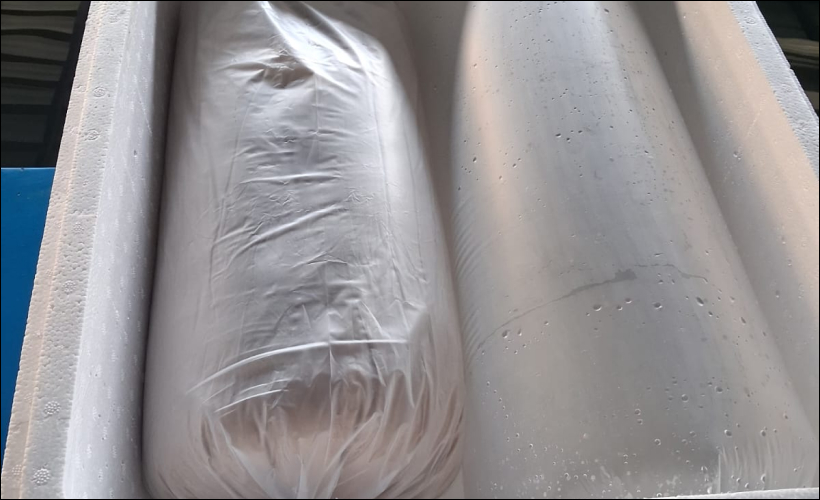
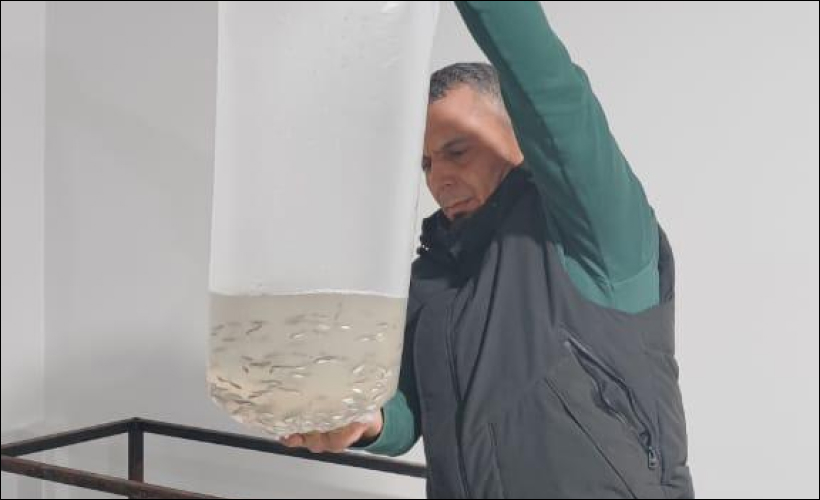
©FAO-GFCM/Ali Shafran
In a context often shaped by challenges, this aquaculture success story offers a different perspective, one where collaboration leads to measurable progress. It also underscores the role of the GFCM in facilitating connections that enable countries to move forward together.
Libya’s aquaculture sector remains in a rebuilding phase, with further work needed to scale production and ensure long-term sustainability. Yet the foundations are now in place.
The GFCM’s work on aquaculture is made possible thanks to the financial support of the European Union, the main donor of the GFCM, which continues to foster regional cooperation towards sustainable aquaculture practices in the Mediterranean and Black Sea.
Cover photo: ©FAO-GFCM/Mohamed El Araby