
Experts of the Intergovernmental Technical Panel on Soils 2025-2028
The XIII Plenary Assembly endorsed a new list of 27 experts and approved the establishment of the fifth Intergovernmental Technical Panel on Soils on that basis for the period 2025-2028.
- Africa
- Asia
- Europe
- Latin America and Caribbean
- Near East and North Africa
- North America
- South West Pacific
Africa
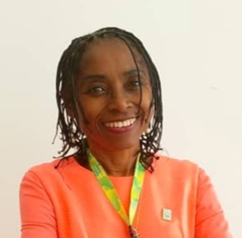 Lydie-Stella Koutika - REPUBLIC OF THE CONGO
Lydie-Stella Koutika is a soil scientist from the Republic of the Congo, with over 30 years of experience in applied research on agroecosystems (South America, Europe and Africa). She obtained an engineer degree in agronomy (soil science and agro chemistry) at the Timiriazev Institute at Moscow (Russia), a PhD in soil science at the Université Henri Poincaré, (merged to Université de Lorraine), the ‘Habilité à Diriger les Recherches’ (HDR) at the Université de Lorraine Nancy (France). She has authored over 60 peer-reviewed journal papers and some book chapters on soil carbon and nitrogen dynamics, soil management and crop yield, and soil and water nutrients. In the last decade, her work deals in improving and expanding the soil knowledge of central Africa to tackle societal challenges (climate change, land degradation, food insecurity and biodiversity loss), and its considerable impact on the scientific community and farmers’ livelihoods. She has been a “Research in Brussels” fellow (2003-2004), an International Rothamsted Research fellow, UK (2009-2010), an international TWAS-ENEA fellow (September 2018-May 2019) Italy, and a member of ‘The Phosphorus Sustainability Research Coordination, Network (P RCN) University of Arizona. She is a member of Scientific and Technical Committee (STC) of the ‘4 per 1000’ “Soils for food security and climate” Initiative since 2016, Global Soil Biodiversity Initiative (GSBI) since 2019, Coordinating Lead Author of Chapter 13 Working Group III of the 7th IPCC Edition (2025-2028), and Lead Author of Chapter 4 ‘Land and Soils’ of the Global Environment Outlook (GEO7) UNEP. She is a laureate of ‘African Union Kwame Nkrumah Regional Scientific Award for Women’ (2014), The World Academy of Science (TWAS) -Al-Kharafi Prize (2018) and Glinka World Soil Prize, FAO GSP (2021). She is also a novel writer (<12 books) and is strongly dedicated to her catholic faith and to the development of Africa.
✉ Contact Lydie-Stella Koutika
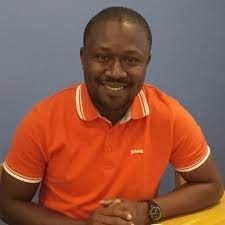
Georges Martial Ndzana - CAMEROON
Georges Martial Ndzana from Cameroon received a PhD in soil sciences (soil chemistry and clay mineralogy) at Huazhong Agricultural University (China), MSc in soil sciences (weathering and pedogenesis) at the University of Yaoundé I (Cameroon) and Bachelor in Geosciences at the University of Yaoundé I. Dr Ndzana’s career in scientific research for development has led him to specialize in soil fertility and carbon sequestration strategies. He studied soil organic carbon (SOC) sequestration, and the associated mechanisms as Postdoctoral Fellow at the Institute of Agricultural Resources and Regional Planning (IARRP) of Chinese Academy of Agricultural Sciences (CAAS), Beijing, China. He develops competences in mineral-organic carbon interactions, SOC priming effects induced by various factors, and the SOC adsorption mechanisms as a visiting researcher at the University of Munster in Germany. He is dedicated to soil science activities. Indeed, he is an active member of the Working group of Soil Use and Management at the International Union of Soil Sciences (IUSS) since 2018. He voluntarily reviewed peer-review manuscripts for several journals and evaluated research projects at the African Academy of Sciences (AAS). Dr. Ndzana competed during the 3rd judging contest in Brazil during the 21st World Congress of Soil Sciences. He is an active member of several national and international soil sciences organizations. Dr. Ndzana has an important list of peer-reviewed publications in his research area and recently received an international price of BEST RESEARCH AWARD 2021, given by “Scientific Father” house. Dr Ndzana is now serving as a Lecturer-Researcher of soil sciences at the Faculty of Agronomy and Agricultural Science of the University of Dschang in Cameroon, coupled with his position of Research Fellow at the Institute of Agricultural Resources and Regional Planning (IARRP) of Chinese Academy of Agricultural Sciences (CAAS), Beijing, China since 2018. Currently, he develops low-cost strategies and methods to improve and maintain soil fertility in the climate change environment. He focuses on finding carbon sequestration strategies in order to mitigate climate change in the sub-Saharan African region..
✉ Contact Georges Martial Ndzana
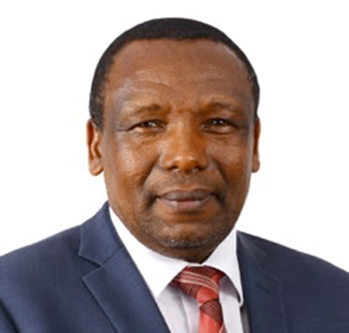
Daniel Mugendi - KENYA
Daniel Mugendi Professor Daniel Mugendi is a renowned scholar, higher education leader and researcher. His remarkable career in the academia, research and higher education sectors, spanning over three decades, has seen him make substantial contribution in the development of University Education in Kenya. He started his professional journey as a researcher with the Kenya Forestry Research Institute (KEFRI) in July 1986. He, joined Kenyatta University in 1999, as a lecturer, where he rose through the academic and administrative ranks. He served in various positions in Kenyatta University namely; the Chairman, Department of Environmental Foundations, Dean, School of Environmental Studies and Human Sciences, and finally the Deputy Vice-Chancellor (Finance, Planning and Development). Prof. Mugendi is currently the Vice-Chancellor of the University of Embu and the Chairman, Vice-Chancellors’ Committee that brings together all VCs of public universities and Principals of Constituent Colleges in Kenya. He has steered the University of Embu to being the Best Performing State Corporation and Public University in Kenya in Performance Contracting for three years (2019/2020 FY, 2021/2022 FY & 2022/2023 FY). He is actively engaged in research, focusing on agriculture, food security, forestry, environmental policy and sustainability. He has won over 23 research grants and fellowships, authored nine (9) books and Sixty-Four (64) book chapters with ISBN numbers, in addition to publishing over 100 refereed articles and research papers, in both national and international peer-reviewed journals. He has supervised and graduated 38 Masters and 18 PhD students. He continues to lecture, supervise postgraduate students and conduct research in Forestry, Agriculture and Natural Resource Management. In addition, he has participated in more than 120 conferences, and presented scientific papers in more than 91 conferences. He continues to lecture, supervise postgraduate students and conduct research in Forestry, Agriculture and Natural Resource Management.
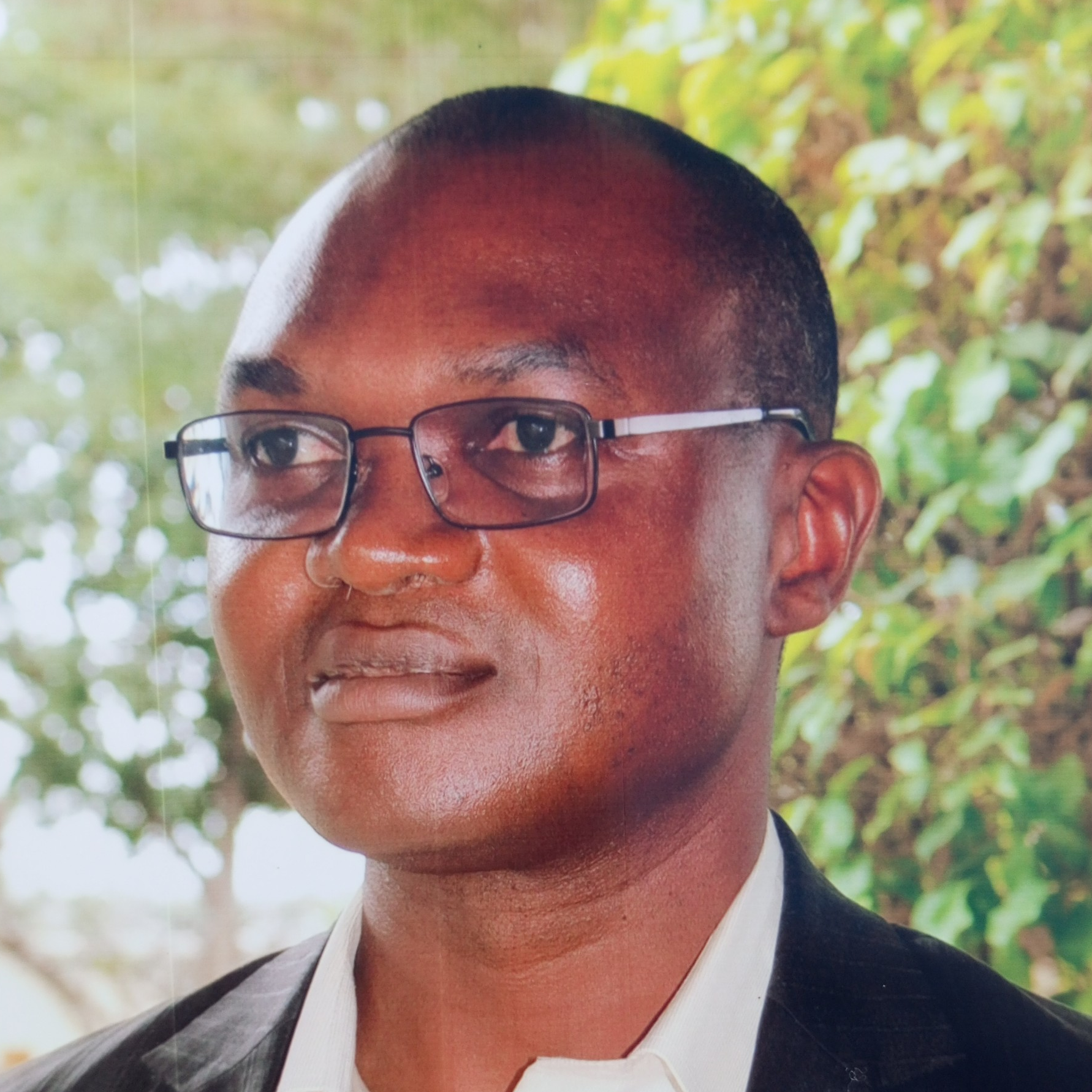 Jean Aubin Ondo - GABON
Jean Aubin Ondo is the Head of the Pluridisciplinary Laboratory of Sciences (LAPLUS) at the École Normale Supérieure of Libreville. He obtained his PhD in Environmental Chemistry from Aix-Marseille University (France) in 2011 and has been serving as an Associate Professor since 2013. Jean Aubin Ondo’s research addresses critical issues such as the effects of organic and mineral amendments and fertilizers on soil chemistry, nutrient uptake in plants, the impact of urban gardening on soil health, water and soil pollution, carbon dynamics in natural ecosystems, and the management of degraded soils. His recent publications focus on the use of agricultural waste products—such as coffee husks and cocoa pods—to improve soil fertility and mitigate phosphorus fixation and aluminum availability in acid soils. He is actively involved in teaching (chemistry, environmental education, and education for sustainable development), research and development, health and environment consultancy, laboratory services, and community engagement projects. To date, he has published over 50 peer-reviewed papers and has supervised numerous undergraduate, master's, and doctoral theses in various fields. Dr. Ondo also serves as a peer reviewer for several international journals and participates in academic committees.
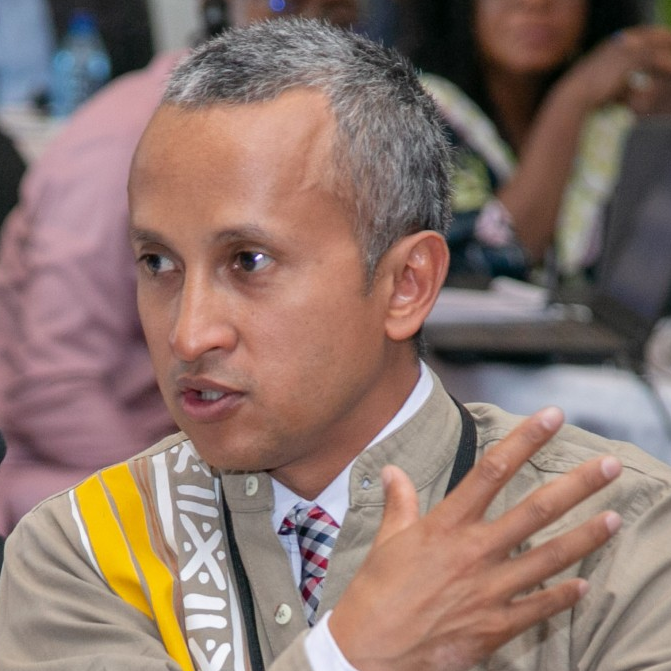
Harifidy Rakoto-Ratsimba - MADAGASCAR
Harifidy Rakoto Ratsimba is a researcher specialized in natural resource monitoring and its connection to local community livelihoods. He currently serves as the Head Researcher at LLandDev (Land, Landscape, and Development Research Lab), based at the School of Agronomy, University of Antananarivo, Madagascar. LLandDev is currently the host of the Regional Eastern Africa Fire Monitoring Resource Center (REA-FMRC) serving countries of the Sub-Saharan Africa, notably East Africa, by provision, archiving and interpreting scientific-technical information and satellite-derived near-real time and historic data on landscape fires. His research focuses on the intersection of science and policy, particularly in sustainable land management and landscape restoration after fire for the benefit of local communities.
Renowned for his ability to bridge grassroots knowledge with policymakers, he is committed to creating an environment where policies on land and landscape effectively drive meaningful changes for people.
Asia
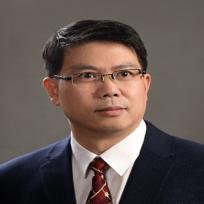
Xinhua Peng - CHINA
Xinhua PENG, a full professor of Institute of Agricultural Resources and Regional Planning (IARRP), Chinese Academy of Agricultural Sciences (CAAS), received the doctor degree of Agronomy from Chinese Academy of Sciences (CAS) in 2003. In 2004-2006, He worked at Kiel University as Max Planck fellow. In 2007-2009, He worked at University College Dublin as Marie Curie Experienced Researcher. In 2009-2024, He worked at Institute of Soil Science, Chinese Academy of Sciences as a full professor. Since May, 2024 to until now, he works at IARRP as a full professor. He has a long-term research experience on soil structure remediation and soil quality improvement. He focuses on the Chinese cereal production base from North to South covering Black soil (Mollisol), Fluvo-aquic soil (Entisol), Shangjiang black soil (Vertisol) and Red soil (Ultisol) and has made many achievements on improving soil quality and soil productivity. He developed CT image analysis for quantifying soil pore structure and proposed rare earth oxides as tracers for tracking aggregate formation and breakdown pathways. He developed a new model for soil shrinkage which is widely applied by international scientists. He investigated the in-depth research on soil structure formation, soil organic matter accumulation and their interaction as affected by anthropogenic (e.g., tillage, fertilization, straw return and cropping rotation) and natural factors (e.g., wetting/drying, thawing/freezing). He further proposed “bio-tillage” by using deep-root cover crops for alleviating soil compaction, and constructed a “thick and fertile plough horizon” conception for improving soil quality by conventional tillage combined with organic residue input. These scientific knowledge and technology have been widely applied for improving Shajiang black soil, Fluvo-aquic soil and Red soil. The improvement on soil quality and benefits for local farmers have been applauded by CCTV and several province TV (e.g, Anhui, Shandong, Jiangxi). He published over 180 papers including 120+ peer reviewed SCI papers. Due to his great achievement on soil science, he was rewarded with the Outstanding Youth Scientist from NSFC in 2017, Leading talents in science and technology innovation from Ministry of Science and Technology (MOST) in 2019, and Hundred talents program from CAS in 2010. He was invited to serve as secretary of “Black Soil Protection and Utilization” S &T Innovation Program, Editor-in-chief of Soil & Tillage Research, editorial board member of Catena, Acta Pedologica Sinica, Soils, Chinese Journal of Soil Science, Journal of Irrigation and Drainage and so on. As the project PI, he presided over 20 projects, e.g., National Key Research and Development Project from MOST, Key projects from NSFC.
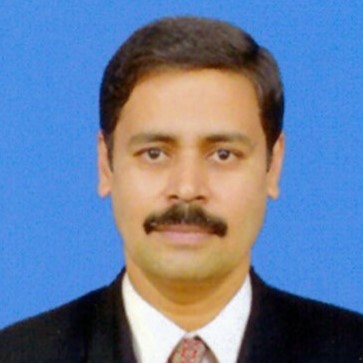
A Velmurugan - INDIA
A. Velmurugan is the Assistant Director General (Natural Resource Management) at Indian Council of Agricultural Research–DARE, New Delhi, India with over 25 years of experience in agricultural research and national programme leadership. He holds a B.Sc. (TNAU) and M.Sc., Ph.D. (IARI). His core expertise includes soil and water resource management, soil fertility and chemistry, organic and natural farming, farming systems, ecosystem management, and climate-resilient agriculture. He has served on several inter-ministerial committees on natural farming, water management, fertilizer subsidy reforms, and digital agriculture initiatives. Internationally, he has collaborated with IWMI Sri Lanka, Western Sydney University, ITC & Twenty University (Netherlands), Ohio State University, and the Asia Soil Partnership–FAO. With over 100 publications and 1800 citations, his scientific contributions span soil health enhancement, sustainable nutrient management, climate-smart farming systems, organic agriculture models, and resource conservation technologies. He has guided numerous postgraduate scholars and received major honours including the Lt. Governor’s Commendation, ICAR Rajendra Prasad Award, and Fakruddin Ali Ahmed Award.
from India is obtained his MSc in Soil Science & Agricultural Chemistry in 1998, in Indian Agricultural Research Institute (IARI), New Delhi, India. He joined Agriculture Research Services (ARS), Indian Council of Agricultural Research (ICAR) in 2001 and started his career at Vivekananda Parvatiya Krishi Anusandhan Sansthan (VPKAS), Almora as a scientist (2001-2011). Then as a senior scientist he moved to IARI (2011-2016) and joined IARI as a Principal Scientist (since 2016 to date). He earned his PhD from the University of Wolverhampton, UK in 2009. Dr. Bhattacharyya has a 21-year long career dedicated to research and education. During his scientific career, he has also worked as a Postdoctorate scientist (2017-2018) at the University of Queensland, Australia. He was a recipient of the prestigious Early and Mid-Career Researchers Fellowship of the Indian National Science Academy (INSA), India (2017-2018) and the EU-Fellowship (2006-2009). His research activities focused on soil conservation, carbon sequestration, conservation agriculture, carbon and nitrogen cycling, and soil health management. He has published more than 150 articles on the area of soil science.
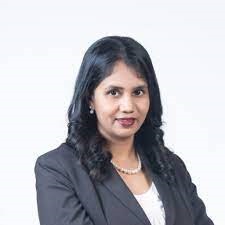
Jeyanny Vijayanathan - MALAYSIA
Jeyanny Vijayanathan from Malaysia is a soil scientist specialized in the area of soil fertility and plant nutrient management. She holds a first degree in B. Sc. (Hons) Bioindustry (Agricultural Sciences), Masters Sc. in Soil Fertility & Management and a PhD in Soil Science from the Universiti Putra Malaysia, Selangor, Malaysia. Her research interest cover environmental soil science and conservation, precision agriculture and forestry, carbon dynamics in natural and plantation ecosystems and management of degraded soils. She is currently a senior research officer in Forest Research Institute Malaysia, Selangor, Malaysia. She is involved in research and development, consultancy, laboratory services, teaching, and community engagement projects. She has managed more than 25 research/consultancy projects and published more than 100 articles including scientific papers in peer-reviewed journals and books. Dr. Jeyanny recently was awarded the Outstanding Women Researcher in Soil Fertility by the Venus International Women’s Award 2022. She is also a registered chemist with the Malaysian Institute of Chemistry and active in the Malaysian Society of Soil Science. Dr. Jeyanny is also a member of the International Network of Soil Pollution, FAO.
✉ Contact Jeyanny Vijayanathan
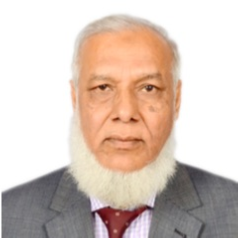
M Jahiruddin - BANGLADESH
M Jahiruddin is a retired Professor of Soil Science and former Dean of the Faculty of Agriculture at Bangladesh Agricultural University (BAU), Mymensingh. He is a Fellow of both Bangladesh Academy of Sciences (BAS) and The World Academy of Sciences (TWAS). Dr. Jahiruddin's academic journey includes B. Sc. Ag. (Hons.) degree in 1975 and M. Sc. (Ag) in 1976, both from Bangladesh Agricultural University (BAU), Mymensingh. He earned his Ph.D. from the University of Aberdeen, UK, in 1986 and pursued postdoctoral study at the same university in 1996-97 under the Commonwealth Scholarship and Fellowship Programme. He also did short-term research in Japan with STA Fellowship in 1999 and JSPS Fellowships in 2009 and 2014. Dr. Jahiruddin has an impressive record of research publications focusing on micronutrient deficiencies, heavy metal pollution, soil fertility & fertilizer management, and Conservation Agriculture. His current research interests lie in the area of Climate Smart Agriculture. He has led 19 research projects as Principal Investigator that funded by many international organizations such as ACIAR, WB, British Council, FAO, DFID, DANIDA, USDA, USAID, and IFS. By now he has supervised 75 Master’s and 18 PhD students at BAU. His publication record includes 274 research publications (national & international), notably 86 of which have Impact Factor. His research articles have gathered a total of 5928 citations, with an h-index of 39. Furthermore, he has authored 18 books and book chapters. Dr. Jahiruddin's exceptional research accomplishments have been recognized with several prestigious awards, including BAS Gold Medal Award (2009), Global Research Impact Award (2017), BAAG Gold Medal Award (2018), and Soil Care Award (2019).

Nopmanee Suvannang - THAILAND
Nopmanee Suvannang is a soil scientist that worked on soil fertility in the area of site specific nutrient management. She holds a BSc in Pure Chemistry obtained at Ramkhamhaeng University and a MSc. in Soil Science from Kasetsart University, Thailand. Nopmanee started at the Land Development Department, (LDD, Ministry of Agriculture and Cooperatives, Thailand) in 1980 where she has spent her whole career, firstly as a soil chemist at the central laboratory and then as the Director of the Soil Technical Service Section of the Office of Science for Land Development. Finally, she was selected as an LDD Expert (Soil Chemistry), the position she held until she retired in 2016. Nopmanee has accumulated over 35 years of laboratory experience in the analysis of soils, plants, and water. During her career, she worked in collaboration with all the regional LDD laboratories and at the same time, was involved with international LDD programs and thus collaborated with many international institutes and experts worldwide. Her international collaborations, included roles as co-director for 5 years of the International Joint Laboratories program, which is one of the main tools deployed by IRD to strengthen, empower and enhance the international outreach of higher education and research on impact of rapid Landuse change on ecosystem services in developing countries (LEDC). Also, she collaborated for over 15 years as project coordinator in the joint project between France (Institut de recherche pour le développement, IRD) and Thailand (Land Development Department, LDD) on soil acidity and salt affected soils. She is the former Chair of the Global Soil Laboratory Network (GLOSOLAN) 2017-2021. Currently, she serves as a Laboratory Acreditation committee and Technical Expert for the accreditation Assessment of the Environmental Laboratory, Department of Science Service (DSS), Thai Ministry of Science and Technology and the consultant of Thai Soil Laboratory Network.
Europe
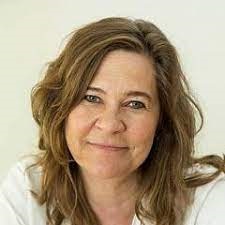
Taina Pennanen - FINLAND
Taina Pennanen from Finland is a specialist in soil microbiology and she has conducted research on microbial functions related to soil nutrient cycling, release and uptake of nutrients. In addition to organic matter decomposition, studies concern tree associated microbes, their role for the host performance and on the interactions with host genetic variation. Recently studies are focused on microbial biodiversity in soils and plants. Pennanen is working as a research professor at the Natural Resources Institute Finland and is currently involved in numerous scientific projects. She has been active in organizing national and international conferences an in serving on various scientific evaluations. Currently Dr Pennanen is acting a chair of the board of the Finnish Society of Soil Sciences.
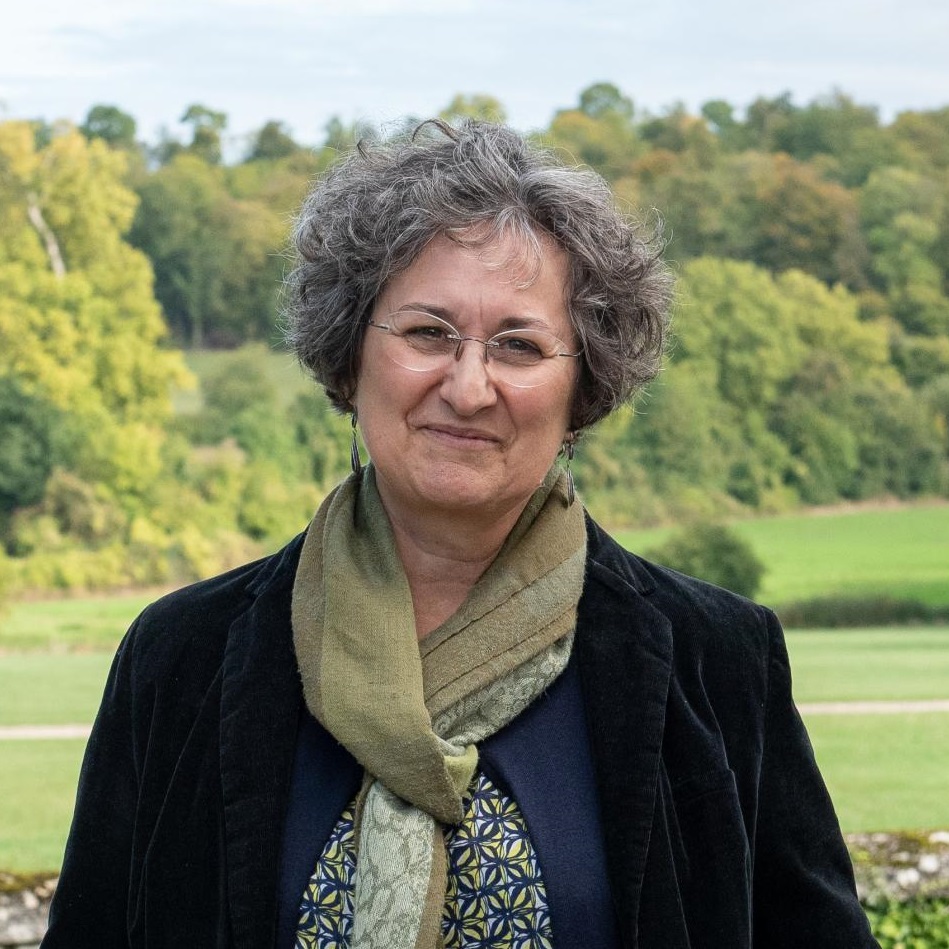
Claire Chenu - FRANCE
Claire Chenu is research director at INRAE (French National Research Institute for Agriculture, Food and Environment) and consulting professor of soil science at AgroParisTech. Her research, at Ecosys research unit in Paris area, deals with soil organic carbon: dynamics, stabilization processes and the effect of cropping practices on soil C stocks. She has been nominated Special Ambassador of soils in 2015 by the FAO. In 2019, she was the European Geosciences Union soil science medallist and she received the Inra Lifetime Achievement Award. She is involved in the science-policy-practice interface and in awareness raising activities on soils. She is a member the Scientific and Technical Committee of the 4 per 1000 initiative. She coordinates the EU H2020 European Joint Programme SOIL, that associates 24 European countries: “Towards climate-smart sustainable management of agricultural soils”.
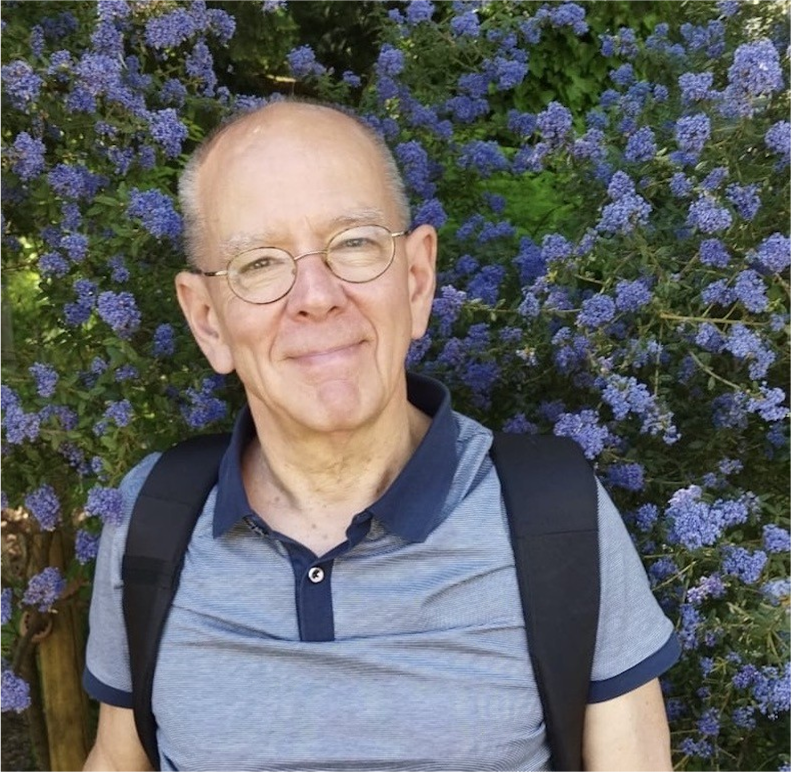
Bruno Delvaux - BELGIUM
Prof. Em. at the Université catholique de Louvain (UCLouvain, Belgium), Bruno Delvaux started his career with FAO Cameroon (1979-1984), moved to CIRAD in the French West Indies (1984-1990) and joined UCLouvain as full Professor in 1991. His expertise covers soil processes, soil-to-plant cycles of major and trace elements in agricultural and forest ecosystems. Author and co-author of 15 textbook contributions and 139 peer-reviewed articles, he is member of the Belgian Academy of Overseas Sciences and the French Academy of Agriculture. At the institutional level, he was notably a member of the board of IITA, dean of Faculty and rector of UCLouvain.
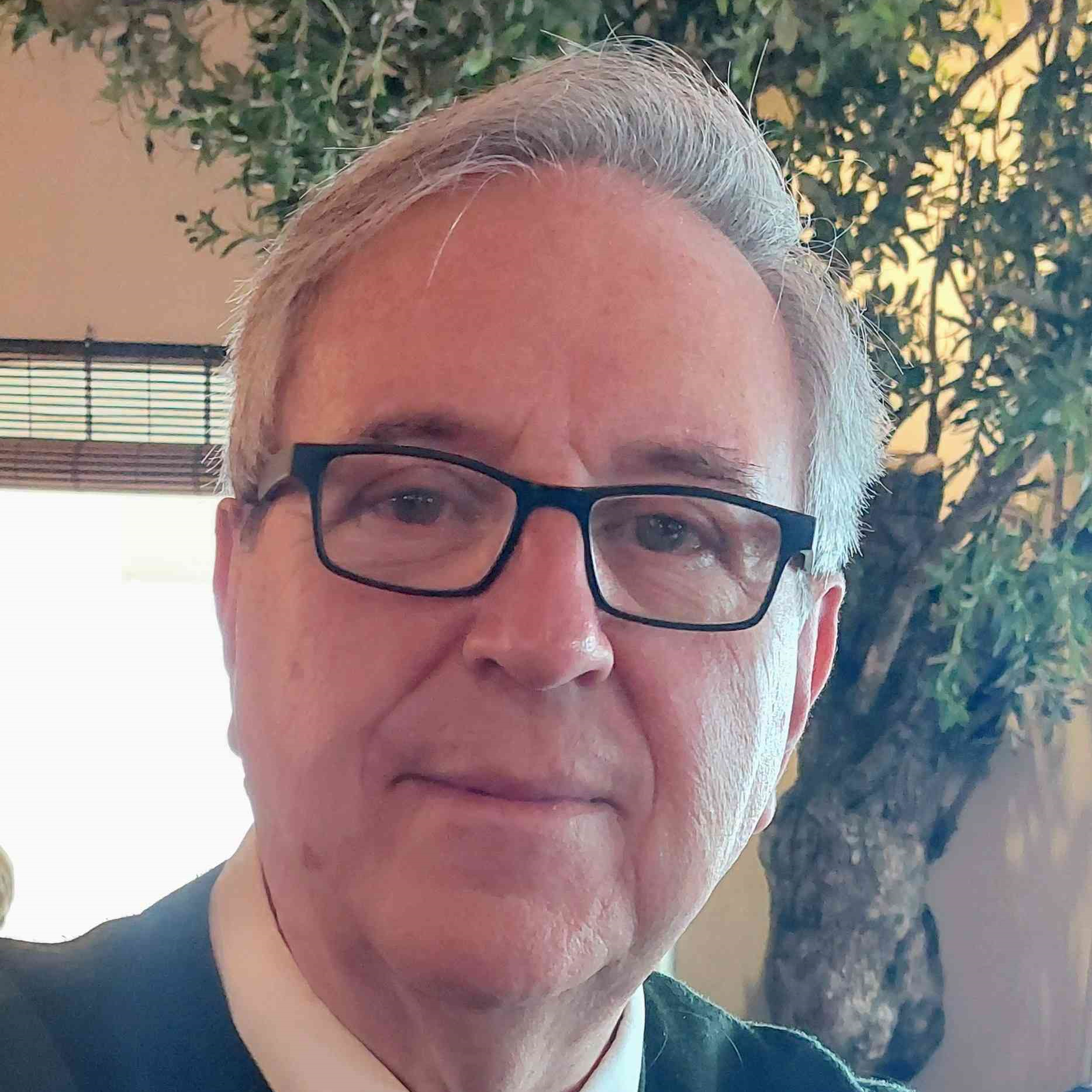
Jorge Batlle Sales - SPAIN
Jorge Batlle-Sales, hailing from Murcia, Spain, is an academic with a comprehensive educational background. He earned his Bachelor's degree in Geochemistry and went on to obtain his PhD in Soil Genesis and Agricultural Chemistry from the Autonomous University of Madrid. In 1988, he ascended to the position of Chair of Soil Science and Agricultural Chemistry at the University of Valencia. Throughout his career, Dr. Batlle-Sales has been involved in 23 research projects, primarily of international scope, and has directed 14 Theses. He has actively contributed to four EU COST research networks and spearheaded the organization of four International Symposia in his university, in collaboration with prominent international organizations such as IUSS, FAO, UNEP, and IAAE. Additionally, he has conducted various courses addressing issues related to soil and water salinity across multiple continents and has delivered numerous lectures and keynote presentations at conferences, seminars, and courses worldwide. Dr. Batlle-Sales has also played a pivotal role in fostering international academic exchange during his tenure as Director of the International Relations Office at the University of Valencia from 1994 to 2000. He actively contributed to the implementation of the ECTS and ERASMUS EC programs and facilitated the establishment of Interinstitutional Agreements between the University of Valencia and foreign universities. Currently, Professor Batlle-Sales holds esteemed leadership positions within the academic community. He serves since 2021 as the President of the International Network of Salt Affected Soils (INSAS), a thematic network under the Global Soil Partnership (FAO-GSP). Furthermore, he was elected President of the Commission of Salt Affected Soils of the Union International Soil Societies (UISS) for the period 2022-2026. During the Plenary Assembly of the FAO-GSP, in June 2025, has been nominated as member of the Itergovernmental Panel on Soils (ITPS) for the period 2025-2028. In recognition of his outstanding contributions, Dr. Batlle-Sales was honored with the Key to the city of Mazatlán, Mexico, in 2011.
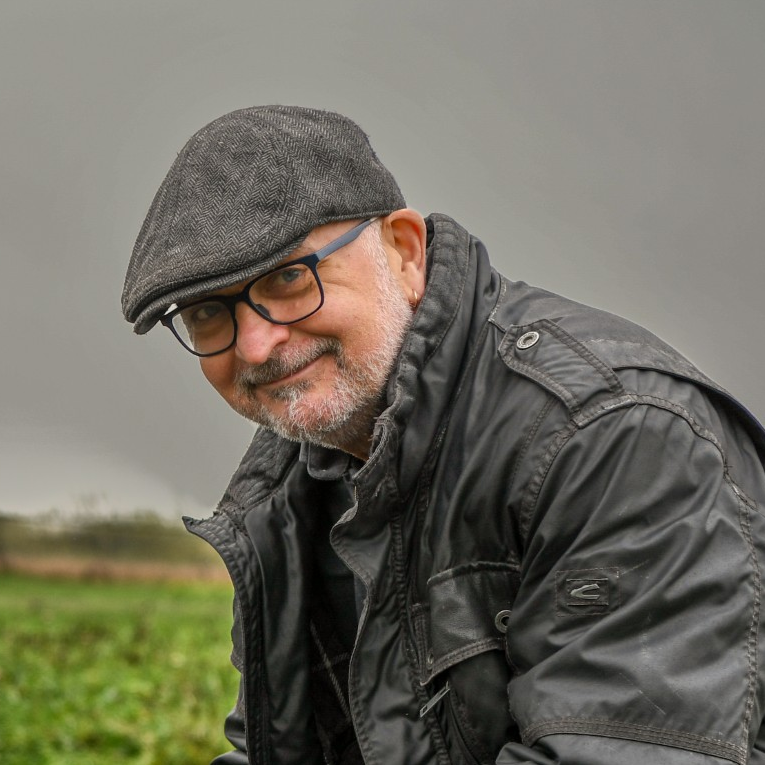
Mogens Humlekrog Greve - DENMARK
Mogens Greve is Professor and head of Soil Section at institute of AgroEcology Aarhus University. He is responsible for the National Danish Soil Databases and coordination of policy support at Aarhus University within the area of remote sensing and Soil. He has extensive experience in soil health, soil classification and digital soil mapping. He teaches Soil Science, Soil Sensors, GIS, Geostatistics, and is responsible for PhD courses in “Soil Sensors, theory and applications” and "Soil Classification”.
He is currently the coordinator of the EU Mission Soil project "AI4SoilHealth" and several other research projects. He has supervised numerous BSc, MSc and PhD students for their dissertation work. He is currently supervising five PhD students and five post docs.
Latin America and Caribbean
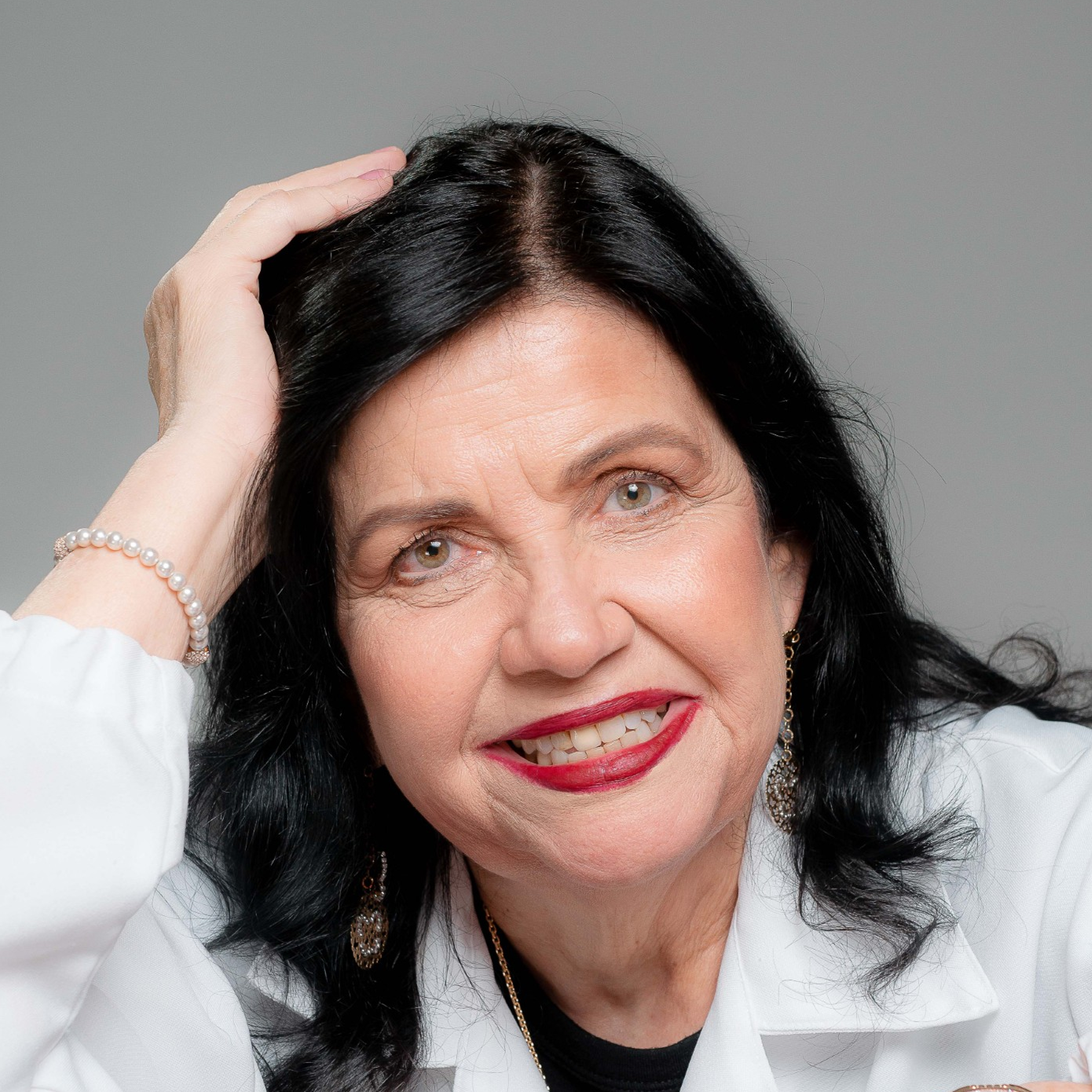 Mariangela Hungria - BRAZIL
Mariangela Hungria is an agronomist (ESALQ-USP, Brazil), with an M.Sc. (ESALQ), PhD (UFRRJ, Brazil), and post-doctoral training (Cornell University, University of California-Davis, Universidad de Sevilla) in Soil Microbiology. She has been a researcher at the Brazilian Agricultural Research Corporation (Embrapa) since 1982 and has worked at the Embrapa Soybean Center in Londrina since 1991. She has been a professor at the State University of Londrina (UEL) since 1992. She is a member of the Brazilian Academy of Sciences (ABC), the Brazilian Academy of Agricultural Science (ABCA), and The World Academy of Sciences (TWAS). She specializes in soil biotechnology, with emphasis on microbial processes of biological nitrogen fixation and other mechanisms for plant growth promotion, as well as inoculants, biofertilizers, and soil biodiversity. She has supervised more than 250 graduate students and professionals. She leads the National Institute of Science and Technology (INCT) of Microorganisms in Agriculture and participates in several national and international projects. She has authored more than 500 scientific papers, books, book chapters, and technical communications, has contributed to the development of more than 30 microbial technologies for agriculture, and has received more than 50 awards, including the World Food Prize (2025).
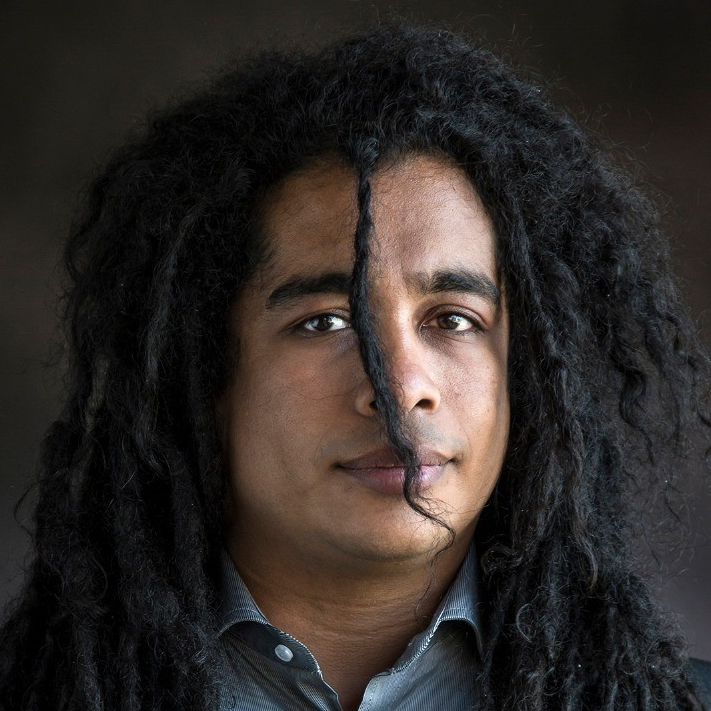
César Marín - COLOMBIA
Since 2022, César Marín is a Full Professor at Santo Tomás University, Chile. He has been Editor-in-Chief of the the International Mycorrhizal Society Newsletter since its inception (2020), Associate Editor at npj Soil Ecology and Frontiers in Microbiology and Frontiers in Plant Science, and member of the Editorial Board in four other scientific journals (Journal of Sustainable Agriculture and Environment, Fungal Ecology, IMA Fungus, and Plants, People, Planet). He is the Founder and Coordinator of the South American Mycorrhizal Research Network, which has about 500 members from more than 50 countries. He is Vice-Chair of FAO's International Soil Biodiversity Network (NETSOB) (2025-2028). He is an Associate Scientist at the Society for the Protection of Underground Networks (SPUN), a member of the Board of Directors of the International Mycorrhizal Society, and a founding member of the Global Soil Biodiversity Observation Network (SoilBON). He belongs to the Science Frontiers Program of the Chilean Academy of Sciences. He is part of the Biology 1 Evaluation Group at the Ministry of Sciences, Chile. He holds a Doctorate in Sciences with a mention in Ecology and Evolution from the Austral University of Chile (2018), a Diploma in Philosophy of Biology. He has completed nine research stays at the University of Hannover, Germany; the University of Tartu, Estonia; Lund University, Sweden; the University of Oviedo, Spain; and Northern Arizona University, United States. He also completed two postdoctoral fellowships in Chile and the Czech Republic. He has taught numerous undergraduate and graduate courses as a principal and guest lecturer in Chile, Brazil, Colombia, Germany, Uruguay, Argentina, Panama, Spain, and Peru. From 2014 to 2025, he has published approximately 70 peer-reviewed scientific articles, and about 40 other publications (book chapters, technical reports, etc.), and 66 science outreach articles/blog posts/columns. In 2019, he was awarded Afro-Colombian of the Year, Academic category, by the newspaper El Espectador and the Color de Colombia Foundation. In 2021, he received the Humberto Maturana Award from the Chilean Society of Biology, in 2022 the "Somos Micelio" Award from FungiFest – Valdivia Mushroom Festival, and in 2024 the Carlos Luis Spegazzini Medal in Maastricht, Netherlands, from the International Mycological Association – the latter being considered the most important mycological award for Latin America. His main research interest is Soil Ecology, focusing on biodiversity and ecosystem functioning, mycorrhizal symbioses, and applications with soil biota. His second research interest is Multilevel selection theory in all sorts of systems, focusing in plant holobiont-symbiont systems. To a lesser extent, he also investigates a myriad of other topics: Crops vs. Weeds Dynamics; Agricultural Economy; Complexity Science; Philosophy of Biology; Plant Propagation; Science History; Science Sociology.
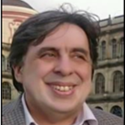
Samuel Francke-Campana - CHILE
Samuel Francke-Campana is a forest engineer from the Chilean State University and holds a PhD in soil chemistry, soil fertility, and watershed management from Ludwig Maximilian University of Munich, Germany, supported by a DAAD grant. He has completed postgraduate studies and professional diplomas in Brazil, the United States, Spain, the United Kingdom, Japan, and China. With more than three decades of academic experience, he has taught at several universities in Chile and has authored or co-authored 166 scientific publications, 10 books, and numerous technical documents, with over 4,500 citations. His teaching and research cover soil science, soil and water conservation, watershed management, land use, bioremediation, territorial planning, and nature-based solutions. He also directed international training programs for Latin America and the Caribbean for 25 years, mentoring more than 400 postgraduate professionals. At the national level, he served at the Chilean Ministry of Agriculture as Head of the Watershed Management and Soil Conservation Department (1995–2024). Together with his team, he contributed to the restoration of more than 600,000 hectares of degraded land, benefiting 27,000 landowners and training over 50,000 people nationwide. He has represented Chile in United Nations negotiations under the Convention to Combat Desertification (UNCCD), served as national coordinator of the National Plan to Combat Desertification and Drought (FAO–UNDP), and since 2019 has acted as Chile’s UNCCD focal point. He was also a member of the FAO Intergovernmental Technical Panel on Soils (2018–2022) and contributed to global assessments on soil erosion, pollution, soil organic carbon, and sustainable soil management.
✉ Contact Samuel Francke-Campana
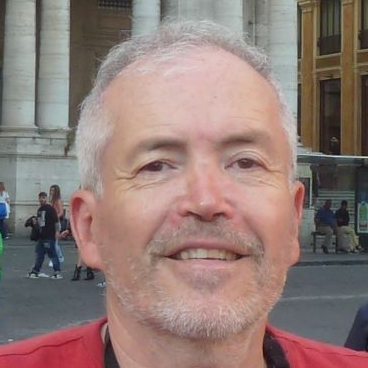
Gerardo Rubio - ARGENTINA
Gerardo Rubio is Professor of Soil Fertility at the University of Buenos Aires (UBA) and Director of the Institute of Agricultural and Environmental Biosciences (INBA, UBA-CONICET). He also serves as a Visiting Professor at the University of Rosario. Upon finishing his doctoral studies at UBA, he spent three years as a visiting scholar in the Plant Nutrition Lab at Pennsylvania State University. His research focuses on soil–plant interaction processes, plant nutrition soil fertility evaluation and soil characterization. He has authored more than 70 peer-reviewed publications on high impact journals, most of them as lead author. While serving as President of the Latin American Soil Science Society, he joined the official launch and initial organizational meeting of the Global Soil Partnership held at FAO headquarters in 2011. Gerardo is the editor of The Soils of Argentina, part of the World Soil Book Series published by Springer Nature.
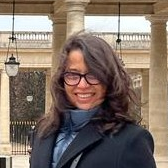
Blanca Prado - MEXICO
Blanca Lucía Prado Pano holds a Ph.D. in Ocean, Atmosphere, and Hydrology from Joseph Fourier University (France), a DEA in Hydrology, Hydrogeology, Geostatistics, and Geochemistry from École des Mines de Paris (France), and a Master of Science in Environmental Engineering from the Instituto Tecnológico y de Estudios Superiores de Monterrey. She completed a postdoctoral fellowship in Soil Science at the Colegio de Postgraduados. Since 2008, she has been a researcher at the Institute of Geology, of the Universidad Nacional Autónoma de México (UNAM), where she focuses on soil physics and solute transport in the vadose zone. She has supervised numerous theses at undergraduate and graduate levels. She has authored over 70 peer-reviewed articles, several book chapters, and outreach publications. She teaches in the Earth Sciences Graduate Program and currently serves as Coordinator of the University Program of Interdisciplinary Soil Studies (PUEIS-UNAM). At the national level, she led the Subcommittee on Awareness, Education, and Training of the National Soil Strategy for Sustainable Agriculture, under the Ministry of Agriculture. Internationally, she is a member of the Sectoral Scientific Commission of the French National Research Institute for Sustainable Development (IRD), entitled Physical and Chemical Sciences of the Planetary Environment.
Near East and North Africa
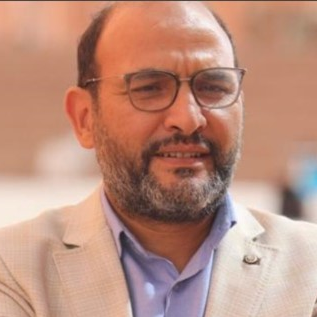
Rachid Moussadek - MOROCCO
Rachid Moussadek is a Senior Scientist- Specialist in Cropping System and Sustainable Intensification, Joint Researcher at INRA/ICARDA and Chair of FAO-Global Soil Partnership/GSP-NENA in collaboration with R/D consortium including INRA/ICARDA/CGIAR and other public and private partners working in the area of soil health. He received his Ph.D. in Sustainable Land Management from Ghent University (Belgium) with a DES on Agro-climatology from Liege University (Belgium) and Master in Agronomy from IAV HII (Morocco). During his 25 years career, the main topics of his research were related to Soil-Climate-Cropping system (Conservation Agriculture, soil and water conservation, fertility mapping and sustainable management in relation to climate change modeling). He published more than thirty papers in peer-referred journals and presented his research results at various congress and scientific meetings. He coordinates several international and national projects (FAO, EU, IDRC, ICARDA, OADA, …), expert for various funding institutions and private sector on (CSA) Climate Smart Agriculture (WB, GIZ, IFAD, …). He contribute to several scientific reports (IPCC, FAO,etc). He advised MSc and PhD students from Moroccan and European universities. He is currently advising 7 MSc and 4 PhD students on Conservation Agriculture, Soil Health and Land Suitability. He is a reviewer for different journals on soil management and environmental topics.
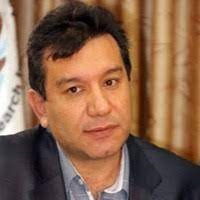
Saeed Saadat - IRAN
Saeed Saadat is an associate professor at the Soil and Water Research Institute (SWRI) of Iran. His research field is soil salinity, soil reclamation and drainage, soil fertility and plant nutrition, soil and water management under stress conditions, especially salinity and also soil monitoring for about 29 years. He is also the responsible of two Iran’s national programs: "soil and water salinity management " and "quantitative and qualitative monitoring of agricultural soils of Iran" at the Soil and Water Research Institute(SWRI). He has also been the deputy of the Soil and Water Research Institute for 3 years. Among his significant activities, we can mention the preparation of the salinity map of Iran's agricultural soils using the latest technologies and FAO standards. He has proposed, managed and implemented “Iran's agricultural soil quality monitoring program” for the first time, and currently three phases (about 15 years) of it have been implemented in the country, which have had valuable results for decision makers and policymakers in the agricultural sector. He was also the representative of NENA region in the 4th ITPS panel (2022-2025) and in the 18th meeting of this panel, he presented the proposal of Global Soil Monitoring Network (GSMN) to ITPS, which was accepted, and subsequently, the letter of “TIME TO ADDRESS GLOBAL SOIL MONITORING?” was sent to GSP by ITPS. In addition to carrying out research projects, he has also been involved in executive affairs in the Ministry of Agriculture of Iran. Among these activities, we can mention the adviser of the deputy minister in plant production affairs. during this period, the registration of fertilizers was done as the most effective activity to improve the use of fertilizers and the health of agricultural products. He was also the Director General of the Environment and food health Office of the Ministry of Agriculture of Iran for 4 years, and during this period, in addition to the activities related to environmental protection and the development of standards related to the production of agricultural products, the production of certified products and related laws was also done. He has also served as an advisor to the minister and director general of the ministerial office in the Ministry of Agriculture for 3 years. Currently, he is a member of the GSP National Committee of the Islamic Republic of Iran.
Ghiath Ahmad Alloush - SYRIA
Ghiath Ahmad Alloush from Syria is a university professor of soil fertility and plant nutrition at the Department of Soil and Water Sciences, Faculty of Agriculture, Tishreen University, in the city of Lattakia, Syrian Arab Republic. He received his Bc degree in horticulture science from Tishreen University in 1982, and his PhD degree in soil chemistry/plant nutrition from The University of Leeds in the United Kingdom in 1990. He was the Head of the Department of Basic sciences, Dean of the Higher Institute for Environmental Research, and Director of International Relations at the University of Tishreen. He was also the Head of Department of Applied Agricultural Research at the Arab Authority for Agricultural Investment and Development (AAAID), Khartoum, Sudan and the Head of Arab and International Relations at the Arab Center for Studies of Arid Soils and Dry Lands (ACSAD), Damascus, Syria. He was awarded the Fullbright Scholarship in the Virginia Polytech and State University, USA. This was followed by several posts in the USDA, University of California, Virginia Polytech and State University involved in research related to environmental chemistry and water pollution, wheat crop responses to drought, crop responses to salinity stresses, and mycorrhizal symbioses. He also worked for ICARDA as a consultant on cropping in semi dry areas. He conducted several research projects and supervised postgraduate students in Syria in the fields of nutrients dynamics in the soil, soil quality, crop responses to fertilizer application, and organic manure application and effects on nutrients movement to water bodies. He has over 65 scientific publications in refereed international and regional journals. Currently, he is involved in soil fertility research, efficient use of applied fertilizers by crops with special reference to wheat crop, sustainable soil and maintaining soil fertility. The laboratory quality control and methodology of soil analysis is of great interest to produce a fertility map of soils.
North America
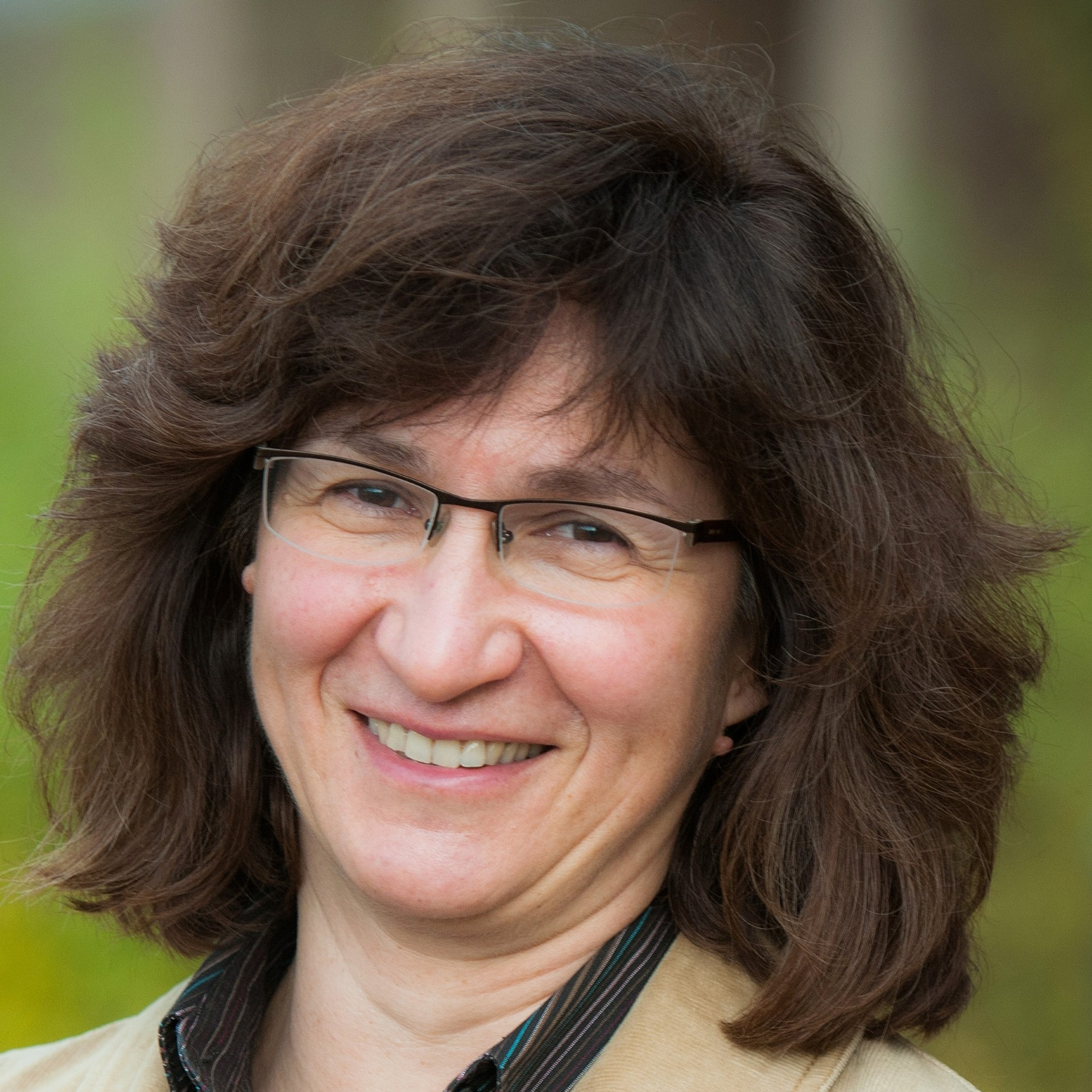
Maja Krzic - CANADA
Maja Krzic is a Professor of Soil Science at the University of British Columbia, Vancouver. She is internationally recognized for her contributions to enhancement of soil science education through development and implementation of innovations such as open textbooks and other open access educational resources as well as establishment of several international networks focused on soil science education. Maja provides leadership at the international, national, and local levels. She has served as the President of the Canadian Society of Soil Science in 2016, has been an Editor and Associate Editor for the Natural Science Education journal published by the American Society of Agronomy, and has served on various committee of the Soil Science Society of America. Maja has received 24 awards from various national and international organizations and societies focused on soil science, agronomy, education, and media development, including a Fellow of the Canadian Society of Soil Science, a Fellow of the Soil Science Society of America, and a 3M National Teaching Fellow.

Michael Castellano - UNITED STATES OF AMERICA
Michael Castellano is Professor of Agronomy and the William T. Frankenberger Professor of Soil Science at Iowa State University. His research, teaching, and outreach aim to increase cropping systems productivity, profitability, and environmental performance by improving our understanding and management of soil resources. To achieve these outcomes, Mike uses a systems approach and strong collaborations with a broad array of scientists and engineers to track the storage and flow of nutrients, energy, and water throughout the crop-soil system. A range of stakeholders including government, non-governmental organizations, farmers, and industry regularly engage Mike to help advance sustainable crop production and soil management. His research has led to several public-private partnerships that benefit agriculture and the environment by implementing research results on managed lands. Mike earned a PhD in Soil Science from The Pennsylvania State University. His graduate students have successful careers working throughout the world in academia, government, and industry for the benefit of soil health. He is an active member of the Soil Science Society of America where he received the Early Career Award in 2016 and serves as the editor for the Soil Science Society of America Journal sections of Soil Biology & Biochemistry and Forest, Range & Wildland Soils.
South West Pacific
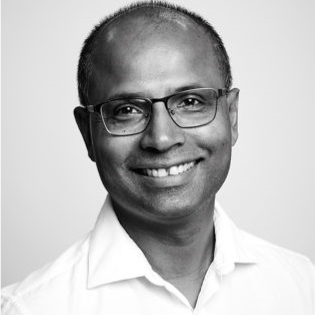
Braj Singh - AUSTRALIA | ITPS CHAIR
Braj Singh is an expert in soil science, biodiversity, ecosystem functions and sustainable agriculture. Through his fundamental research, he aims to identify the quantitative relationships between soil biodiversity and ecosystem functions and how natural/anthropogenic pressures such as climate change, and pollution affect these. His applied research harnesses the knowledge gained in fundamental research to achieve sustainable increase in farm productivity, soil carbon storage, climate mitigation and other sustainable development goals. He has obtained his PhD from Imperial College, London (UK) and worked as a Principal Scientist at Macaulay Institute, Aberdeen (UK). He took up position at Western Sydney University in 2010 and currently serves as a Professor at Hawkesbury Institute for the Environment, and the Director of Global Centre for Land-Based Innovation. He has published well over 250 peer reviewed papers and has also co-edited books including the Global Atlas of Soil Biodiversity. He is a coordinating lead author UN- Food and Agriculture Organisation Report on State of Knowledge of Soil Biodiversity. He is a recipient of Humboldt Research Award (Germany), and J A Prescott medal of Soil Science Society of Australia, and a Fellow of American Academy of Microbiology.
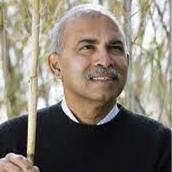
Ravendra Naidu - FIJI
Ravendra Naidu is CEO and Managing Director of CRC CARE (formerly the Cooperative Research Centre for Contamination Assessment and Remediation of the Environment) and Founding Director of the Global Centre for Environmental Remediation at the University of Newcastle, Australia. Ravi’s work focuses on the remediation of contaminated soil, water and air, and the potential impacts of contaminants upon environmental and human health at local, national and global levels. Ravi received his PhD and DSc in environmental science from Massey University, New Zealand. He is an elected Fellow of the Soil Science Societies of America (2000) and New Zealand (2004), and the American Society of Agronomy (2006). In 2013 was elected a Fellow of the American Association for the Advancement of Science. He is Chair of the International Committee on Bioavailability and Risk Assessment, former Chair of the International Union of Soil Sciences Commission for Soil Degradation Control, Remediation and Reclamation (2002 10), and former President of the International Society on Trace Element Biogeochemistry (2005-07).