


Indicator 2.3.1 - Volume of production per labour unit by classes of farming / pastoral / forestry enterprise size
This indicator refers to the value of production per labour unit operated by small-scale producers in the farming, pastoral and forestry sectors. Data will be produced by classes of enterprise size. The indicator will measure progress towards SDG Target 2.3.
Target 2.3
By 2030, double the agricultural productivity and incomes of small-scale food producers, in particular women, indigenous peoples, family farmers, pastoralists and fishers, including through secure and equal access to land, other productive resources and inputs, knowledge, financial services, markets and opportunities for value addition and nonfarm employment.
Indicator 2.3.1: Progress Assessment
Impact
Together with indicator 2.3.2, it offers a complete breakdown of who small-scale producers are, what they earn and how much they produce. These indicators are vital for government efforts to drive the nation’s economy, eliminate hunger and poverty and reduce inequality.
Key results
Disparities in labour productivity between small- and large-scale food producers, as well as between production units headed by men and women, persist.
Small-scale food producers play a vital role in supporting global food systems and local economies, but consistently exhibit lower productivity compared to non-small-scale producers, particularly in higher-income countries. In low- and middle-income countries, the labour productivity falls below USD 25 (constant purchasing power parity [PPP] 2017) per day.
Globally, labour productivity among small-scale food producers is lower than that of non-small-scale producers. The ratio of labour productivity between small-scale and non-small-scale food producers reveals significant disparities in developed countries, with small-scale producers’ productivity accounting for less than 25 percent of that of large-scale producers. These gaps are less pronounced in low-and middle-income countries. In addition, the data shows that in many African countries, including Ethiopia, Malawi, Niger, Uganda and the United Republic of Tanzania, labour productivity remains generally low for both small- and non-small-scale producers.Elearning
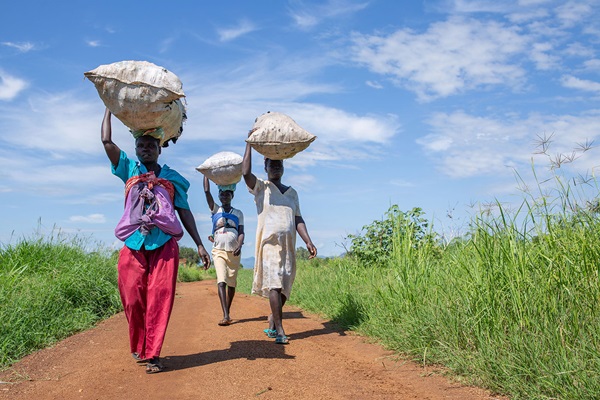
SDG Indicators 2.3.1 and 2.3.2 - Labour Productivity and Income of Small-scale Food Producers
02/06/2023
This course has been developed to support countries in computing and monitoring Indicators

Multimedia
SDG 2 – Indicators of productivity and income of small-scale food producers
01/01/2019
An overview of SDG indicators 2.3.1 and 2.3.2, measuring productivity and income of small-scale food producers.
Tracking progress on food and agriculture-related SDG indicators (2022)
01/09/2022
Tracking progress on food and agriculture-related SDG indicators offers detailed analyses and trends on selected indicators for which...
Capacity development
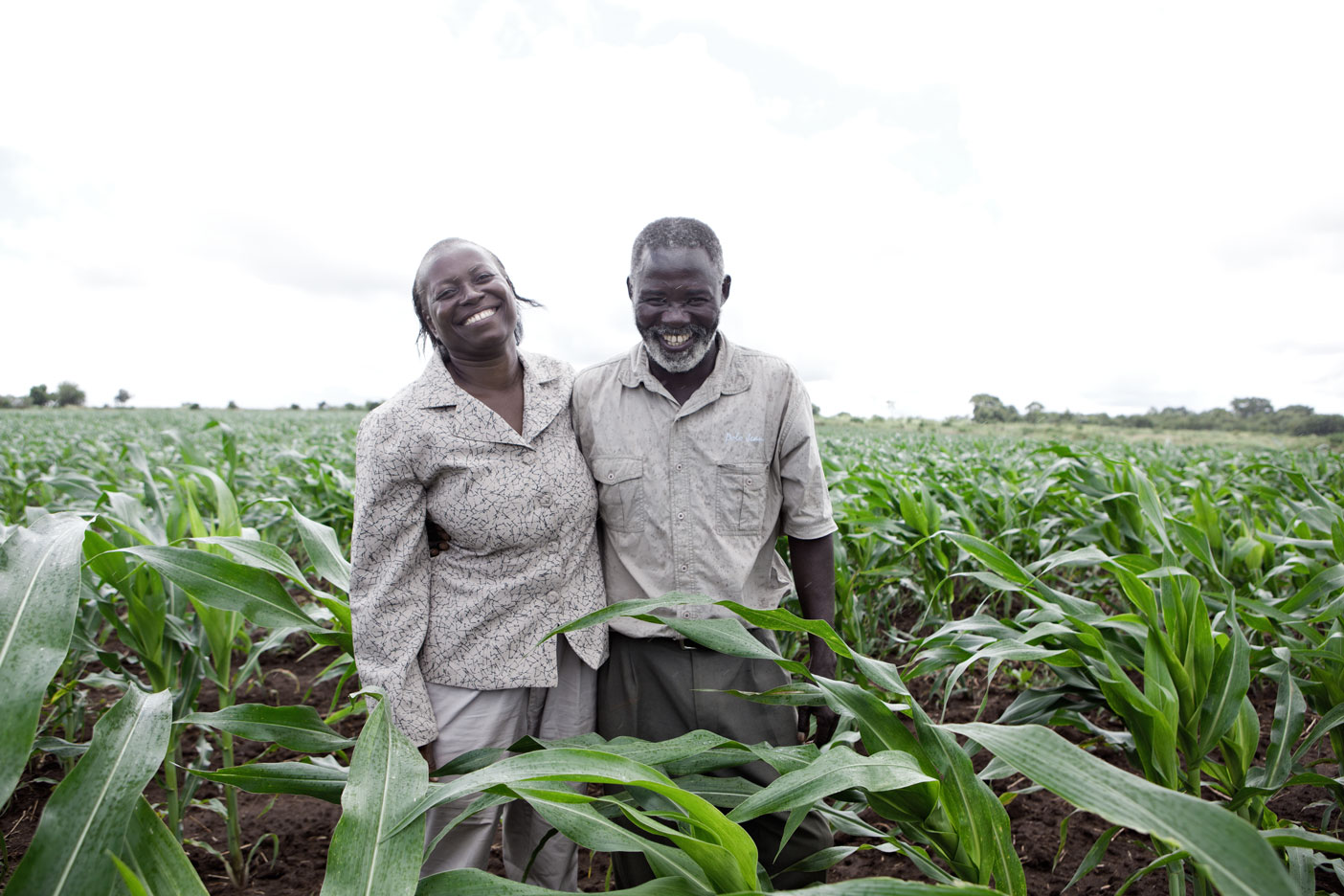
Technical assistance in computing the SDG indicators 2.3.1, 2.3.2 and 5.a.1 in Zambia
19/06/2023 - 28/06/2023
The FAO Regional Office for Africa and the Office of the Chief Statistician organized a series of training sessions in June 2023 to assist the Zambia...
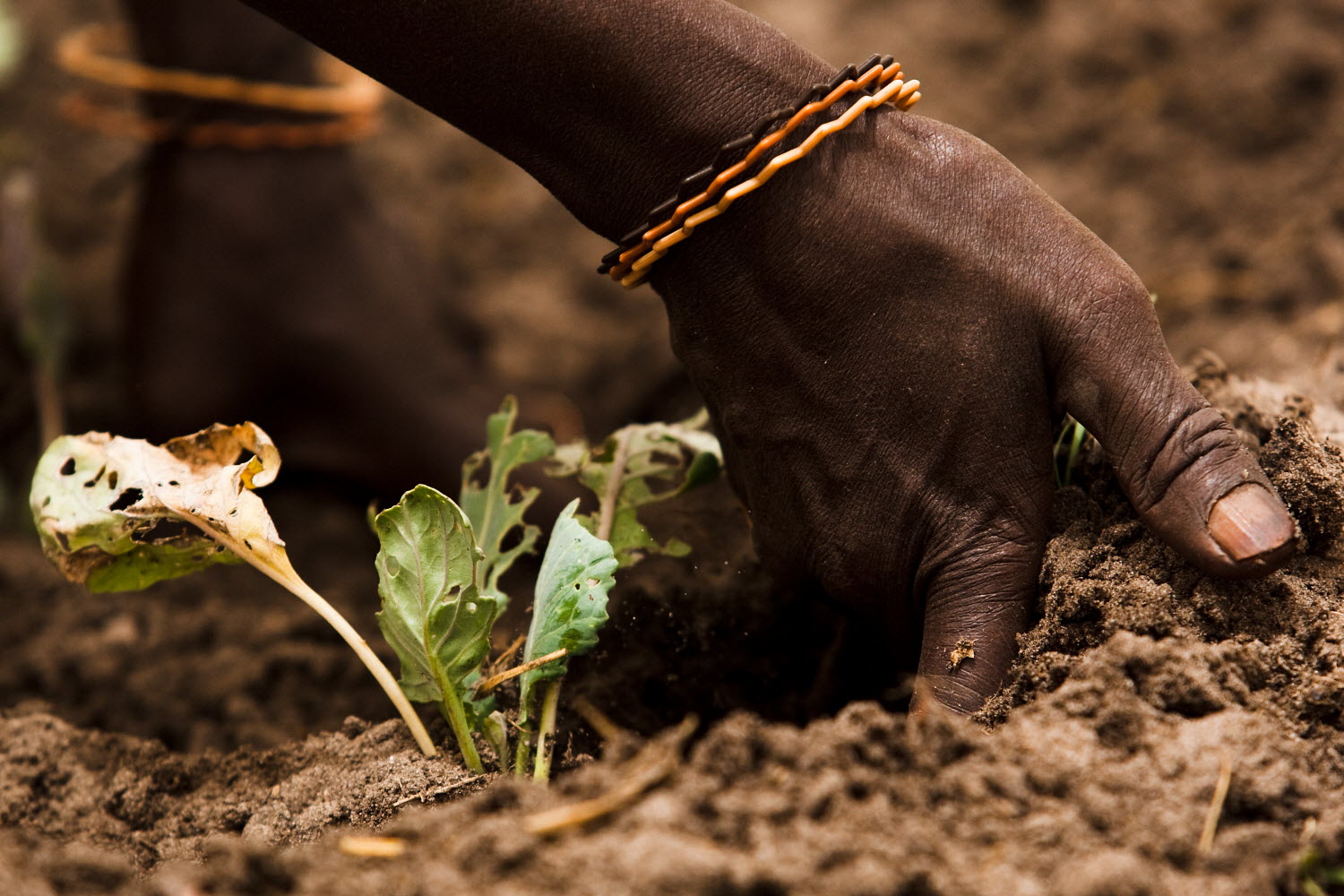
Technical assistance in computing the SDG indicators 2.3.1, 2.3.2 and 5.a.1 in The Gambia
02/05/2023 - 12/05/2023
The FAO Regional Office for Africa and the Office of the Chief Statistician organized a series of training sessions in May 2023 to assist the Gambia...

Technical assistance in computing the SDG indicators 2.3.1, 2.3.2 and 5.a.1 in Eswatini
11/04/2023 - 21/04/2023
The FAO Regional Office for Africa and the Office of the Chief Statistician organised a series of training sessions in April 2023 to assist the Central...

Virtual Event
Measuring SDG indicators 2.3.1 and 2.3.2: training for Senegal
23/11/2021 - 24/11/2021
How to measure Food Security indicators using data from Annual Agriculture Surveys? How to monitor progress at global, regional, and national...
Virtual Event
Virtual Training on SDG indicators 2.3.1 and 2.3.2, Bangladesh Bureau of Statistics (BBS)
17/10/2021 - 30/08/2021
Following a request from the Government of Bangladesh, FAO organized a Virtual training on SDG indicators
Virtual Event
Virtual Training on SDG indicators 2.3.1 and 2.3.2, African countries
11/10/2021 - 14/10/2021
FAO organized a Virtual training on SDG indicators
Virtual Event
Capacitación virtual en la medición y reporte de los indicadores de los ODS 2.3.1 y 2.3.2 para América Latina
09/12/2020
El objetivo general de esta formación virtual fue proveer a los funcionarios gubernamentales responsables del monitoreo de los indicadores de los...
Chiba (Japan)
Regional Workshop on Farm Survey Based SDG Indicators (2.3.1, 2.3.2, 2.4.1, 5.a.1 and 12.3.1a)
21/10/2019 - 24/10/2019
The overall goal of the regional workshop was to provide government officials responsible for SDG monitoring with capacity development in methodology,...
Cairo (Egypt)
Regional Workshop on Farm Survey Based SDG Indicators (2.3.1, 2.3.2, 2.4.1, 5.a.1 and 12.3.1a)
07/10/2019 - 10/10/2019
The overall goal of the regional workshop was to provide government officials responsible for SDG monitoring with capacity development in methodology,...

Methodology
- Metadata
- Methodology for computing and monitoring the Sustainable Development Goal Indicators 2.3.1 and 2.3.2