

Good agricultural practices for bananas
Good Agricultural Practices
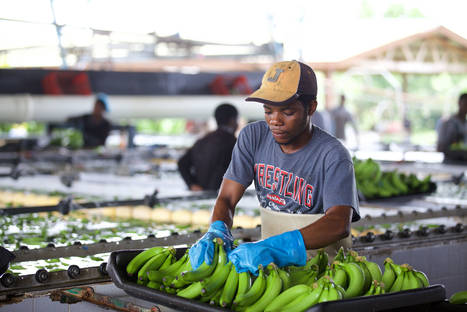
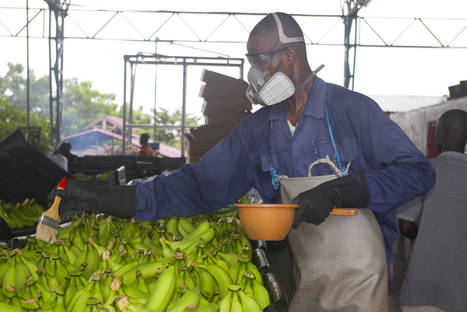
Good Agricultural Practices (GAP) are "practices that address environmental, economic and social sustainability for on-farm processes, and result in safe and quality food and non-food agricultural products"1. GAP are particularly important in the banana industry, not only for sustainability of production and minimization of environmental impact, but also to ensure that harvesting, packaging, and transport activities are conducted in hygienic conditions in order to deliver safe and good quality fruit to consumers. Moreover, certain activities performed in the sector carry important risks for workers, and these need to be addressed to ensure safe and efficient banana production.
According to this definition, the four pillars of GAP are:
- Economic viability
- Environmental sustainability
- Social acceptability
- Food safety and quality
GAP are particularly important in the banana industry, not only for sustainability of production and minimization of environmental impact, but also to ensure that harvesting, packaging, and transport activities are conducted in hygienic conditions in order to deliver safe and good quality fruit to consumers. Moreover, certain activities performed in the sector carry important risks for workers, and these need to be addressed to ensure safe and efficient banana production.
If correctly implemented, GAP can limit the following risks2:
- Microbiological contamination of water and tools
- Unsuitable or contaminated soils
- Inappropriate tool or machinery handling
- Dangerous product storage and chemical contamination
- Contamination of the fruit due to inappropriate chemical doses
- Introduction of new pests, pathogens, or diseases into the production area
- Health risks for workers related to pesticide use
- Low fruit quality
- Low production
Many GAP guidelines and standards have been created at the international, national, and local levels by international organizations, industry groups, companies, and civil society organizations.
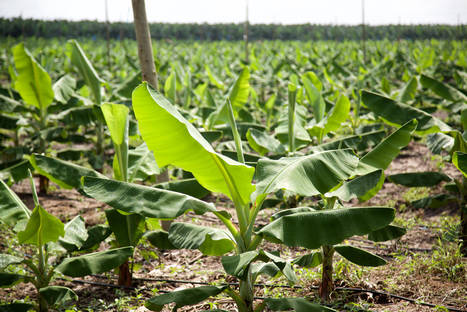
An example of GAP guidelines by an intergovernmental organization: FAO Good Agricultural Practices
An example of GAP guidelines by an intergovernmental organization: FAO Good Agricultural Practices
FAO GAP Principles
FAO GAP principles2 have been defined to serve as a reference for voluntary sustainability standards on GAP. These technical recommendations are not compulsory.
Category | Guidelines |
|---|---|
Soil Management and Fertilization |
|
Water Stewardship |
|
Crop Production |
|
Crop Protection |
|
Harvest and On-Farm Processing |
|
Energy and Waste Management |
|
Health and Safety |
|
Wildlife and Landscape |
|
An example of GAP certification scheme by a private sector organization: GLOBALG.A.P. Certification
An example of GAP certification scheme by a private sector organization: GLOBALG.A.P. Certification
GLOBALG.A.P. Certification
The Global Partnership for Good Agricultural Practices was founded in 1997. Today, more than 400 member organizations, including producers, retailers, industry, and service providers, support this initiative3.
Certification Requirements
To be GLOBALG.A.P. certified, banana producers must comply with the Control Points and Compliance Criteria (CPCCs) for fruits and vegetables. This covers all stages of production, including pre-harvest soil management and application of plant protection products, as well as post-harvest processes, produce handling, and on-farm storage.
Certification Options
- Individual certification: A single producer applies for certification and holds the certificate. Producers with multiple production units can apply for individual certification with or without a Quality Management System (QMS).
- Group certification: A group of producers requests certification, and the group, as a legal entity, is the certificate holder. In this case, the implementation of a QMS is required.
Certification Process
- The applicant(s) must implement and document the appropriate GAP as indicated in the CPCCs. Applicants carry out an annual self-assessment using the GAP checklists and QMS verification list (if applicable).
- Producers contact a GLOBALG.A.P.-approved certification body.
- A contract is established with the certification body.
- A fee must be paid, which includes registration onto the GLOBALG.A.P. database and the external inspection by the certifier.
- The certification body carries out an inspection. Inspections are annual, and unannounced inspections may also occur randomly. The certification body issues a certificate, which can be verified online.
Facts on GLOBALG.A.P. Certification4
- The countries with the largest area of GLOBALG.A.P.-certified bananas are Ecuador (71,800 ha), Colombia (42,500 ha), Guatemala (29,000 ha), Costa Rica (26,600 ha), and the Dominican Republic (14,600 ha), representing approximately 70% of the total surface of GLOBALG.A.P.-certified bananas.
- As of June 2016, GLOBALG.A.P. had certified 272,000 hectares of bananas in 32 different countries.
- 83% of the certified area is in the Americas, 10% in Asia, 6% in Africa, and 1% in other regions.
GAP Benefits for producers
| Challenges
|
References
References
1 FAO. What are Good Agricultural Practices?
2 FAO. FAO GAP Principles
3 Global G.A.P. 2014. Building a Global Solution Trough Partnership and Collaboration. Global G.A.P Annual Report 2013-2014
4 Data provided by GlobalG.A.P.
For more information, please refer to Organic farming and Voluntary sustainability standards in the banana industryVoluntary sustainability standards for bananas