
档案库

Rx Vision: An artificial intelligence enabled digital tool helping promote responsible antibiotic use in Bangladesh
05/10/2026
Misuse and overuse of antibiotics are major drivers of antimicrobial resistance, posing human, animal and environmental health threat worldwide. In Bangladesh widespread use of fluoroquinolones has become a concern with studies reporting high levels of Ciprofloxacin resistant Escherichia coli, in [...]
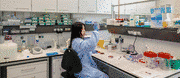
Fifth annual meeting strengthens regional laboratory cooperation on antimicrobial resistance
16/09/2026
The meeting, hosted on 15–16 September by Mongolia’s General Authority for Veterinary Services and State Central Veterinary Laboratory, with technical support from FAO, brought together representatives of national laboratories and authorities, FAO experts and technical partners to review progress, share experiences and [...]
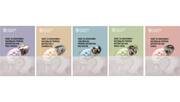
FAO guidelines promote responsible antibiotic use in animals in Serbia
11/09/2026
Veterinarians in Serbia will have new practical guidance to support more responsible and effective use of antibiotics in animals. The Food and Agriculture Organization of the United Nations (FAO), in cooperation with the Ministry of Agriculture, Forestry and Water Management, [...]
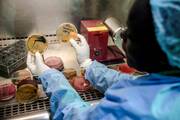
From tutored training to open-access: InFARM course now available to all
03/09/2026
Following the success of its tutored training programme, FAO has launched a new self-paced, open-access course on the International FAO Antimicrobial Resistance Monitoring System (InFARM), making practical training on antimicrobial resistance (AMR) surveillance accessible to professionals worldwide.

Call for Interest for the Designation as FAO Reference Centre for Reducing the Need for Antimicrobials on Farms for Sustainable Agrifood Systems Transformation (RENOFARM)
07/08/2026
FAO is seeking suitable institutions that are interested in being designated as Reference Centres for “Reducing the Need for Antimicrobials on Farms for Sustainable Agrifood Systems Transformation (RENOFARM)” to support FAO and its Members in the implementation of the initiative [...]
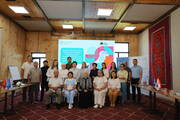
FAO supports Kyrgyzstan in updating the implementation programme for its National Action Plan on Antimicrobial Resistance
28/07/2026
Bishkek – The emergence and spread of antimicrobial resistance is increasingly limiting treatment options in both human and veterinary medicine. This challenge is also highly relevant to Kyrgyzstan.
From 28 to 29 July, a field meeting of the working group on [...]
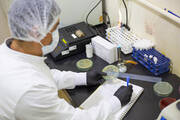
FAO launches 2026 data call to strengthen global action on antimicrobial resistance
27/07/2026
The Food and Agriculture Organization of the United Nations (FAO) has launched the 2026 annual call for data submission to the International FAO Antimicrobial Resistance Monitoring (InFARM) System, inviting national authorities responsible for antimicrobial resistance (AMR) surveillance in animals and [...]
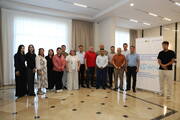
With FAO support, Kyrgyzstan introduces modern mechanisms for monitoring veterinary drug residues in food of animal origin
20/07/2026
Bishkek – The widespread use of veterinary drugs, for which withdrawal periods have been established, can lead to the accumulation of residues in food products if the rules of use are not followed. The presence of such residues poses a [...]

2026年世界提高抗微生物药物耐药性认识周
20/07/2026
世界提高抗微生物药物耐药性认识周是一项全球性活动,旨在提高对抗微生物药物耐药性的认识和了解,并推动全球采取行动,以应对耐药感染的出现和传播。认识周活动于每年11月18日至24日举行。
如果细菌、病毒、真菌和寄生虫不再对旨在杀灭它们的药物产生反应,即说明出现了抗微生物药物耐药性。随着耐药性的增加,抗生素、抗真菌药、抗病毒药和抗寄生虫药等抗微生物药物会失效,导致感染变得越来越难以治疗,甚至无法治疗。
关于2026年主题
“同一健康,同一行动:立即预防抗微生物药物耐药性”
我们的世界比以往任何时候都更加紧密相连。挽救生命的药物、我们生产的粮食、赖以发展的经济以及环境健康彼此息息相关。耐药病原体的出现与传播会影响人类健康、动物健康、粮食安全、经济及可持续发展;同时,环境的健康状况也会影响这些病原体的出现与传播。
抗微生物药物耐药性不再是未来的挑战,而是当前的全球性威胁。
每年已有470多万例死亡与细菌性抗微生物药物耐药性相关。如不采取紧急行动,到2050年,抗微生物药物耐药性可能导致多达3900万人死亡,并每年给全球经济造成超过3.4万亿美元的损失,对低收入和中等收入国家造成格外严重的影响。
在世界各地,政府、卫生专业人员、兽医、环境专家、农民、研究人员和社区已经在采取行动预防抗微生物药物耐药性。他们致力于改善抗微生物药物的获取、负责任使用和安全处置,加强水、环境卫生和个人卫生服务,促进可持续的粮食体系、诊断工具和疫苗,减少污染并保护环境。
2026年世界提高抗微生物药物耐药性认识周聚焦于这一共同责任。该活动以“同一健康,同一行动:立即预防抗微生物药物耐药性”为主题,呼吁每个人尽自己的一份力量,认识到人类、动物、植物和环境的健康紧密相连,一个领域的行动可能影响所有领域。
2026-2036年抗微生物药物耐药性全球行动计划
更新后的《2026-2036年抗微生物药物耐药性全球行动计划》强化了这一愿景,呼吁所有国家和部门在“同一健康”方针下共同努力,预防和应对抗微生物药物耐药性。该计划设定了全球目标,包括减少与细菌性抗微生物药物耐药性相关的人类死亡,降低全球抗微生物药物使用量(特别是在农业食品系统中),以及最大限度减少抗微生物药物耐药微生物和抗微生物药物残留造成的环境污染。其目标简单但至关重要:保持救命药物的有效性,预防感染,保护人类、动物、植物和环境的健康。
采取行动
在2026年世界提高抗微生物药物耐药性认识周期间,每个人都可发挥作用。无论您是政策制定者、卫生工作者、兽医、农民、环境领域从业者还是社区成员,您的行动都至关重要。让我们践行“同一健康”理念,从每一项行动做起,共同预防和遏制抗微生物药物耐药性的传播,保护人类、动物、植物及环境的健康,巩固粮食体系并助力经济韧性,为子孙后代创造一个更可持续的未来。
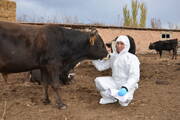
Kyrgyzstan strengthens intersectoral cooperation under the One Health Approach
03/07/2026
Bishkek – The One Health approach serves as a foundational framework for addressing the complex health challenges facing contemporary society, including ecosystem degradation, disruptions in food systems, the spread of infectious diseases, and the growing threat of antimicrobial resistance.
From 1 [...]