
Restorative aquaculture in the Mediterranean: from knowledge to practice

While traditional aquaculture has often prioritized yield, restorative aquaculture shifts the emphasis also towards enhancing ecosystem health and biodiversity.
In addition to serving as a source of food, aquaculture can provide nature-based solutions – helping to restore ecosystems, build climate resilience and support the livelihoods of coastal communities.
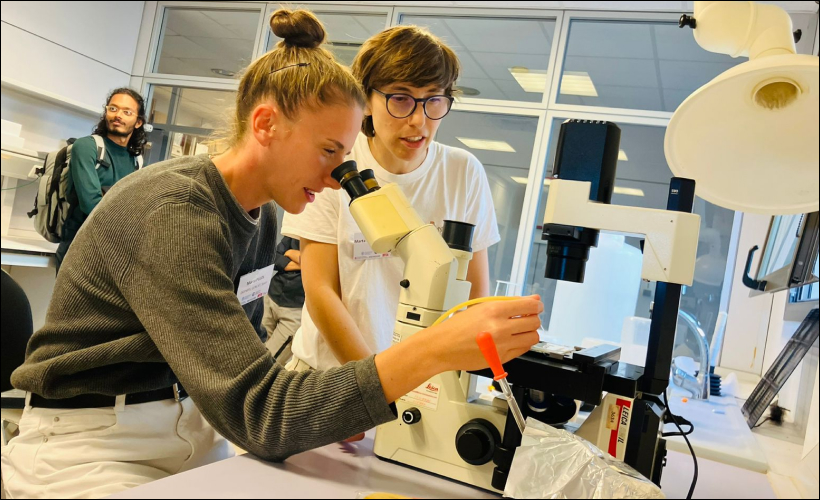
©FAO-GFCM/Georgios Paximadis
This approach, known as restorative aquaculture, aligns with the 2030 Strategy for sustainable fisheries and aquaculture in the Mediterranean and the Black Sea (GFCM 2030 Strategy) of the General Fisheries Commission for the Mediterranean (GFCM) of the Food and Agriculture Organization of the United Nations (FAO), which calls for an aquaculture sector that is sustainable, resilient, and restorative. It also supports the principles outlined in FAO’s Blue Transformation vision.
Why is restorative aquaculture a priority for the Mediterranean and Black Sea region
The Mediterranean and Black Sea region is a climate change hotspot, experiencing warming waters, increased salinity and nutrient pressures, which put marine ecosystems under stress. Restorative aquaculture can help mitigate these impacts as it prioritizes the culture of low-trophic species, which are natural providers of ecosystem services.
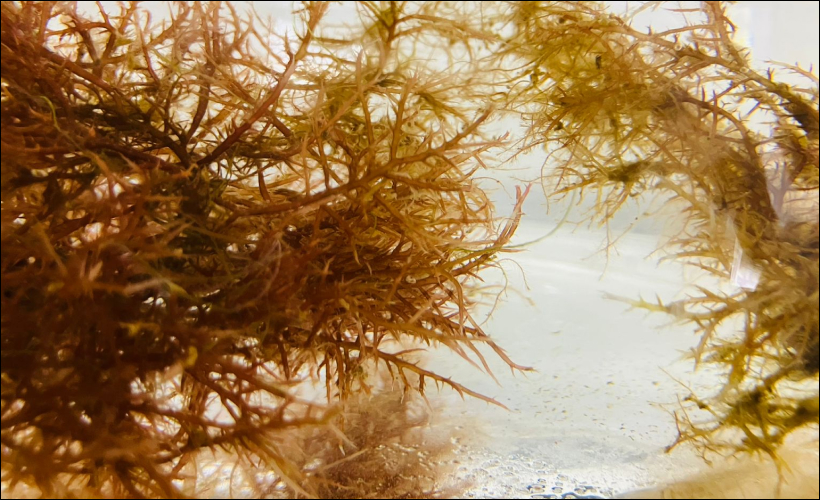
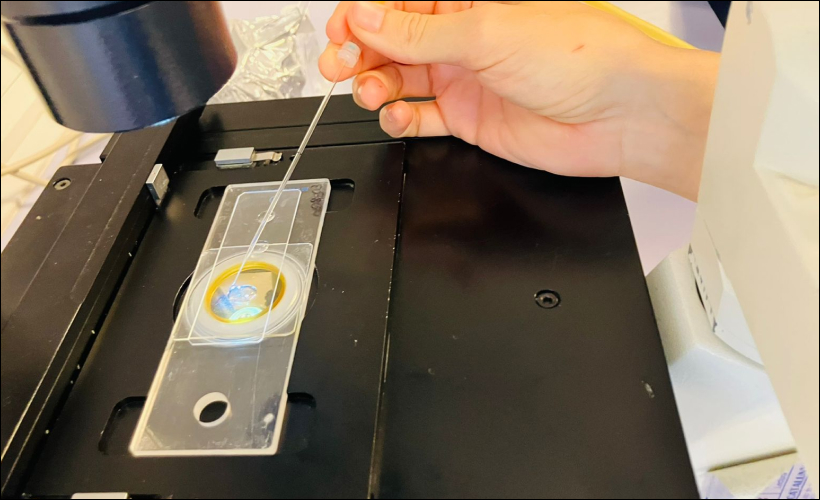
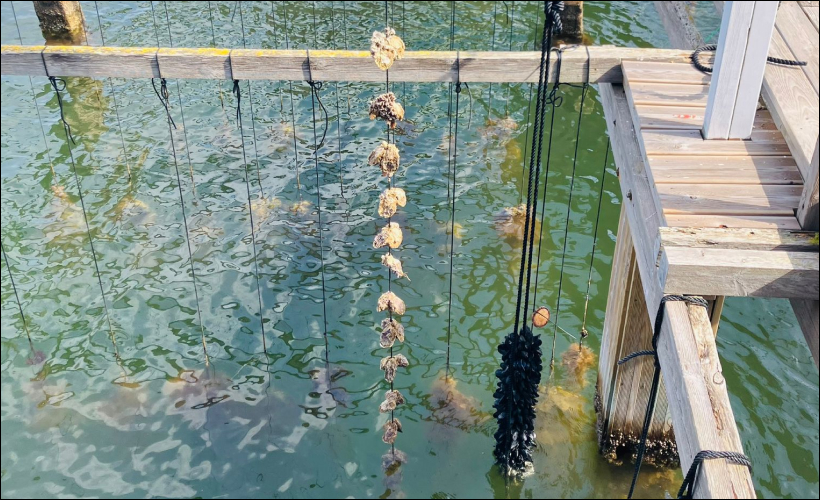
©FAO-GFCM/Georgios Paximadis
For instance, filter feeders, such as mussels and oysters, help prevent eutrophication by removing suspended particles. Meanwhile, macroalgae absorb carbon dioxide and excess nutrients, and other species, such as sea cucumbers, recycle organic matter, thereby contributing to healthier marine ecosystems.
Restorative aquaculture also opens economic opportunities for aquatic food markets, as well as the pharmaceutical and nutraceutical industries, among others – ensuring that ecological restoration goes hand in hand with sustainable livelihoods.
Six species with promise
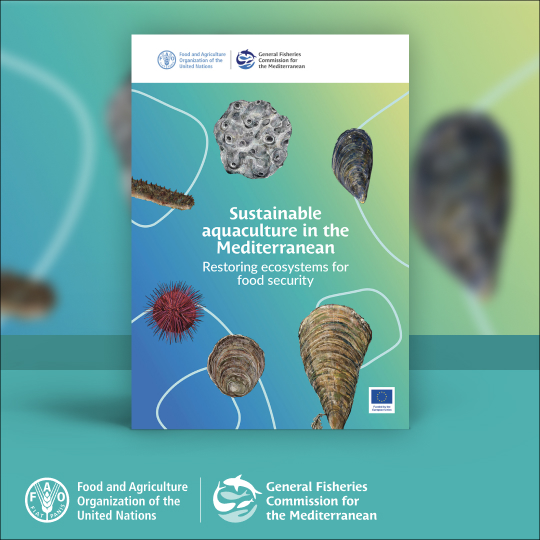
The recently released publication from the GFCM, Sustainable aquaculture in the Mediterranean: restoring ecosystems for food security, highlights six species that stand out for their promise in restorative aquaculture: noble pen shell (Pinna nobilis), stony sea urchin (Paracentrotus lividus), Mediterranean tubular sea cucumber (Holothuria tubulosa), European flat oyster (Ostrea edulis), Mediterranean mussel (Mytilus galloprovincialis) and Greek bathing sponge (Spongia officinalis).
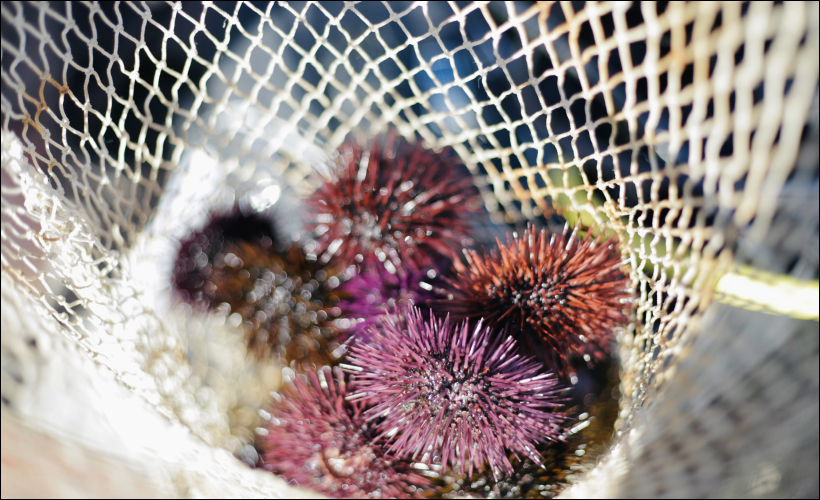
On the left, ©FAO-GFCM/ Intissare Aamri, on the right ©FAO-GFCM/Georgios Paximadis
The publication presents information on the biology, ecology and conservation status of each species, along with their human uses, potential for restorative aquaculture and roles in providing ecosystem services. It showcases how carefully chosen species can support ecosystem restoration, biodiversity conservation and local economies.
Advancing knowledge and developing capacities
Scientific guidance is only one side of the equation – translating knowledge into practice requires strong technical capacity. To that end, the GFCM inaugurated the Mediterranean Restorative Aquaculture Demonstration Centre in la Ràpita, Spain, in July 2025.
The centre provides state-of-the-art facilities to advance research, training and innovation in restorative aquaculture. It focuses on low-trophic species such as macroalgae, bivalves and flathead grey mullet (Mugil cephalus), as well as integrated multitrophic aquaculture systems that mimic natural ecosystems.
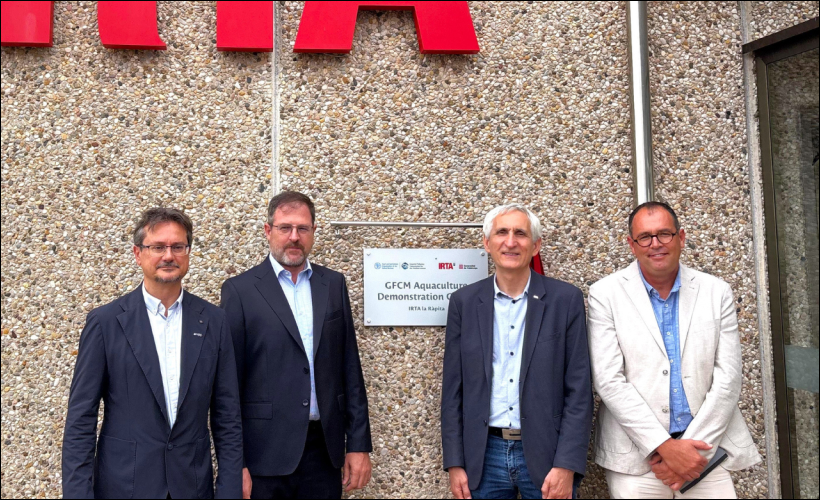
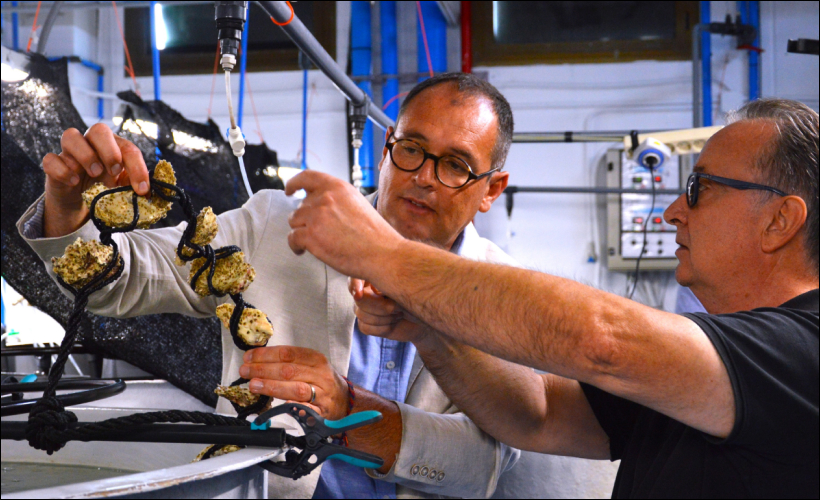
©IRTA
On 7–9 October 2025, the centre hosted its first-ever training – and the first of its kind in the Mediterranean and the Black Sea – on restorative aquaculture, bringing together 10 participants from 7 countries. Developed in response to country requests, the training was refined by the Technical Advisory Groups of the GFCM Scientific Advisory Committee on Aquaculture. It represents a milestone in a country-driven process to develop capacity and scale up restorative practices across the region.
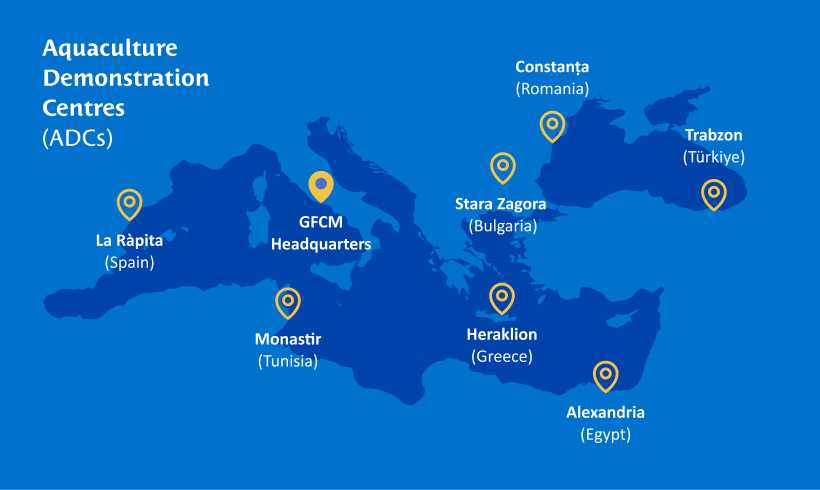
The centre is part of a network of seven Aquaculture Demonstration Centres in the Mediterranean and Black Sea region. Together, they form a growing regional hub which promotes best practices, develops technical capacity and connects stakeholders.
Restorative aquaculture in the Mediterranean and the Black Sea is becoming a practical pathway to integrating environmental health and aquatic food production – one that could act as a global model for sustainable marine resource management.
The GFCM’s work on restorative aquaculture is made possible thanks to the financial support of the European Union, which continues to foster regional cooperation towards sustainable aquaculture practices in the Mediterranean and Black Sea.