
Bulgaria pioneers sea-farmed trout and integrated aquaculture in the Black Sea
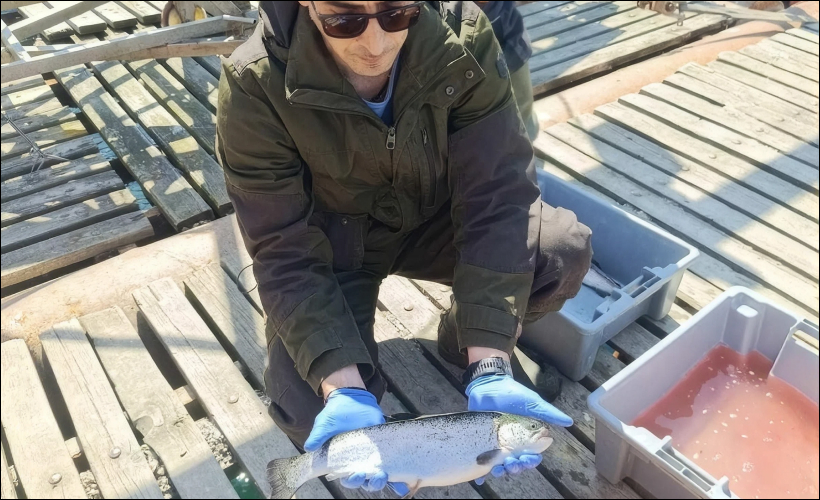
Bulgaria has successfully produced rainbow trout in sea cages for the first time, marking a milestone for marine aquaculture in the Black Sea and opening new opportunities to diversify seafood production in the region.

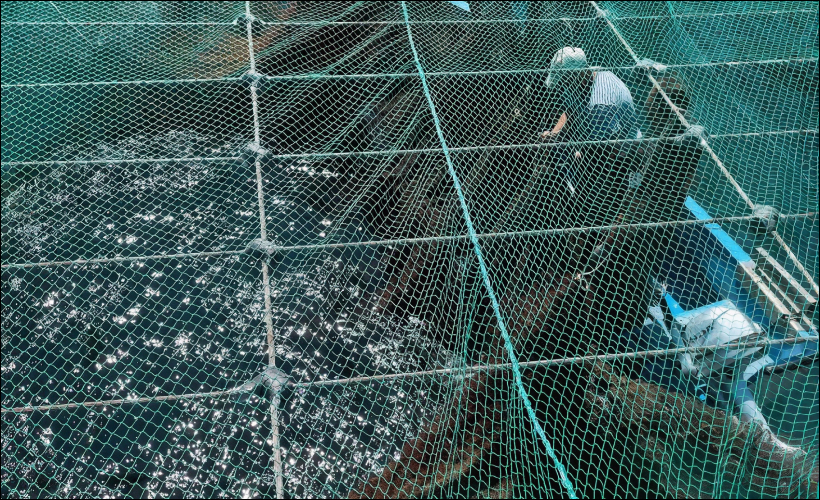
The pilot initiative, carried out in the coastal town of Kavarna, also delivered Bulgaria's first integrated multitrophic aquaculture system, combining rainbow trout and Mediterranean mussel, and marked the first operational deployment of the country's Aquaculture Demonstration Centre. Ongoing trials are already evaluating the performance of rainbow trout under different salinity conditions in recirculating aquaculture systems and sea cages, generating evidence to support future species diversification and sustainable farming practices.
A century of trout farming: from freshwater to sea cages
This achievement builds on a long tradition of trout farming in Bulgaria. Organized trout production dates back to the opening of the country's first breeding station in Samokov in 1924, and today rainbow trout is Bulgaria's leading farmed fish. Yet the country's aquaculture sector remains overwhelmingly freshwater-based. In 2023, Bulgaria produced nearly 9 900 tonnes of aquaculture products, with 90 percent coming from freshwater farming. Marine aquaculture, by contrast, remains limited almost entirely to Mediterranean mussel, which accounts for just 11 percent of national aquaculture production.
The pilot brought together Trakia University, Dalboka Mussel Farm and the General Fisheries Commission for the Mediterranean (GFCM) of the Food and Agriculture Organization of the United Nations (FAO), with financial support from the European Union. Together, the partners achieved several national “firsts” for Bulgaria: the first production of rainbow trout in sea cages, the first implementation of an integrated multitrophic aquaculture system and the first operational deployment of the Stara Zagora Aquaculture Demonstration Centre.
Testing integrated aquaculture in the Black Sea: combining species for sustainability
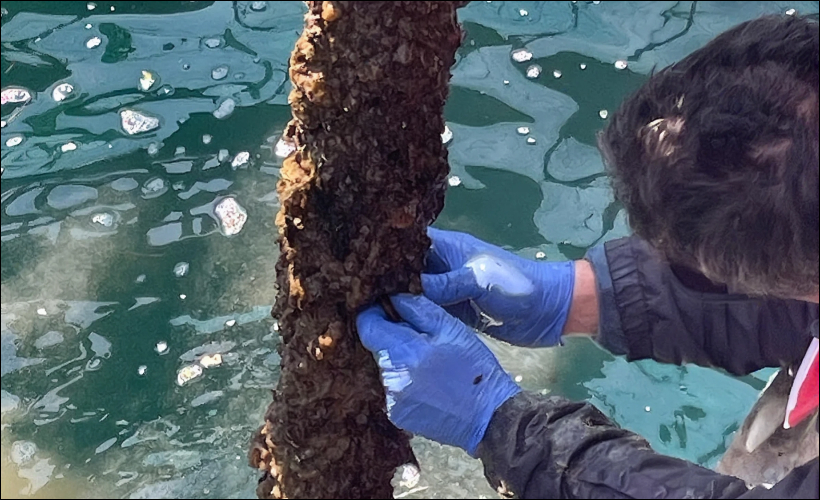
By combining rainbow trout farming with mussel cultivation, the pilot tested an ecosystem-based production model in which different species complement one another. The results demonstrate that innovative production systems can be successfully adapted to Black Sea conditions while making more efficient use of marine resources and supporting environmentally responsible aquaculture.
As Bulgaria works to strengthen food security and diversify domestic food production, sustainable aquaculture is increasingly recognized as part of the solution, providing a reliable source of nutritious animal protein while supporting coastal livelihoods.
Beyond national firsts: a model for the Black Sea
"This initiative demonstrates that when science, industry and international partners work together, Bulgaria can successfully implement innovative and sustainable solutions in aquaculture," said Prof. Ivan Paligorov, Deputy Minister of Agriculture and Food of Bulgaria.
The initiative has also strengthened links between aquaculture production and local communities. At Dalboka Mussel Farm, mussels harvested on site are served directly in the producer's restaurant, creating a model "from net to plate" that promotes locally produced seafood, enhances traceability and adds value to the coastal economy.
"The real value of this pilot goes beyond the national firsts achieved in Bulgaria. By testing innovative farming methods under real Black Sea conditions, the project has generated practical knowledge that can benefit the whole region. Countries looking to diversify marine aquaculture do not have to start from scratch – they can build on experience that has already been tested, adapted and demonstrated. This is exactly what regional cooperation is about: working to develop solutions that can be shared, replicated and scaled up across the Black Sea," said Houssam Hamza, Aquaculture Officer, GFCM.
All images were provided by: ©FAO-GFCM/Gavin Nikolov.