


The Hand-in-Hand (HiH) Initiative


The Hand-in-Hand (HiH) Initiative is FAO’s country-led, data-driven initiative for identifying and financing agrifood investment priorities to accelerate the transformation of agrifood systems.
The Initiative prioritizes countries and territories where high levels of poverty and hunger overlap with significant agricultural potential, and where targeted investment can generate the greatest economic and development impact. Using advanced geospatial analytics, economic modeling, and technical analysis, Hand-in-Hand helps countries identify priority territories and value chains.
Governments then develop investment plans with FAO’s technical support, translating national priorities into portfolios of bankable projects. Multilateral development banks, international financial institutions, and traditional donors help reduce financial risk, creating the conditions for private investment. This multilayered approach to systematically reducing technical and financial risks is at the heart of the Initiative’s innovative financing model.
Since its launch in 2019, Hand-in-Hand has connected national priorities with financing to raise incomes, improve food security and nutrition, and strengthen resilience to shocks and uncertainties. The Initiative is an FAO flagship and one of FAO’s core priority programme areas.
Despite tremendous agricultural potential, many countries face challenges attracting agrifood investment because they lack the information, analysis, and credible investment plans that investors need. The Hand-in-Hand Initiative helps close this gap by translating national priorities into investable opportunities and bringing together governments, international financial institutions, donors, and private investors to systematically reduce technical and financial risks and mobilize investment.

FAO's annual agrifood investment forum provides a platform for governments to present investment plans – developed through the Hand-in-Hand (HIH) Initiative – to a global audience of agrifood investors, offering a unique opportunity for partnership building to accelerate agrifood systems transformation for the Sustainable Development Goals.


What is Hand-in-Hand? A country-led, data-empowered initiative that helps close the agrifood financing gap and accelerate the transformation toward more inclusive, resilient, and sustainable agrifood systems.

The Initiative supports 87 countries across Africa, Asia and the Pacific, Europe and Central Asia, Latin America and the Caribbean, and Near East and North Africa.

With access to more than 2 million data and information layers, the platform serves as the evidence base for identifying territories where agricultural transformation have the greatest potential for alleviating poverty and hunger.

The Data Lab leverages non-conventional data sources and uses data science and artificial intelligence to fill data gaps.
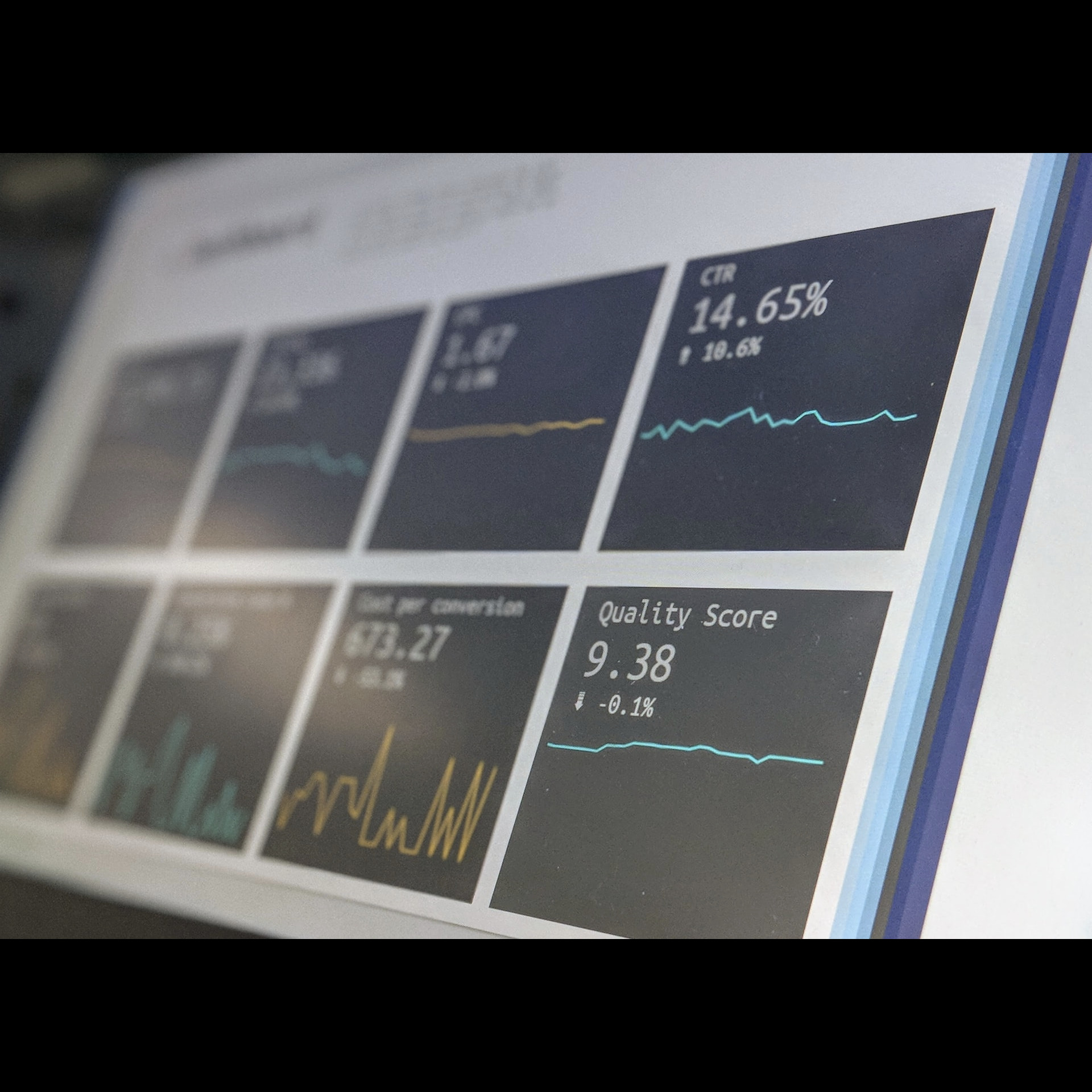
The dashboard provides regular, real-time reporting of progress against programme milestones and SDG objectives. It also provides key impacts and cost-benefit analysis.