


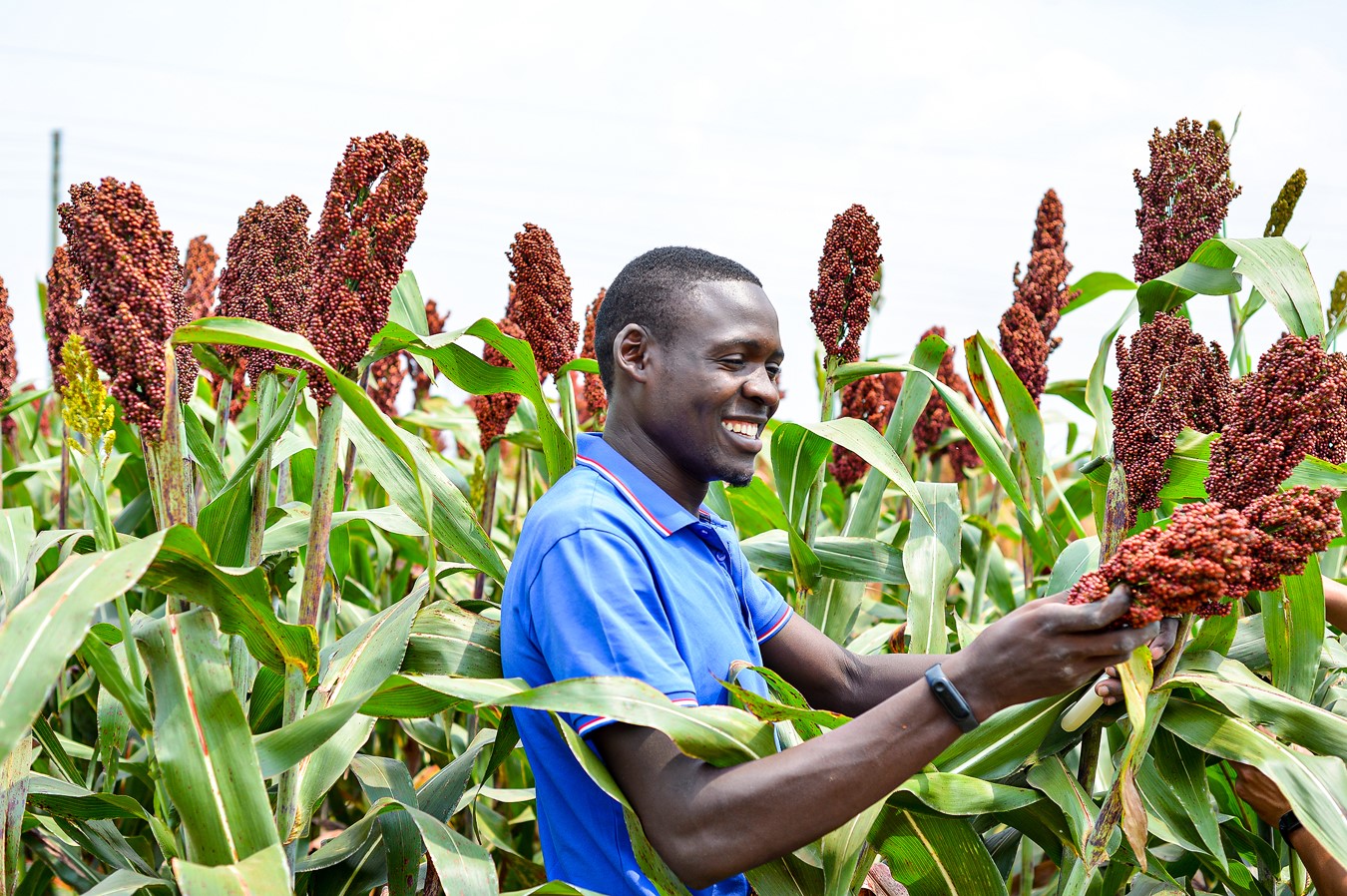
FAO in Uganda
The Food and Agriculture Organization of the United Nations (FAO) has maintained a longstanding partnership with Uganda, dating back to 1959 with technical assistance in aquaculture development and livestock disease control. FAO formally established its representation in the country in 1981 and has since provided technical support in agricultural policy, rural development, and emergency response.
FAO’s current efforts in Uganda are centred around three priority areas: people and enabling the environment, people and the natural environment, and people and prosperity.
The focus is on increasing productivity, addressing environmental degradation and climate change. Special attention is given to vulnerable regions, such as Karamoja, where ecosystem restoration, support for refugee and host communities, and assistance to cattle corridor districts affected by prolonged droughts contribute to long-term resilience and self-reliance.
Guided by the Country Programming Framework (2022–2025), FAO works closely with government institutions, the private sector, civil society, academia, and development partners to drive the sustainable and inclusive transformation of Uganda’s agriculture sector. Key priorities include transforming agrifood systems for sustainable production and market access; enhancing climate change adaptation and resilience; engaging and empowering youth in agricultural value chains; promoting sustainable forest and landscape management; and addressing gender and social inequalities in rural development.
FAO’s work is aligned with Uganda’s National Development Plans and the UN Sustainable Development Cooperation Framework, advancing food and nutrition security, rural livelihoods, and inclusive growth.
Success Stories

Out of its cocoon
FAO-China-Uganda South-South project creates new farming opportunities in sericulture

The biodiversity connection
Sustainable farming practices increase biodiversity in fields, benefiting the environment...

Rice-fish farming in the Land of Milk and Honey
South-South Cooperation is revolutionizing agriculture in Uganda
News
In-depth

Website
Compendium of forgotten foods in Africa
A companion publication for Integrating Africa’s forgotten foods for better nutrition

Website
FAO Regional Office for Africa
In Africa, FAO focuses on four regional priorities that are tailored to address the unique challenges and opportunities present in the continent

Website
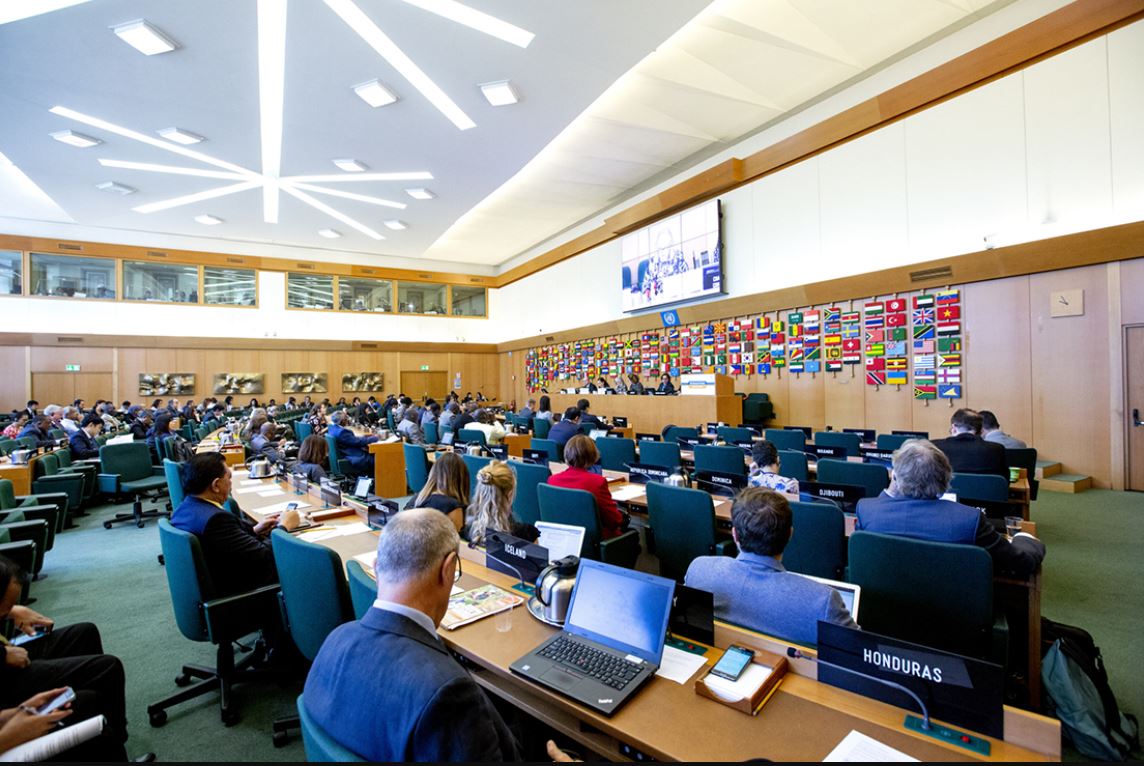
In Focus: FAO response to global food security challenges
FAO responses to the ongoing crisis and their impact on global food security: Data analyses, policy
Website
FAO Strategic Framework 2022-31
Since 2010 all of FAO’s work is guided by a Strategic Framework prepared for a period of ten to fifteen years

Website
Food and Agriculture Museum & Network
Art and culture are universal languages that bring people together and inspire conversations.

Website
South-South and Triangular Cooperation Gateway
There has been rapid economic transformation across the developing world over the past three decades

Website
Climate change is here. But we are fighting back.
Transform agrifood systems to be sustainable, inclusive, and resilient in the face of climate change.
Podcasts

Uganda’s journey towards sustainable food systems
In this episode we are joined by Edward Walugembe, Commissioner Strategic Coordination and Implementation, Office of the Prime Minister and chairperson of the National Food Systems Coordination Committee in Uganda; and Agnes Kirabo, Executive Director of the Food Rights Alliance in Uganda. Tune in and learn about

Fields of knowledge: changing agriculture in Uganda
In Uganda, farmers face mounting challenges from climate change, low productivity, and food insecurity. Through the South-South and Triangular Cooperation project, FAO, in partnership with China is helping smallholder farmers adopt resilient agricultural practices, improve yields, and build a more sustainable future.
Publications

Resilience Building in Uganda
09/05/2025
The Food and Agriculture Organization’s Regional Office for Africa (RAF), in collaboration with multiple Country Offices including Ethiopia, Liberia,...

Identifying commodity-specific priority investments in selected districts of Uganda
09/05/2025
Building on the previous work by the Food and Agriculture Organization of the United Nations (FAO) supporting the identification of priority agricultural...

Enhancing National Veterinary Service Delivery Capacity in Nigeria, South Africa and Uganda
09/05/2025
Animal healthcare services are crucial for managing livestock diseases and enhancing productivity, especially in regions with low veterinarian availability,...
FAO Member Nation since 1979
Contacts
FAO Representation in Uganda
Plot 88 Buganda Road, Wandegeya, Kampala, Uganda
PO Box: 521
Email: [email protected]
Telephone: (256) 32-300600
Campaigns


About FAO Grievance Mechanisms
The FAO in Uganda has a grievance mechanism to allow individuals and communities to safely and confidentially report concerns related to its projects, including misconduct and abuse. The process is free, accessible, culturally sensitive, and ensures no retaliation. Complaints can be submitted via phone or email ([email protected])to the FAO Uganda Country Office and are handled impartially and promptly. This is part of FAO’s broader commitment to accountability and stakeholder protection.
You can also report any misconduct here