


Prudent use of antimicrobials in animals (short version)
24/01/2020
The film explains the risks of misuse and overuse of antimicrobials in animals to farmers and producers including the general public and how to use these drugs responsibly. Farmers and producers are encouraged not to use antimicrobials for healthy animals because it will lead to development and spread of antimicrobial resistance (AMR).
Tackling AMR in Bangladesh – a One Health approach
28/02/2018
Antimicrobials are important to treat sick animals, but their overuse and misuse in human medicine and agriculture is causing the failure of important antibiotics known as antimicrobial resistance (AMR). FAO, OIE and WHO are bringing together medics and veterinarians through a One Health approach to develop new guidelines for the responsible use of antimicrobials in human and animal health.

Don’t let AMR take control!
06/06/2020
Take action in mitigating the spread of antimicrobial resistance. Know what you can do to help control AMR!

Be antibiotic smart, get better profit: Selling antibiotics with prescription
30/03/2020
The video promotes benefits of using antibiotics wisely and good farming practices which can help farmers to protect their livestock health in the long run. The video was produced as part of the risk communication strategy by the Emergency Centre for Transboundary Animal Diseases, FAO Viet Nam.

FAO Asia-Pacific 2019 World Antimicrobial Awareness Week
01/11/2019
FAO plays a key role in supporting governments, producers, traders and other stakeholders to move towards the responsible use of antimicrobials in agriculture, thus helping reduce antimicrobial resistance in agricultural systems.
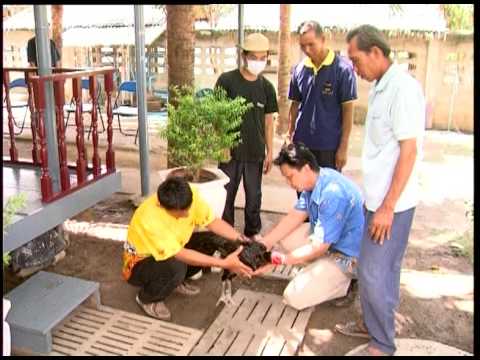
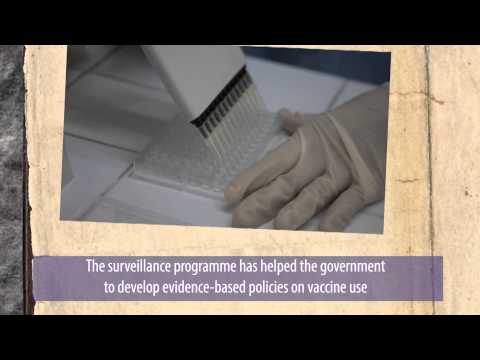
Eight year cooperation to fight against avian influenza H5N1 in Viet Nam
18/12/2014
Key achievements of the avian influenza prevention and control project that Emergency Centre for Transboundary Animal Diseases, FAO Viet Nam and Ministry of Agriculture and Rural Development have gained in the last 8 years of working together.

Fighting avian flu in Indonesia’s poultry with IVM online
25/06/2018
After Indonesia was exposed to avian influenza H5N1 in 2003, the Govt has been developing strategies to fight the virus in poultry. IVM online is a web-based animal health laboratory network system that manages antigenic and genetic data of the circulating HPAI viruses in Indonesia. The system represents the first coordinated effort of its kind for monitoring of influenza in animals in the world.
Response to rumours on African swine fever (ASF) treatment in Viet Nam
03/09/2019
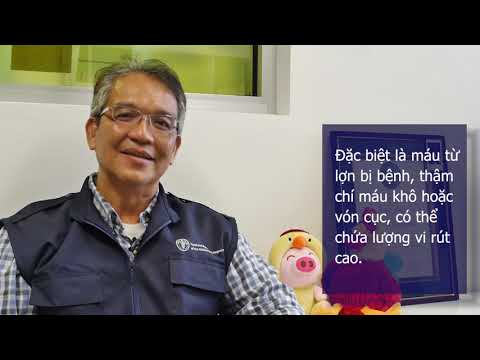
Pawin Padungtod, FAO ECTAD Senior Technical Coordinator, explains that the current rumours on fermented distiller’s grains can improve health of ASF infected pigs and probiotic can prevent ASF infection are not true. The video was produced as part of ASF risk communication efforts by the Emergency Centre for Transboundary Animal Diseases in Viet Nam.

African swine fever (ASF) kills pigs
09/07/2021
The African swine fever (ASF) virus does not pose a hazard or risk to humans but it is a highly contagious and deadly pig disease. It has already caused huge economic losses and considerable trade disruptions. Smallholder pig farms or backyard producers are thought to be the most at risk. This video details what is ASF and how to avoid it. It also discusses the issue of vaccines.
A year of collaboration: DGLAHS Ministry of Agriculture and FAO ECTAD Indonesia (2016)
04/01/2017
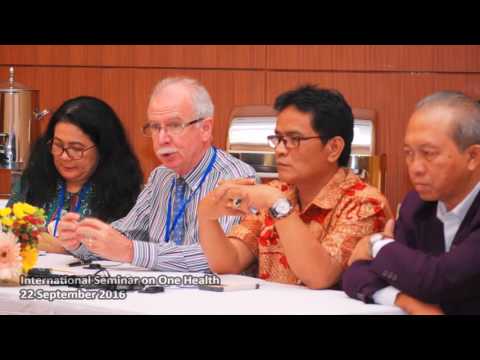
The slideshow video captures some activities implemented by FAO ECTAD Indonesia through the Emerging Pandemic Threats Phase Two (EPT-2) Programme with the Directorate General of Livestock and Animal Health Services, Ministry of Agriculture, throughout 2016. The EPT-2 will be rolled out until 2019 with funding from USAID.

Triangulated surveillance: Unveils the emerging infectious diseases in Indonesia
25/06/2018
Triangulated surveillance follows a One Health approach, which involves the monitoring of wildlife-livestock-human interfaces in order to detect viruses early that could become emerging infectious diseases (EIDs). DIC Maros was appointed as the focal point for the triangulated surveillance activities in Indonesia. The documentary video tells the story of the surveillance process in the field.
Rabies vaccination can save lives
27/07/2017
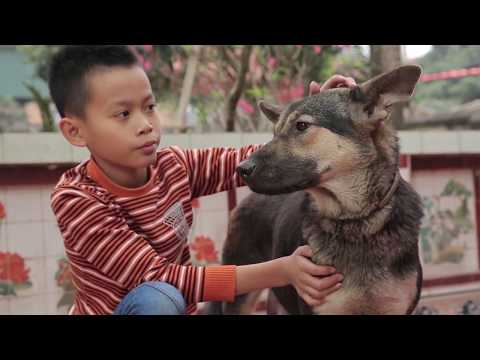
A video to demonstrate the importance of rabies vaccination for dogs and human.
Controlling rabies in Bali: Protecting lives and livelihood
26/09/2017
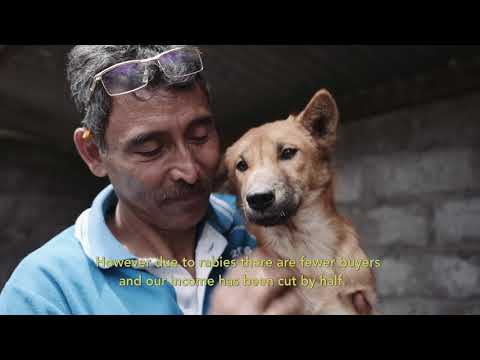
Sukawana village is famous to the world because it breeds beautiful Kintamani dogs. Since rabies outbreak in 2008, the price of Kintamani dogs has fallen, the dog business in Sukawana suffer big loss. The film capture the activity of an animal health worker to practice the Integrated Bite Case Management (IBCM) protocol for investigation, response and emergency vaccination.

Eradication of rabies in Viet Nam
21/05/2015
The film serves as one of the training tools for animal and public health professionals especially for those who conduct outreach training to district and commune based animal health and public workers. It provides demonstration on how joint collaboration is required among sectors, how to conduct effective vaccination in dogs and how wound washing and post-bite vaccination need to be followed.
Rabies: Zero by 2030
28/09/2021
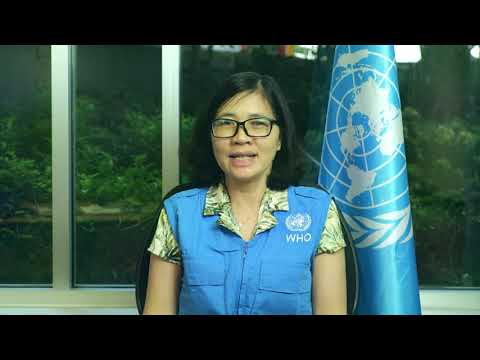
While some progress has been made over the past 10 years, Viet Nam has continued to report 70 to 100 human deaths from rabies each year. FAO, WHO encourage a ‘Call to Action’ to the Government of Viet Nam, particularly at the local level, to prioritize and increase resources for the management of dog populations, vaccination and provision of post exposure prophylaxis for those bitten by dogs.

Rabies campaign to the children in Bali
28/05/2017
The film shows the activity of animal health workers who actively engage in Rabies campaign to the elementary school students, and showing how the children understand and apply the campaign in their life.
Capture and handling of dogs for mass dog vaccination - Bali method part 2: Catching dogs by hand
22/09/2018
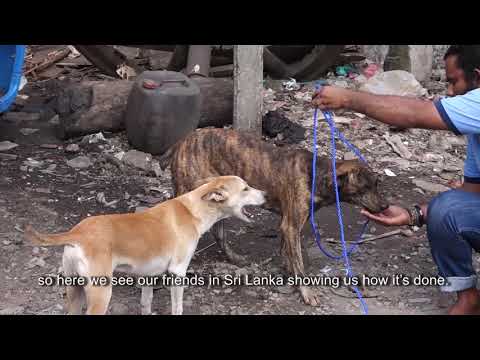
This video series, developed with the generous funding support of World Animal Protection, provides a practical guide on humane capture and handling of dogs for rabies vaccination. Part 2 describes how to safely catch dogs by hand.
Saving lives in Bali
27/02/2014
How Bali succeeded in controlling an epidemic of rabies on the island through a strategy of mass vaccination, communication, One Health collaboration, capacity building and political will.