


Livestock and Farmer Field Schools

Hundreds of millions of small-scale livestock producers across the globe are crucial contributors to food and agricultural production, human health and well-being, and maintenance of healthy local environments. However, they face a number of challenges, including inadequate access to productive and natural resources, services, information, technologies and innovations. These challenges are further exacerbated by small-scale livestock producers’ pronounced vulnerability to global issues such as climate change; endemic, emerging and re-emerging diseases; land degradation; water scarcity; and conflict.
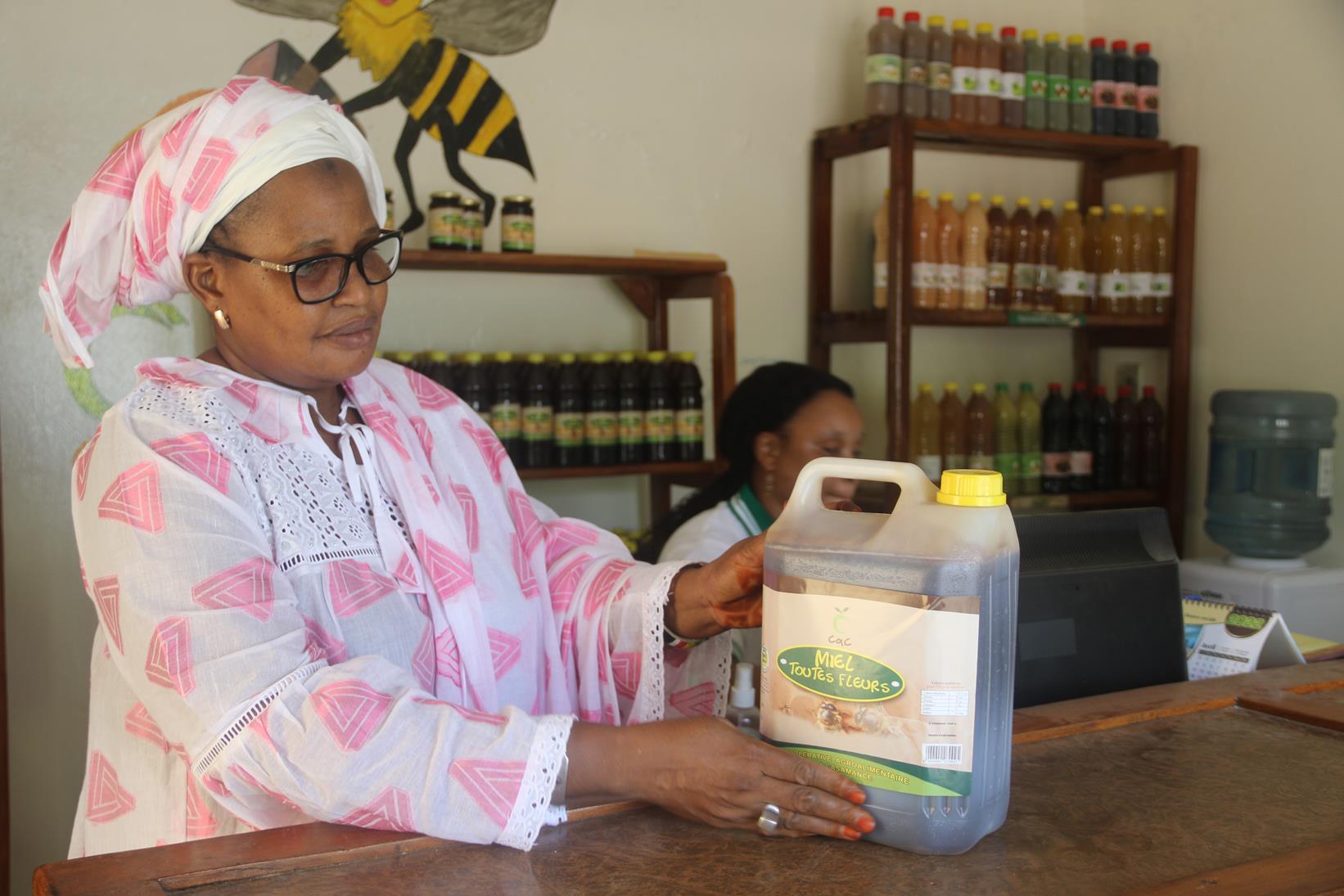
To help address these challenges, the FFS approach has, for over two decades, strengthened the critical analysis, decision-making and communication skills of small-scale livestock producers, both women and men, in many different contexts and environments, allowing them to create more efficient and sustainable systems, while building on local knowledge. Over the years, the approach has been applied to many different livestock production systems, including pastoralism and agro-pastoralism, dairying, poultry production, integrated rice-duck systems, rabbit production, pig production, beekeeping, beef production, camelid production and small ruminant production. Today, interest in using the approach for livestock development is growing among governments, NGOs, the private sector and other stakeholders.
Why is FFS a relevant and valuable approach for sustainable livestock and rural development:
- Livestock producers often face particularly complex, dynamic and location-specific challenges that cannot be tackled with blanket recommendations and conventional extension methods.
- Given that livestock are often central to small-scale producers’ livelihoods, they can be resistant to changing their livestock practices just because someone tells them what and how to change.
- Many livestock FFSs result in the formation or strengthening of associations and marketing groups.
- The FFS approach can be applied to the wide range of different livestock production systems and species, from cattle to poultry and from small ruminants to insects.
- Livestock FFS can develop new/strengthened networks among livestock producers, local institutions, service providers and researchers.
- Livestock FFSs have shown themselves to be an effective vehicle for women’s empowerment and gender equality because they can lead to changes in household gender dynamics and decision-making.
- Livestock FFS can be used to introduce livestock production as a new income generating activity within non-livestock communities.
FAO Stories


Videos
Contact
Giacomo de' Besi, Animal Production Officer
FAO Animal Production and Health Division
Publications

Global
Driving behaviour change in livestock Farmer Field Schools
2025
A step-by-step facilitator’s manual for integrating social and behavioural science to improve livestock health and production


Global
Farmer field schools for small-scale livestock producers
2018
A guide for decision makers on improving livelihoods