
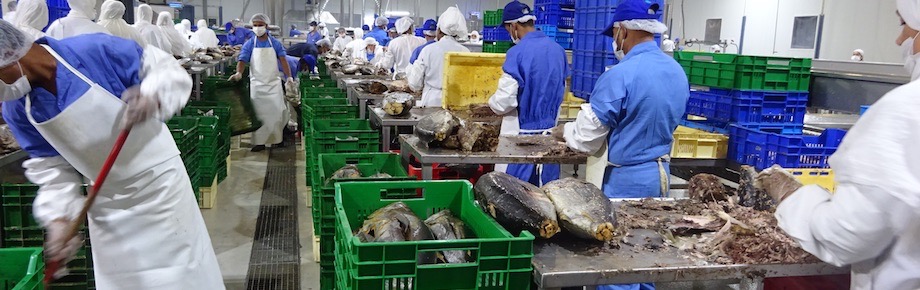







Skills and Knowledge for Processing Plants
Some of the key knowledge and skills required in order to prevent and reduce food loss and waste (FLW) include:
- By-product/waste handling
- Chilling and chilled storage
- Freezing and frozen storage
- Packaging
- Labelling
- Regulatory requirements for animal by products, food waste disposal
- Temperature monitoring
- Good hygienic practice
- By-product utilization
Key Publications
| Important by-products of commercial value like fish meal, fish oil, fish silage, fish protein concentrates are described. |
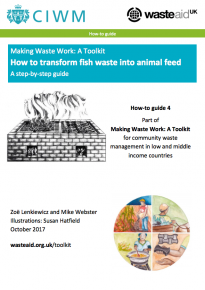
| How to Transform Fish Waste into Animal Feed Step by step guide for using fish waste to make animal feed. |
| A guide for community waste management in low and middle income countries. |


More Resources
More Resources
In an effort to reduce the amount of fish waste going to Blenheim’s landfill, a Marlborough-based salmon farming firm is turning leftover guts and gills into valuable gas and electricity.

Opposed to popular belief, fish and fishery products are much more than animal protein. When well processed, prepared, and consumed, fish is an invaluable source of vitamins, minerals, and...
Why gender matters when it comes to reducing food loss and waste in fish value chains
27 February 2024
27 February 2024
Women play a critical role throughout the fisheries and aquaculture value chain, accounting for almost half of the total workforce. As they have a particularly strong presence in pre-harvest activities, women have the opportunity to...