

| Total contribution | USD 30 000 000 |
| Duration | 2021–2026 |
| Donor | Directorate-General for Maritime Affairs and Fisheries (DG MARE) |
| Beneficiaries | Countries of the Mediterranean and the Black Sea (national administrations in charge of fisheries and aquaculture, relevant national institutes, experts and stakeholders of the fisheries and aquaculture sector). |
Expected outputs
The outputs of the GFCM–EU contribution agreements are inherently integrated into the GFCM 2030 Strategy and, in particular, into the annual workplan adopted by the GFCM governing bodies. They are broken down according to the following GFCM 2030 Strategy objectives:

Healthy seas and productive fisheries sustained, integrating social, economic and environmental principles to reach exploitation at maximum sustainable yield while addressing the conservation of biodiversity.
- Technical advice on the status of fisheries and potential management scenarios improved
- Evidence-based adaptive fisheries and ecosystem management implemented
- Efficient area-based conservation measures, as well as technical and nature-based solutions strengthened
- Threats to fisheries and the marine environment prevented and mitigated

Compliance strengthened through targeted corrective actions at the national, subregional and regional levels.
- Operational capacity developed in the field of compliance
- Level playing field in monitoring, control and surveillance

Sustainable development of the aquaculture sector and its contribution to sustainable food systems ensured.
- Efficient governance promoted in support of responsible investment
- Practices supporting the sustainability of the aquaculture industry promoted
- Perception of aquaculture improved
- Technology and information systems maximized
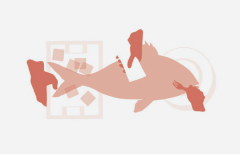
Resilient fisheries-based livelihoods promoted, while fully and efficiently implementing the GFCM Regional Plan of Action for Small-Scale Fisheries in the Mediterranean and the Black Sea (RPOA-SSF).
- Productive and resilient employment supported along the fisheries value chain
- Socioeconomic information enhanced in supporting decision-making processes
- Engagement of fishers in participatory management processes promoted, facilitating their role as guardians of the sea

Capacity development in the Black Sea underpinned by the BlackSea4Fish Project.
- Assessment and management of Black Sea key stocks supported
- Effective and targeted capacity-building and training ensured at the Black Sea level
Capacity development underpinned by MedSea4Fish in the western, central and eastern Mediterranean and the Adriatic Sea.
- Technical activities and programmes for the monitoring of fisheries and ecosystems undertaken at the national and subregional levels
- Effective and targeted capacity building and training ensured at the subregional level
- Infrastructure improved to contribute to an efficient and sustainable fisheries sector
Highlights throughout the years
March 2021–February 2024
- A research programme on blue crabs was launched in order to properly evaluate the status of this non-indigenous species and study future outlooks.
- Socio-economic surveys were launched in seven countries and data from case studies were analysed to improve knowledge on small-scale fisheries and advance their characterization. Read more

March 2020–February 2024
- Small-scale fishers offered a platform, through SSF Forum workshops, to further develop their capacities and skills on a number of topics linked to sustainable SSF and livelihoods.
- Innovative aquaculture practices promoted through the activities of the Aquaculture Demonstration Centres, which were further equipped to underpin multidisciplinary training. Read more

March 2019–February 2023
- The bycatch monitoring programme was enhanced through the inclusion of observers on board, the extension of fleet segment coverage and dedicated activities on the interaction of fisheries and vulnerable species.
- Advice on the status and management of the European eel and rapa whelk was provided, including through research programmes Read more

December 2017–December 2022
- Assessment of GFCM priority species and other key Mediterranean and Black Sea stocks carried out.
- Technical elements for the management of select priority species developed and expected impacts of alternative management scenarios for select management plans in place evaluated. Read more

February 2017–December 2020
- Technical guidelines developed to provide a standard framework for harmonized scientific surveys-at-sea in the Mediterranean and the Black Sea.
- Standard methodology developed for the collection of discard data on board, at landing place and through self-sampling. Read more