
From stock assessment to enhanced fisheries management
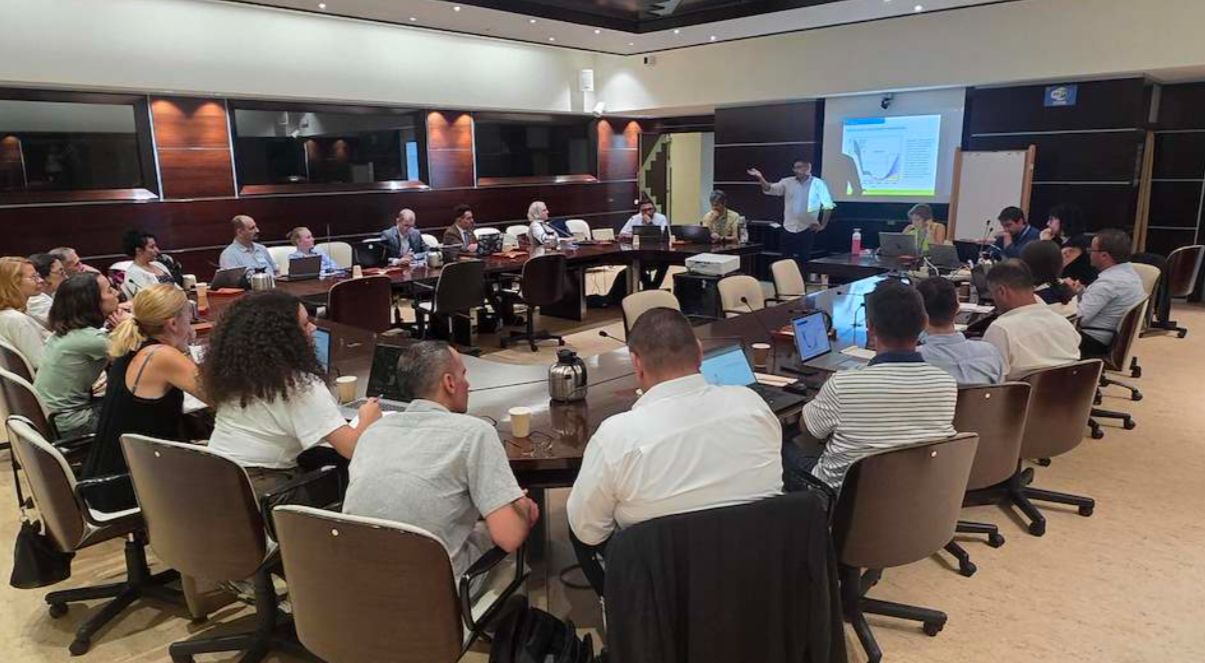
From 24 to 28 August 2026, fisheries managers and decision-makers from 17 Mediterranean and Black Sea countries came together for a weeklong capacity-development course exploring how stock assessment inform the formulation of robust scientific advice and management decisions.

The hands-on training aimed to bridge the gap between fisheries science and management. Stock assessments can involve complex models and uncertainty, making scientific advice challenging to interpret and apply. The course helped participants to better understand stock assessments and, most importantly, how to translate scientific evidence into informed and effective management decisions.
The course followed a progressive learning pathway, covering stock status and reference points, fisheries-dependent and fisheries-independent data, uncertainty and natural variability, different stock assessment approaches, harvest strategies and control rules, management strategy evaluation (MSE), and the role of social and economic objectives in fisheries management.
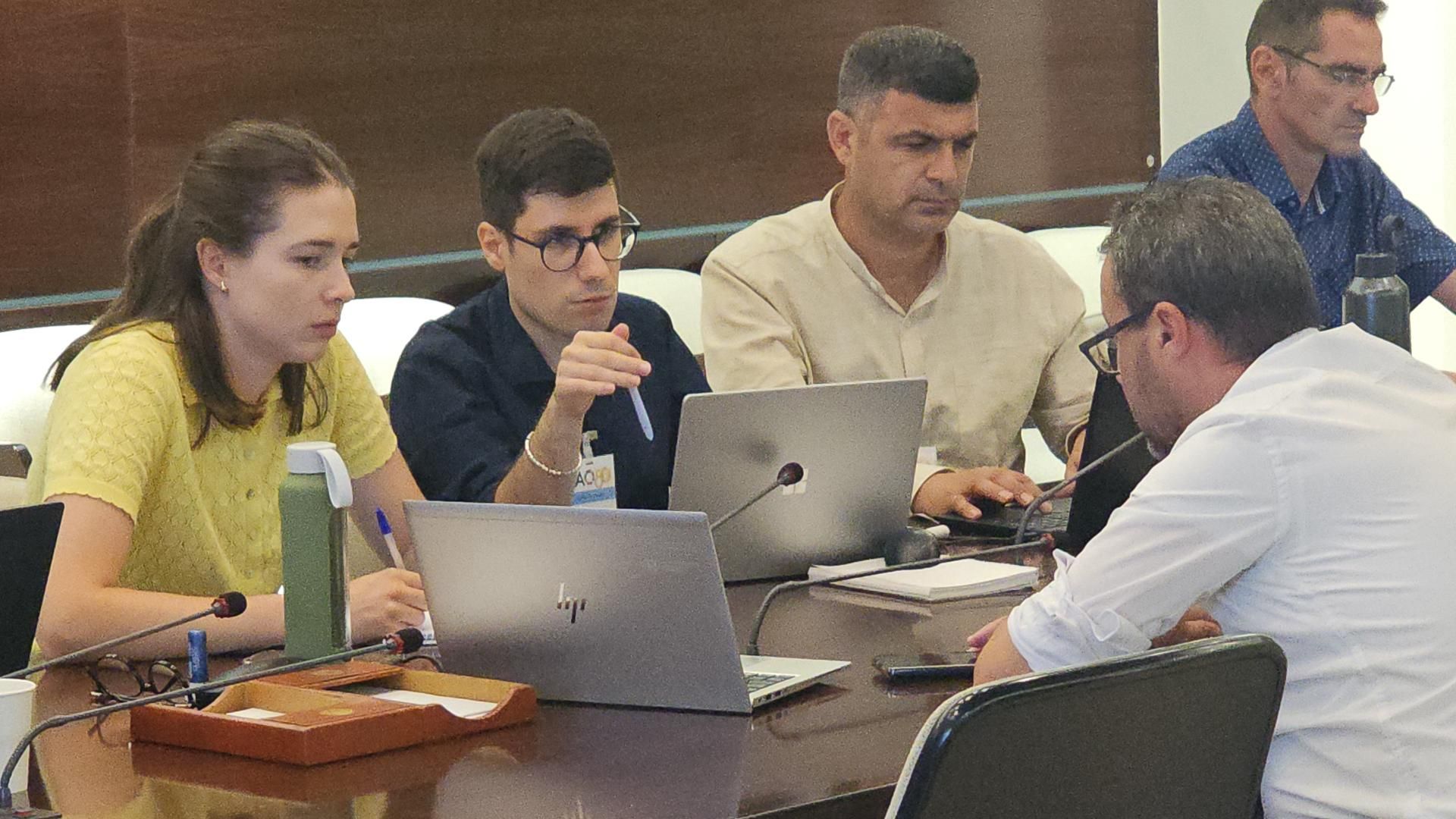
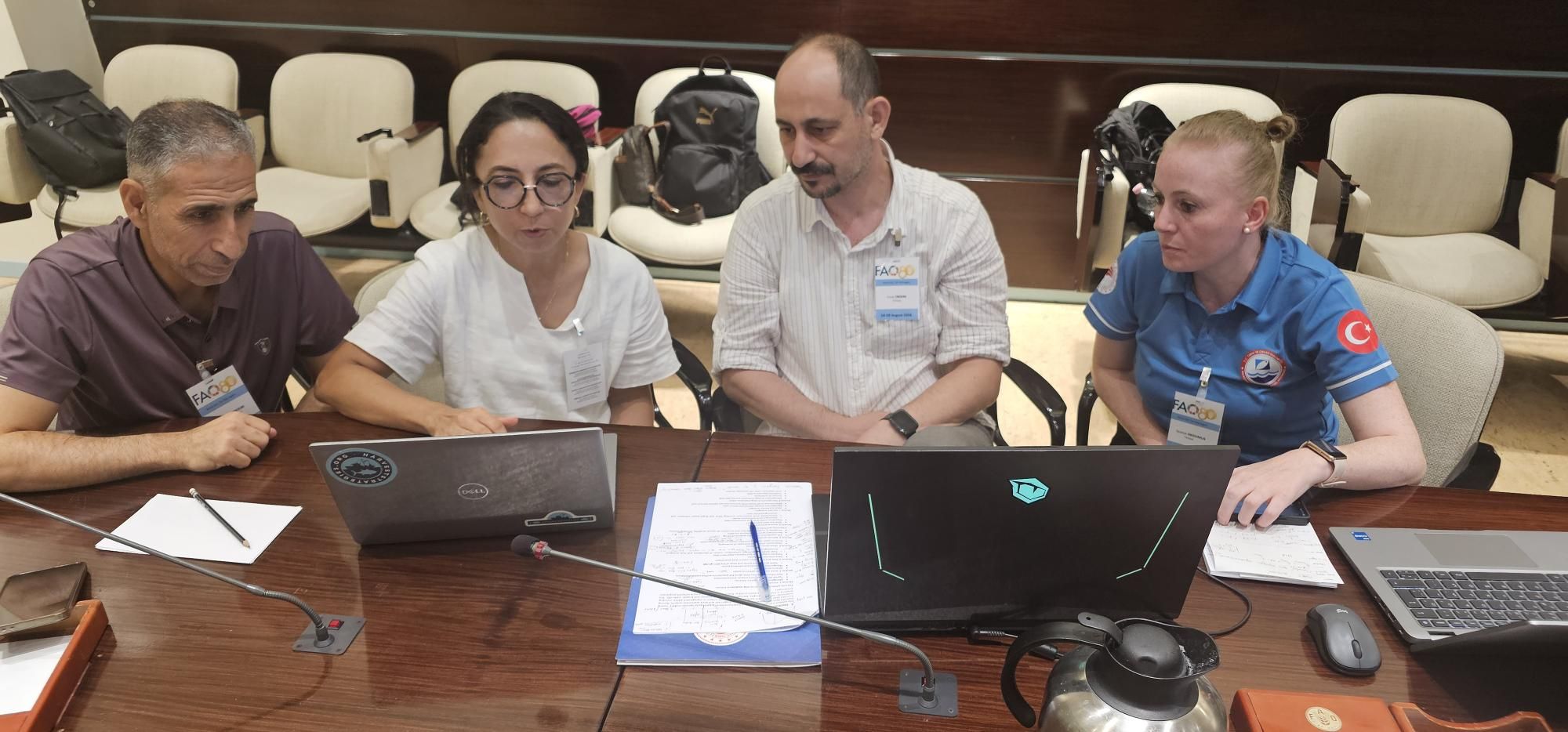
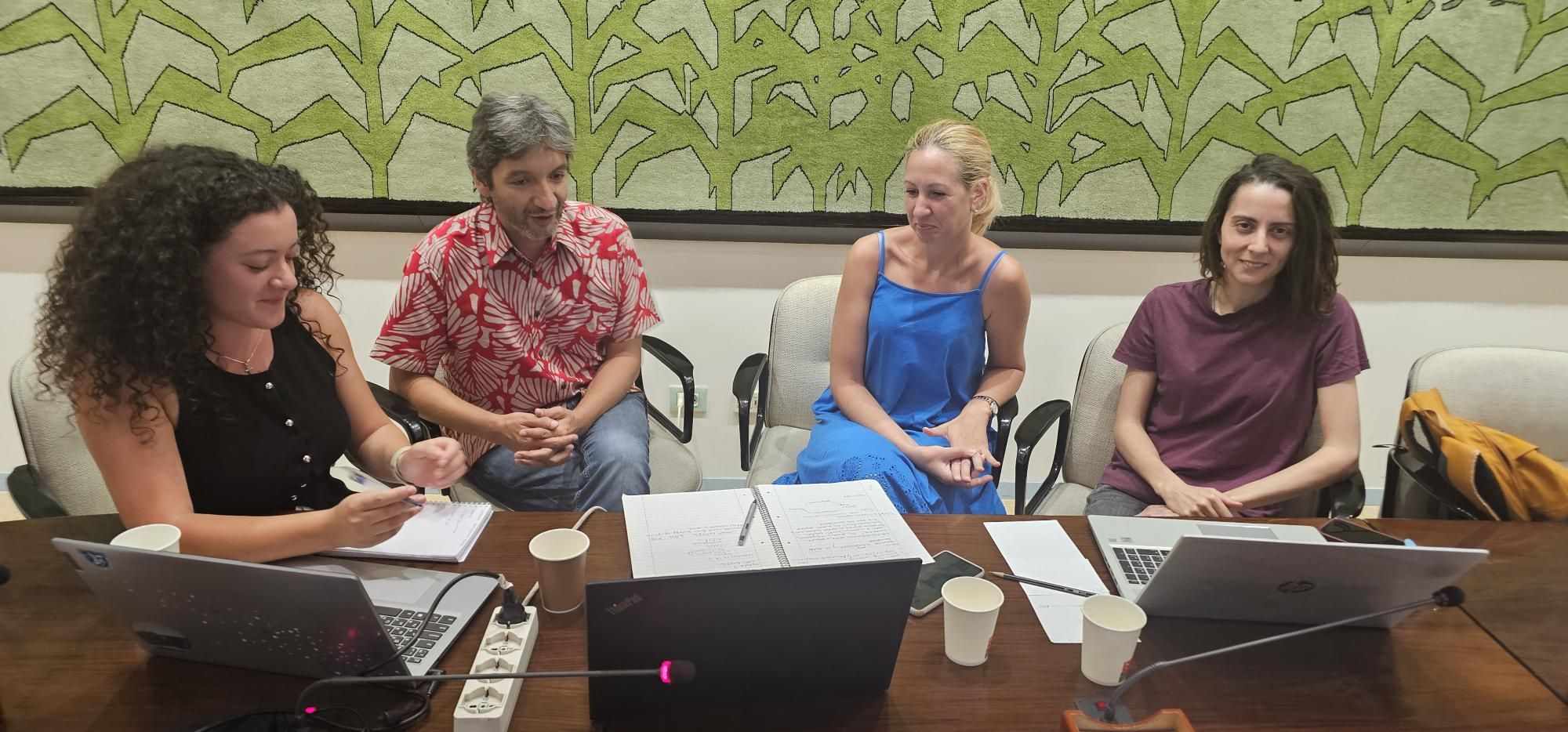
Designed as an interactive learning experience, the course combined short lectures, visual outputs, contrasting examples, guided discussions, Shiny applications’ exercises and group work.
This approach enabled participants to move from understanding scientific outputs to confidently using them in real-world management processes.
“The main takeaway for me is that stock assessment cannot be understood as a set of isolated concepts, but as a complex and interrelated process in which each stage feeds into the next, closing into a full cycle,” explained Nora Suárez Gómez, Head of technical section at Spain’s General Secretariat for Fisheries of the Ministry of Agriculture, Fisheries and Food. “Stock assessment allows us to determine the status of a stock and to test different scenarios within MSE, ensuring that the resulting harvest control rules remain aligned with agreed management objectives”.
“The workshop reinforced the critical importance of the quality, consistency and continuity of the data we collect today”, said Marika Makharadze, Main Specialist at the Fisheries, Aquaculture and Water Biodiversity Department of Georgia’s National Environmental Agency. “Starting data collection and improving data quality as early as possible is essential for building reliable datasets and time series that will allow us to conduct robust stock assessments in the future”.
A collaborative effort
The course was organized by the General Fisheries Commission for the Mediterranean (GFCM) of the Food and Agriculture Organization of the United Nations (FAO) with funding from the Global Environment Facility’s Fisheries and ecosystem-based management projects FishEBM MED and Fish EBM BS. Additional support was provided by FAO’s Fisheries and Aquaculture Division and the European Union. It was conducted under the framework of the GFCM MedSea4Fish and BlackSea4Fish capacity development programmes, which provide resources, training and technical assistance to support GFCM countries in accessing the latest data and information, best practices, tools and technologies to strengthen scientific advice for improved fisheries management.
Together, these contributions are strengthening the capacity of fisheries professionals across the Mediterranean and Black Sea region to turn scientific evidence into effective management advice.
“Türkiye has launched stock assessment work in the Black Sea and, more recently, in the Mediterranean. I am expected to contribute to the Mediterranean work in the coming period, and the skills gained through this workshop will help me to not only conduct analyses but also to understand and interpret the results. This will allow me to provide more substantive input to national processes and contribute more effectively to the broader work of the GFCM”, explained Ercan Erdem, Fisheries Engineer at the General Directorate for Fisheries and Aquaculture of Türkiye’s Ministry of Agriculture and Forestry.
“I will use the knowledge gained through this workshop to better interpret scientific opinions and improve dialogue with my scientist and manager colleagues. It will help me evaluate management options more rigorously”, said Najat Elmonfaloti, Head of the Planning and Management Development Department, Division of Sustainability and Management of Fishery Resources, Directorate of Maritime Fisheries at Morocco’s State Secretariat for Maritime Fisheries.
The course was developed specifically for the Mediterranean and Black Sea region, but it is expected to be developed in multiple languages, targeting decisionmakers across the globe.
Cover photo: ©FAO-GFCM/John Gabriel Ramirez. Other photos: ©FAO-GFCM/Reda Fahim