


Videos
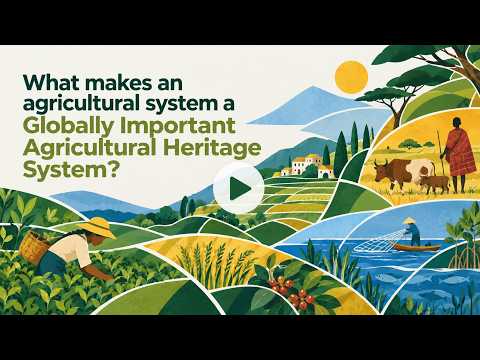
What makes an agricultural system globally important?
29/09/2026
This video explores the key elements used to identify Globally Important Agricultural Heritage Systems, including food and livelihood security, agrobiodiversity, traditional knowledge, culture and social organization, and distinctive landscapes and seascapes.

Agro-Silvo-Pastoral System Mountains of Leon, Spain
09/11/2022
The Agro-silvo-pastoral System of the Leon Mountains has sustained food security and local livelihoods for centuries. Its diverse landscape of forests, chestnut groves, pastures and cultivated areas supports agriculture, livestock, forestry, gathering, hunting and fishing, creating a multifunctional system of high agroecological value.
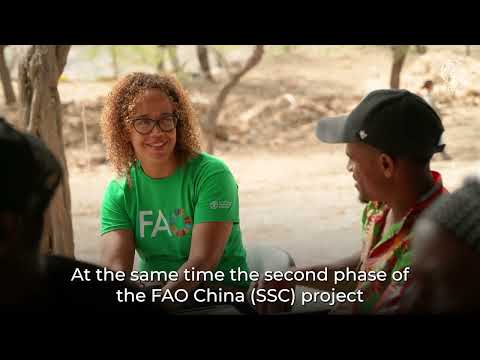
Launch of SIDS and GIAHS projects mark milestone in FAO’s partnership with China
24/03/2026
FAO launched two important initiatives under FAO-China South-South Cooperation Programme (SSC), the Project for Small Island Developing States (SIDS) and the second phase of FAO’s Globally Important Agricultural Heritage Systems (GIAHS) Programme.

More than 100 agricultural treasures: GIAHS Award Ceremony and Exhibition
19/03/2026
The 2025 GIAHS Award Ceremony took place on 31 October at FAO headquarters in Rome, within the celebrations of FAO’s 80th Anniversary. The event celebrated 28 new agricultural heritage designations across 14 countries, bringing the total number of globally recognized heritage systems to 104.
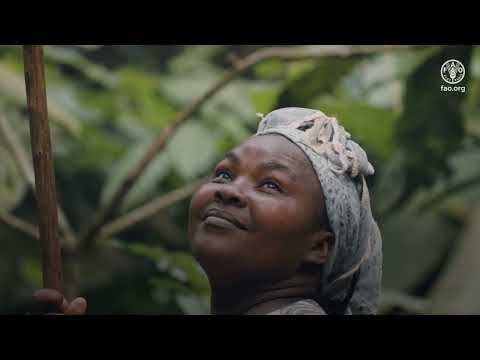
The Chocolate Island: Growing sustainable cocoa in Sao Tome
11/11/2025
In São Tomé and Príncipe, FAO and the national government work with cocoa cooperatives to restore degraded forests and promote sustainable cocoa under the Restoration Initiative (TRI). Since 2019, TRI has restored over 8,000 hectares with 3,500 farmers. The goal: reach 36,000 hectares—one third of the country—by 2030.
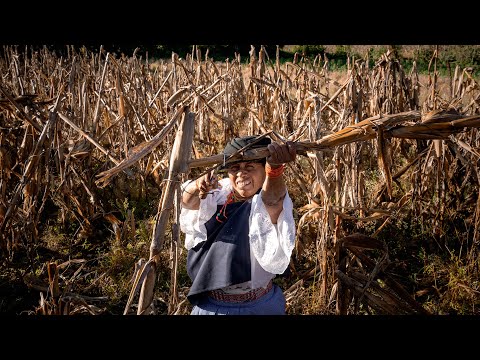
Secrets of the Andean chakras: the climate action of Indigenous Women in the Ecuadorian Andes
11/11/2025
Despite the challenges of farming at altitudes ranging from 2 500 to 3 400 metres above sea level, Kichwa Women and their ancestral agricultural knowledge have sustained food security and sovereignty in the Andes of Ecuador for centuries. Their farms are locally known as chakra, a biodiverse agricultural system recognized in 2023 by FAO as a Globally Important Agricultural Heritage System.

The deepest harvest: the vanishing art of Jeju's sea women
11/11/2025
On South Korea’s Jeju Island, generations of women have made their living by diving in the ocean on a single breath to harvest shellfish and seaweed. These free-diving fisherwomen, known as haenyeo, embody a thousand-year-old tradition of strength, skill and sustainability. In 2023 FAO designated the Jeju Haenyeo Fisheries System as a Globally Important Agricultural Heritage System.
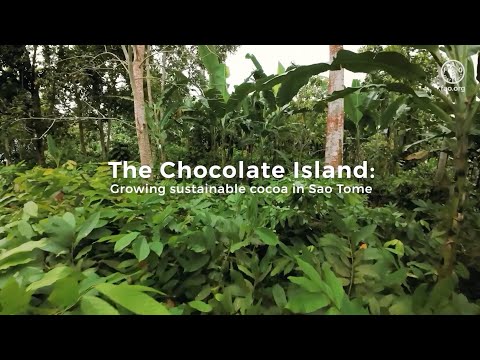
The Chocolate Island: Growing sustainable cocoa in Sao Tome (short version)
11/11/2025
The Cocoa Agroforestry System of Sao Tome and Principe, known for its high-quality Amelonado cocoa, combines traditional farming with diverse crops to enhance food security, strengthen the livelihoods of farming families, preserve cultural heritage, and maintain biodiversity. Designated as GIAHS in 2024.
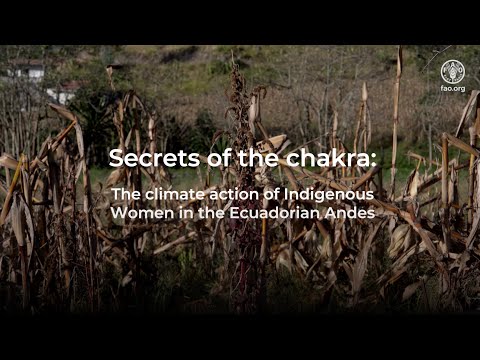
Secrets of the Andean chakras: the climate action of Indigenous Women in Ecuador (short version)
11/11/2025
Despite the challenges of farming at altitudes ranging from 2 500 to 3 400 metres above sea level, Kichwa Women and their ancestral agricultural knowledge have sustained food security and sovereignty in the Andes of Ecuador for centuries.

Agricultural Heritage: Empowering resilience in the face of climate change
03/11/2025
The GIAHS programme was launched in 2002 by FAO to safeguard traditional agricultural systems and their sustainable practices. Watch the inspiring stories of the custodians of three GIAHS from (Ecuador, the Republic of Korea, and Spain) to learn how traditional knowledge plays a crucial role in tackling climate change and safeguarding food production.
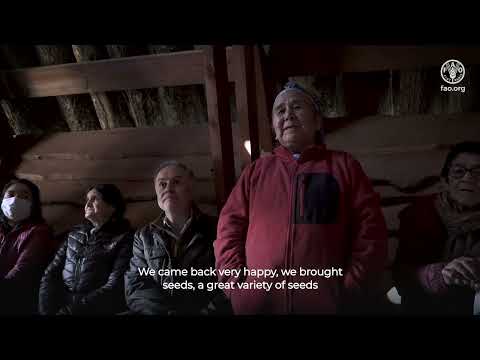
Ancestral system of the Pehuenche mountain range: homegardens, gathering and transhumance in the Ngulumapu territory, Chile
11/11/2023
This video describes agrobiodiversity, the contribution to livelihoods, culture, traditions, and the richness of the landscape of the Cordillera Pehuenche Territory located in the Andes Mountains of southern Chile, in the regions of La Araucanía and Biobío, inhabited by Mapuche Pehuenche communities.
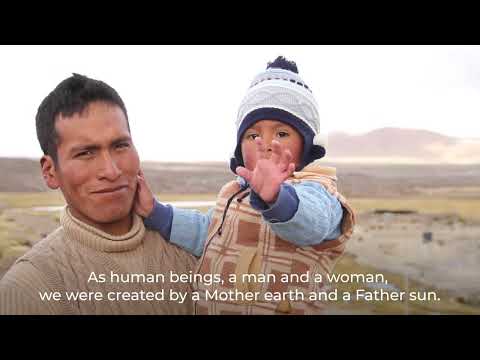
Integrated system of camelid livestock and agriculture in northern Chile’s High-Andean and Pre-Andean regions
11/11/2024
This video describes agrobiodiversity, the contribution to livelihoods, culture, traditions and the richness of the landscape of the high Andean and foothills territory of Chile, in the High Andean and foothills zone of the regions of Arica and Parinacota, Tarapacá and Antofagasta, inhabited by Aymara, Quechua and Licanantay communities.

Volcano and memory in Lanzarote: a global agricultural heritage system
17/09/2025
This mini documentary tells the story of Lanzarote, declared in 2025 a Globally Important Agricultural Heritage System by FAO. On this volcanic island, shaped by eruptions and aridity, farmers created resilience through La Geria holes, volcanic ash-mulch (enarenado) and jable. Their knowledge sustains livelihoods, biodiversity and offers lessons in climate adaptation.
Discover Almosi Valley in Tajikistan
08/07/2025
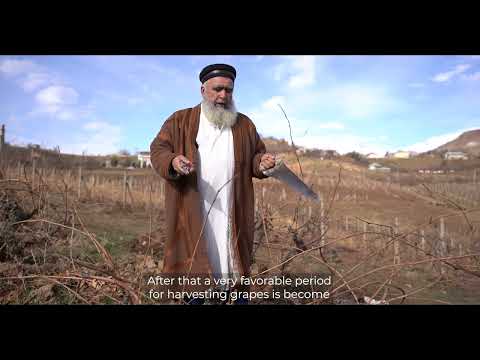
This integrated agropastoral system in Tajikistan’s Almosi Valley combines seasonal transhumance of sheep with the cultivation of grapes, cereals, orchards, and vegetables across harsh mountain landscapes. Shaped over centuries, it supports food and livelihood security. It was designated as Globally Important Agricultural Heritage System in 2025.
Almosi Valley: an integrated agropastoral system adapted to mountain conditions, Tajikistan
08/07/2025
This integrated agropastoral system in Tajikistan’s Almosi Valley combines seasonal transhumance of sheep with the cultivation of grapes, cereals, orchards, and vegetables across harsh mountain landscapes. Shaped over centuries, it supports food and livelihood security. It was designated as Globally Important Agricultural Heritage System in 2025.
Montado Agrosilvopastoral System of the Serpa Hills, Portugal
08/07/2025
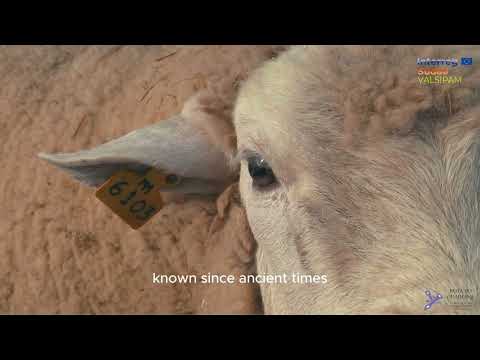
In southern Portugal, the Montado da Serra de Serpa stands out as one of Europe’s oldest agrosilvipastoral systems, where cork and holm oak woodlands are managed with remarkable ecological awareness. It was designated as Globally Important Agricultural Heritage System in 2025.

Traditional Jukbangryeom Fishery System in Jijok Straits, Republic of Korea
08/07/2025
The Jukbangryeom system provides reliable seasonal income and food security for coastal communities through the selective harvesting of anchovy and the maintenance of local processing industries. It was designated as Globally Important Agricultural Heritage System in 2025.
Pinetree Agroforestry System in Ul-Jin, Republic of Korea
17/05/2025
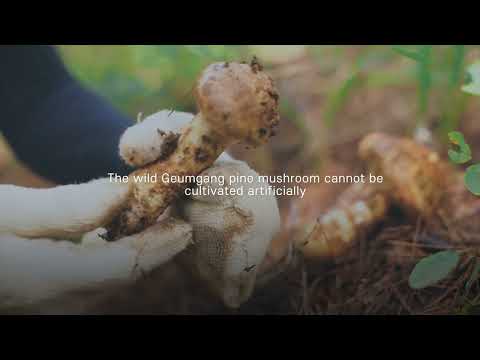
In Uljin, Republic of Korea, farming communities have developed a unique pine-based agroforestry system adapted to mountainous terrain and coastal climates. For generations, red pine forests have been co-managed with beekeeping, mushroom foraging, dryland farming, and traditional salt production. It was designated as Globally Important Agricultural Heritage System in 2025.

Nishi-Awa Steep Slope Land Agriculture System
28/03/2025
A journey through the agriculture and food of Nishi-Awa in Tokushima Prefecture. The travelers are influencers Anri (@anritocamp) and Taka (@taka.sh_). They experience farming on steep slopes, a practice recognized as a Globally Important Agricultural Heritage System. The trip also features recommended camp-style dishes made with local ingredients. It's packed with the seasonal charm of Nishi-Awa!

From ash to harvest: Lanzarote’s journey of living heritage, Spain
21/05/2025
On the arid island of Lanzarote, farmers have developed a unique system using volcanic lapilli and sea sand to trap moisture and protect the soil. Grapes, sweet potatoes, and legumes thrive in this dry landscape, sustaining biodiversity, livelihoods, and cultural heritage—largely without irrigation.