


Animal diseases often occur in ecosystems that span several countries and evidence shows that their prevention, control and eradication can be achieved via efficient coordination and collaboration among countries. Best practices and lessons learned from an outbreak in one country are particularly valuable to other countries that need to prevent or respond to similar outbreaks.
Moreover, the chances of rapidly detecting, controlling or eliminating a pathogen increase significantly when neighbouring countries act in a concerted manner as part of a wider geographic strategy, thus decreasing economic implications of animal diseases on producers and markets, regionally.
In order to support Central Asian countries in their disease control strategies, FAO, through its Regional Office for Europe and Central Asia in collaboration with the FAO Subregional Office for Central Asia of the World Organisation for Animal Health (WOAH), have lead the creation of the Central Asian Animal Health Network (CAAHN). A summary presentation on CAAHN can be accessed here.

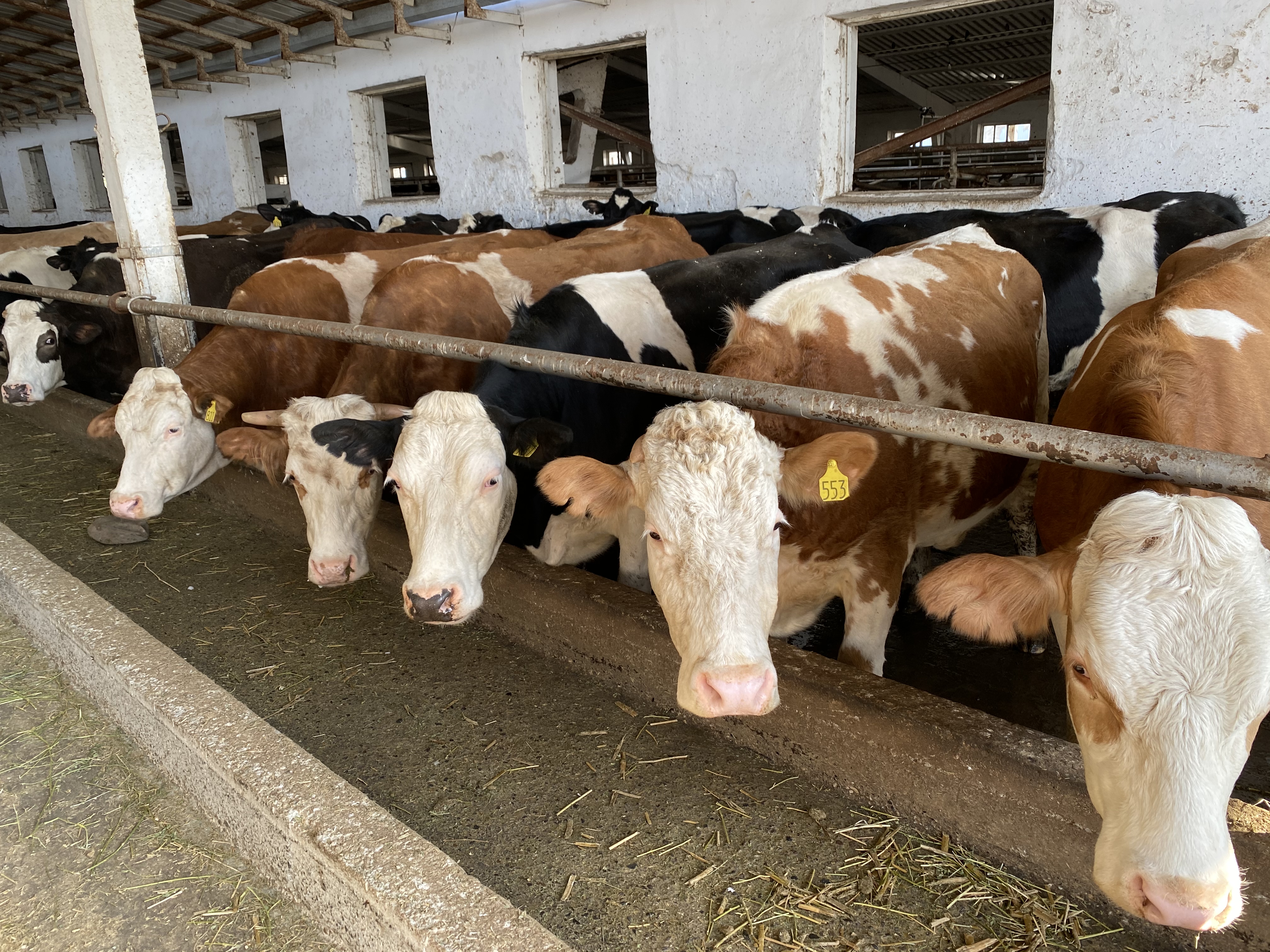
The network serves as an umbrella for countries in the region, namely Kazakhstan, Kyrgyzstan, Tajikistan, Turkmenistan and Uzbekistan, to collaborate on animal health issues and exchange their information and experiences.
Photos and Videos


FAO links
- FAO Surveillance Evaluation Tool (SET)
- FAO Laboratory Mapping Tool (LMT)
- FAO Assessment Tool for Laboratories and AMR Surveillance Systems (FAO-ATLASS)
- International FAO Antimicrobial Resistance Monitoring (InFARM) system
- FAO Progressive Management Pathway for Antimicrobial Resistance (FAO-PMP-AMR)
WOAH links
- Six-monthly reports
- Tool for the Evaluation of Performance of Veterinary Services
- PVS Pathway Veterinary Legislation Support Programme (VLSP)
- Public-Private Partnerships (PPPs) in the veterinary domain
- Global database on ANImal antiMicrobial USE (ANIMUSE)