


MAFAP programme and Rwanda to bring tea to the table with new sector strategy
Key stakeholders meet to define and agree on approaches to boost production, quality, processing, and export of Rwandan tea.
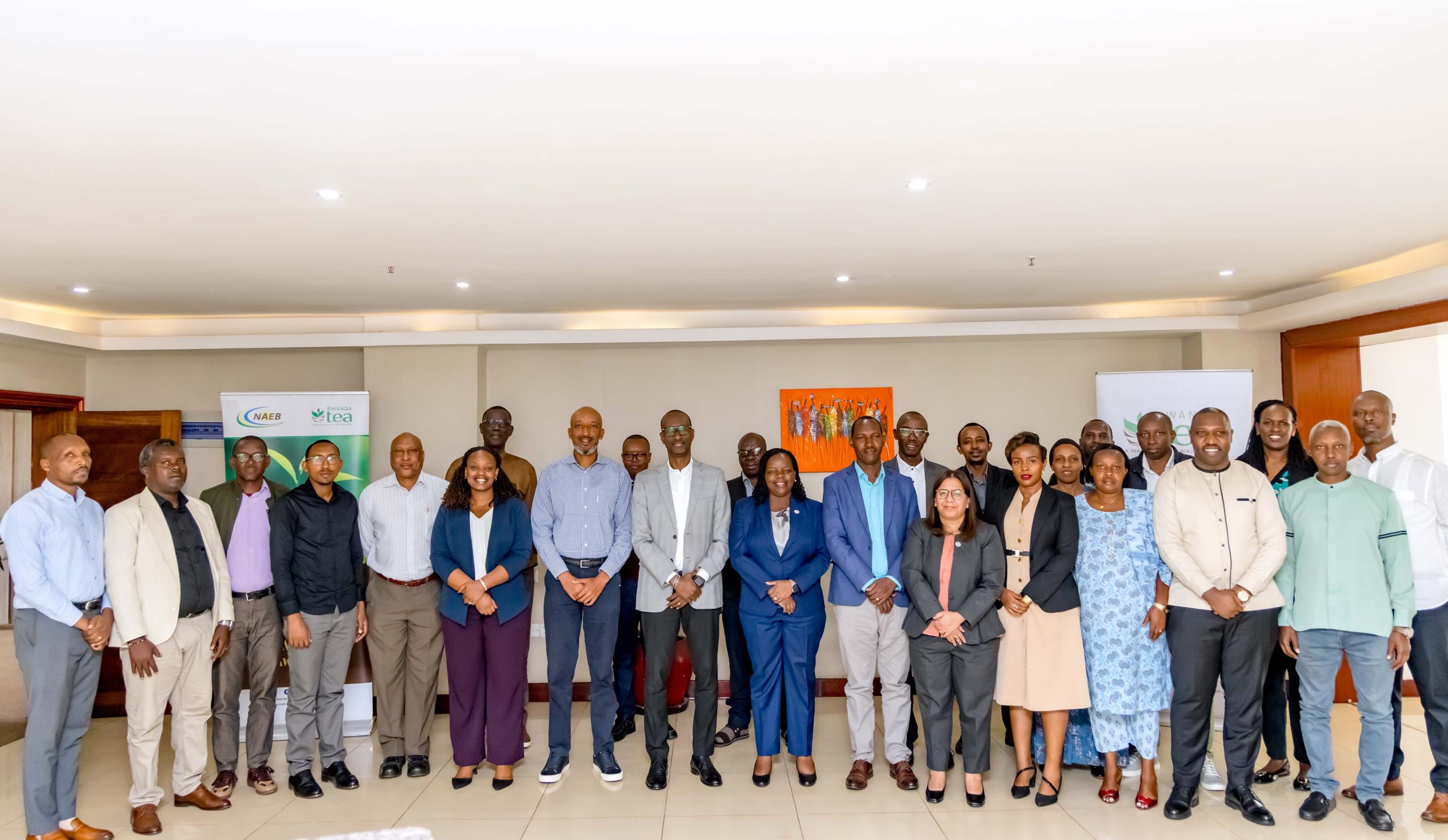
The Government of Rwanda, through the National Agricultural Export Development Board (NAEB), in collaboration with the Food and Agriculture Organization of the United Nations (FAO), this week initiated the process of developing a new strategy for the tea sector in Rwanda.
Tea is Rwanda’s leading agricultural export product and foreign currency earner, generating around USD 115 million in 2023/24 and supporting the livelihoods of more than 100 000 people across the value chain. Production has grown from less than 5,000 tonnes in 1978 to about 40 000 tonnes in 2024. Despite these achievements, challenges in the tea sector persist, and include low yields compared to global standards, limited value addition, climate-change pressures, and infrastructure gaps. Moreover, approximately 80% of tea is sold in auctions.
The new strategy aims to:
- Expand tea cultivation.
- Raise productivity and quality.
- Diversify Rwanda’s tea products and increase value addition.
- Promote local tea consumption in Rwanda.
- Increase export earnings.
- Strengthen Rwanda’s position in global markets, including regional opportunities under the African Continental Free Trade Area (AfCFTA).
The initiative will receive technical and policy support from FAO’s Monitoring and Analysing Food and Agricultural Policies (MAFAP) programme, a policy-support initiative funded by the Gates Foundation. The MAFAP programme will work with the NAEB to analyse the current state of the tea sector (such as production, processing, export performance), as well as assessing areas including market access and product development, value addition, and export promotion, jointly working with the NAEB on a new strategy.
The new Tea Strategy is expected to be ready by the end of the year and will involve several policy dialogues with tea stakeholders in the process, such as the kick-off workshop today in Kigali.
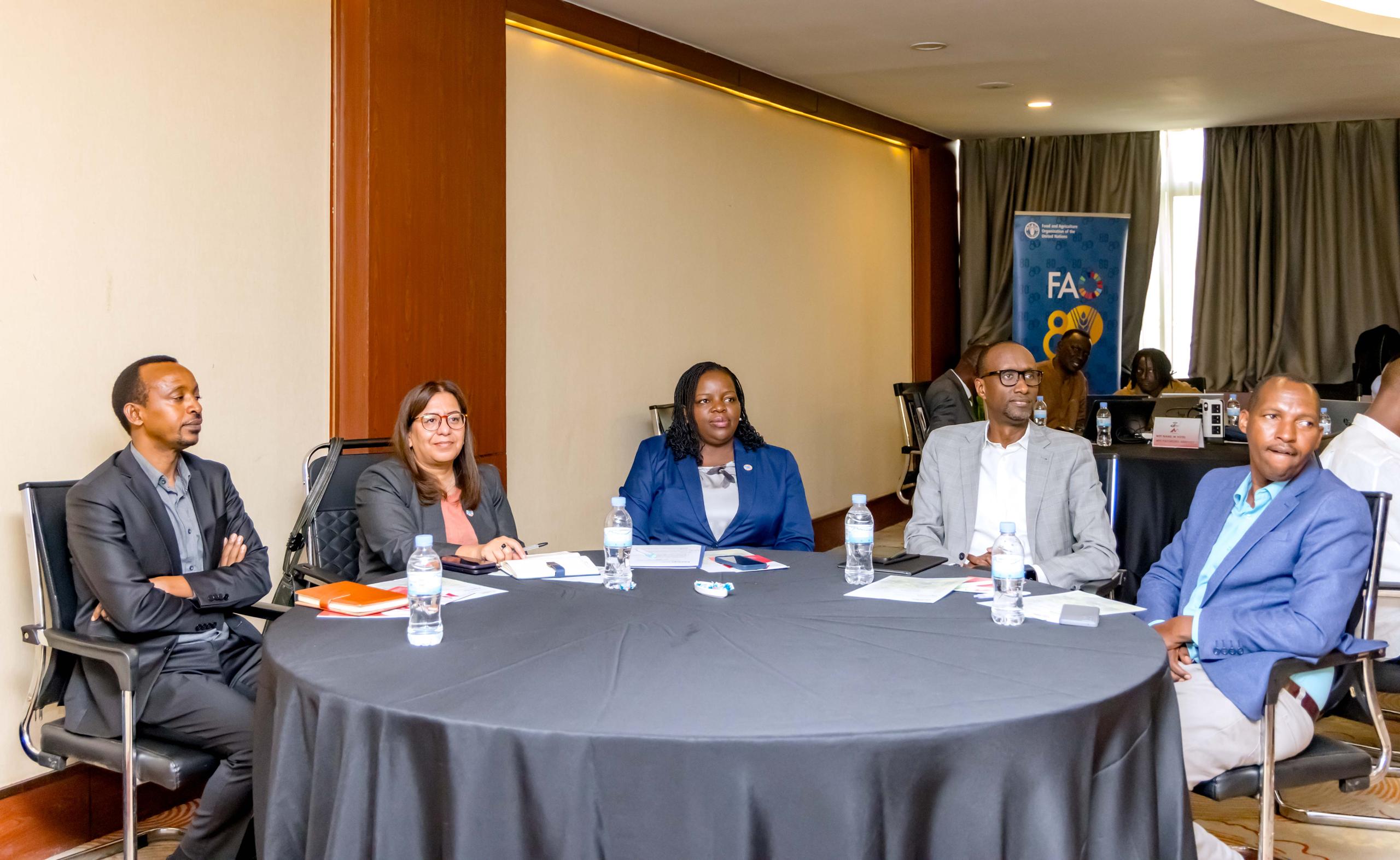 right to left: Birasa Nyamulinda, FAO Tea Consultant; Paracha Mehnaz, Senior Programme and Food Systems Policy Advisor, FAO Rwanda; Dr. Nomathemba Mhlanga, FAO Representative A.i. to Rwanda; Claude Bizimana, CEO of the National Agricultural Export Development Board (NAEB); Egide MUTABAZI, Director-General of Value-Chain Management and Trade at the Ministry of Agriculture and Animal Resources (MINAGRI).
The development of the strategy will be inclusive and participatory, involving consultations with representatives from tea cooperatives such as FERWACOTHE (Rwanda Federation of Tea Growers’ Cooperatives), government ministries, and development partners such as FAO, and the private sector (service companies). Field visits to tea-producing districts such as Nyaruguru, Nyamagabe, Nyamasheke, and Karongi will also take place in the coming weeks to ensure that the strategy reflects realities on the ground and incorporates diverse voices, including women and youth.
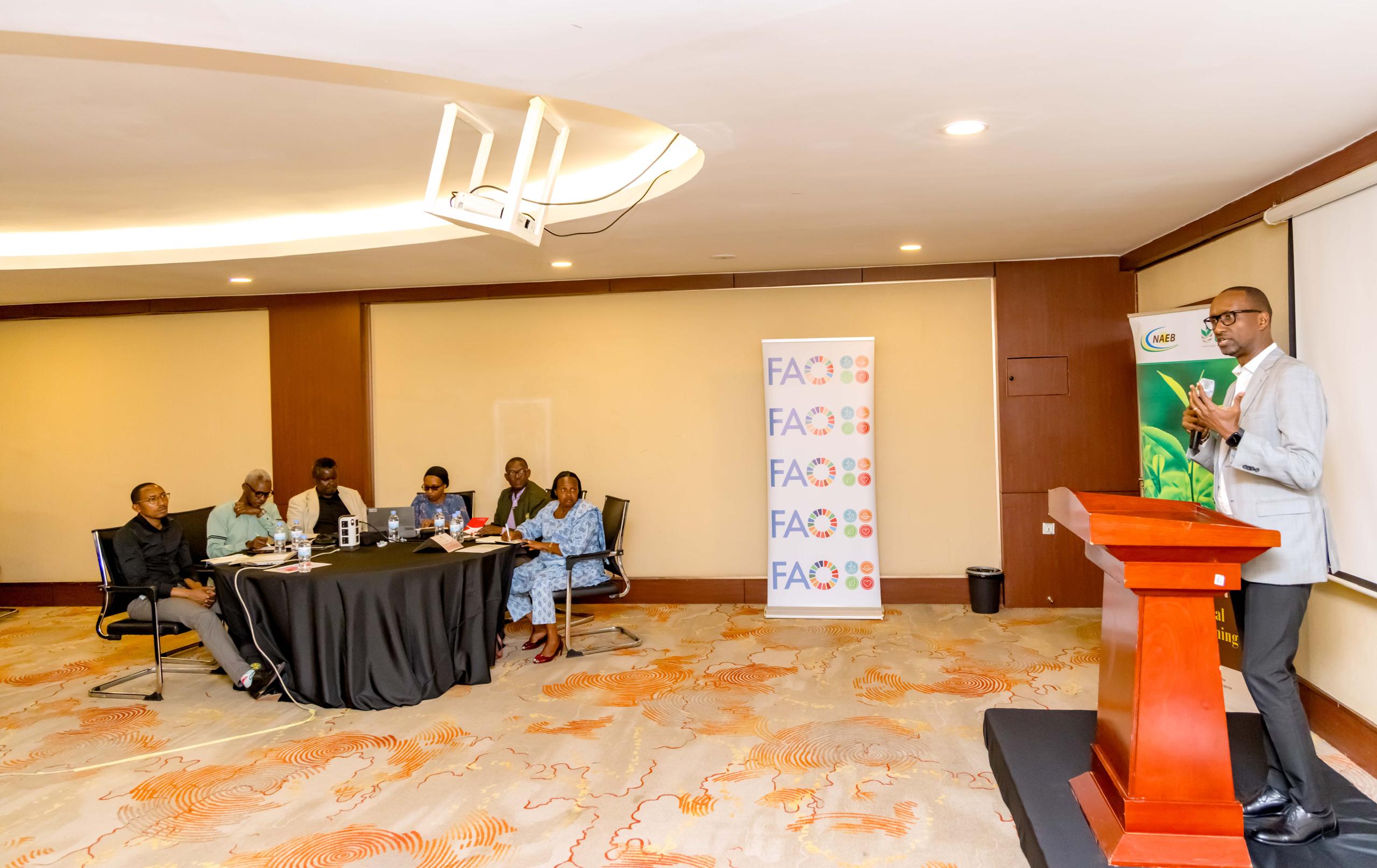 Claude Bizimana, CEO of the rwanda national Agricultural Export development Board (NAEB) addresses stakeholders.
Speaking at the launch event in Kigali, NAEB CEO Claude Bizimana underscored the importance of the initiative:
“For the first time, Rwanda is developing a dedicated tea strategy, thinking big and aligning the sector with the nation’s aspirations of achieving middle-income status by 2035 and high-income by 2050, while positioning Rwandan tea for greater visibility, stronger branding, and expanded markets.”
FAO Representative a.i. Dr. Nomathemba Mhlanga reaffirmed FAO’s commitment: “FAO is proud to support Rwanda in bringing tea to the table by providing technical support to NAEB in designing a new tea strategy that will deliver better production, better nutrition, a better environment, and a better life for tea farmers, communities in Rwanda, and global tea drinkers.”
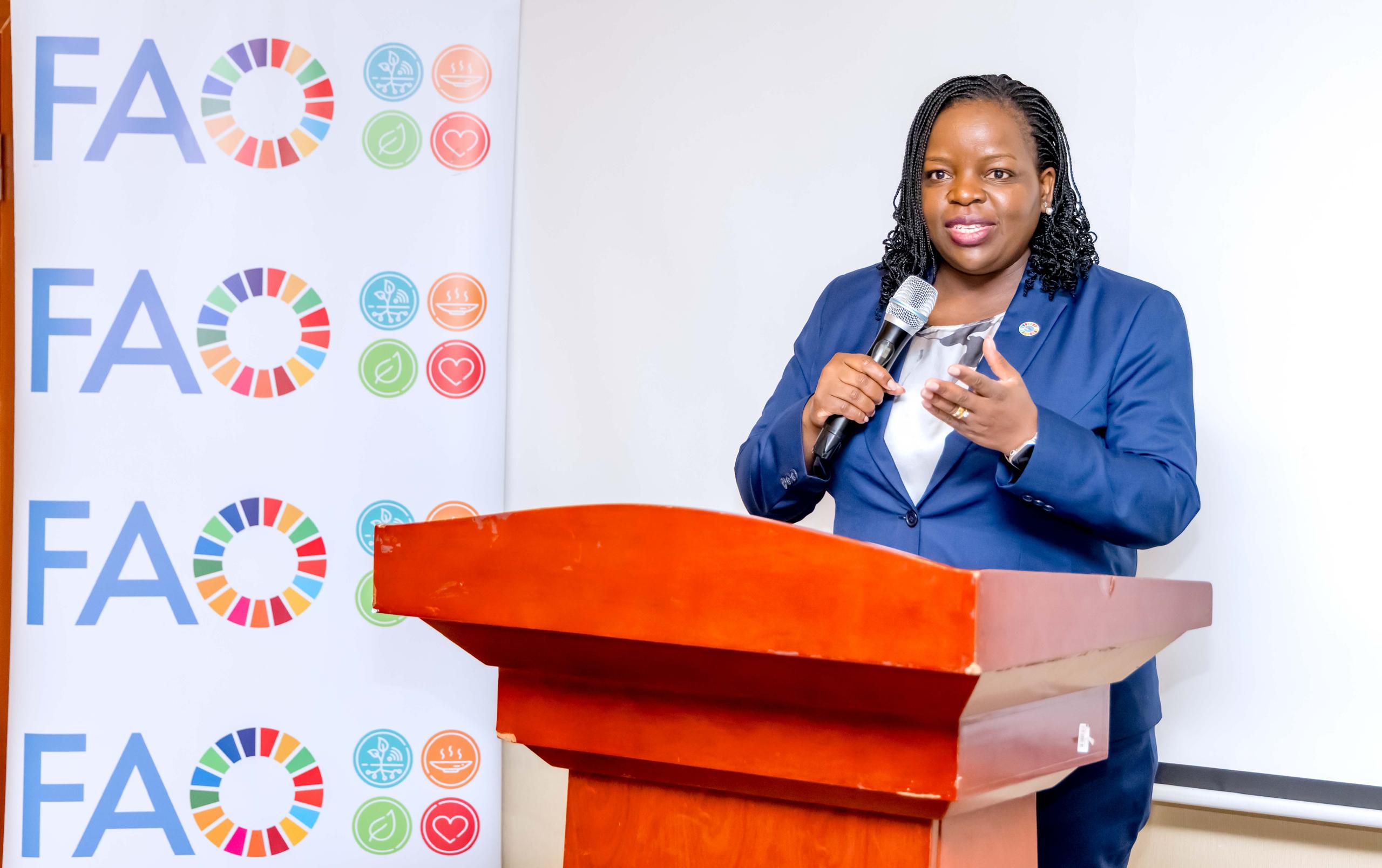 fao representative A.i. to rwanda dr. Nomathemba mhlanga underlines fao's technical support for the new tea strategy.
The Tea Strategy is anchored in Rwanda’s Fifth Strategic Plan for Agricultural Transformation (PSTA 5, 2024–2029) and the National Strategy for Transformation (NST2). It emphasizes climate resilience, inclusive markets, and export competitiveness, ensuring the tea sector continues to be a pillar of Rwanda’s agricultural and economic development. The tea sector also holds enormous potential for creating decent jobs, especially for women and youth.
08b3002c5a454b3e89f407b0fccb86b7.jpeg?sfvrsn=55f64ba5_1 "Image (2)") right to left: Paul Toussaint Nosisi, Rwanda Tea Association; davide Mutangana, Karongi and Muganza Tea factories; davide Mwashumbe, Silverback Tea Factories; Africa Janvier, Representative, Ethical Tea Partnership; VIVIne Iyabivuze, Advisor to the CEO, NAEB; and Janet Basiime, Head of Marketing Division, NAEB.
right to left: Paul Toussaint Nosisi, Rwanda Tea Association; davide Mutangana, Karongi and Muganza Tea factories; davide Mwashumbe, Silverback Tea Factories; Africa Janvier, Representative, Ethical Tea Partnership; VIVIne Iyabivuze, Advisor to the CEO, NAEB; and Janet Basiime, Head of Marketing Division, NAEB.

Contact
Clarisse Mukaneza MAFAP Focal Point in Rwanda and Policy Analyst [email protected]