


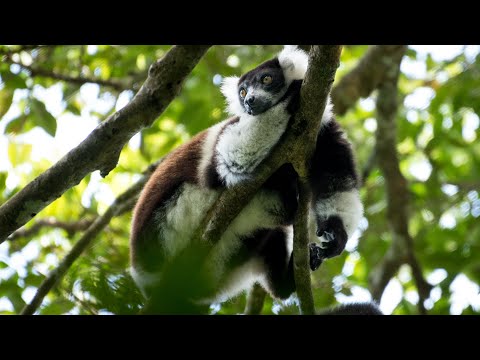
Madagascar’s communities support wildlife conservation
02/11/2020
The Makira Natural Park in Madagascar is teeming with an extremely rich diversity of flora and fauna. Remote communities in the region rely on fishing and hunting for food. However, wildlife is under threat from deforestation, hunting and illegal trade in wildlife. How can we ensure a brighter ...
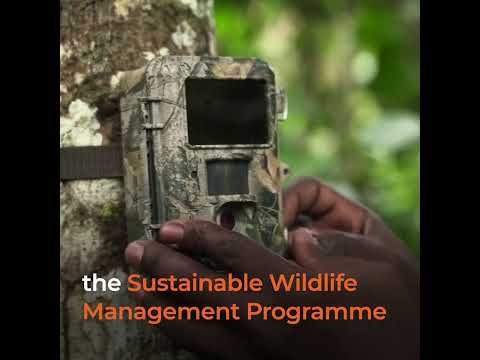
Discovering Congo's rich wildlife with camera traps
13/09/2023
In northern Congo, wildlife plays an essential role in the incredible forest ecology, food security and local cultural practices. This video illustrates the work of the Sustainable Wildlife Management Programme (SWM Programme) in Congo and the use of remote camera trap sampling to identify speci...
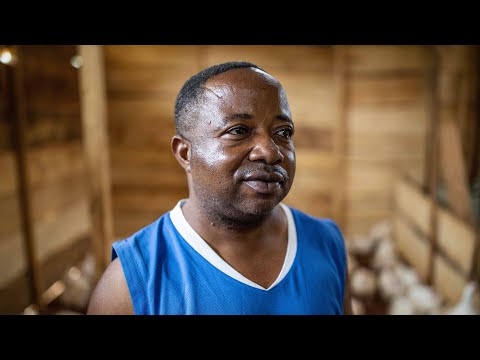
Innovative chicken farmer supports his community, Fidèle’s story
29/04/2021
This video tells the story of Fidèle, an poultry farmer living in Mambasa in the northeastern Democratic Republic of the Congo. He is working to improve and expand poultry farming to achieve food security and reduce the reliance on wild meat from the Ituri forests. Find out how the Sustainable W...
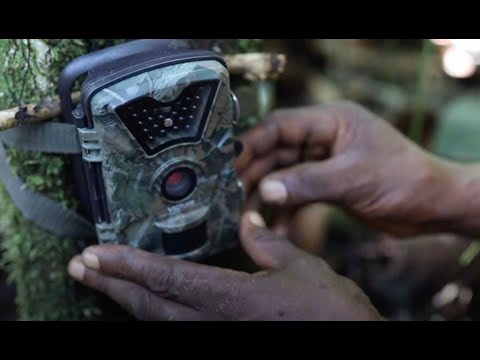
Okapi Wildlife Reserve - Camera traps reveal valuable data about wildlife
22/11/2022
In the Okapi Wildlife Reserve in the Democratic Republic of the Congo, the Sustainable Wildlife Management (SWM) Programme is using an innovative approach to compare animal densities in hunted and non-hunted areas. Find out how the 60 camera traps set up by the SWM Programme can reveal if animal...

Communities in Gabon aim for sustainable management of village hunting
13/12/2021
Gabon is home to an incredible biodiversity. In the Mulundu Department, wildlife provides an important source of protein and income for rural communities. However, inadequate regulations and informal hunting threaten community rights to use wildlife. Find out how the Sustainable Wildlife Manag...
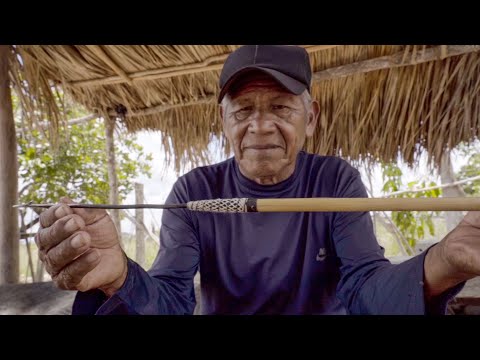
How to make a traditional arrow in Guyana
28/07/2021
This training video presents the steps and materials needed to make a traditional arrow in Guyana. The video was produced with the South Rupununi Conservation Society and is part of a broader initiative by the Sustainable Wildlife Management (SWM) Programme in Guyana to support traditional knowle...
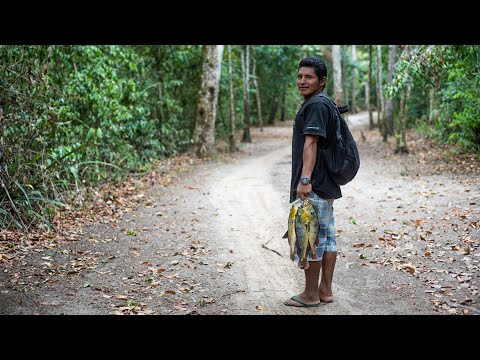
Wildlife conservation by Indigenous People in Guyana
02/11/2020
Indigenous People in the Rupununi region of Guyana rely on traditional hunting and fishing for food. Their traditional practices and wildlife are now under threat from uncontrolled fires, new roads and commercial hunting. How can we ensure a brighter future for people and wildlife? The Sustaina...
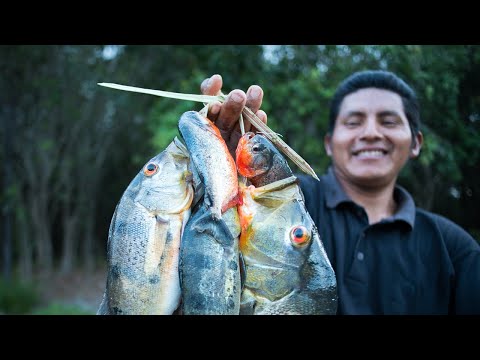
Vivian – A Guyanese fisherman and wildlife guide
04/07/2019
Vivian is a fisherman and wildlife conservationist living in the Rupununi. Fish and wildlife are an integral part of the indigenous culture and diet in this region of Guyana, which borders Brazil and Venezuela. However, threats to the Rupununi’s rich biodiversity are increasing as the area become...
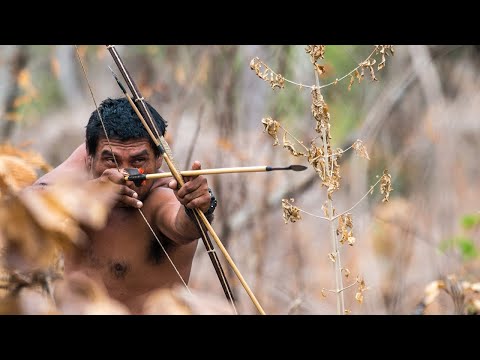
Asaph – A Guyanese hunter and wildlife conservationist
12/02/2019
Asaph is a traditional hunter and wildlife conservationist living in the Rupununi. Fish and wildlife are an integral part of the indigenous culture and diet in this region of Guyana, which borders Brazil and Venezuela. However, threats to the Rupununi’s rich biodiversity are increasing as the are...
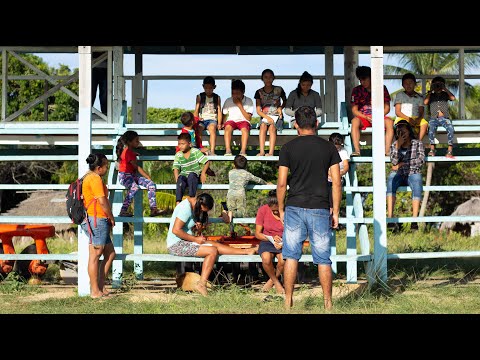
The Wildlife Clubs of North Rupununi, Guyana
12/06/2023
Giant river otters, anteaters and red siskins are some of the incredible animals found in the North Rupununi. This video presents the work of six young wildlife clubs that have been established in the region. The clubs are supported by the North Rupununi District Development Board, with support...
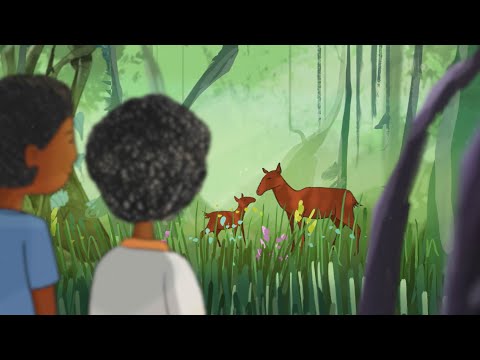
Community-based sustainable wildlife management (animated story)
06/06/2022
This animation tells the story of Leo and Barbara and the communities they are working with to achieve sustainable wildlife management. The animation was inspired by six key elements needed for community-based sustainable wildlife management. These are described in this Technical Brief
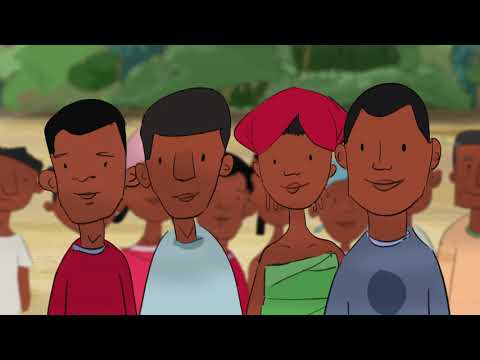
Animated story on community rights (Free, Prior and Informed Consent) and wildlife conservation
08/09/2020
The story shows how the Sustainable Wildlife Management (SWM) Programme works hand-in-hand with Indigenous Peoples and local communities to improve food security and wildlife conservation. The animation explains in a clear and visual way how we engage and involve local communities through the Fr...
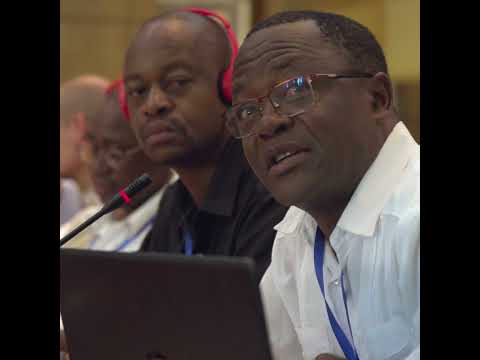
Explainer video on the SWM Programme Legal Hub – assessing national legislations across countries
08/05/2026
The Sustainable Wildlife Management (SWM) Programme launched a Legal Hub in 2021. It is a user-friendly platform that provides easy access to legal texts and insightful analysis on all sectors related to sustainable wildlife management in over a dozen countries. The Legal Hub is now helping catal...
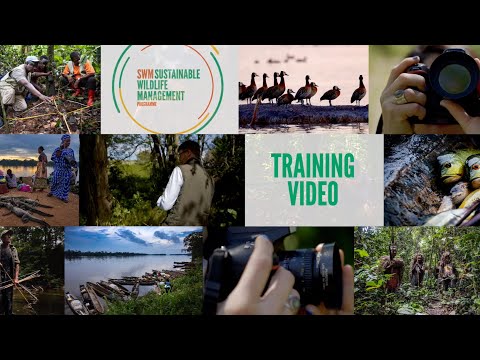
Practical exercises: Nine tips for telling stories through photos and videos
20/12/2021
This video provides simple exercises to accompany the training video on Nine tips for telling stories through photos and videos. It is targeted at field staff, partners and communities working on the Sustainable Wildlife Management (SWM) Programme. The aim is to document project activities, goo...
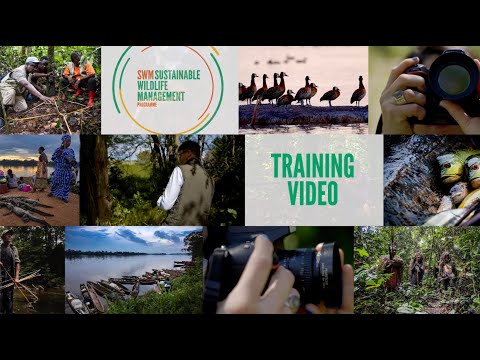
Nine tips for telling stories through photos and videos
15/06/2022
This video provides nine practical tips to take better photographs and videos. It is targeted at field staff, partners and communities working on the Sustainable Wildlife Management (SWM) Programme. The aim is to document project activities, good practices and solutions to promote biodiversity co...

Interview with Hubert Boulet, Sustainable Wildlife Management (SWM) Programme Coordinator
03/03/2023
March 3 marks World Wildlife Day - a United Nations International day to celebrate all the world's wild animals and plants and the contribution that they make to our lives and the health of the planet.
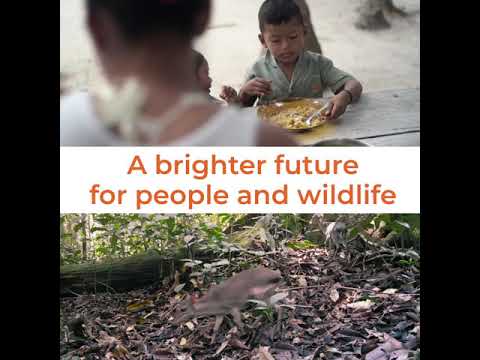
Increasing the supply of sustainably produced meat and farmed fish
27/07/2020
We are working in over a dozen countries to increase the sustainable supply of meat, eggs and farmed fish in culturally acceptable and affordable ways. The aim is to reduce the demand for wild meat to sustainable levels, and in so doing improve food security and the conservation of wildlife.
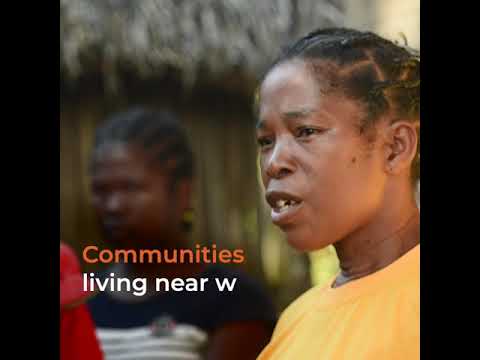
Working together with rural communities
08/04/2020
Respectful, participatory and long-term engagement with Indigenous Peoples and local communities is an essential part of the Sustainable Wildlife Management (SWM) Programme approach. We are working closely with communities and governments to improve food security and the conservation and sustai...
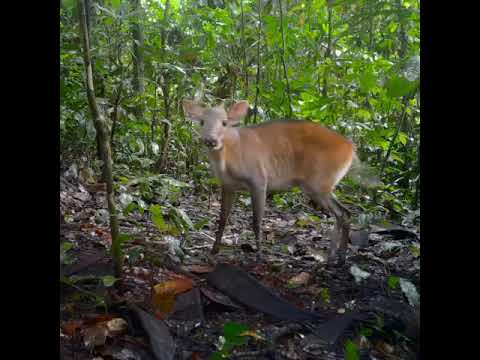
Amazing wildlife caught on camera
10/03/2020
are spread across 3 continents and capture images of wild animal’s 24 hours a day. The Sustainable Wildlife Management (SWM) Programme is working closely with communities and governments to improve food security and the conservation and sustainable use of wildlife.
A brighter future for people and wildlife
08/05/2026
Millions of people rely on wild meat for food, particularly indigenous peoples and rural communities. However, the demand is growing, especially in towns. Hundreds of wild animal species face extinction, in part due to overhunting for wild meat. How can we ensure a sustainable future for both peo...