
GESAMP Working Group 43 on Sea-Based Sources of Marine Litter
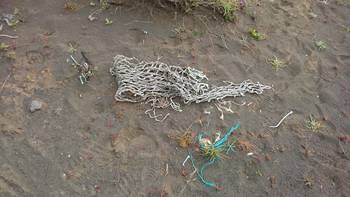
- © FAO/Haraldur Einarsson
GESAMP is an advisory body consisting of specialized experts nominated by the Sponsoring Agencies. Its principal task is to provide scientific advice concerning the prevention, reduction and control of the degradation of the marine environment to the Sponsoring Organizations.
The GESAMP Working Group on Sea-based Sources of Marine Litter (WG 43) was formally established in April 2019 and is jointly led by FAO and IMO as Technical Secretaries with co-sponsorship support from UNEP.
The overall objective of WG 43 is to build a broader understanding of sea-based sources of marine litter, in particular from the shipping and fishing sectors, including the relative contribution from different sources and the range and extent of impacts.
WG 43 has also been mandated to work to build a more comprehensive understanding of specific types of sea-based sources of marine litter, and to guide interventions on these sources based on identified priorities, drawing upon the expertise of FAO, IMO, UN Environment Programme (UNEP) and other relevant organizations and experts.
The Second Interim Report of WG 43 - A review of current Knowledge and Assessment of Data Gaps – is publicly available on the COFI34 Web site as a Session Background Document.