


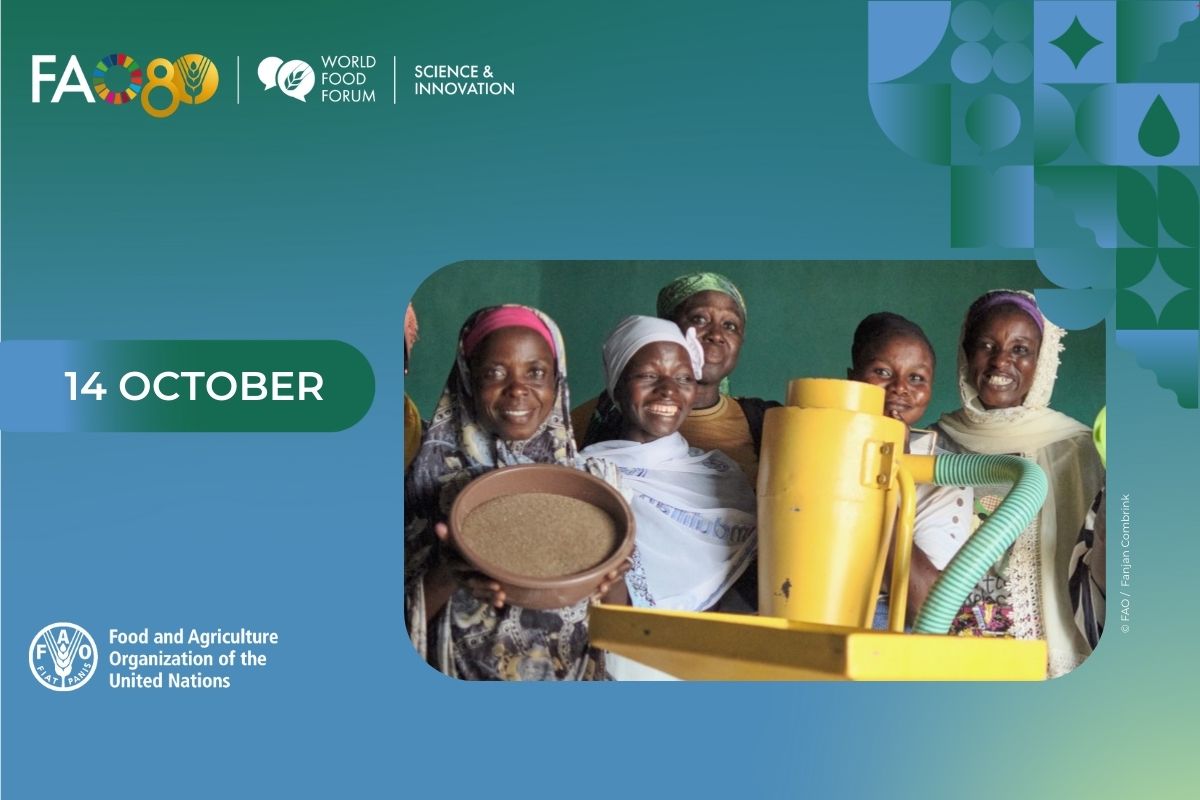
Playing the UN 2.0 Quintet of Change for Better Food Futures
Tuesday 14 October
10.00 - 12.00
Acceleration Zone (D085)
The UN adopted the ‘’Quintet of Change’’ or UN2.0 capabilities – data, digital, innovation, foresight, behavioural science and recently also adding culture - in line with the Pact of the Future, to get the world back on track to achieve the Sustainable Development Goals (SDGs) by 2030. They are considered key, both individually and in synergy, to address the interconnected and complex challenges of the agrifood systems (AFS), including the unknown that the future holds. In this spirit, FAO has integrated the UN 2.0 capabilities in its work to serve the member countries.
The session will engage the participants into debating strategic pathways to put in practice the UN 2.0 capabilities using elements of FAO’s Innovation policy labs methodology. It will be centered around a foresight policy serious game – a powerful capacity development instrument, where decision-makers can try out and experience the consequences of their own decisions. Players will operate in multiple future STI scenarios to develop collaborative and responsible strategies to overcome diverse agrifood system challenges and reach the Prosperity Zone, by building their innovation portfolios and anticipatory policy mixes to address challenges in diverse research and innovation paradigms the better agrifood futures.
Speakers
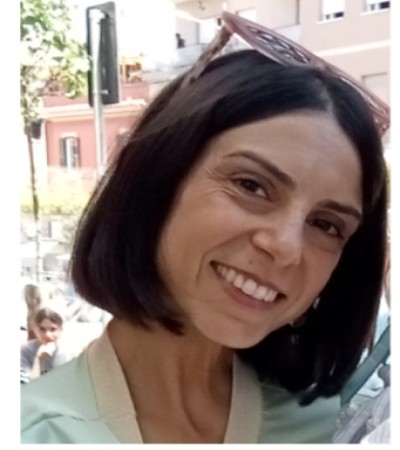
Ms Manuela Bucciarelli is a Monitoring, Evaluation and Learning Specialist in the FAO Office of Innovation where she works on capacities, policies and services for innovation.
In her current role she oversees projects impacting countries across Africa and Latin America, providing technical support in capacity development for innovation, policy strengthening, and innovation measurement. Ms Bucciarelli background includes developing MEL frameworks, Agricultural Innovation System (AIS) assessments, and data analysis for humanitarian and development projects, along with creating tools like online dashboard for agricultural innovation. She is passionate about inclusive and evidence –based policy making fostering multi-stakeholder processes.
She holds a MSc in International Economics and Development, a Master in Development Economics and more than 15 years experience working for several international organizations, including UN Agencies and NGOs, mostly based in the field, on evaluation, impact assessments, monitoring and capacity development.

CEO, Senior Specialist, House of Knowledge
Magnus Hakvåg is the CEO of House of Knowledge (HOK) and an expert in Innovation, policy serious games, IP, Standards, and Competitiveness with over 21 years of international experience, focusing on capability building and advanced applied training. He acted as a consultative body for the Norwegian Ministry of Trade and commerce on IPR and Standards. At present, he is the Convener for Innovation Terminology at ISO TC 279, an expert at ISO TC 37 and CEN TC 389, and a member of ISO TMBG CCCC. Through ISO TC 279 he was involved in the revision of OECD Oslo Manual 4ed 2018. Magnus Hakvåg originally holds an MSc. in Biophysics and Medical technology from NTNU.

Zofia Krystyna Mroczek has more than 10 years of experience in development work. She is currently working for FAO’s Office of Innovation on innovative agrifood systems policies, inclusive approaches to co-creation and multistakeholder processes, foresight, capacity development and mission-oriented agrifood innovation systems with a special emphasis on agroecology and gender. Before, she worked extensively on agricultural extension and advisory systems, decent rural employment and prevention of child labour in agriculture. She has vast experience in implementing projects in Africa, Latin America and the Middle East, and North Africa.
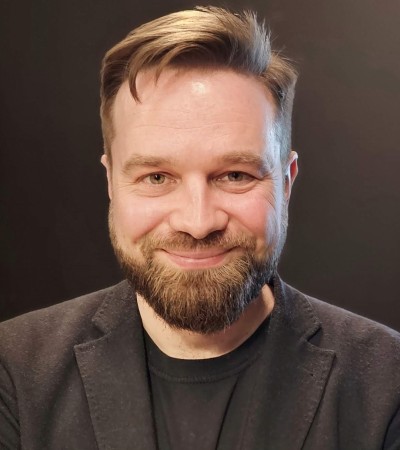
Kacper Nosarzewski started his career in the energy sector and moved to strategic foresight in 2011, working at 4CF The Futures Literacy Company ever since. He is member of World Economic Forum Global Foresight Network and co-chair of the Polish node of The Millennium Project. He designed and implemented many foresight projects for the public sector, corporate clients and international organisations, also working as a consultant with FAO in 2023-2024. Working with FAO Office of Science and Innovation, he co-authored two foresight and horizon scanning reports which present possible trajectories of technology and innovation development for the global agrifood systems. His other foresight work for the agrifood sector has benefited clients such as banks, water and beverage producers and food banks.