


Scaling Together: FAO’s Evolving Role in Innovation for Impact
For effective innovations to reach the scale needed to address pressing development challenges, it is essential to understand both the barriers and enablers that determine if a pilot project, or various types of innovations, with a viable solution can reach scale is essential. The FAO Science and Innovation Strategy recognizes that scaling innovation is critical for transforming food systems. It focuses on creating the right environment, fostering partnerships, and building capacity to ensure that innovations have a wide-reaching and lasting impact. Identifying and leveraging FAO’s unique role and comparative advantages can be a powerful strategy for supporting and accelerating impact at scale.
This session explores the evolution of FAO’s approach to scaling innovation, from early field-level practices to a strategic, systems-based framework. Through the presentation of the Scaling Approach Paper, the session will highlight FAO’s catalytic role in enabling scale. It will conclude with a forward-looking discussion on the Scaling Coalition and how FAO and its partners can work hand in hand to scale innovation for greater impact.
Speakers
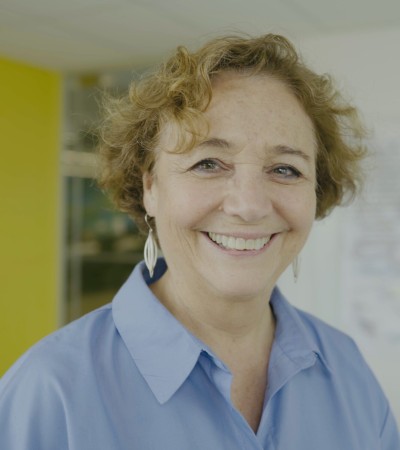
Co-Founder & Executive Director, IMAGO Global Grassroots
Isabel Guerrero is driven to change the world in which she lives. Throughout her career, she’s helped those with the least break out of the cycle of poverty while celebrating the intrinsic beauty and dignity in each person. With this goal in mind, Isabel and Zachary Green co-founded IMAGO Global Grassroots, an organization focused on giving people living in poverty the tools to build their own destiny. Isabel worked for 30 years at the World Bank, including five years as Vice-President for the South Asia region, managing a US$39 billion portfolio.
While presenting a different set of challenges, Isabel’s work with IMAGO offers tremendous potential to change the world through tackling some of the most intractable development problems we face today.
In addition to her work with IMAGO, Isabel is on the board of the Presencing Institute at MIT and a Council Member of the United Nations University. She is an economist from London School of Economics and a psychoanalyst trained at the Washington Psychoanalytic Society. Isabel teaches “Scaling Up for Development Impact” at Harvard and is a Senior Lecturer in leadership at MIT.

Dr. Corinna Hawkes is Director of the Division of Agrifood Systems and Food Safety at the Food and Agriculture Organization of the United Nations (FAO). In this role, she leads efforts to advance a systems-based approach to transforming agrifood systems and oversees FAO’s urban agrifood systems programme.
Prior to joining FAO, Dr. Hawkes was Professor of Food Policy and Director of the Centre for Food Policy at City, University of London. Her career spans leadership and research roles at the International Food Policy Research Institute, the University of São Paulo, the World Health Organization, the Global Nutrition Report, and World Cancer Research Fund International.
A recognized leader in the field of agrifood systems and nutrition, she co-founded the Next Gen(d)eration Leadership Collective in 2020 to foster courageous leadership and address power imbalances in nutrition and food systems.
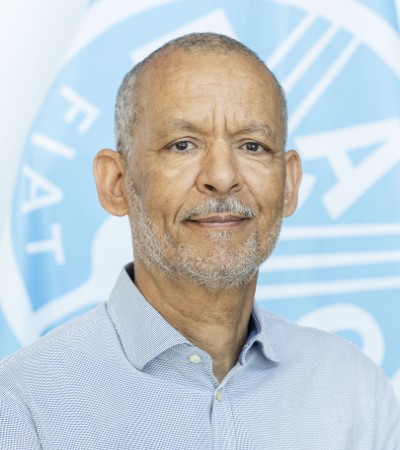
Mohamed Manssouri is Director of the FAO Investment Centre, an agricultural economist and an expert in agricultural and rural development, food security and poverty reduction. He previously occupied positions in the Investment Centre as Service Chief for Europe and Central Asia, Near East and Noth Africa, and Latin America and the Caribbean. Prior to FAO, he was Country Director with IFAD, where he led the development and management of country investment strategies and programmes in West and Central Africa. He holds a BSc and an MSc from the Paris Institute of Technology for Life, Food and Environment Sciences.
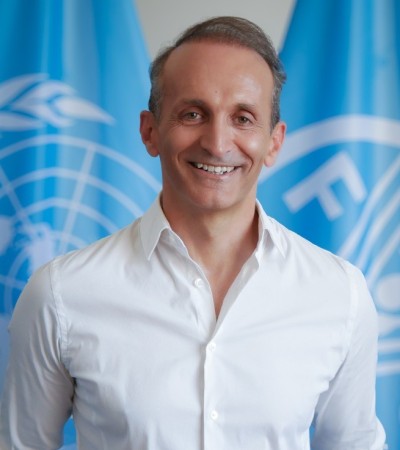
Dr. Vincent Martin is the Director of the FAO Office of Innovation, leading the Organization’s innovation agenda as part of the Science and Innovation Strategy. With more than 30 years of experience in science, research, and policy as they relate to food security and health, he has held several official positions in the French government, the FAO and the UN in Zimbabwe, China, DPR Korea, Senegal and Guinea. A veterinary epidemiologist by training, Dr. Martin is known for integrating innovation into development, humanitarian, and epidemic response strategies. He holds a Doctorate in Veterinary Medicine, a Ph.D. in Agronomic Sciences, and advanced degrees in epidemiology and statistics, and livestock production.
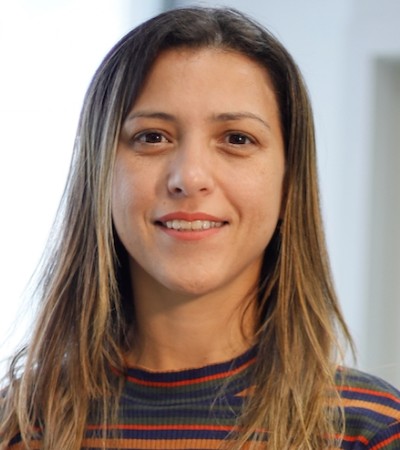
Carina Pimenta was nominated National Secretary of Bioeconomy, Brazil. She holds a degree in Business Administration from EAESP-FGV and a master’s degree in Social Development from the University of Sussex. Carina Pimenta co-founded Conexus in 2018, having previously worked in both private sector and civil society organizations. Throughout his career, she developed expertise in green finance, innovative impact financing instruments, market access strategies, development of community businesses and small businesses, entrepreneurship and development of the bioeconomy in areas linked to socio-environmental issues in Brazil, especially in the Amazon.
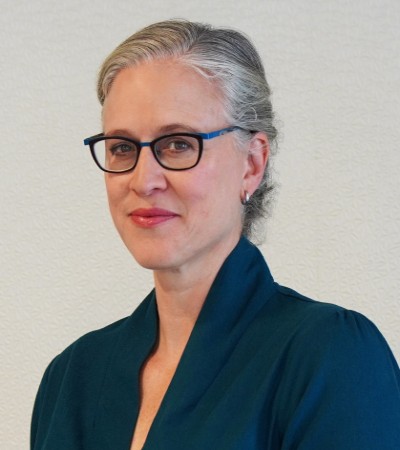
Loraine Ronchi is the World Bank Group’s (WBG) Global lead for Scaling Knowledge and Innovation. Based in the Agriculture and Food department, Loraine leads the effort to scale science and innovation into the WBG’s portfolio and into the evidence bases of policy dialogue. Prior to taking on this pioneering role, Loraine was Practice Manager for Agriculture and Food in South Asia, overseeing teams and operations in 6 countries, including Afghanistan. Previous to management, she was the first WBG-wide Global Lead for Value Chains and Agribusiness during her time as technical lead for agribusiness in the International Finance Corporation (IFC) advisory services. In her 20 years at the WBG, she has led programs, projects and policy dialogue on the agricultural sector from both headquarters and country office on a full range of food system issues from farm to fork. A Canadian Rhodes Scholar, Loraine has an MPhil in Economics from Oxford University and her doctorate in Economics from the University of Sussex in the UK.

Executive Director, Yale Research Initiative on Innovation and Scale (Y-RISE), Yale University
Neela is the executive director at the Yale Research Initiative on Innovation and Scale (Y-RISE) at Yale University, which focuses on developing the science around scaling policy interventions. Neela is a behavioral scientist by training with phenomenal experience in multiple areas such as consulting, teaching, researching, and writing. Prior to joining Yale, among her many roles, she helped set up the Centre for Social and Behaviour Change (CSBC) at Ashoka University, where she also served as a director for a few years. Neela holds a PhD in marketing from the Wharton School at the University of Pennsylvania and an MBA from the Indian Institute of Management Calcutta.

Mr. Daudi Ssentongo, Ugandan – Agricultural extension advisor, Agric-economist, dedicated to digital transformation of agricultural extension and advisory services and very passionate about promoting local innovation in ecologically oriented agriculture. Currently serves as the Manager for Training and Advisory Services at Uganda National Farmers Federation farmers (www.unffe.org.ug) and the Chairperson of the steering committee of PROLINNOVA Uganda, a local mult- stakeholder platform for promoting local innovation in ecologically oriented agriculture and NRM.

Head of Office, UN Global Pulse
Tapio Vahtola is an international affairs professional with over 20 years of experience at the intersection of policy, innovation, and partnerships. He currently leads UN Global Pulse in Helsinki, part of the UN Secretary-General’s innovation initiative, which focuses on the use of data, AI, foresight, and behavioural science to accelerate sustainable development and humanitarian action.
Previously, Tapio held senior roles with UNHCR, working on refugee policy and partnerships, as well as with the European Union and FTI Consulting building partnerships and policies that bridge sectors and regions. His career spans Europe, Africa, and global institutions, rooted in a commitment to practical impact for people and communities.
Tapio holds master´s degrees from the University of Turku and the College of Europe, combining a strong European grounding with a global outlook.