


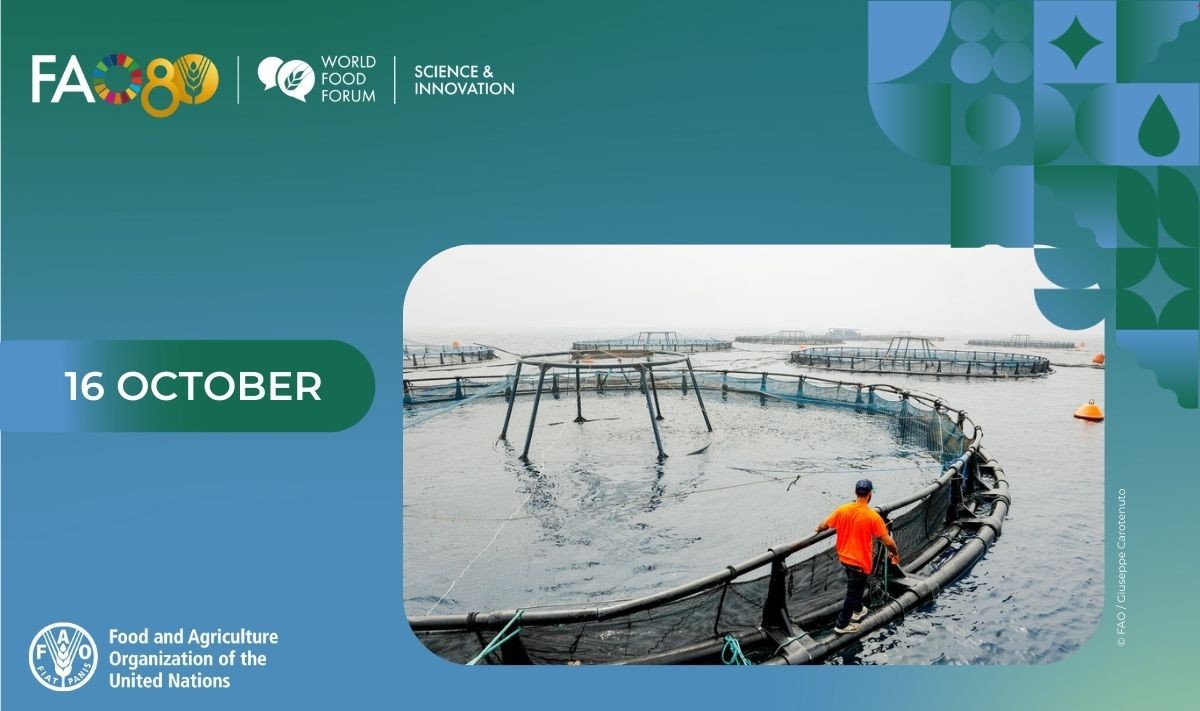
Waves of Change: Aquaculture Innovation Through Partnership
Deep Dive
This session explores how science, innovation, and strategic partnerships can drive the implementation of the Guidelines for Sustainable Aquaculture (GSA). It introduces the Global Sustainable Aquaculture Advancement Partnership (GSAAP), a multi-stakeholder platform supporting coordinated action toward environmentally sound, socially responsible, and economically viable aquaculture. Through keynote presentations and a panel discussion, the event highlights the role of collaborative innovation, knowledge sharing, and inclusive engagement across sectors. It aims to raise awareness of GSAAP, strengthen stakeholder participation, and identify opportunities for cooperation, ultimately contributing to the sustainable transformation of aquatic food systems under the FAO’s Blue Transformation initiative.
Speakers

National professional officer, FISH4ACP, The Gambia
Khadidiatou Diallo (Khadija) is the National Professional Officer for FAO’s FISH4ACP initiative in The Gambia and an accomplished development professional with extensive experience in project management, coordination, and implementation. Skilled in monitoring and evaluation, she has a proven record of managing partnerships with government institutions, the private sector, and civil society to deliver impactful, results-oriented projects. As FAO Gambia’s gender focal point, Khadija has been instrumental in advancing women’s empowerment within the fisheries and aquaculture sectors, promoting safer, more resilient working environments and stronger livelihoods.
Her leadership in fostering inclusive aquaculture partnerships has introduced innovative farming technologies enhancing productivity, safety, and market access for oyster women harvesters. At FAO, she has coordinated EU- and BMZ-funded fisheries projects promoting sustainable practices and economic growth. Previously at UNIDO, she led initiatives on industrial development and renewable energy, underscoring her commitment to sustainability and gender equity.
Ms. Diallo holds a bachelor’s degree in business administration from Western Michigan University and is fluent in English and French.

Vice-Minister of Livestock, Ministry of Agriculture and Livestock of Paraguay
Marcelo Andrés González Ferreira was born in Asunción on January 31, 1980. He is the Vice-Minister of Livestock of Paraguay, appointed by Presidential Decree No. 45 on August 20, 2018, and reconfirmed for a second term by Decree No. 78 on August 18, 2023. He holds a Doctorate in Veterinary Sciences from the National University of Asunción and a Master’s in Animal Science from Texas A&M University. He completed further training in the United States. and Japan, and has served as a consultant for international organizations. He is a founding member of the Network of Leaders for a Competitive Paraguay.
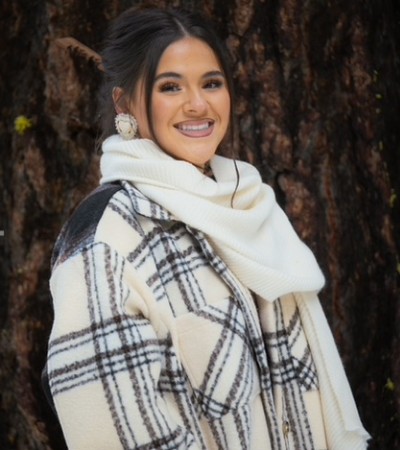
Agroecology M.S. Student, University of Wisconsin-Madison, and member of the Klamath Tribes
Tanikwah Lang is a citizen of the Klamath Tribes of southern Oregon, known as the Fish People, whose lives are intertwined with the aquatic resources with which they share the land and water. A graduate student in Agroecology at the University of Wisconsin–Madison, she focuses on Indigenous led land stewardship. Tanikwah’s early career includes work with The Klamath Tribes’ Ambodat (of the Water) Department and the United States Department of Agriculture Tribal Agriculture and Policy Program. She is committed to restoring traditional foods and advancing cultural, spiritual, and ecological health for future generations.
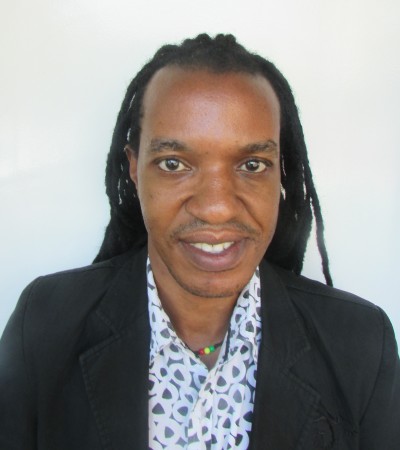
Secretariat, African Chapter, World Aquaculture Society
Mr. Blessing Mapfumo, 45 (Zimbabwean) is an International Fisheries and Aquaculture Advisor with over 25 years of experience, primarily in Sub-Saharan Africa. He currently serves as the Executive Officer of the African Chapter of the World Aquaculture Society (WAS), housed at the African Union Development Agency (AUDA-NEPAD) Headquarters in South Africa. Before joining the WAS, Mr. Mapfumo worked as a Projects Officer at the FAO in South Africa from 2014 to 2017. His first job was as a Production Administrator at Lake Harvest Aquaculture Ltd, which was at that point, the largest freshwater aquaculture operation in Africa, from 2000 to 2006. He then held the position of Aquaculture Officer at an INFOnetwork organization, INFOPECHE (INFOSA) based in Namibia (2006-2012).

Production Systems Science Lead, WorldFish
Cristiano Rossignoli, PhD, MSc, is a Senior Scientist with nearly two decades of experience advancing sustainable aquaculture and fisheries. As Production Systems Science Lead at WorldFish, he integrates system-level sustainability analysis into global research on aquatic food systems. He led the CGIAR Initiative on Aquatic Foods, contributing to aquatic food transformation across Africa, Asia, and the Pacific. His work focuses on low-trophic species, multifunctionality, and resilience. A Visiting Researcher at the University of Tokyo, he applies systems thinking to evaluate innovations and policies aligned with the SDGs. Cristiano has published extensively on aquatic food sustainability, livelihoods, and food security.
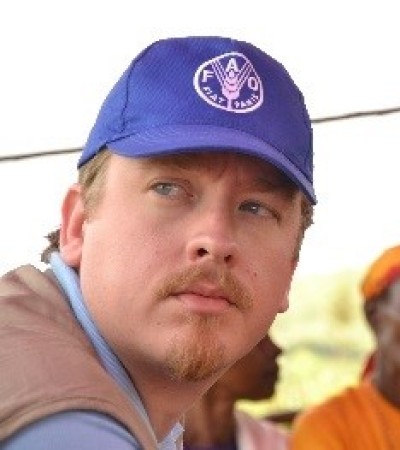
Austin Stankus serves the Global and Regional Processes Team for Sustainable Aquaculture, particularly supporting the secretariat of the COFI Sub-Committee on Aquaculture and other intergovernmental activities, including the Global Sustainable Aquaculture Advancement Partnership. With FAO since 2013, his work has primarily focused on cross-sectoral approaches to integrated agriculture-aquaculture systems, including work through the Subregional Office in Barbados towards building resilience of aquaculturists to the impacts of climate change in Small Island Developing States. Austin holds a MSc in Zoology from the University of Hawai'i where his studies and work centred not only on aquaponics, but also insect-based composting of food waste as an alternative feed ingredient. He also supported community-based urban forestry mapping and spatial planning of the campus landscape. He holds a BSc in marine biology, with work focused on apex marine predators, including sharks, rays and pelagic species.

Lecturer, College of Fisheries and Life Science, Shanghai Ocean University
Dr. Jiamin Sun is a lecturer at Shanghai Ocean University specializing in aquaculture ecology and integrated rice–fish farming systems. His research focuses on fish behavioral ecology, environmental adaptation, and the sustainable transformation of aquaculture. From 2024 to 2025, he served as a visiting fellow in the Fisheries and Aquaculture Division of FAO, where he contributed to global initiatives on ecological aquaculture and the Blue Transformation. He has led several national research projects and promotes the integration of science, policy, and practice in sustainable aquaculture development.

Céline Tiffay is a Fisheries Specialist with the FAO’s Fisheries and Aquaculture Division, focusing on governance, policy, and international cooperation, including support for UN initiatives like the Ocean Decade. She contributes to major meetings, strategic projects, and publications. Previously, she worked with UNESCO’s Intergovernmental Oceanographic Commission on coastal resilience and tsunami preparedness in Central America, the Caribbean, and the Pacific. Céline holds a Master’s in Marine Science and Policy from the University of Edinburgh, where she researched fisheries governance in West Africa and the Pacific, and a double Bachelor’s degree in Environmental Studies and Philosophy.
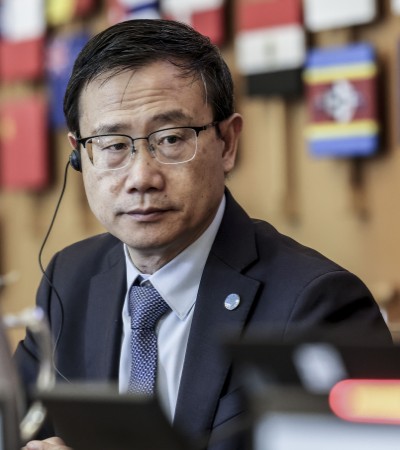
Deputy Director of the Fisheries and Aquaculture Division, FAO
Dr Xinhua Yuan is Deputy Director of the Fisheries and Aquaculture Division, FAO. He holds PhD in aquaculture economics and management, MSc and BSc in aquaculture. He provided leadership and coordination of the aquaculture development policy and governance, technology and production, as well as support to country on sustainable aquaculture development, promoting sustainable aquaculture development, capacity-building programme, investment, bilateral and multi-lateral consultation; dedicated to global agro-food system transformation, aquatic food production and supply, improve livelihood of fisherman and rural economy development. He is currently actively promoting the FAO Initiative of Blue Transformation, Global Sustainable Aquaculture Advancement Partnership (GSAAP), Guideline for Sustainable Aquaculture (GSA), Rice-Fish Integration, Aquaculture Parks/village, etc. He has nearly 30 years of professional experience in Good Aquaculture Practices Development and Extension, especially exploring the South-South Cooperation among developing countries and Triangular Cooperation, and Private Public Partnerships (PPP) for aquaculture.