


Live

FAO marks 45 years of working to improve Somalia’s food and agriculture.

The Burao vegetable market in Somaliland was recently constructed with FAO support ©FAO
For the last 45 years FAO in Somalia has worked towards transforming agrifood systems in alignment with our four ‘Betters’ - Better Life, Better Production, and Better Nutrition and Better Environment including growth, state building and resilience. A key part of our work has been improving agricultural infrastructure.
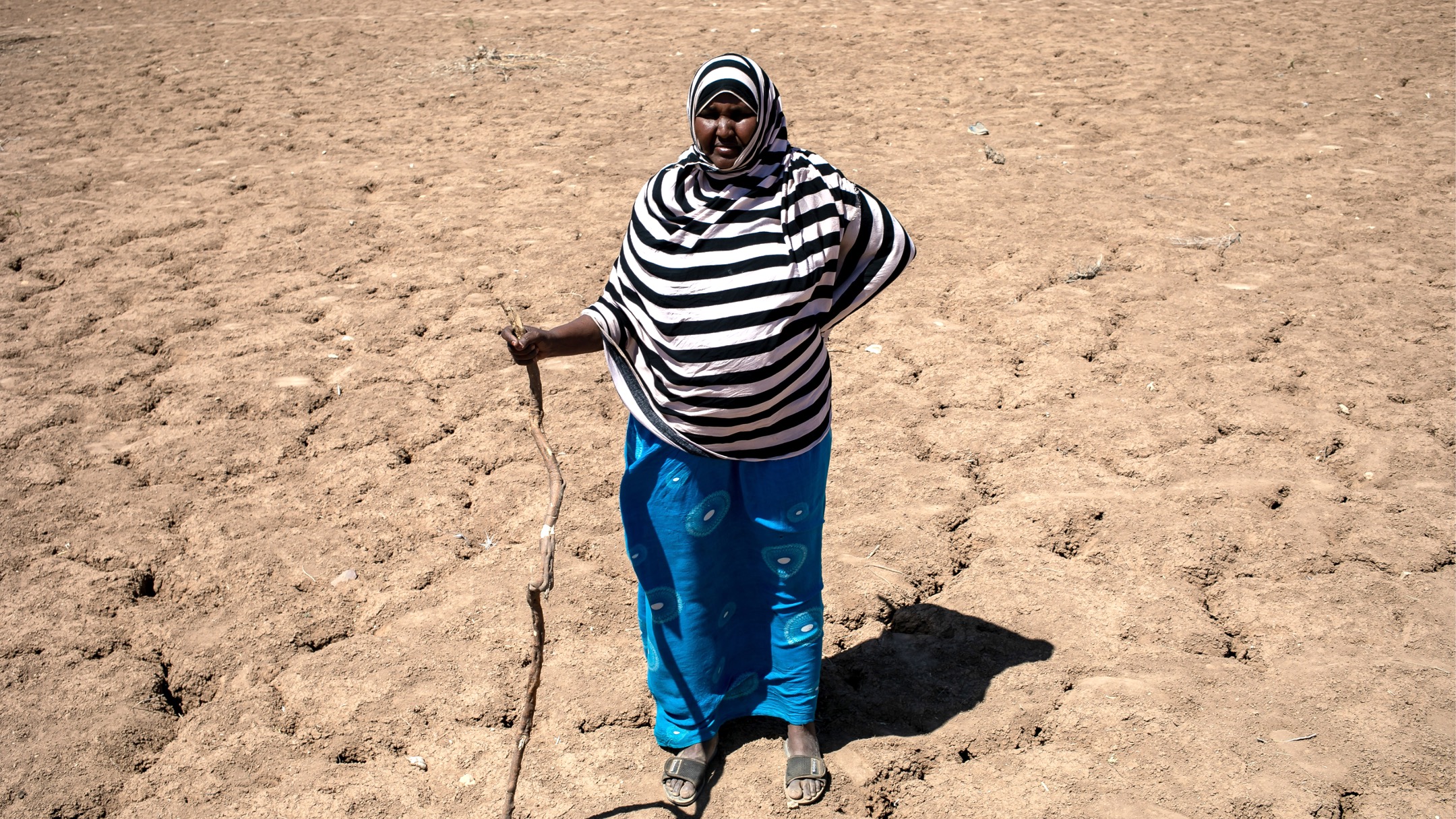 FAO has been at the heart of efforts to keep Somalia farming during droughts and floods ©FAO
We have worked ceaselessly over the years to help millions of Somalis cope with food insecurity caused by drought, floods, conflict, disease and mass displacements – helping Somalia to feed itself during time of crisis.

Emergency cash disbursements through mobile phones during emergencies have been hugely successful. ©FAO
FAO is arguably the UN agency with the greatest reach into rural and inaccessible parts of the country, with about 640,000 households registered to receive emergency cash disbursements through an innovative E-Platform system.
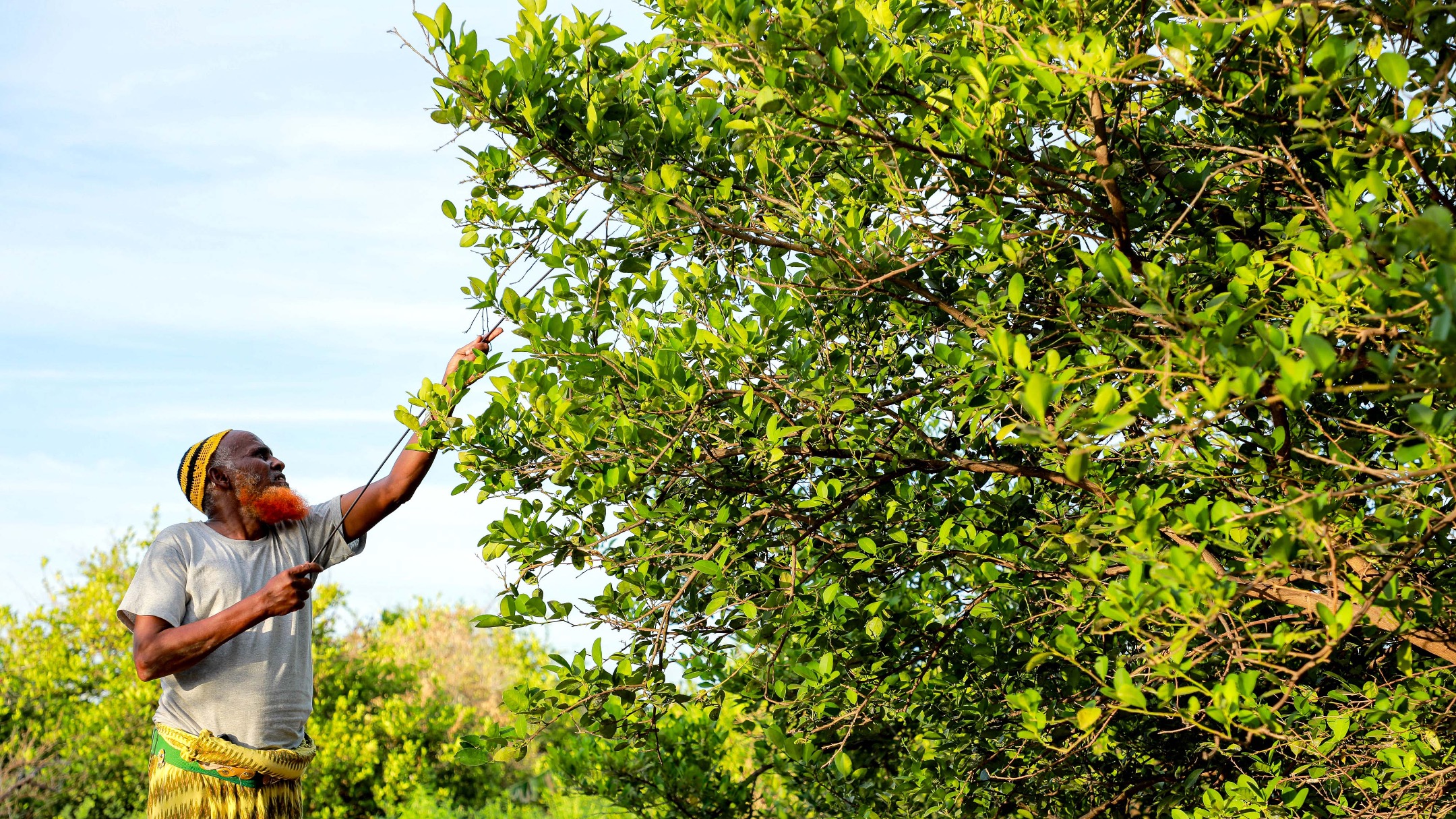 Helping Somalia benefit from its agricultural resources has been central to our mission. ©FAO
Agriculture is a core pillar of FAO’s work in Somalia – with 80 percent of the population relying on its success, it is a core pillar of the economy. But it is undermined by weak infrastructure, insufficient investment, climate shocks and female marginalization.
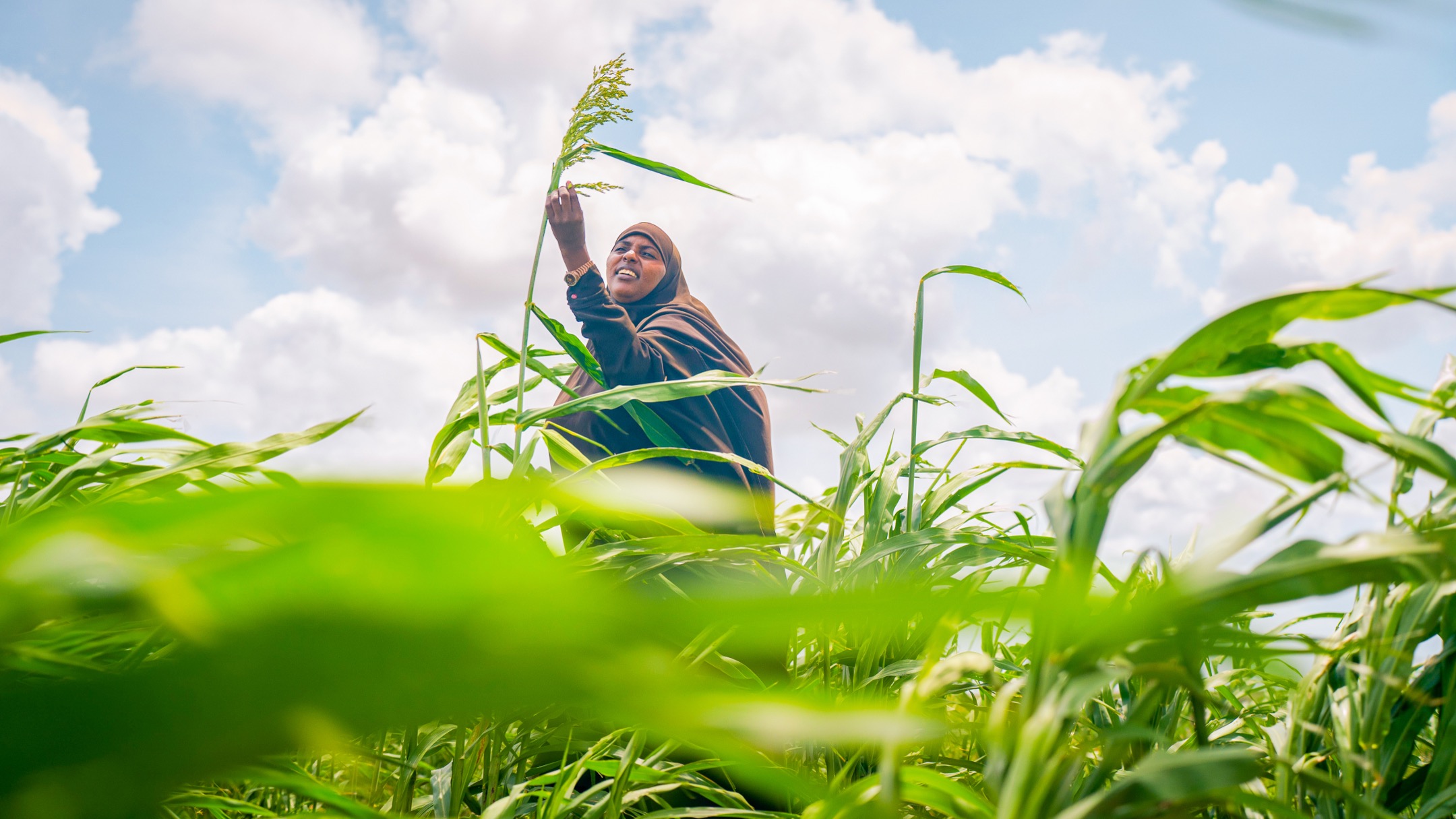
Women play a crucial role and often unheralded role in cultivating Somalia’s crops. ©FAO
FAO is helping Somalia’s farmers work towards a transformation of agrifood systems in alignment with the four ‘Betters’. IIn Somalia, FAO focuses on saving lives as well as supporting rural communities to withstand, adapt to and recover faster from crises by strengthening and fortifying their livelihoods systems.
 Somalia’s livestock sector is based on nomadic pastoralism and is today a mainstay of the county's economy. ©FAO
Pastoralism is way of life in Somalia. Livestock accounts for up to 45 percent of the GDP but is incessantly under attack as the country grapples with its changing climate. FAO is supporting improved rangeland management, animal husbandry and water catchment areas.

In 2020 14.5 million goats were vaccinated and another 3.5 million animals treated. ©FAO
Over the last four and a half decades FAO has reinforced livelihoods and helped families anticipate shocks such as drought and animal diseases by increasing and diversifying their food production and protecting their livestock – an essential source of food and income. (https://somalia.un.org/en/50359-protecting-livestock-and-pastoral-livelihoods-somalia-during-covid-19-amid-floods-and)
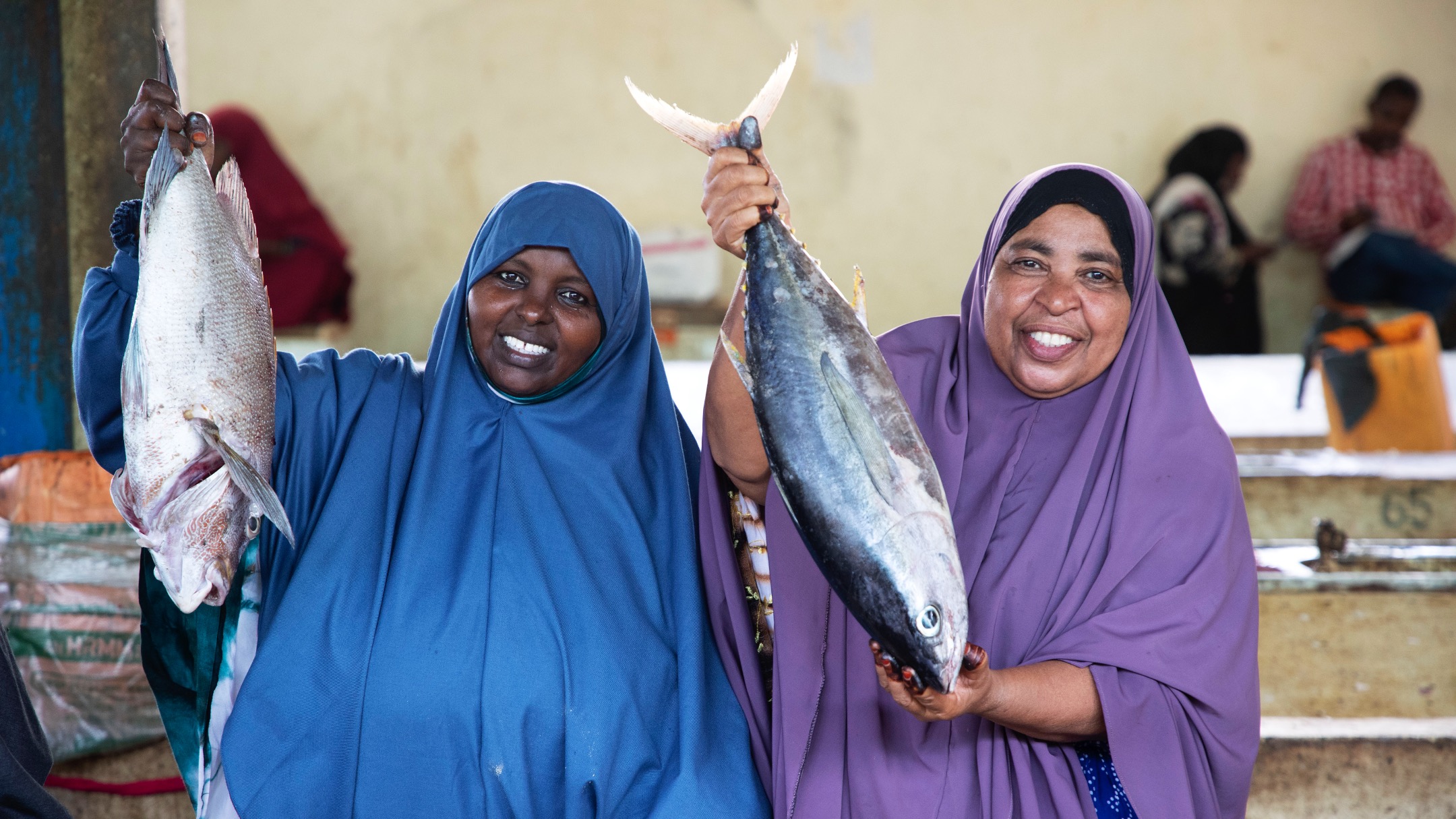
The fish market in Mogadishu is soon to be refurbished thanks to a combination of Japan and FAO working together. ©FAO
The fisheries sector contributes only an estimated two percent of GDP but has the potential to do far more, which is why FAO is supporting the training of people in the industry alongside a stronger fishing infrastructure.
 FAO believes that if properly developed, Somalia’s fishing industry can provide food security and jobs. ©FAO
FAO’s focus is to support the government to launch the Blue Economy in Somalia to create a more efficient, inclusive, resilient and sustainable fishing industry that achieves better production and nutrition levels.
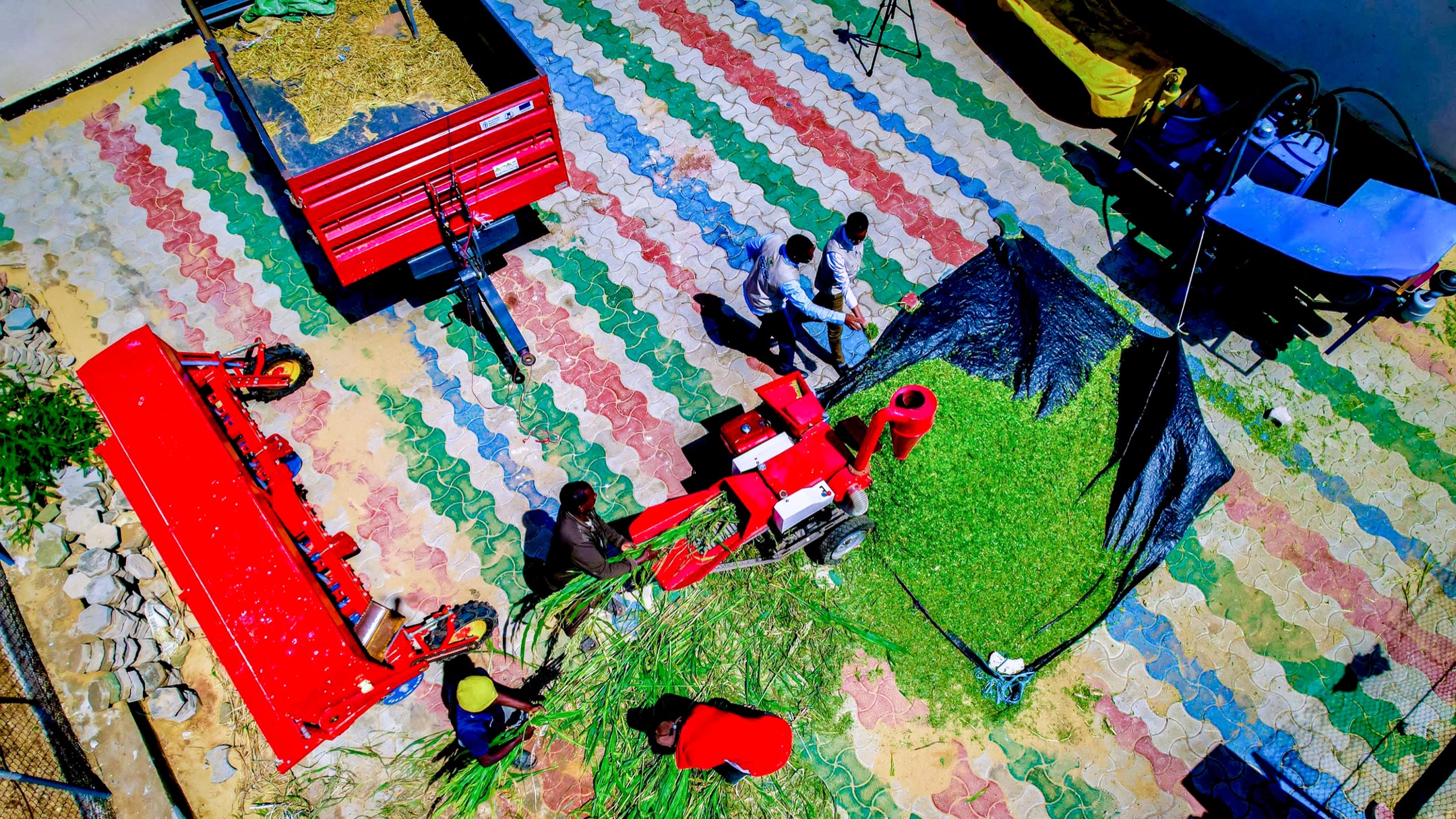 Providing Somalia with a more resilient food security infrastructure has long been one of FAO’s core objectives. ©FAO
FAO in Somalia has emerged as a Country Office of global precedents. We were among the first to use the Integrated Phase Classification (IPC) system to analyse levels of food security – it's now used by 30 countries worldwide.
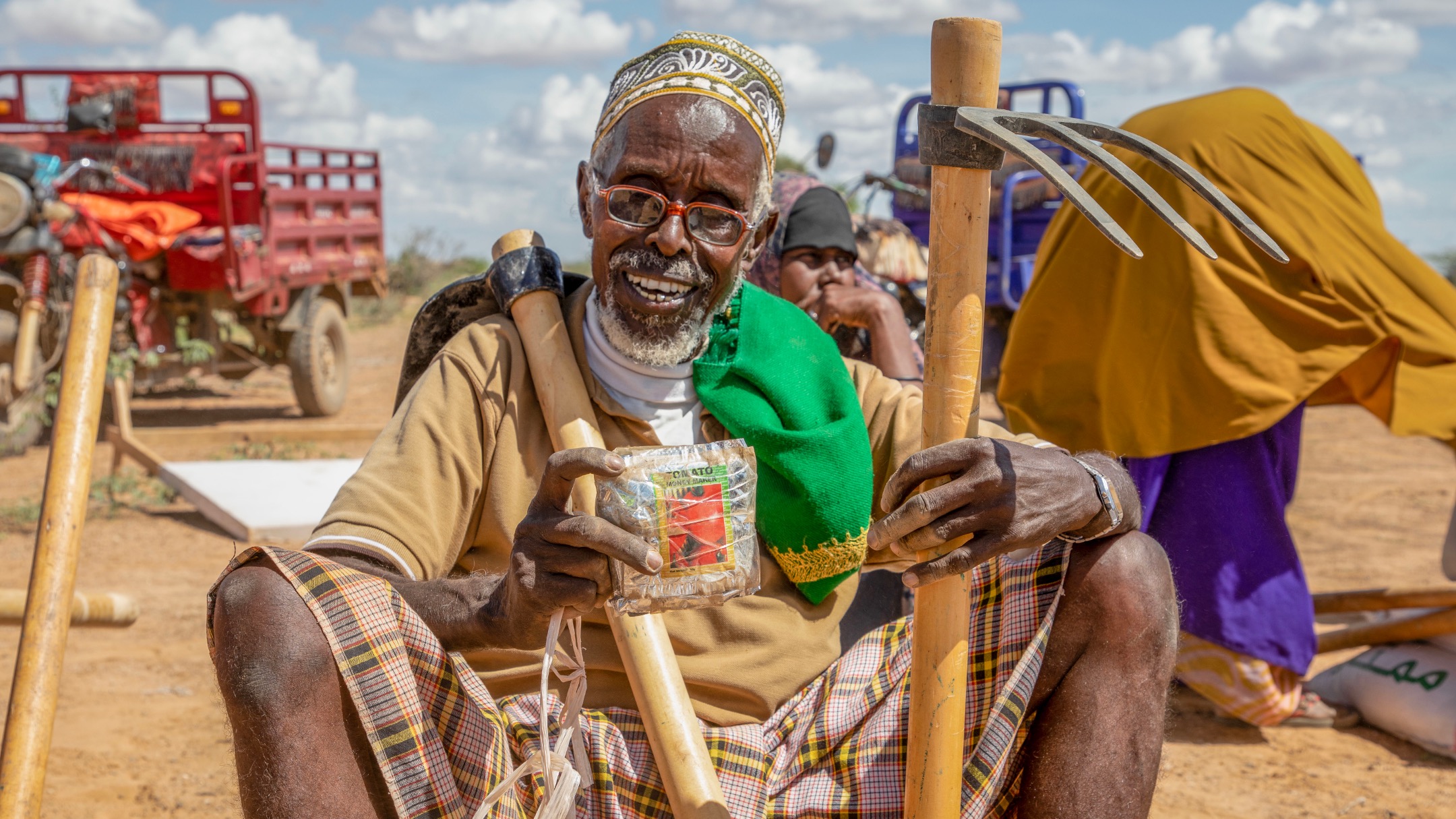 The provision of relatively inexpensive basic tools over the years has profoundly helped Somali farmers. ©FAO
One of the simplest – yet most important – distributions made by FAO Somalia over the years is the provision of essential agricultural tools, such as hoes and spades, along with seeds (maize, cowpea, vegetables), and storage bags. The aim is to help drought-affected rural communities rebuild livelihoods, boost food security, and improve farm productivity.
 The JOSP project is a multidonor, multiyear interministerial initiative designed to help vulnerable farming communities. ©FAO
The Somalia Water and Land Information Management unit (SWALIM) forms the backbone of a comprehensive meteorological Early Warning System, enabling robust climate change analysis alongside reliable and accurate weather forecasting.

SWALIM plays a vital role in predicating weather patterns to offset the devastation caused by floods ands and droughts. ©FAO
The Somalia Water and Land Information Management unit (SWALIM) forms the backbone of a comprehensive meteorological Early Warning System, enabling robust climate change analysis alongside reliable and accurate weather forecasting.

FAO is one of Somalia’s key water distributors in times of drought. ©FAO
Inclusive, conflict sensitive and equitable water governance is a key part of FAO’s work in Somalia. Fair access to water is fundamental when it comes to peacebuilding and creating resilience and food security.

FAO believes that Somalia faces a bright future if its agricultural system is allowed to develop. ©FAO
For the next 45 years, FAO is prioritizing the transition of households away from aid dependence towards sustainable solutions in the face of continuing insecurity and climate change.

FAO Representation in Somalia
Aden Abdulle International Airport (AAIA)
Mogadishu, Banadir Region
Somalia
Email: [email protected]
Web: www.fao.org/somalia
FAO Representative:
Mr. Etienne Peterschmitt