


كثيرون غير معروفين ومهمشون
يعمل تسعون في المائة من صيادي الأسماك والعاملين في قطاع صيد الأسماك في العالم في مصايد الأسماك صغيرة النطاق، وتمثل مصايد الأسماك صغيرة النطاق أكثر من 50 في المائة من مصايد الأسماك في البلدان النامية. غير أن مجتمعات صغار صيادي الأسماك هي في كثير من الأحيان الأفقر والأكثر تهميشاً من الناحيتين السياسية والاجتماعية. ويعني هذا التهميش في كثير من الأحيان أن المجتمعات المحلية تفتقر إلى السُبل التي تمكنها من الحصول على الخدمات الأساسية، مثل مياه الشرب والإسكان، وكذلك التعليم والخدمات الصحية.
ومعظم الوظائف في القطاع غير رسمية. والإيرادات غير مستقرة، ويرجع ذلك في جانب منه إلى تباين مصيد الأسماك بتباين الفصول. وفي بعض الحالات، لا توجد أي مخططات للحماية الاجتماعية يمكن أن يستفيد منها الصيادون والعاملون في قطاع الصيد. وفي حالات أخرى، توجد مخططات من ذلك القبيل، ولكن صيادي الأسماك والعاملين في قطاع الصيد قد يجدون من الصعب الاشتراك في مخططات الأمن الاجتماعي التي تتطلب سداد رسوم شهرية.
ويعد صيد الأسماك عموماً مهنة شديدة الخطورة ويجب على العاملين فيها تحمل ساعات عمل طويلة في كثير من الأحيان ويتدنى فيها مستوى السلامة والصحة المهنيتين. ومما يزيد من هشاشة العناصر الفاعلة في مصايد الأسماك صغيرة النطاق العنف، وعمالة الأطفال، والعمل القسري، والانتهاك الجنسي، وتردي مستوى السلامة في البحر.
ربط التنمية الاجتماعية بالإدارة المستدامة لمصايد الأسماك
من الأساسي للاعتراف بحقوق صيادي الأسماك والعاملين في قطاع الصيد التشاور معهم في اتخاذ القرارات التي تؤثر عليهم وعلى الموارد التي يعتمدون عليها. وينبغي أن يكون العاملون الرسميون وغير الرسميين على طول سلسلة قيمة مصايد الأسماك قادرين على العمل في ظروف لائقة تحقق لهم كسباً مجزياً. ويشمل ذلك العمال المهاجرين الذين يقومون بدور مهم في مصايد الأسماك على نطاق العالم. ويجب وضع نهاية للعمل القسري والعنف وعبودية الديْن.
إقرارًا بالتحديات الفريدة التي يواجهها الصيادون، تسعى منظمة الأغذية والزراعة للأمم المتحدة (الفاو) إلى تعزيز إدماجهم الاقتصادي وقدرتهم على الصمود وتامين سبل عيشهم، وذلك من خلال توسيع نطاق برامج الحماية الاجتماعية وتحسينها. كما تساهم المنظمة في تعزيز القدرات الوطنية من خلال رفع مستوى الوعي بالعوائق التي تحول دون وصول صغار الصيادين إلى الحماية الاجتماعية
وتدعو الخطوط التوجيهية الطوعية إلى التنمية الاجتماعية والاقتصادية لمجتمعات الصيد الصغيرة النطاق لكي تتمتع بحقوق الإنسان. وتهيب بالحكومات ضمان إدراج المعايير الدولية في التشريعات الوطنية. ويشمل ذلك الحق في مستوى معيشي مناسب، والعمل اللائق، وضمان الوفاء بالاحتياجات الصحية والتعليمية وسائر الاحتياجات الأساسية.
وتوصي الخطوط التوجيهية الطوعية الدول كذلك بالاستثمار في التنمية البشرية لمجتمعات الصيد صغيرة النطاق، ودمج الصحة والسلامة المهنيتين في إدارة مصايد الأسماك. ويُشكل الضمان الاجتماعي والوصول إلى الائتمانات ومخططات التأمين توصية مهمة أخرى مقدمة إلى الدول لتعزيز مجتمعات الصيد الصغيرة النطاق. وتقع على الدول أيضاً مسؤولية وضع قوانين تنظم السلامة في البحر وإتاحة الوصول إلى التدريب ومعدات السلامة.
يتناول الفصل 6 من الخطوط التوجيهية الطوعية التنمية الاجتماعية والعمالة والعمل اللائق.
فيديو المبادئ التوجيهية الخاصة بالحماية الاجتماعية والتوظيف والعمل اللائق
منشورات

The SSF Hub is live!
19/01/2021

FAO and Invemar host a meeting with platoneras from Buenaventura in Colombia
13/01/2021

National Inception Workshop for ‘Empowering women in small-scale fisheries for sustainable food systems’ held in Sierra Leone
06/01/2021

In their own words: the role of research and academia in the implementation of the SSF Guidelines
15/12/2020

An overview of the role research and academia play in the implementation of the SSF Guidelines
14/12/2020

Understanding the link between gender and food loss in the fish value chains in Africa
11/12/2020

First steps to creating an inclusive and participatory National Plan of Action for small-scale fisheries in Madagascar
25/11/2020

An overview of the financial support behind the implementation of the SSF Guidelines
24/11/2020

In their own words: the role of funding agencies in the implementation of the SSF Guidelines
23/11/2020
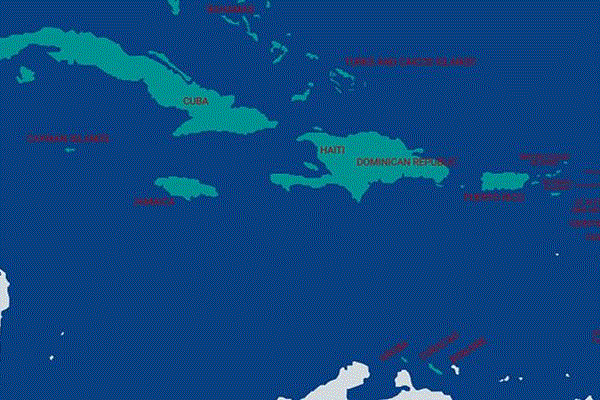
The Implementation of the SSF Guidelines in Small Island Developing States
28/10/2020

Implementing the SSF Guidelines in Small Island Developing States
27/10/2020

Enhancing sanitation and hygiene at Kunduchi and Kirumba Fish Markets in the wake of COVID-19
26/10/2020

How the Department of Fisheries in the Government of Malawi responded to the Covid-19 pandemic
23/10/2020

The new edition of the Samudra report on Building Back and Building Forward (No. 83, Sept. 2020)
09/10/2020

Regional Small-scale Fisheries Governance Training Program: Creating an Enabling Environment for the Small-scale Fisheries Guidelines
06/10/2020

FAO stories: “Autonomy, empowerment and independence don’t come overnight”
05/10/2020

Stay updated – read the SSF Guidelines Update for September here!
30/09/2020

CALL TO ACTION: Submit examples of natural resource stewardship by small-scale fishing communities and organizations around the world!
28/09/2020

Implementation of the SSF Guidelines in Europe
25/09/2020

Overview of the SSF Guidelines in Europe
25/09/2020


تعرَّف على الخطوط التوجيهية الطوعية لضمان استدامة مصايد الأسماك صغيرة النطاق في سياق الأمن الغذائي والقضاء على الفقر
- الحوكمة المسؤولة للحيازة
- إدارة الموارد المستدامة
- سلاسل القيمة، مرحلة ما بعد الحصاد، والتجارة
- المساواة بين الجنسين والعدالة
- مخاطر الكوارث وتغير المناخ
- نهج قائم على حقوق الإنسان
- الشعوب الأصلية ومصايد الأسماك الصغيرة النطاق
- الأمن الغذائي والتغذية
