

Organic agriculture
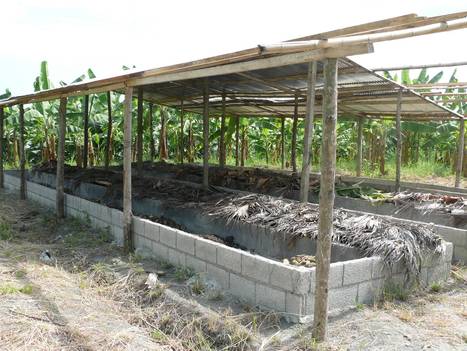
Organic agriculture is “a holistic system of production that promotes and enhances the health of agro-ecosystems, including biodiversity, biological cycles, and soil biological activity, considering that regional conditions require locally adapted systems. This is achieved by using, whenever possible, cultural, biological, and mechanical methods instead of synthetic inputs” 1.
In 2013, the International Federation for Organic Agriculture Movements (IFOAM) estimated that organic banana production reached 850,000 metric tons, accounting for almost 1% of the global banana production area 2. In 2015, the leading producers of organic bananas were the Dominican Republic (12,000 ha), Ecuador (11,500 ha), the Philippines (6,500 ha), Peru (5,500 ha), and Costa Rica (4,500 ha).
Principles of Organic Agriculture
Health: Organic agriculture should sustain and promote the health of soil, plants, animals, people, and the planet as a single, interconnected system.
Ecology: Organic agriculture should be based on living ecological cycles and systems, working with them, emulating them, and supporting their sustainability.
Fairness: Organic agriculture should be grounded in relationships that ensure fairness concerning the environment and equitable life opportunities.
Care: Organic agriculture should be managed responsibly and with caution to safeguard the health and well-being of current and future generations, as well as the environment 3.
Organic Production System Requirements
An organic production system must comply with the following principles 4:
- Establish farms following a conversion period, the duration of which depends on site-specific factors, such as land history and the production system used.
- Enhance the biological diversity of the system.
- Increase the biological activity of the soil.
- Maintain long-term soil fertility.
- Recycle organic waste from plants or animals to replenish system nutrients while minimizing reliance on non-renewable resources.
- Utilize renewable resources in locally organized agricultural systems.
- Promote responsible use of water, soil, and air, while minimizing all forms of pollution arising from agricultural production.
- Process agricultural products carefully to preserve their organic integrity.
- Avoid the use of synthetic chemical inputs.
- Continuously monitor production.
Environmental Benefits of Organic Agriculture 5
- Sustainable agricultural production: Organic systems anticipate environmental impacts and enhance agro-ecosystems in the medium and long term. Ecological benefits, such as improved soil conditions, contribute to the overall safety and productivity of the system.
- Enhanced soil quality: Organic practices improve soil structure and fertility, reducing the need for chemical fertilizers.
- Better water management: The use of organic fertilizers helps reduce water pollution.
- Climate change mitigation: Organic agriculture reduces fossil fuel consumption and promotes carbon sequestration through practices such as minimal tillage, returning crop residues to the soil, cover cropping, crop rotation, and nitrogen-fixing legumes.
- Biodiversity conservation: Practices such as maintaining natural areas, using crop rotations, and eliminating chemical inputs support greater species diversity within and around cultivated land.
- No genetically modified organisms (GMOs): GMOs are strictly prohibited at all stages of organic production, processing, and handling.
- Provision of ecological services: Organic agriculture supports crucial environmental functions, including soil formation and stabilization, waste recycling, carbon sequestration, nutrient cycling, natural predation, pollination, and habitat preservation.
Organic Fertilization
The following organic fertilization practices can enhance soil nutrients in banana plantations 6:
- Intercropping: Growing seasonal crops between banana rows to boost soil fertility. Common intercrops include legumes, coffee, vanilla, cocoa, and tropical fruits. In the non-export banana sector, trees are also used to provide shade and wind protection 7.
- Weed management: Controlling weeds through mulching, cover cropping, or mechanical methods.
- Water conservation: Preserving moisture by building terraces, applying mulch, and using cover crops, ensuring they do not compete with banana plants.
- Soil conservation: Enhancing plant growth and productivity by applying compost in planting holes and adding organic manures.
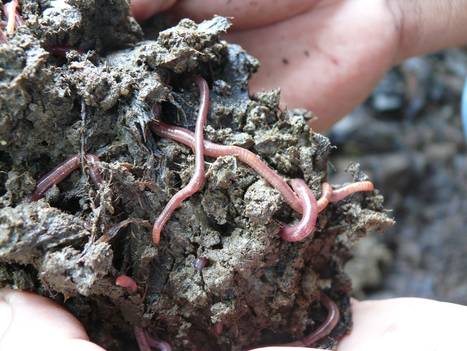
Compost
Compost is a key fertilizer in organic banana production. It is made from decomposed organic waste, broken down by soil organisms such as bacteria, fungi, worms, mites, and insects in the presence of air 8, 9. Its nutrient content depends on the organic materials used.
The main benefits of compost application include:
- Improved soil structure and fertility.
- Increased microbiological activity.
- Regulation of excess minerals or toxic substances.
- Prevention of nutrient loss through leaching.
- Reduced nitrate intake and lower aquifer pollution 10, 11.
Banana roots require well-structured soil with porosity, depth, proper aeration, and natural nutrients. Any physical or chemical limitation reduces plant productivity. Compost not only replaces inorganic fertilizers but also enhances soil structure, creating optimal long-term conditions for banana cultivation. Before application, a soil analysis is necessary to prevent over- or under-fertilization 12.
References
References
1 FAO. 1999. Committee on Agriculture. Fifteenth Session
2 ITC. 2016. The State of Sustainable Markets p.66
3 IFOAM. Principles of Organic Agriculture
4 FAO. 2005. The importance of soil organic matter Key to drought-resistant soil and sustained food production
5 FAO. What are the environmental benefits of organic agriculture?
6 FIBL. 2011. African Organic Agriculture Training Manual 9-19 Banana
7 BananaLink. Organic
8 Ecosur. Compost
9 FAO. Nutrient Management in Organic Agriculture
10 INIBAP. 1998. Producción de banano orgánico
11 IFOAM. Training manual for organic agriculture in the tropics
12 Unión Europea; Ministerio de Comercio Exterior y Turismo de Perú. Banano orgánico - Manejo Agronómico del Cultivo-Fertilización