


News
Five things you should know about Sudan's food crisis
15/04/2026
Why Sudan's agrifood system is under severe strain in 2026
.tmb-th600x400.jpeg?sfvrsn=b4e2323a_1 "whatsapp-image-2026-02-03-at-17-00-22-(1)")
News
Gaza Strip: FAO scales up conditional cash assistance to 1 000 more farmers, calls for liberalization of private sector imports of agricultural inputs
31/03/2026
From FAO Regional Office for Near East and North Africa
Highlights
-(1).png?sfvrsn=34c78fe0_1)
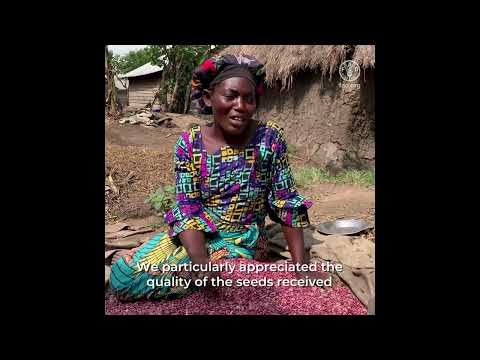
Resilient voices: Bora Chibalonza from DRC
04/03/2026
These are the voices of those who nourish the world. Farmers, fishers and rural families who participated in FAO projects share their stories of resilience and hope for the future.
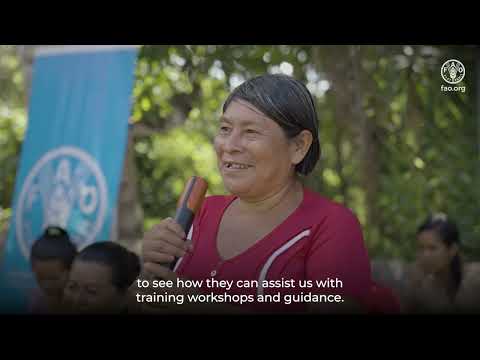
Communities at the heart of anticipatory action
13/11/2025
Engaging communities is at the heart of FAO’s emergency and resilience work. In the field of anticipatory action—where the window between a warning and a potential hazard is often very short—community participation is critical to ensure that interventions are tailored, timely, inclusive and effective.

In focus
Anticipatory action
FAO is forging a way for a faster, more effective humanitarian system by shifting from disaster response to anticipation.

In focus
KORE - Knowledge and learning in action
Knowledge management is about identifying, co-creating and sharing solutions to help solve challenges, so others can learn from and apply them.