


FAO emergencies and resilience
Videos

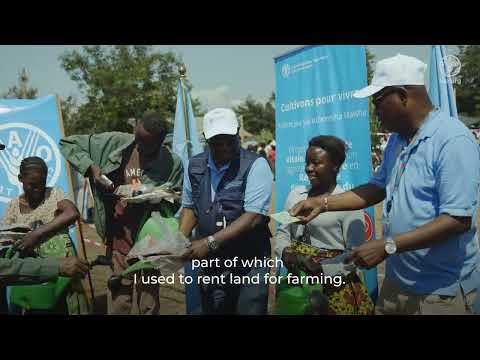
Emergency agriculture saves lives in the eastern Democratic Republic of the Congo
24/09/2026
A dramatic humanitarian crisis strikes eastern provinces of the Democratic Republic of the Congo, which face acute food insecurity.
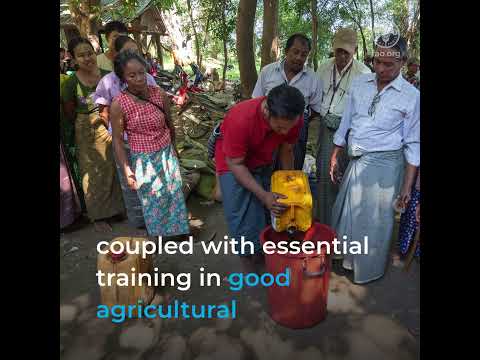
How life-saving agricultural support is helping communities rebuild in Myanmar
14/09/2026
Thanks to the Myanmar Humanitarian Fund, FAO provided life-saving agricultural assistance in the most vulnerable areas of the country, coupled with essential training in good agricultural practices to ensure farming is both safer and more productive.
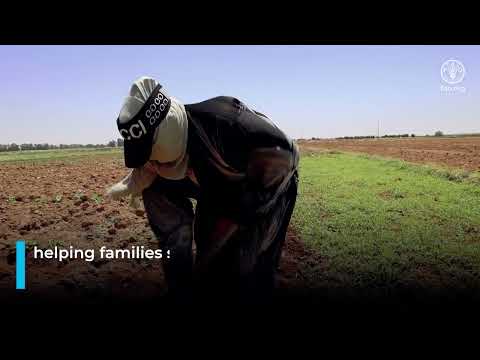
SHF and FAO helping farming families in Syria produce fresh vegetables
09/09/2026
The conflict may have eased, but producing food remains an immense challenge. Climatic shocks, lack of extension services and prohibitive input costs are leaving many families without the means to produce the food they depend on.
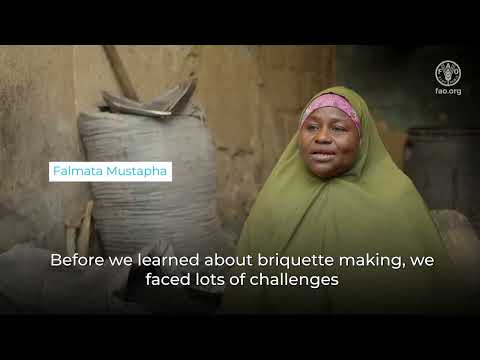
Enhancing Resilient Livelihoods in Northeast Nigeria
27/08/2026
This video showcases FAO’s efforts to strengthen resilient livelihoods among conflict-affected communities in Borno, Adamawa and Yobe (BAY) States through the “Emergency agricultural livelihoods and protection assistance in Northeast Nigeria” project.