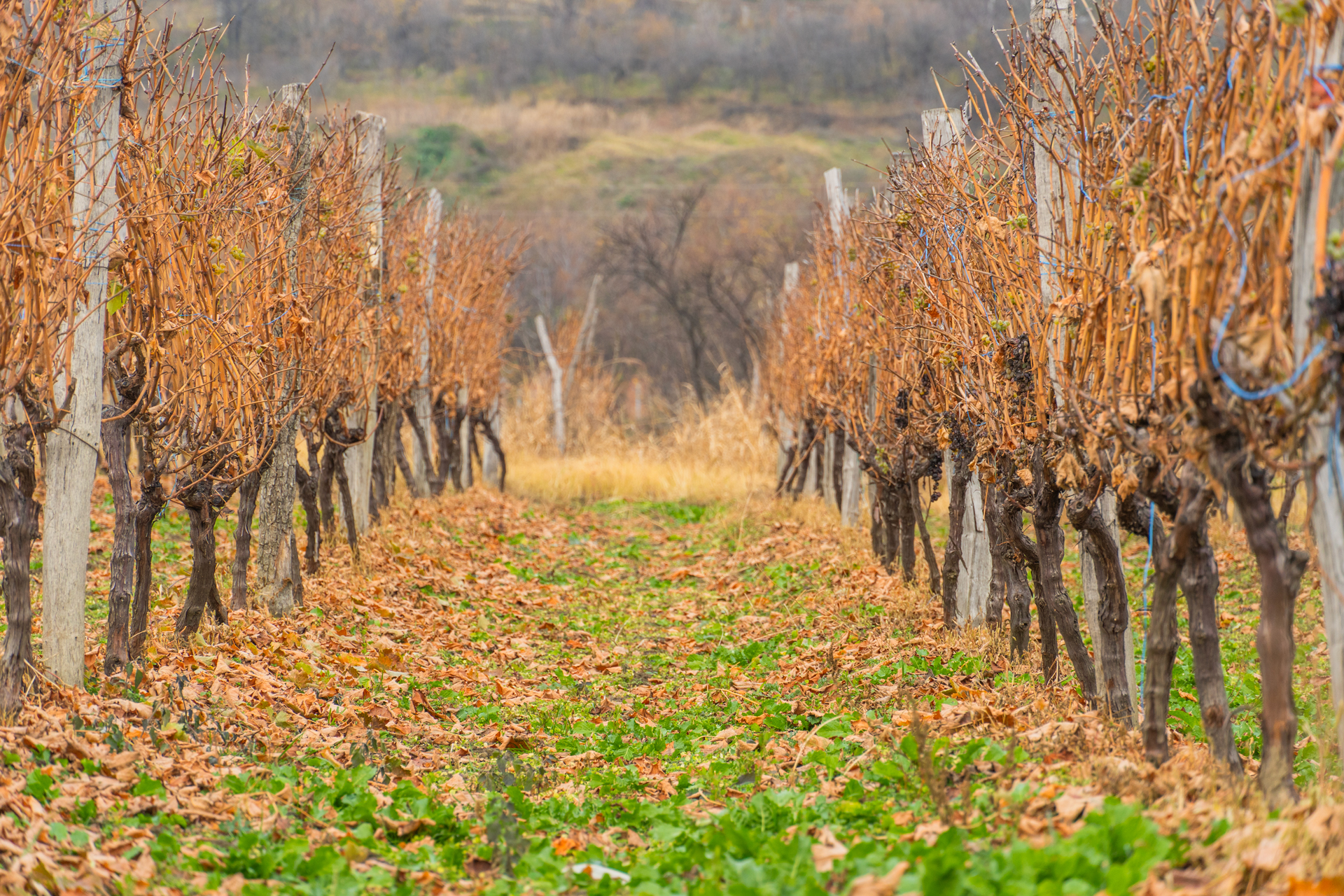
Empowering Georgian Viticulturalists Through an Advanced Training of Trainers Programme

Under the EU- and Sweden-funded ENPARD IV programme, the Food and Agriculture Organization of the United Nations (FAO) has completed the first Training of Trainers (ToT) cycle and initiated a new one. The educational programme aims to enhance food safety and integrated vineyard management capacities in Georgia.
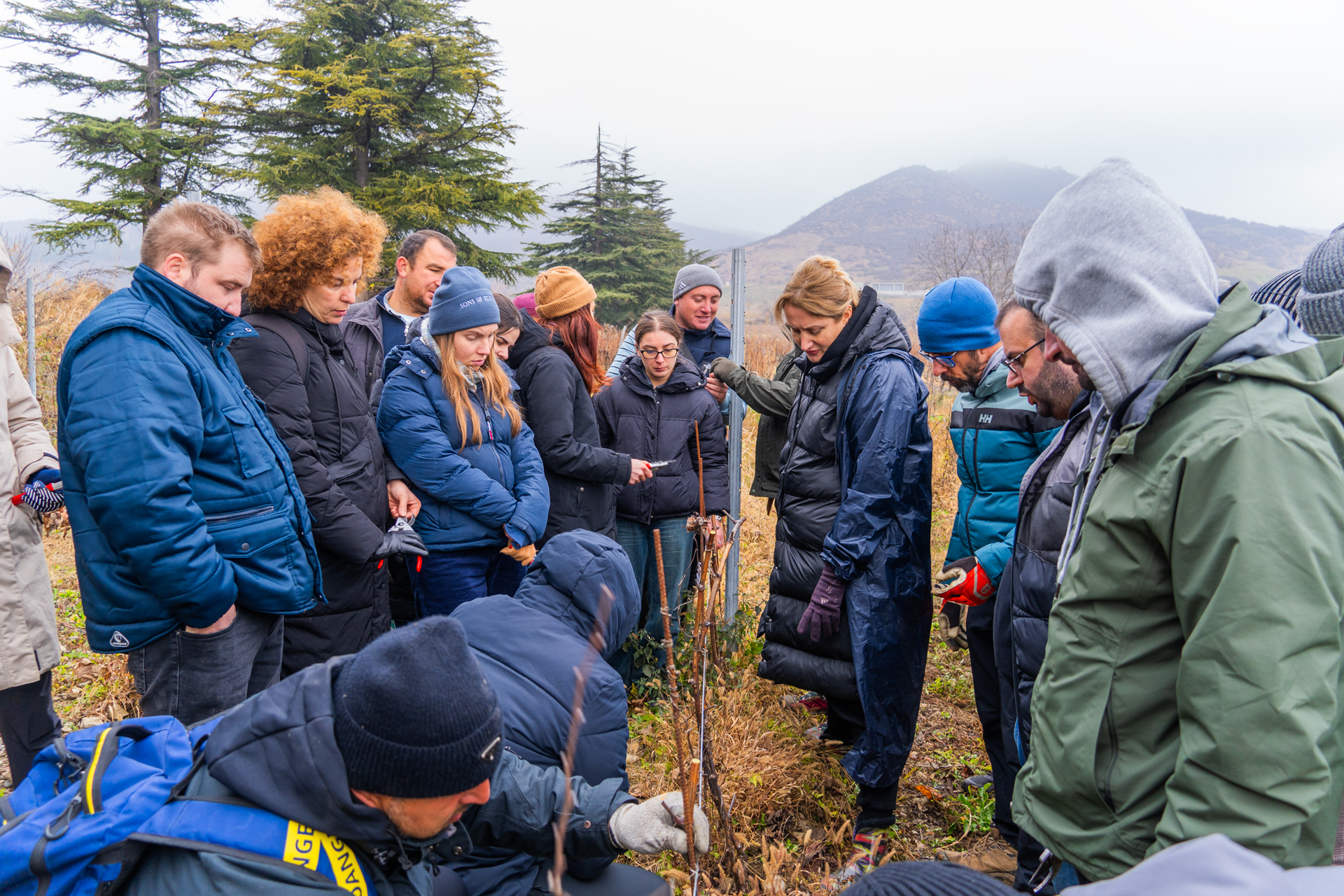
As part of efforts to reinforce knowledge and strengthen the viticulture sector, the comprehensive knowledge-sharing activities were implemented for two groups of viticulturalists. The training sessions combined theoretical modules with hands-on vineyard practices.
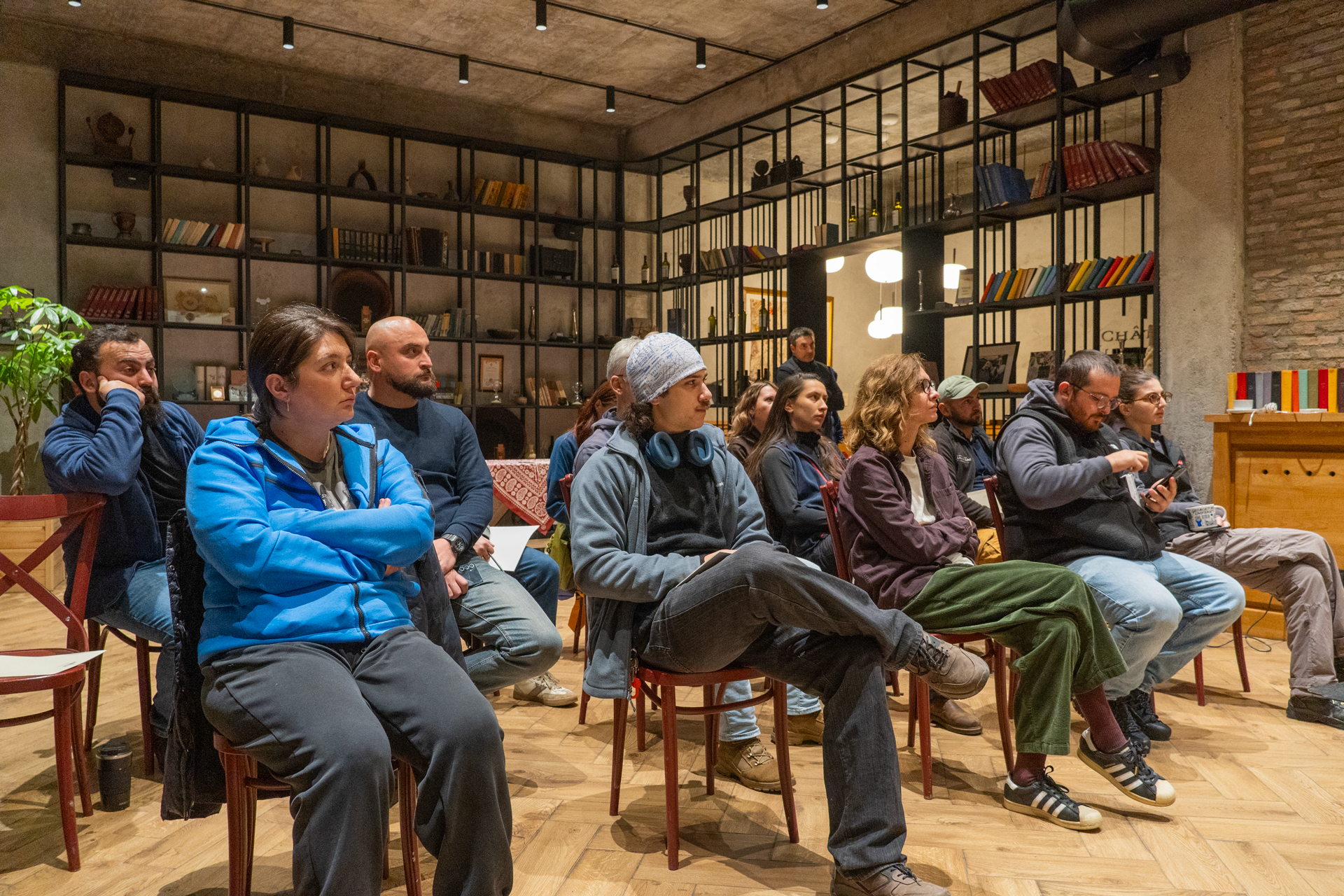
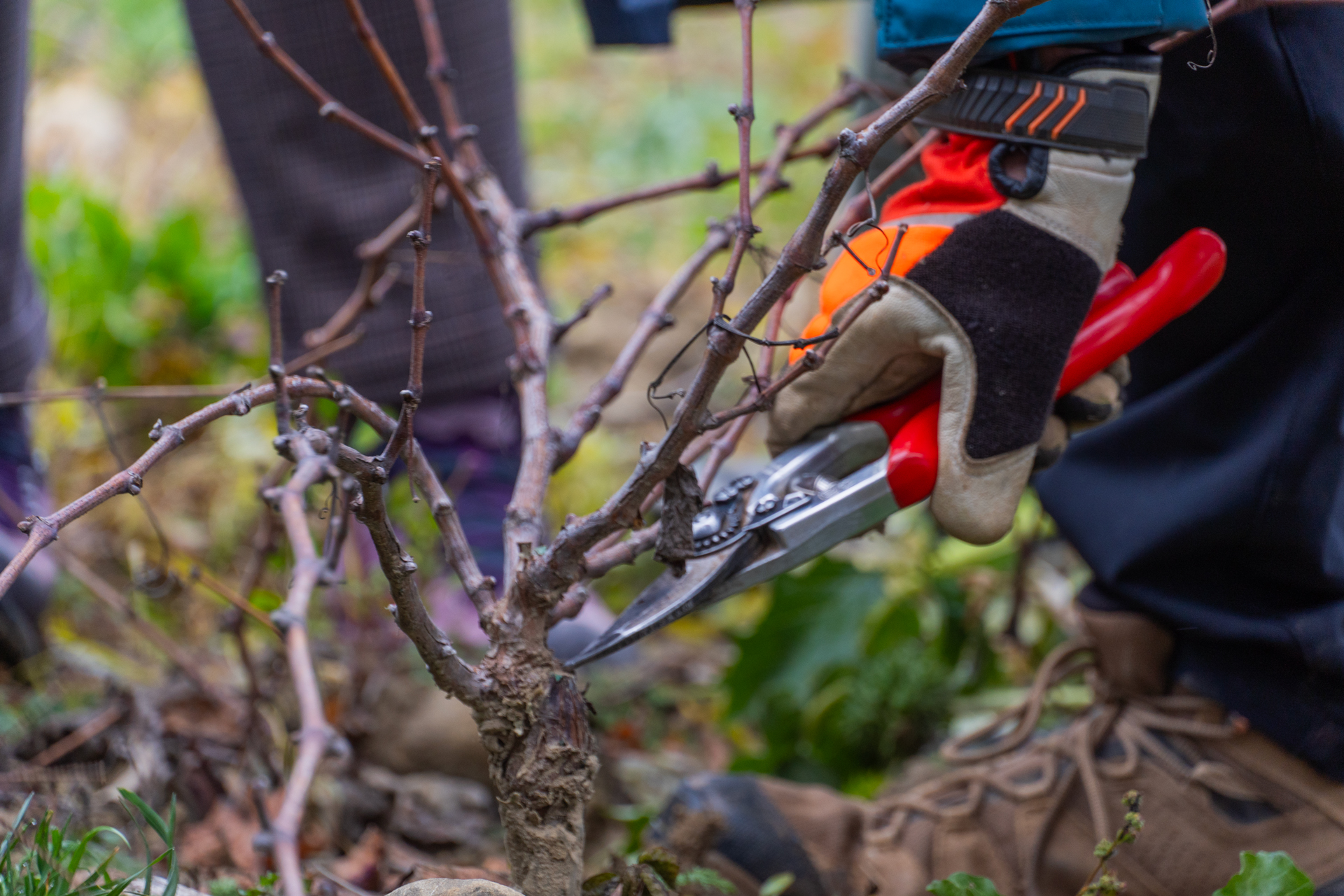
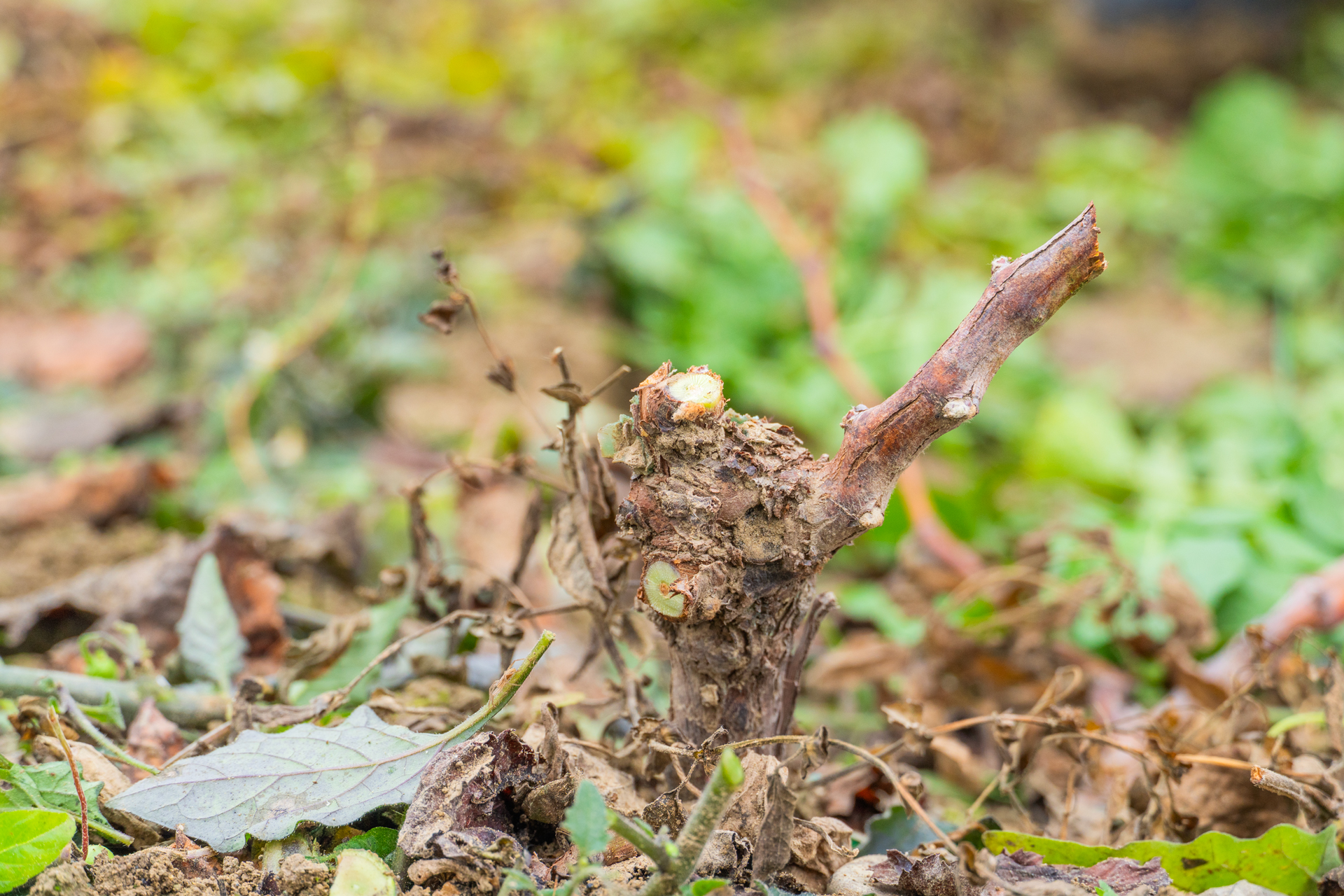
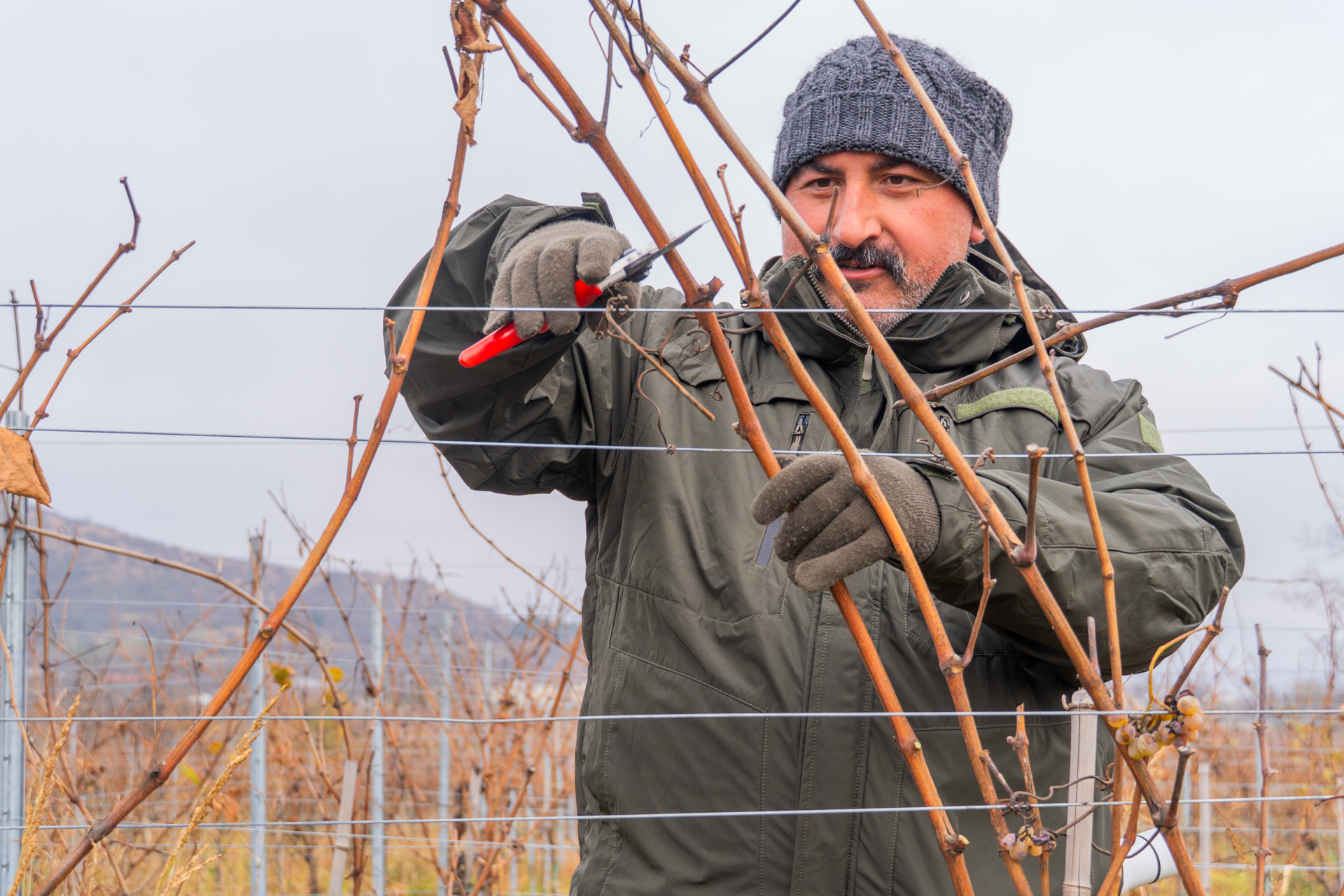
The first group of 13 viticulturists participated in a year-long ToT cycle, which included practical training in winter and green pruning, as well as 11 theoretical modules on integrated vineyard management. With an additional three-day series of practical exercises on soil assessment, irrigation planning, fertilisation strategies, and other vineyard management techniques, they have now completed the training.
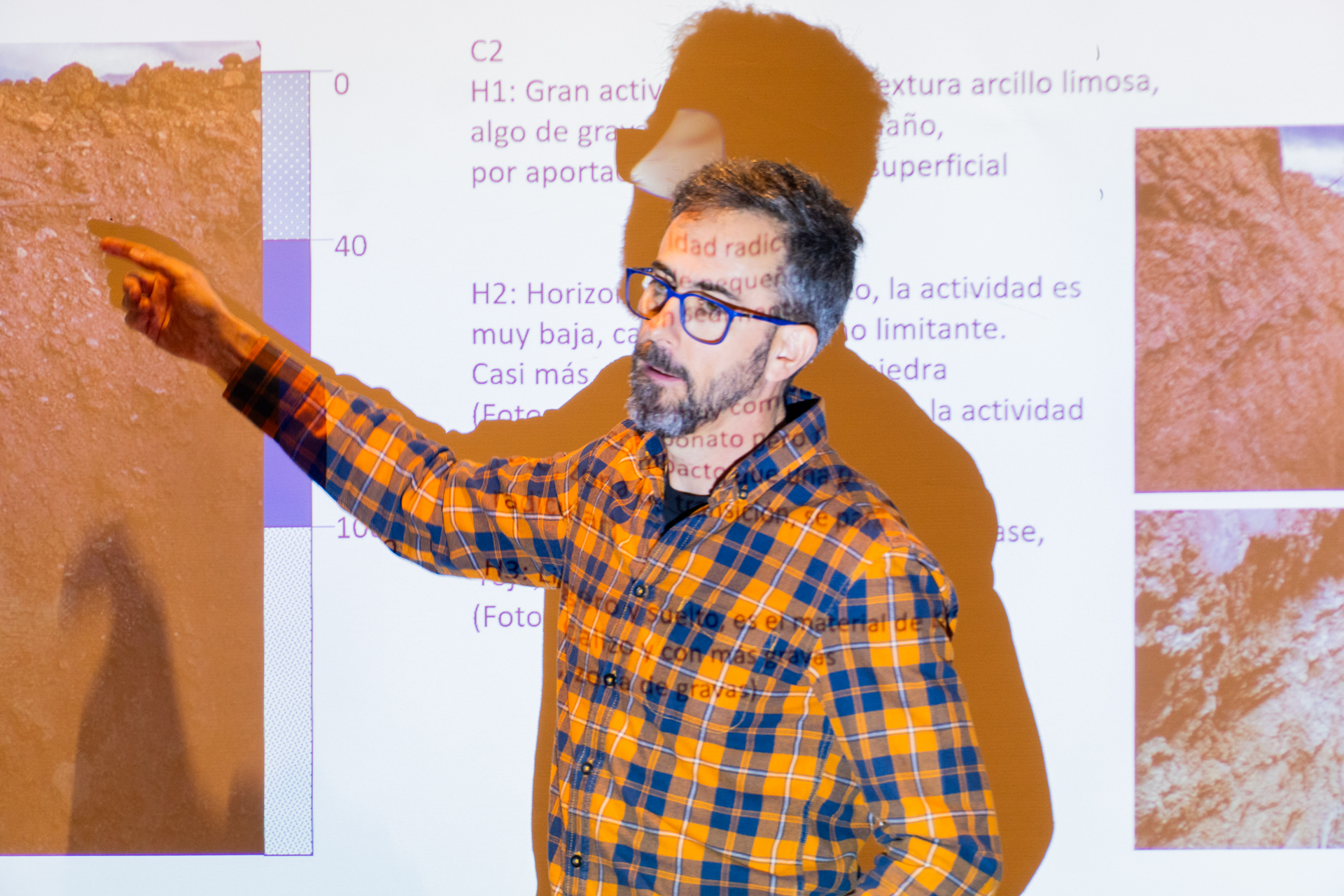
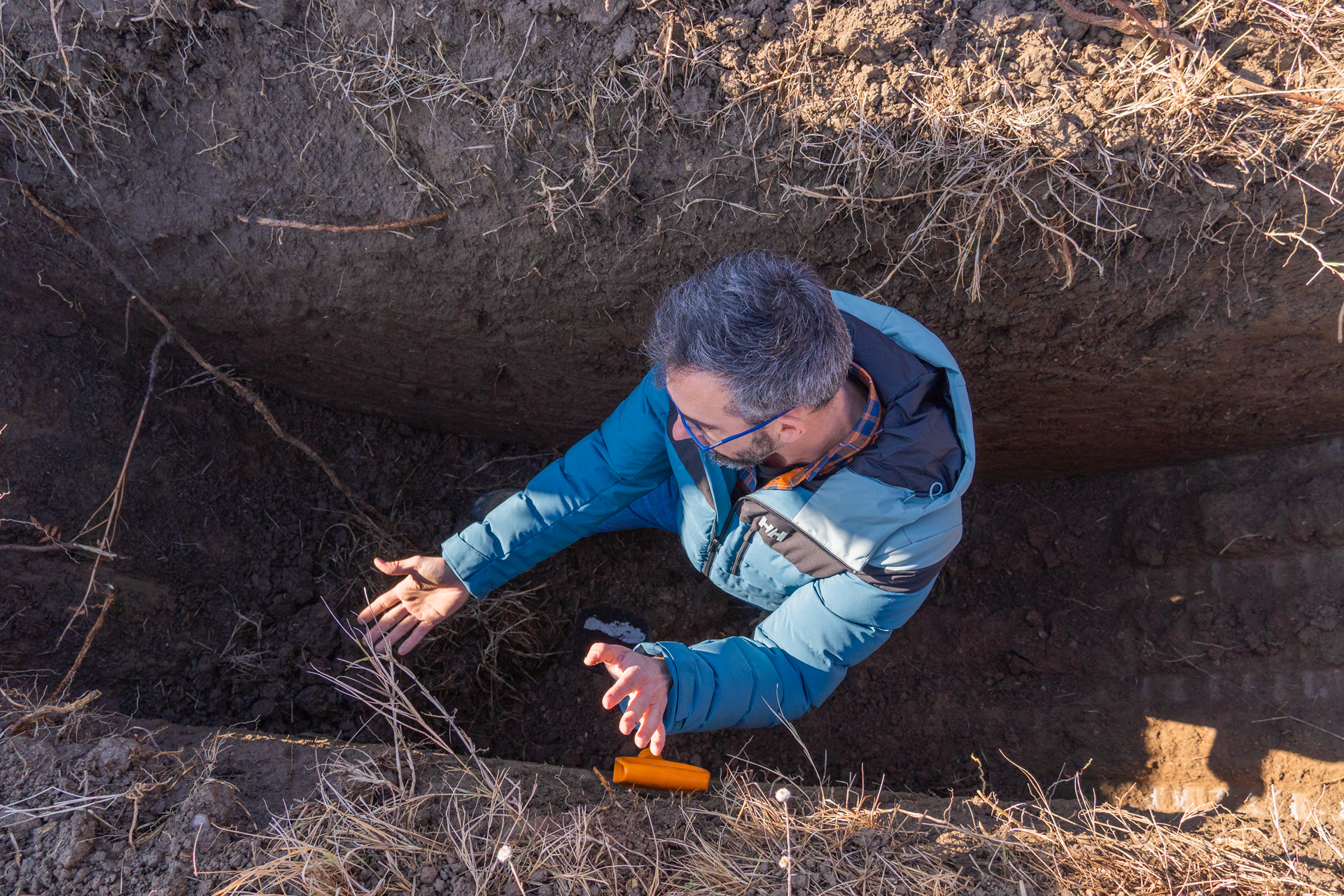
A second newly established group of 21 specialists undertook a five-day intensive training on winter pruning, vine formation, and grapevine physiology.
“Incorporating the elements of integrated vineyard management is essential for both the environmental and financial sustainability of the wine sector in Georgia and the way forward to align it to the standards of the EU. Moreover, with the Training of Trainers, the programme will ensure maximum outreach and sustainability over time,” said Tamari Otkhmezuri, FAO National Agronomy, Wine and Extension Specialist.
“Strengthening the technical capacity of Georgia’s viticulture professionals is essential for building a safer, more competitive viticulture and wine sectors”, said Guido Agostinucci, FAO Programme Manager. “Through the support of the EU and Sweden, FAO continues to provide winemakers with the knowledge and tools needed to align with EU food safety standards and adopt sustainable practices that improve competitiveness on both national and international markets.”
Denis Reiss, Programme Officer for Sustainable Food Systems at the Delegation of the European Union to Georgia, emphasised: “Participants in these Training of Trainers programmes play a crucial role in disseminating knowledge and practical experience. Positioned at the intersection of FAO-selected European best practices and Georgian expertise, they prioritise sustainability and quality in line with EU standards to reach an ever-growing number of consumers.”
By equipping both groups with advanced technical knowledge and practical leadership skills, FAO strengthens Georgia’s national network of viticulturalists by supporting safer and more efficient production methods and contributing to the long-term resilience and competitiveness of the wine sector.
Along with in-person training modules, FAO has supported the development of a Georgian-language online video course series on state-of-the-art grapevine winter and green pruning and formation techniques. Viticulturalists interested in utilising these digital training modules still have the opportunity to do so by filling out a registration form.
___
About the European Union
For more than 30 years, the European Union has built a close partnership with Georgia, supporting its development through knowledge and experience sharing, expertise, innovation and financial support. The relationship between the EU and the citizens of Georgia is based on shared values of peace, freedom, democracy, human rights and inclusive economic growth. More about the EU’s support in Georgia: https://eu4georgia.eu/the-european-union-in-georgia/
About ENPARD
The European Union supports rural development in Georgia through its ENPARD Programme. Aiming to reduce rural poverty, ENPARD has been implemented since 2013. The Programme started by supporting the development of the national agricultural potential. Subsequently, it also concentrated on creating economic opportunities for rural populations in Georgia. Since 2021, the Programme has also been working on improving food safety in the country, with additional support from Sweden and with FAO and the Czech Development Agency as the main implementers of this food safety component under ENPARD IV.