
Young fishers from the Mediterranean and the Black Sea get together: securing the future of small-scale fisheries

Small-scale fisheries (SSF) across the Mediterranean and the Black Sea are facing a critical demographic challenge. According to The State of Mediterranean and Black Sea Fisheries 2025, almost half of small-scale fishers (47 percent) are over 40 years old, while only 17 percent are under 25 years old. Generational renewal is an important challenge. Across many countries in the region, young people are not entering the sector – and when they do, many struggle to stay. This is not a question of motivation but of viability, with serious concerns for the long-term resilience of coastal communities.
At the recent Small-Scale Fishers’ Forum (SSF Forum) “Empowering the next generation: youth engagement in SSF” organized in Athens, Greece, by the General Fisheries Commission for the Mediterranean (GFCM) of the Food and Agriculture Organization (FAO), with the support of the WWF Greece and WWF Mediterranean, participants discussed the challenges facing the sector. Young people have been increasingly reluctant to enter the profession due to harsh working conditions, economic uncertainty, rising costs, complex regulations and limited access to finance.
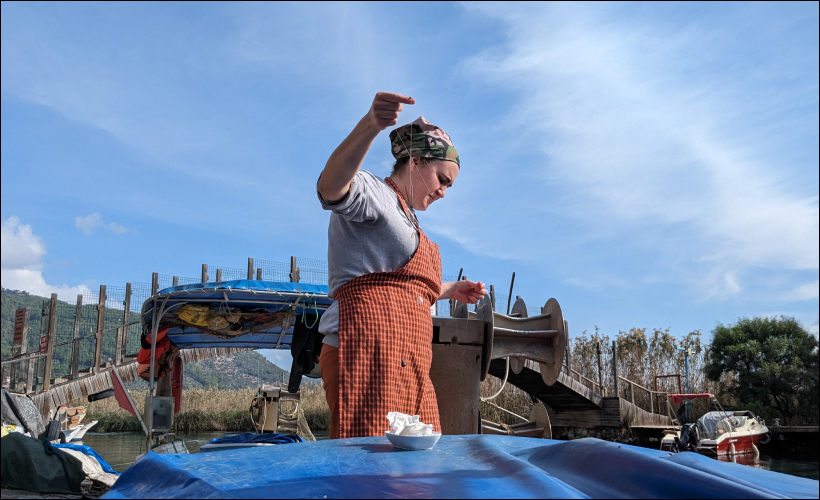
©FAO-GFCM/Clémentine Laurent
Fishing today is not only about going to sea. It means running a business under pressure, with shrinking margins and growing administrative requirements. “We are not only fishers. We run a business with investments, risks and responsibilities”, said 37-year-old Miguel Angèl Mercant Sirer from Cala Ratjada, Balearic Islands, Spain. “Young people will not enter the sector if fishing cannot guarantee a decent life.” Low earning potential further undermines the attractiveness of SSF for the younger generations.
Without targeted action, fisheries risk losing not only labour, but also cultural heritage, traditional knowledge and social cohesion.
Procedural and bureaucratic barriers and access to financial support
Administrative complexity remains a major deterrent for young and new entrants. Licensing, vessel registration, reporting obligations and compliance procedures are often difficult to navigate, time-consuming and costly. Access to financial support is another key barrier, with high investment costs compounded by strict eligibility criteria.
Several SSF Forum participants highlighted that the cumulative burden of administrative and enforcement requirements can place significant pressure on small-scale fishers, particularly young and new entrants, and may discourage formal sector participation and long‑term engagement in the profession.
“Rules often are made far from the sea, without understanding everyday reality”, said 38-year-old Stavros Nanidis, from Greece.
Ensuring fair competition
Unregulated and unreported fishing creates unfair competition, alters markets and undermines sustainability efforts. This includes recreational fishing, which often most closely overlaps with small-scale fisheries in terms of fishing areas and target species, making its impacts particularly visible and strongly felt by professional small-scale fishers.
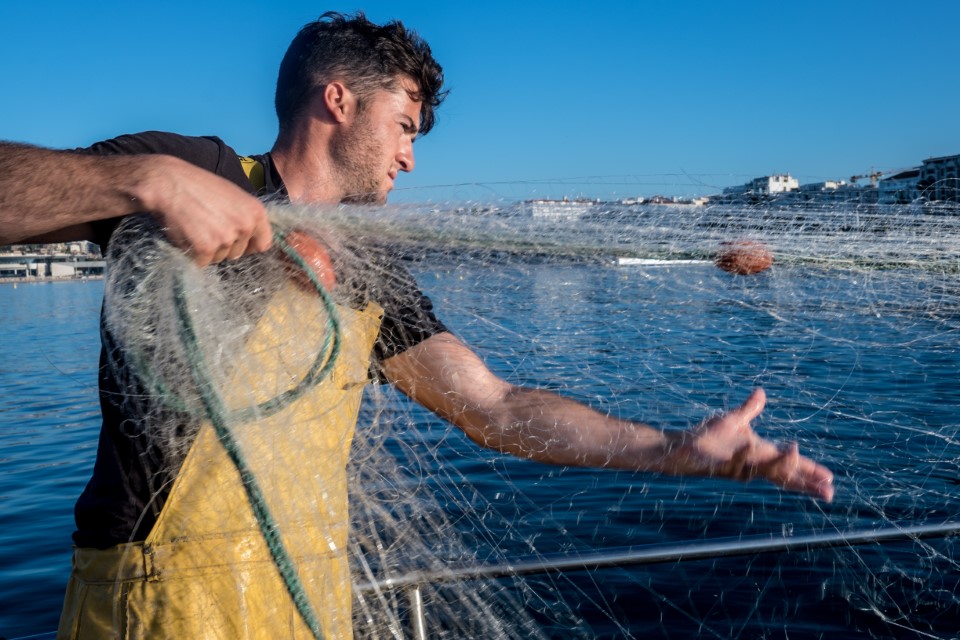
©Cristina Mastrandra/WWF Mediterranean
The sale of unreported catches without taxation or traceability weakens livelihoods and erodes trust in fisheries governance. Clear and effective frameworks for licensing, catch reporting, traceability and compliance are therefore needed across all fishing activities, together with stronger and more harmonized enforcement, to ensure fairness and to protect professional SSF communities.
Digitalization: opportunities, skills and inclusion
Digital tools – including electronic catch reporting, vessel monitoring systems and data platforms – offer opportunities to improve transparency, safety and management. However, digitalization also introduces new challenges.
“Digital skills are no longer optional”, said 26-year-old Dino Bozanic from Vis Island, Croatia. “They are essential if you want to make it.”
Young fishers increasingly need digital skills to comply with regulations and access markets, yet training and support are uneven. Inclusive digital transitions are essential to ensure that innovation supports, rather than marginalizes, small-scale fishers.
Education, training and knowledge transfer
Education is a cornerstone of generational renewal in the sector. Dedicated fishing schools, vocational training programmes and local learning centres can open pathways for young people, particularly those without family backgrounds in fishing, to enter the sector.
.jpg)
%20(1).jpg)
©FAO-GFCM/Christos Giannakopoulus
Structured education enables intergenerational knowledge transfer while integrating scientific research, sustainability principles and modern skills. Early education initiatives, including school-based programmes that connect children with marine ecosystems and food systems, help build long-term interest and respect for the profession.
Women: often unseen, always essential
Women remain underrepresented and undervalued despite accounting for nearly 30 percent of the fisheries workforce along the value chain in the Mediterranean and the Black Sea. “Many women are marginalized and there is little trust in women within the fishing sector”, said 22-year-old Safae Oualla, a fisher from Morocco. “We want to bring positive change while respecting the environment.”
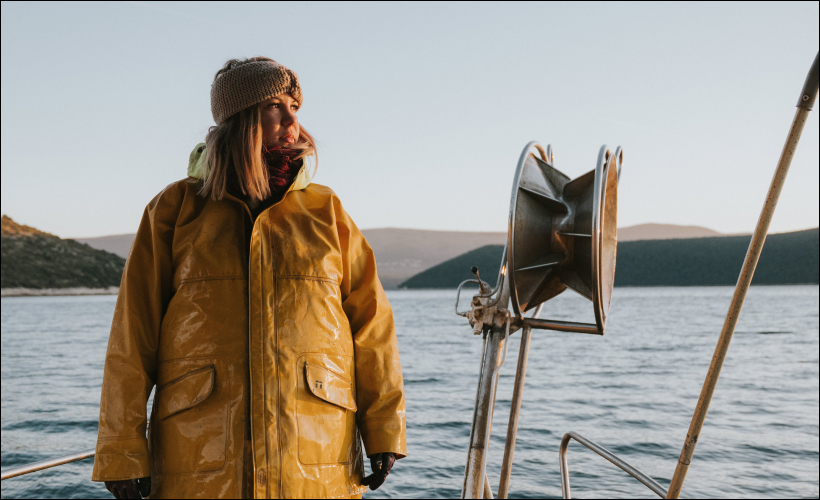
©FAO-GFCM/Ivana Varesko
As recognized in the Regional Plan of Action for Small-Scale Fisheries (RPOA-SSF), gender equity and capacity development require actions beyond policy frameworks alone, with civil society and community networks playing a key role in empowerment and participation.
What is at stake
Small-scale vessels remain the backbone of employment in the sector, representing 58 percent of total onboard employment across the Mediterranean and the Black Sea. Small-scale fisheries are not just a sector. They are local food systems, coastal economies and custodians of marine ecosystems. When young people leave, communities lose skills, knowledge and the capacity to adapt.
“With the income we receive and the pension system we have, it is impossible to plan a future”, said 34-year-old Elia Gusso from Caorle, Italy.
Generational renewal requires more than policy commitment. It requires better access, fairer regulations, targeted finance, education, recognition of women and trust-based governance. Without this, the question is no longer why young people are leaving but who will be left.
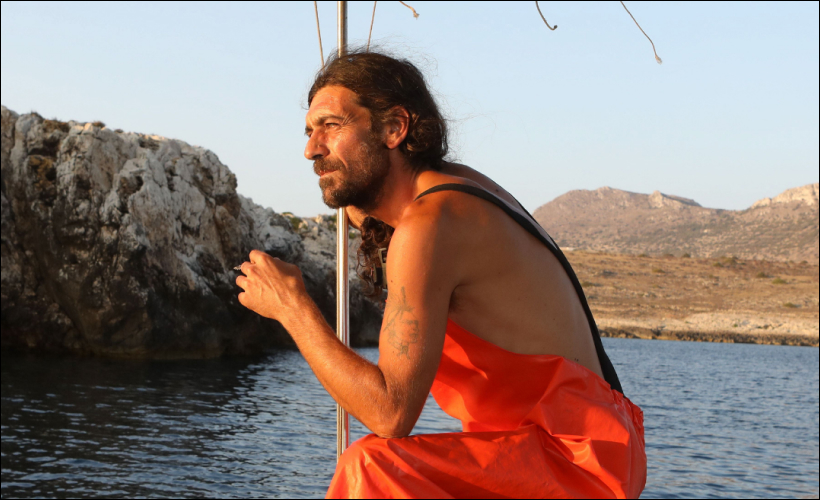
©Carlo Gianferro/WWF Mediterranean
Promoting youth engagement is a central pillar of the GFCM 2030 Strategy, which aims to ensure generational knowledge transfer and support a renewed workforce in SSF. Through the SSF Forum and capacity development programmes such as MedSea4Fish and BlackSea4Fish, the GFCM is working to translate dialogue into practical support, skills development and improved conditions for young fishers across the region.
Cover image: ©FAO-GFCM/David Richard